
The vibrant heart of Florida beats with two distinct rhythms: the world-renowned theme park capital of Orlando, and the sprawling, riverfront metropolis of Jacksonville. Whether you’re a tourist planning an extended Florida adventure, a local contemplating a weekend getaway, or a business traveler needing to bridge the gap between these two significant urban centers, understanding the distance and optimal travel strategies is crucial. This comprehensive guide will delve into everything you need to know about traversing the miles separating Orlando from Jacksonville, offering insights into travel times, transportation options, and even points of interest along the way to ensure a smooth and enjoyable journey.
Understanding the Distance: Orlando to Jacksonville
For many, the first question in planning a trip is always about the fundamental logistics: “How far is it, really?” The answer provides the bedrock for all subsequent travel decisions, from choosing a mode of transport to budgeting time and expenses.
The Straightforward Answer: Miles and Kilometers
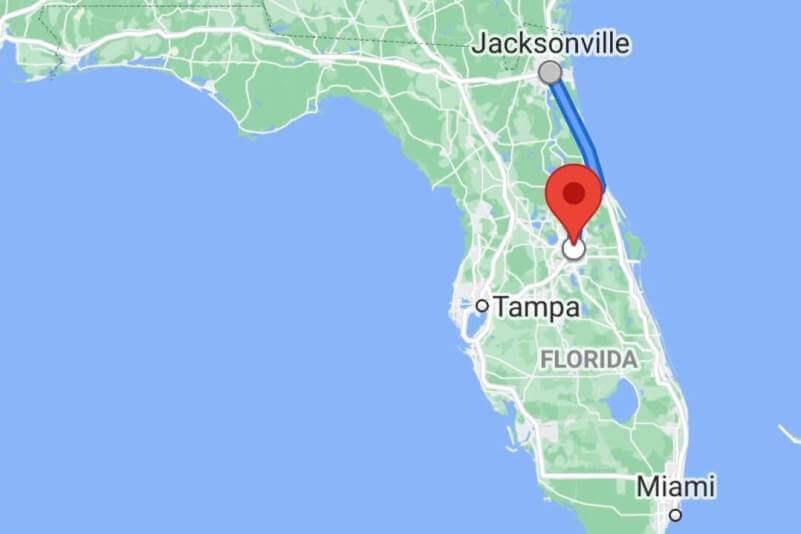
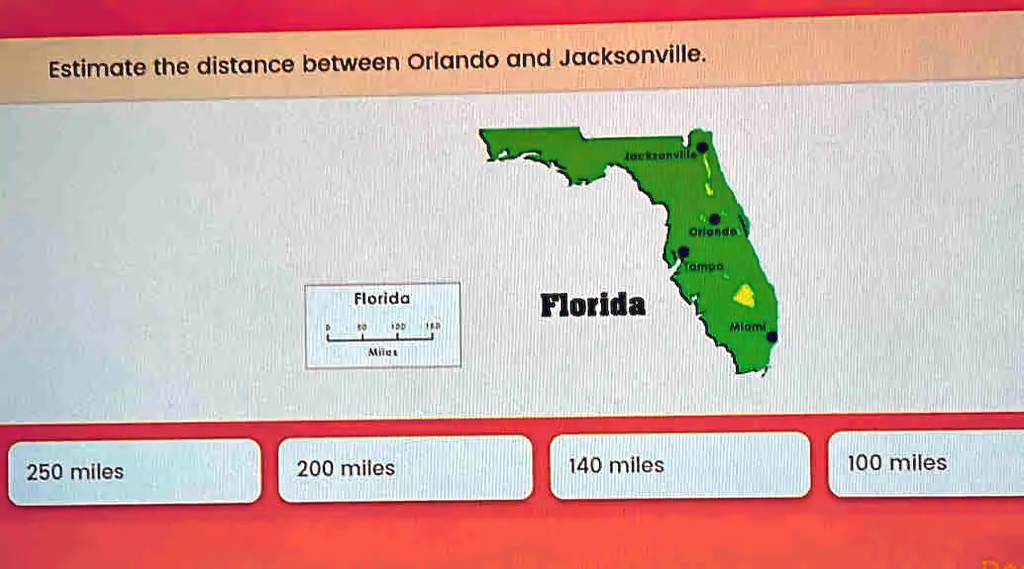
The distance between Orlando and Jacksonville is approximately 140 to 145 miles (about 225 to 233 kilometers), depending on your exact starting point in Orlando and your destination in Jacksonville. This measurement typically refers to the most direct driving route, which primarily utilizes major interstate highways. It’s a manageable distance that makes a day trip or an easy transfer between the two cities very feasible for most travelers.
Average Travel Time
Given the distance, the average travel time by car generally ranges from 2 hours to 2 hours and 30 minutes. This estimate is for uninterrupted driving under ideal conditions. However, several factors can influence this duration significantly:
- Traffic: Both Orlando and Jacksonville are major cities prone to rush hour congestion. Traveling during peak times (early mornings, late afternoons, and especially Friday afternoons) can easily add 30 minutes to an hour to your journey.
- Road Construction: Florida’s road network is constantly being maintained and upgraded, so unexpected construction delays are always a possibility.
- Stops: Whether for fuel, food, or a quick stretch, any stops will naturally extend your total travel time.
- Weather: Heavy rain or fog, common in Florida, can necessitate slower driving speeds.
Key Interstates and Routes
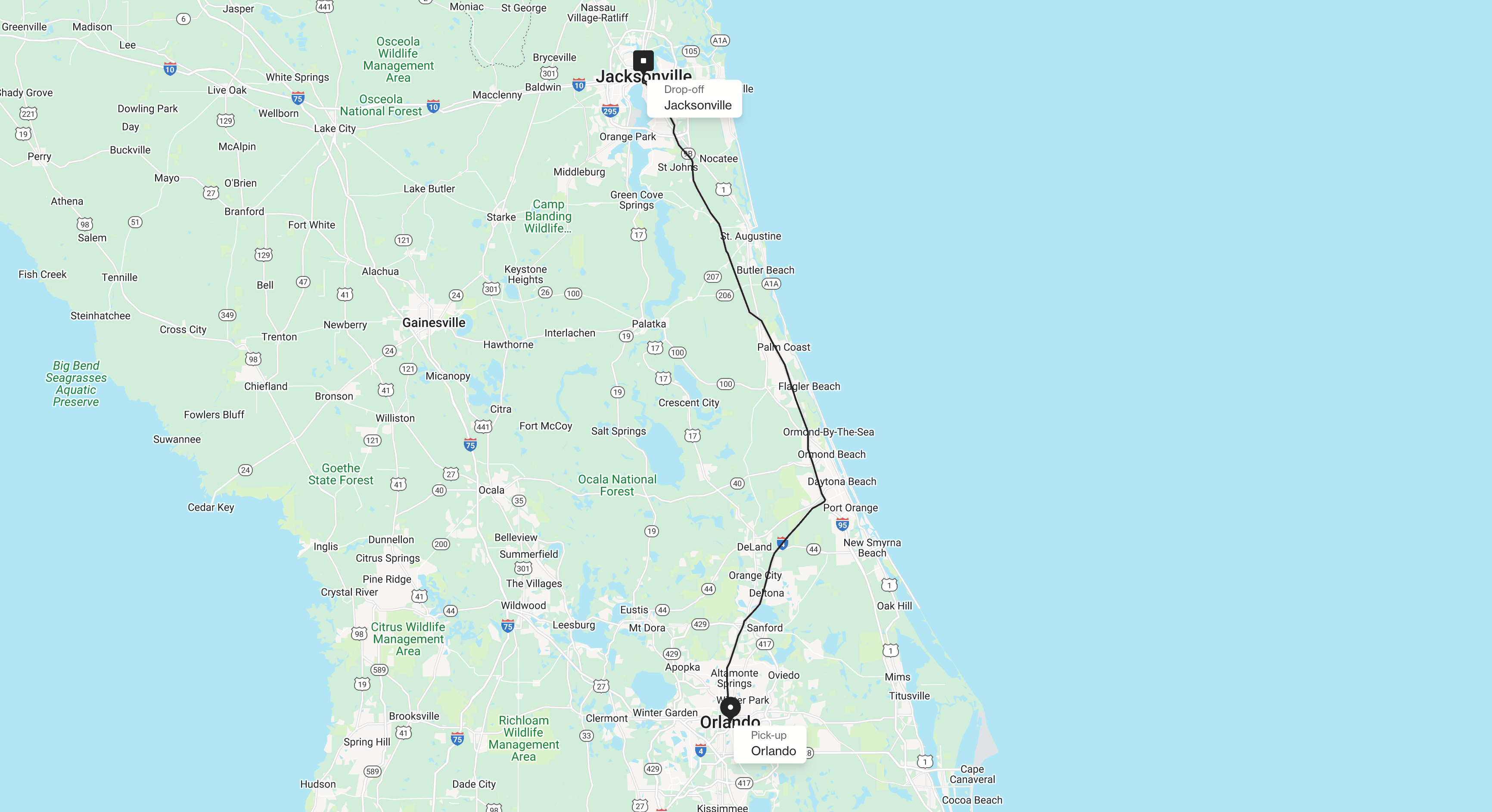
The primary artery connecting Orlando to Jacksonville is a combination of Interstate 4 (I-4) and Interstate 95 (I-95).
Typically, drivers start on I-4 North from Orlando, heading towards Daytona Beach. Near Daytona Beach, I-4 intersects with I-95. From there, you’ll merge onto I-95 North, which will take you directly into Jacksonville. This route is well-maintained, clearly signposted, and offers several amenities like gas stations and rest areas along the way. While there are alternative, more scenic routes using smaller state roads, they invariably add significant time to the journey and are generally not recommended for those prioritizing efficiency.
Modes of Transportation: Navigating the Journey
While driving is undeniably the most common way to travel between Orlando and Jacksonville, it’s far from the only option. Each mode of transport offers a unique balance of cost, convenience, and travel experience.
Driving: The Most Popular Choice
As discussed, driving provides the ultimate flexibility. You set your schedule, choose your route, and can make impromptu stops. Rental cars are readily available in Orlando, a hub for tourism, making it easy for visitors to pick up a vehicle.
Pros: Flexibility, door-to-door convenience, ability to explore along the way.
Cons: Fuel costs, potential for traffic delays, wear and tear on personal vehicles, tolls (though the main I-4 to I-95 route has minimal or no tolls for this specific stretch).
Tips: Use GPS or a mapping app for real-time traffic updates. Consider a carpool if traveling with others to split costs. Ensure your vehicle is in good condition for the journey.
Bus Services: An Economical Option
For budget-conscious travelers or those without access to a vehicle, intercity bus services offer an affordable and relatively comfortable solution.
Providers: Companies like Greyhound and FlixBus operate multiple daily routes between Orlando and Jacksonville.
Travel Time: Bus journeys typically take longer than driving, usually ranging from 2.5 to 4 hours, accounting for potential multiple stops and passenger transfers.
Comfort: Modern buses often come equipped with Wi-Fi, power outlets, and reclining seats, making the journey pleasant.
Stations: Buses depart from and arrive at central terminals in both cities, which may require additional local transport to reach your final destination.
Pros: Cost-effective, no need to worry about driving or parking, opportunity to relax or work.
Cons: Longer travel times, less flexibility, dependence on station locations.
Train Travel: A Relaxing Alternative
Amtrak, the national passenger rail service, offers a more leisurely and scenic way to travel between Orlando and Jacksonville.
Route: Amtrak’s Silver Service (Silver Star and Silver Meteor) connects the two cities. The Orlando station is conveniently located, while the Jacksonville station serves as a significant hub.
Travel Time: Train travel is often comparable to or slightly longer than bus travel, typically around 2.5 to 3.5 hours, but this can vary based on the specific train and any unforeseen delays.
Experience: Passengers can enjoy spacious seating, dining cars, and a chance to move around, making it a comfortable option for those who prefer not to drive.
Pros: Relaxing experience, comfortable seating, scenic views (though Florida’s landscape can be monotonous for some), avoids traffic stress.
Cons: Less frequent departures than buses, generally more expensive than bus tickets, requires travel to and from stations.
Flying: When Time is of the Essence
While flying might seem excessive for a relatively short distance, it’s an option for travelers with very tight schedules or those connecting from other flights.
Airports: Orlando International Airport (MCO) and Jacksonville International Airport (JAX) both handle numerous flights.
Flight Time: The actual flight time between MCO and JAX is very short, often around 30-45 minutes.
Overall Time: However, when you factor in travel to and from airports, security checks, and boarding procedures, the total door-to-door travel time often exceeds that of driving. This is typically only practical if you are already at one of the airports for a connecting flight.
Pros: Extremely fast air time, convenient for connecting flights.
Cons: High cost for a short distance, significant time overhead for airport procedures, not practical for most direct city-to-city travel.
What to See and Do Along the Way
The journey from Orlando to Jacksonville doesn’t have to be just about getting from point A to point B. With a slight detour or a well-timed break, you can transform your trip into a mini-adventure, exploring some of Florida’s other gems.
Scenic Stops and Small Towns
- DeLand: A charming Main Street town known for Stetson University and a vibrant arts scene. It’s a great spot for a coffee break or a stroll through its historic downtown.
- Daytona Beach: Famous for its motorsports, particularly the Daytona International Speedway, and its expansive beaches where cars can drive right on the sand. It’s an easy detour off I-95.
- St. Augustine: A truly essential stop if you have extra time. America’s oldest continuously inhabited European-established settlement, St. Augustine offers a wealth of history, including the imposing Castillo de San Marcos, charming cobblestone streets, and unique shops and restaurants. It’s about a 45-minute drive south of Jacksonville on I-95, making it a perfect pre- or post- Jacksonville visit.
Natural Wonders
- Ocala National Forest: While slightly off the direct route (requiring a westward detour), this expansive forest offers crystal-clear springs like Juniper Springs and Silver Glen Springs, perfect for swimming, snorkeling, and kayaking. It’s a fantastic option for nature lovers looking to stretch their legs.
- St. Johns River: As you approach Jacksonville, you’ll cross the mighty St. Johns River, one of the few rivers in the United States that flows north. There are several parks and viewpoints along its banks, particularly around Palatka or Green Cove Springs, offering glimpses of Florida’s unique riverine ecosystems.
Planning Your Trip: Essential Tips
A well-planned journey is a stress-free journey. Keep these tips in mind regardless of your chosen mode of transportation.
Best Time to Travel
- Avoiding Rush Hour: If driving, aim to depart Orlando before 7 AM or after 9 AM, and similarly, approach Jacksonville outside of the 4 PM to 6 PM window. On weekends, Friday afternoons and Sunday evenings typically see the highest traffic volumes.
- Seasonal Considerations: Florida’s peak tourist season (winter and spring break) can mean more traffic on major routes, especially around Orlando. Summer can bring afternoon thunderstorms that affect visibility and road conditions.
Traffic Considerations
Always check real-time traffic updates before and during your trip using apps like Google Maps, Waze, or local traffic radio stations. Construction, accidents, or even special events (like NASCAR races in Daytona Beach) can cause unexpected delays. Having a flexible itinerary can help mitigate the impact of unforeseen traffic.
Budgeting for the Journey
- Fuel: Calculate your estimated fuel costs based on your vehicle’s mileage and current gas prices.
- Tolls: While the I-4 to I-95 route generally has few tolls, be aware that some express lanes or smaller roads might incur charges. Florida uses a cashless tolling system in many areas, so consider purchasing a SunPass or E-Pass if you’ll be driving extensively.
- Bus/Train Tickets: Book in advance for the best fares, especially during peak travel times.
- Snacks & Drinks: Pack some essentials to avoid expensive convenience store stops.
Why Make the Journey? Exploring the Destinations
Understanding the distance and travel options is just the prelude. The true reward lies in experiencing what each city has to offer.
Orlando’s Allure
Orlando is undeniably famous as the “Theme Park Capital of the World.” Home to Walt Disney World Resort, Universal Orlando Resort, and numerous other attractions, it draws millions of visitors annually. Beyond the parks, Orlando offers vibrant nightlife, diverse culinary scenes, shopping outlets, and cultural attractions. It’s a hub for family entertainment, conventions, and international tourism, providing an energetic and often fantastical experience. A visit to the Kennedy Space Center is also a popular day trip from Orlando, offering a glimpse into the history and future of space exploration.
Jacksonville’s Unique Charm
As Florida’s largest city by land area, Jacksonville offers a different, more laid-back appeal. It boasts pristine beaches (such as Jacksonville Beach, Neptune Beach, and Atlantic Beach), a thriving arts and culture scene, a burgeoning craft brewery movement, and abundant natural beauty thanks to the St. Johns River and numerous parks. Visitors can explore the Cummer Museum of Art & Gardens, the Jacksonville Zoo and Gardens, or enjoy the lively downtown riverfront. Its proximity to charming coastal towns like Amelia Island further enhances its appeal as a diverse travel destination. Jacksonville provides a more authentic Florida experience, blending urban amenities with natural escapes.
In conclusion, the journey from Orlando to Jacksonville is a straightforward and manageable one, opening up a world of contrasting experiences within the Sunshine State. Whether you choose the efficiency of driving, the economy of a bus, or the comfort of a train, both cities promise memorable adventures, making the travel well worth the effort. By understanding the distance, planning your route, and considering your transportation options, you can ensure your transition between these two Florida powerhouses is as enjoyable as the destinations themselves.
LifeOutOfTheBox is a participant in the Amazon Services LLC Associates Program, an affiliate advertising program designed to provide a means for sites to earn advertising fees by advertising and linking to Amazon.com. Amazon, the Amazon logo, AmazonSupply, and the AmazonSupply logo are trademarks of Amazon.com, Inc. or its affiliates. As an Amazon Associate we earn affiliate commissions from qualifying purchases.