
To truly answer the question, “What time is it in Texas right now?” isn’t just about glancing at a clock. For the discerning traveler, it’s an invitation to explore the dynamic rhythms, diverse landscapes, and unique experiences that define this immense United States state. From the bustling metropolises that never sleep to the tranquil expanses where time seems to slow, understanding the temporal nuances of Texas is key to unlocking an unforgettable journey. Whether you’re planning a sophisticated luxury trip or an adventurous budget travel excursion, coordinating with local time zones and cultural schedules ensures seamless enjoyment of its vast offerings.
Navigating Texas Time Zones: More Than Just a Number
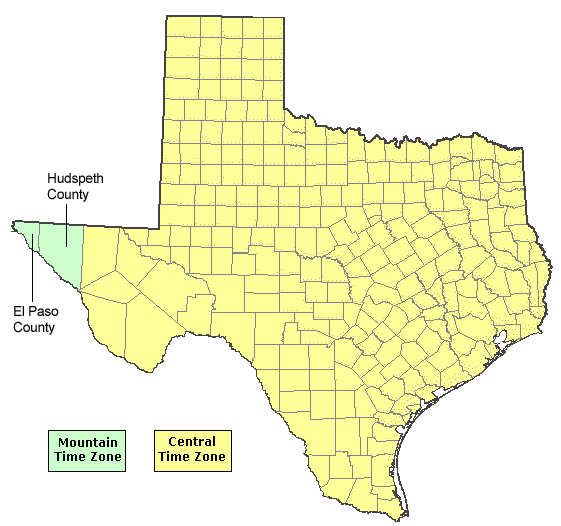
Texas, a state renowned for its sheer size, spans over 800 miles from east to west. This expansive geography naturally introduces a crucial element to the “what time is it” question: time zones. While the vast majority of the state adheres to one primary time zone, a significant exception exists, impacting travel plans and daily routines in certain regions.
Central Time Zone (CT) in the Heart of Texas
The overwhelming majority of Texas operates on the Central Time Zone (CT), observed as UTC-6 during standard time and UTC-5 during Daylight Saving Time. This means that major urban centers and popular tourist destinations like Houston, Dallas, Austin, San Antonio, and Fort Worth all share the same clock. When you book a flight into Dallas/Fort Worth International Airport or reserve a suite at the Omni Dallas Hotel, you’ll be operating on Central Time. This uniformity simplifies planning for most visitors, allowing for straightforward scheduling of everything from Space Center Houston tours to dinner reservations along San Antonio’s River Walk. Understanding this baseline is fundamental for anyone looking to immerse themselves in the rich tapestry of Texas tourism, from vibrant city life to charming small towns.
Far West Texas and the Mountain Time Zone (MT) Anomaly
The exception to the Central Time rule lies in the far western reaches of the state. El Paso and portions of Hudspeth County observe the Mountain Time Zone (MT), which is UTC-7 during standard time and UTC-6 during Daylight Saving Time. This means that if you’re traveling from Austin to El Paso, you’ll need to adjust your clock back one hour. This seemingly small detail is critical for itineraries that include crossing this temporal boundary, especially for those venturing to explore the breathtaking landscapes of Big Bend National Park or the unique art installations in Marfa. While Big Bend National Park itself primarily falls within Central Time, its proximity to the Mountain Time Zone can create confusion. Always double-check local times when exploring this rugged, beautiful frontier to avoid missing sunset views or guided tours. The Hotel ZaZa Houston Museum District will be on a different schedule than a cozy guesthouse in El Paso, making awareness of these zones paramount for smooth transitions between diverse Texas destinations.
Daylight Saving Time: Spring Forward, Fall Back
Like most of the United States, Texas observes Daylight Saving Time (DST). This means that on the second Sunday in March, clocks “spring forward” one hour, effectively extending daylight into the evening. Conversely, on the first Sunday in November, clocks “fall back,” returning to standard time. This annual adjustment significantly impacts travel planning, especially for visitors accustomed to different DST schedules or those arriving from countries that do not observe it. For instance, a booking at the historic The Driskill Hotel in Austin for an early spring weekend will require checking whether DST has already begun. The extra hour of daylight during spring and summer months can be a huge advantage for travelers, allowing more time to enjoy outdoor Texas attractions like Barton Springs Pool or an evening stroll along Galveston’s historic Strand. Conversely, shorter daylight hours in late fall and winter might necessitate an earlier start for exploring Palo Duro Canyon State Park or visiting the Texas State Capitol.
Time-Sensitive Travel: Optimizing Your Texas Itinerary
Beyond understanding the clock itself, the “time of day” and “time of year” are critical elements for maximizing your Texas experience. Each segment of the day offers unique opportunities, while seasonal variations dictate everything from festival schedules to weather-dependent outdoor activities. Thoughtful planning around these rhythms is the hallmark of a truly successful Texas trip.
Morning Adventures and Early Bird Experiences
The early hours in Texas offer a serene start before the heat and crowds fully set in, especially during peak seasons. For nature enthusiasts, an early morning hike at Enchanted Rock State Natural Area allows you to conquer the dome before the midday sun. In cities like Dallas, a sunrise jog along the Klyde Warren Park offers a peaceful perspective of the Dallas Arts District as it awakens. History buffs might find fewer crowds for contemplation at The Alamo in San Antonio shortly after opening, allowing for a more intimate connection with this pivotal landmark. Many Texas hotels and resorts, such as the JW Marriott San Antonio Hill Country Resort & Spa, offer early breakfast options and fitness facilities, catering to those who prefer to start their day with vigor. For business travelers, early mornings are often ideal for undisturbed work before meetings commence.
Afternoon Delights: Culture, Cuisine, and Relaxation
As the day progresses, the Texas afternoon unfolds with a plethora of cultural, culinary, and leisurely pursuits. This is the prime time for exploring world-class museums, such as the Sixth Floor Museum in Dallas or the numerous institutions in the Houston Museum District. Lunchtime is a vibrant affair, with options ranging from iconic BBQ joints across the state to upscale dining establishments in Austin. For those seeking relaxation, an afternoon by the pool at a South Padre Island resort or a spa treatment at The Adolphus Hotel in Dallas provides a welcome respite. Afternoon hours are also perfect for shopping in quaint boutiques or exploring the vibrant local markets that showcase Texas’ unique crafts and produce. For family trips, many attractions like zoos and aquariums are fully operational, offering interactive experiences for all ages.
Evening Entertainment and Stargazing Opportunities
When the Texas sun begins to set, the state transforms, offering an entirely new array of experiences. Evenings are dedicated to savoring exquisite Texas cuisine, from sizzling fajitas to gourmet farm-to-table dishes, often accompanied by live music. Legendary venues like Gruene Hall, the oldest continually operating dance hall in Texas, come alive with country and Americana tunes. Austin, the “Live Music Capital of the World,” offers countless options for every musical taste. In Houston, you might catch a Broadway show or an opera performance. For a unique experience, head out to West Texas for unparalleled stargazing; the dark skies around Big Bend National Park or the mysterious Marfa lights provide a celestial spectacle. Evenings also bring cooler temperatures, making it a perfect time for leisurely strolls in city parks or along scenic waterfronts.

When to Visit Texas: Seasonal Timing for Unforgettable Experiences
The question “What time is it in Texas?” also extends to the “time of year,” as each season paints a different picture of the state and offers distinct travel experiences. From spring’s vibrant blooms to winter’s festive cheer, choosing the right season can dramatically enhance your journey.
Spring Blooms and Festival Fever
Spring (March to May) is arguably the most beautiful time to visit Texas. The weather is typically mild and pleasant, and the state explodes with wildflowers, most famously the iconic bluebonnets. Driving through the Texas Hill Country during this period is a breathtaking experience. This season is also synonymous with festivals. Austin hosts South by Southwest (SXSW), a world-renowned festival of film, interactive media, and music, while Houston kicks off the Houston Livestock Show and Rodeo. San Antonio celebrates with Fiesta San Antonio, a city-wide party brimming with parades, music, and vibrant culture. Spring is an ideal time for outdoor activities and exploring Texas landmarks without the intense summer heat. Accommodation bookings fill up fast, so advanced planning is crucial for securing your preferred suites or villas.
Summer Sun and Water Fun
Summer (June to August) in Texas means heat, but it also means an abundance of water-centric activities and vibrant outdoor events. Coastal towns like Galveston and South Padre Island become popular havens for beachgoers, offering swimming, surfing, and fishing. Inland, rivers like the Guadalupe and Comal are perfect for tubing and kayaking. Many cities host free outdoor concerts and movie nights, taking advantage of the long daylight hours. While midday might be best spent indoors enjoying air-conditioned attractions or relaxing by a hotel pool, mornings and evenings are perfect for exploring. For family trips, summer offers extended school breaks, making it a prime time for road trips to theme parks or state parks.
Autumn Hues and Outdoor Exploration
Fall (September to November) brings a welcome coolness, making it another fantastic time to visit Texas. The intense summer heat dissipates, creating ideal conditions for hiking, biking, and exploring the state’s natural beauty. While Texas isn’t famous for traditional fall foliage like New England, areas like Lost Maples State Natural Area offer stunning autumnal colors. Sports enthusiasts flock to college football games, an integral part of Texas culture. Festivals continue into the fall, with highlights like the Austin City Limits Music Festival drawing massive crowds. The pleasant weather is perfect for tourism activities that involve extended outdoor time, from exploring historic districts to visiting ranch attractions.
Winter Wonders and Holiday Cheer
Winter (December to February) in Texas is generally mild compared to northern states, though colder fronts can bring freezing temperatures to the Panhandle and occasional ice to central and eastern areas. This season is characterized by holiday festivities, with cities adorned in dazzling light displays. San Antonio’s River Walk is particularly enchanting with millions of twinkling lights. Many resorts and hotels offer special holiday packages and events. Winter is also an excellent time for birdwatching, particularly along the Gulf Coast, as migratory birds make their way south. For those seeking a break from severe winter weather elsewhere, Texas offers a temperate escape with plenty of indoor attractions like museums and performing arts venues.
Accommodation and Local Culture: Syncing with Texas Time
Successfully navigating Texas also means understanding how local time influences aspects of accommodation and cultural experiences. From check-in times to dining habits, these considerations ensure a smooth and enjoyable visit.
Hotel Check-ins and Resort Schedules
When booking hotels or apartments in Texas, standard check-in times are usually in the mid-afternoon (e.g., 3:00 PM or 4:00 PM CT/MT), with check-out typically around 11:00 AM or 12:00 PM. It’s crucial to confirm these times directly with your chosen accommodation, especially if you’re arriving early or departing late. Many resorts and larger hotels offer amenities like luggage storage or early check-in/late check-out options, sometimes for an additional fee. Understanding the local time zone becomes especially critical for connecting flights or long drives across the state. A delayed arrival due to time zone oversight could mean missing your confirmed check-in window. Whether you’re staying in a luxurious villa or a budget-friendly suite, being mindful of these schedules is essential.
Dining Rhythms and Texas Hospitality
The dining scene in Texas follows fairly standard American meal times, but with a distinct Texas flair. Breakfast is typically served from early morning until 10:00 AM or 11:00 AM. Lunch hours are generally from 11:30 AM to 2:00 PM, and dinner service often begins around 5:00 PM, extending into the late evening, especially in larger cities like Houston and Austin. It’s not uncommon for popular restaurants to have long wait times during peak dinner hours (6:30 PM – 8:30 PM), so making reservations, particularly for fine dining experiences or on weekends, is highly recommended. Many establishments offer happy hour specials in the late afternoon, providing an excellent opportunity to sample local beverages and appetizers. Embracing these dining rhythms is part of experiencing authentic Texas hospitality and a core component of its local culture.

Uncovering Local Events and Attractions
Finally, synchronizing your visit with the local event calendar can elevate your Texas travel from good to extraordinary. From seasonal agricultural fairs in small towns to major music festivals, there’s always something happening. Checking local tourism board websites or our comprehensive Texas travel guides in advance can help you pinpoint specific events. Many Texas landmarks and attractions have specific operating hours that change seasonally, or on holidays, making real-time verification essential. For example, visiting Cadillac Ranch is an open-air experience accessible at any time, but tours of the Texas State Capitol adhere to strict schedules. Whether it’s attending a rodeo, exploring a historic mission, or simply enjoying the sunset over a vast Texas landscape, knowing the current time in Texas – and how that time impacts local life – is the ultimate tool for a well-planned and deeply enriching journey.
LifeOutOfTheBox is a participant in the Amazon Services LLC Associates Program, an affiliate advertising program designed to provide a means for sites to earn advertising fees by advertising and linking to Amazon.com. Amazon, the Amazon logo, AmazonSupply, and the AmazonSupply logo are trademarks of Amazon.com, Inc. or its affiliates. As an Amazon Associate we earn affiliate commissions from qualifying purchases.