
Planning a trip to Orlando, Florida, often conjures images of sun-drenched theme parks, thrilling rides, and the promise of unforgettable experiences. But before you pack your bags and book your flights, a crucial element of any successful vacation planning comes into play: understanding the weather. Orlando‘s climate significantly influences what you’ll do, what you’ll wear, and how comfortable your entire stay will be. This guide delves into the nuances of Orlando‘s weather throughout the year, offering insights to help you make the most of your travel to this vibrant tourist destination.
Orlando is known for its subtropical climate, characterized by hot, humid summers and mild, pleasant winters. This means that regardless of when you choose to visit, you can generally expect sunshine, though the intensity and accompanying conditions will vary. Understanding these seasonal shifts is key to optimizing your tourism plans, whether you’re a family embarking on a family trip, a couple seeking a romantic getaway, or a solo traveler looking for adventure.

Orlando’s Climate Breakdown: A Year-Round Perspective
Orlando experiences distinct seasons, each with its own unique weather patterns and implications for your visit. From the sweltering heat of summer to the gentle breezes of spring and fall, and the cooler, drier days of winter, knowing what to expect will help you pack appropriately and plan your daily activities.
Summer in Orlando: Embracing the Heat and Humidity
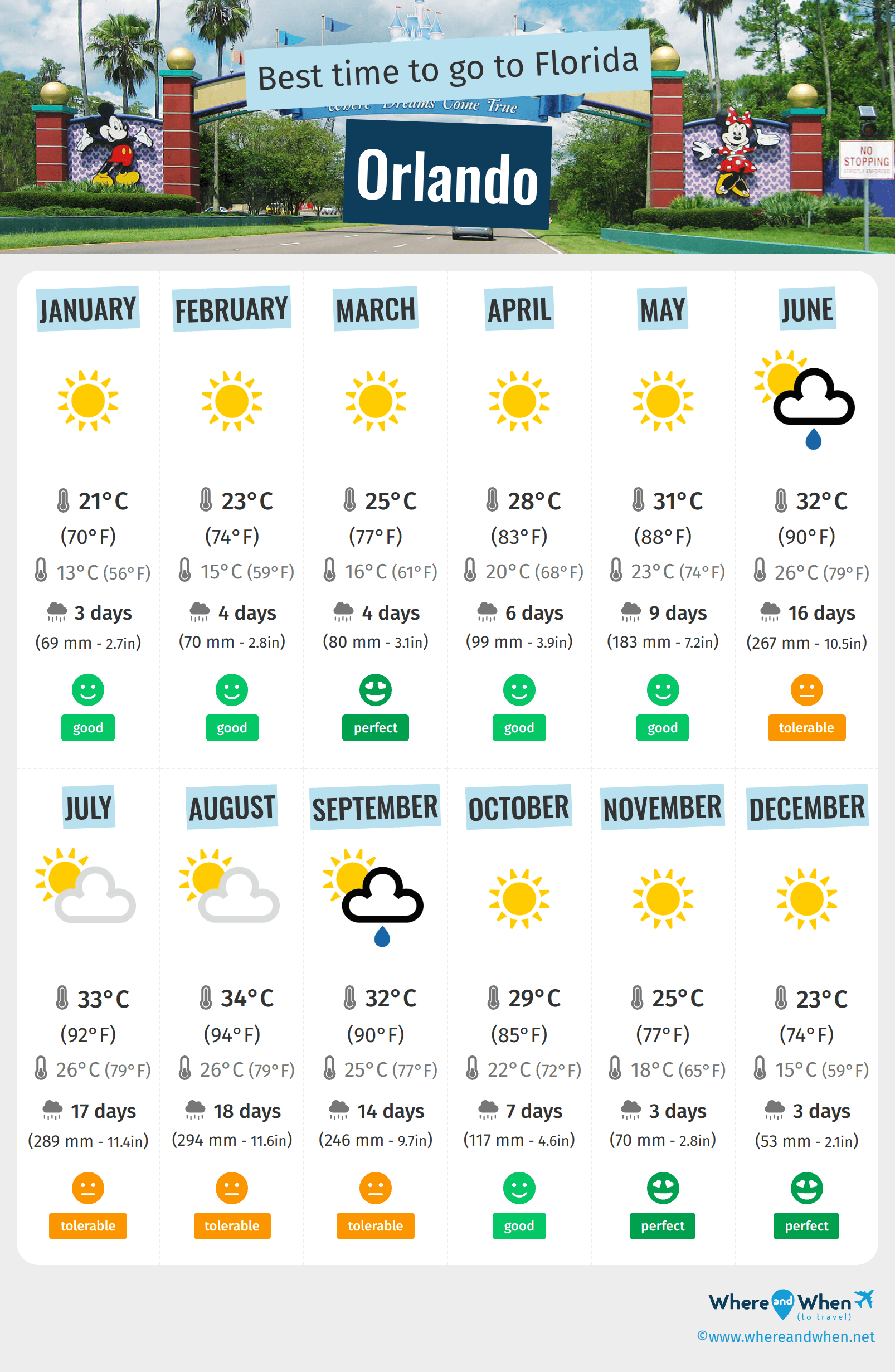
The summer months in Orlando, typically from June through August, are defined by their intense heat and high humidity. Average temperatures frequently reach into the high 80s and low 90s Fahrenheit (around 31-33 degrees Celsius), with the heat index often pushing the perceived temperature even higher due to the humidity. Afternoon thunderstorms are a daily occurrence during this period. These are often brief but can be quite dramatic, bringing heavy rain and lightning. While these storms can interrupt outdoor plans, they also offer a temporary reprieve from the heat.
Orlando‘s attractions, especially its world-famous theme parks like Walt Disney World Resort and Universal Orlando Resort, remain open during these storms, and many visitors find that the crowds can sometimes thin out slightly during a downpour. It’s essential to stay hydrated, seek shade frequently, and take advantage of indoor attractions or shows during the hottest parts of the day. The evenings generally offer slightly cooler temperatures, making them ideal for exploring International Drive or enjoying dinner at one of Orlando‘s many fantastic restaurants.
When visiting during the summer, lightweight, breathable clothing is a must. Think cotton, linen, and moisture-wicking fabrics. Sunscreen, hats, and sunglasses are non-negotiable. Don’t forget a compact umbrella or a poncho for those sudden showers. Staying in a hotel with a great pool, such as the Grand Bohemian Hotel Orlando, can be a lifesaver during hot summer days, offering a chance to cool off and relax.
Autumn in Orlando: A Sweet Spot for Travelers
The fall season, from September through November, is often considered one of the most pleasant times to visit Orlando. The oppressive heat and humidity of summer begin to subside, giving way to more comfortable temperatures. Average highs tend to be in the mid-70s to low 80s Fahrenheit (around 24-28 degrees Celsius), with cooler evenings becoming more common. While the chance of rain still exists, the frequent, intense afternoon thunderstorms of summer become less prevalent.
This is a prime time for tourism in Orlando, with perfect weather for exploring outdoor landmarks and enjoying the numerous festivals and events that pop up. Halloween celebrations at the theme parks are a major draw, and the pleasant weather makes navigating the park grounds much more enjoyable. For those interested in the local culture and food, fall offers a fantastic opportunity to dine al fresco and explore Orlando‘s diverse culinary scene.
Packing for fall in Orlando is generally easier. Layers are a good idea, as mornings and evenings can be cooler than the afternoons. A light jacket or sweater is advisable. You’ll still need sunscreen and sun protection, as the Florida sun can still be strong, but you might find yourself reaching for it less frequently than in peak summer. Consider booking accommodation during this period well in advance, as it’s a popular time for visitors.
Winter in Orlando: Mild and Sunny Escapes
Orlando‘s winters, from December through February, are mild and generally sunny, offering a welcome escape for those coming from colder climates. Temperatures typically range from the comfortable 60s to low 70s Fahrenheit (around 16-22 degrees Celsius) during the day, with nights occasionally dipping into the 40s or 50s Fahrenheit (around 4-10 degrees Celsius). Freezing temperatures are rare but not unheard of.
This season is ideal for outdoor activities and exploring Orlando‘s many attractions without the intense heat. It’s perfect for walking around ICON Park, visiting Lake Eola Park, or taking day trips to nearby coastal cities like Cocoa Beach. The holiday season in Orlando is particularly magical, with festive decorations and events at the theme parks and throughout the city.
For winter visits, pack layers. A light jacket or sweater is essential for cooler evenings and mornings, while short sleeves are perfectly acceptable for most daytime excursions. Comfortable walking shoes are a must, as you’ll likely be doing a lot of exploring. If you plan on enjoying water-based activities, a light jacket or sweatshirt might be useful for before and after. Many resorts, like the Hyatt Regency Orlando, offer heated pools, making them enjoyable even on cooler days.
Spring in Orlando: Blooming Beauty and Pleasant Breezes
The spring season, from March through May, mirrors the pleasant conditions of the fall, making it another highly desirable time to visit Orlando. Temperatures gradually warm up from the mild winter, with average highs in the 70s and 80s Fahrenheit (around 21-28 degrees Celsius). Humidity levels are generally lower than in the summer, and the chance of significant rainfall is moderate.
Spring is a vibrant time in Orlando, with the city often in bloom and the weather conducive to all sorts of experiences. This is a fantastic period for exploring outdoor landmarks, playing golf, or simply enjoying the pleasant ambiance of the destination. Spring break can bring larger crowds, especially in March and April, so booking accommodation and attractions in advance is recommended.
Packing for spring is similar to fall. Layers are key, allowing you to adapt to varying temperatures throughout the day. Light, comfortable clothing is the norm. Sunscreen remains important, as the Florida sun can be quite potent, even in early spring. This season offers a perfect balance of warm sunshine and comfortable temperatures, making it an excellent choice for a wide range of lifestyle preferences, from budget travel to luxury travel.
Planning Your Orlando Trip Around the Weather
Understanding Orlando‘s weather is more than just a matter of packing; it influences every aspect of your trip, from accommodation choices to the activities you prioritize.
Choosing the Right Accommodation and Activities
The season you choose to visit Orlando can significantly impact your accommodation choices and the types of activities you’ll enjoy most. For instance, during the hot summer months, opting for a resort with multiple pools, lazy rivers, or indoor water parks, like Gaylord Palms Resort & Convention Center, can be a game-changer. You might also prioritize apartments or villas with private pools for more control over your cooling-off options. Indoor entertainment attractions, museums, and extensive shopping malls become more appealing during the hottest parts of the day or during rain showers.
In cooler months, you might be more inclined to book a hotel with balconies to enjoy the pleasant air, or choose accommodation closer to outdoor landmarks and parks that are best explored on foot. Activities like hot air balloon rides over Central Florida, exploring the Orlando Wetlands Park, or enjoying outdoor dining become more viable and enjoyable.
Packing Smart for Every Season
Your wardrobe should be a direct reflection of Orlando‘s weather during your visit.
- Summer: Lightweight, moisture-wicking fabrics, sundresses, shorts, t-shirts, wide-brimmed hats, sunglasses, strong sunscreen, a reusable water bottle, and a compact umbrella or poncho.
- Fall & Spring: Layers are your best friend. Pack t-shirts, long-sleeved shirts, a light jacket or sweater, comfortable pants or shorts, and walking shoes. Don’t forget sunscreen and sunglasses.
- Winter: Similar to fall and spring, but with slightly warmer layers. Think long-sleeved shirts, sweaters, a light to medium jacket, and perhaps some long pants. Evenings can get cool enough for a light scarf.

Embracing Orlando’s Weather for a Better Experience
Ultimately, Orlando‘s weather, while it has its challenges, is an integral part of the Florida experience. The sunshine fuels the magic of the theme parks, the dramatic thunderstorms add a touch of tropical flair, and the mild winters make it a year-round paradise. By understanding the climate and planning accordingly, you can ensure your Orlando adventure is filled with fun, comfort, and lasting memories, no matter when you choose to visit this enchanting destination. Whether you’re seeking thrill rides, relaxing by a pool, or immersing yourself in the local culture, a little weather awareness goes a long way in crafting the perfect trip.
LifeOutOfTheBox is a participant in the Amazon Services LLC Associates Program, an affiliate advertising program designed to provide a means for sites to earn advertising fees by advertising and linking to Amazon.com. Amazon, the Amazon logo, AmazonSupply, and the AmazonSupply logo are trademarks of Amazon.com, Inc. or its affiliates. As an Amazon Associate we earn affiliate commissions from qualifying purchases.