
When planning a trip to the Sunshine State, particularly to the vibrant city of Orlando, Florida, understanding its time zone is a crucial piece of logistical information. This knowledge isn’t just about knowing what time it is; it impacts everything from flight schedules and dining reservations to coordinating with local attractions and ensuring you don’t miss out on any of the magical experiences Orlando has to offer. Many visitors, especially those traveling from different parts of the United States or even internationally, find themselves asking, “What time zone is Orlando, FL in?” The answer, while straightforward, has implications for how you structure your vacation and manage your time effectively.
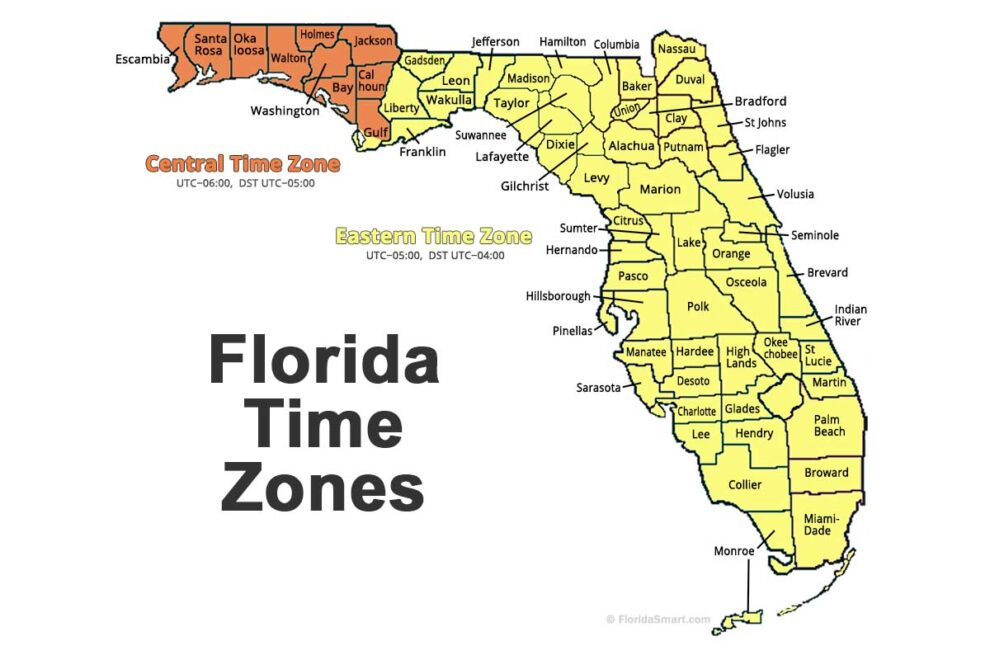
Orlando operates on Eastern Standard Time (EST) during the colder months and transitions to Eastern Daylight Time (EDT). This is part of the larger Eastern Time Zone (ET), which encompasses a significant portion of the eastern half of North America. For most of the year, this means Orlando is three hours ahead of Pacific Standard Time (PST), the time zone observed in places like California and Washington. It’s also one hour ahead of Central Standard Time (CST), which covers states like Texas and Illinois. Understanding this difference is vital for making accurate connections, whether you’re booking a red-eye flight into Orlando International Airport (MCO) or arranging a crucial business meeting.
The observance of Daylight Saving Time means that clocks are typically moved forward by one hour in the spring and back by one hour in the autumn. This shift is a widespread practice designed to maximize daylight during waking hours. For Orlando, this means that during the spring and summer months, the city observes Eastern Daylight Time (EDT). Once Daylight Saving Time concludes, it reverts to Eastern Standard Time (EST). These changes usually occur on specific Sundays in March and November, respectively, and it’s a good practice for travelers to be aware of these dates when finalizing their travel plans, especially if their itinerary spans these transition periods.
Navigating Time Zones for Your Orlando Adventure
Understanding Orlando’s time zone is more than just a trivia point; it’s a fundamental aspect of travel planning that can significantly impact your Orlando experience. From the moment you book your flights to the daily activities you undertake, time is a constant factor.
Flight and Transportation Coordination
When booking flights to Orlando, whether you’re flying into Orlando International Airport (MCO) or Orlando Sanford International Airport (SFB), always confirm the arrival and departure times in the local Orlando time. This is especially critical if you’re flying from a different time zone. For instance, a flight departing Los Angeles at 10:00 AM PST will arrive in Orlando at approximately 6:00 PM EST, considering the three-hour difference and flight duration. Failing to account for this can lead to missed connections or arriving at your hotel much later than anticipated, potentially disrupting your initial plans.
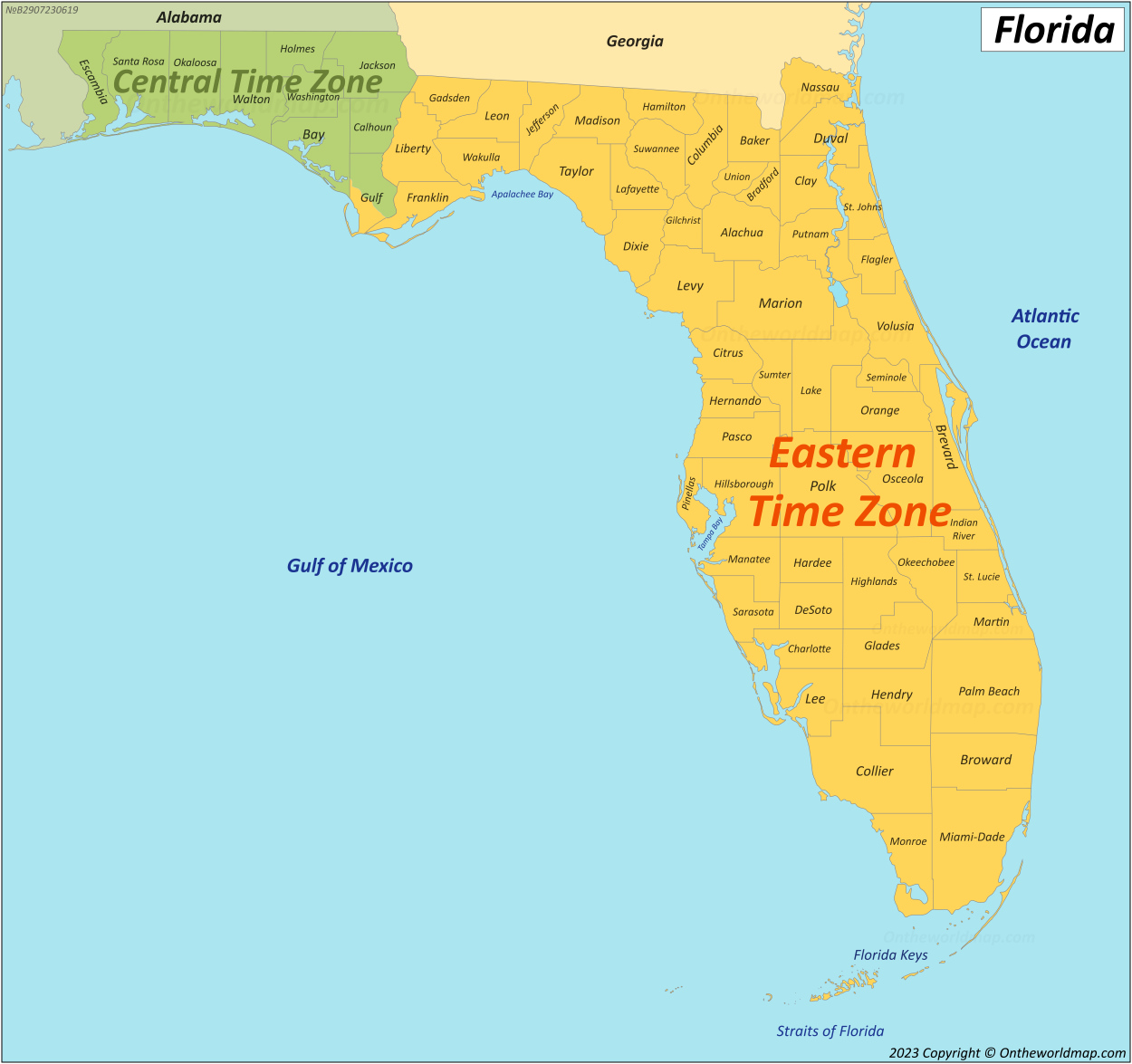
Car rental companies and shuttle services also operate on Orlando’s local time. Ensuring you book your rental car pickup or airport transfer for the correct local time will prevent any last-minute rushes or unnecessary waiting periods. If you’re planning a road trip from another part of Florida, such as Miami or Tampa, remember that these cities are also in the Eastern Time Zone, so you won’t need to adjust your watch for that leg of the journey. However, if your travels take you further west into the Panhandle, like Pensacola, you might cross into the Central Time Zone, requiring an adjustment.
Synchronizing with Attractions and Entertainment
Orlando is world-renowned for its theme parks, and a significant part of enjoying these attractions is understanding their operating hours, which are always listed in the local Orlando time. Walt Disney World Resort, with its iconic parks like Magic Kingdom, Epcot, Hollywood Studios, and Animal Kingdom, adheres strictly to Eastern Time. Similarly, Universal Orlando Resort, home to Universal Studios Florida and Islands of Adventure, and SeaWorld Orlando all operate on EST/EDT.
When planning your daily itinerary, factor in the time zone difference. If you’re coordinating with friends or family in a different time zone, make sure to specify the time in Orlando to avoid confusion. For example, if you want to catch a spectacular fireworks display at Walt Disney World, you’ll want to know the showtime as it’s presented in Orlando, not your home time zone. This also applies to making dining reservations at popular restaurants, booking tours, or attending shows. Many of Orlando’s renowned resorts, such as the Grand Floridian Resort & Spa or the Hard Rock Hotel Orlando, will also base their check-in and check-out times, as well as any scheduled activities, on the local Eastern Time.
Business and Professional Engagements
For those visiting Orlando for business purposes, adhering to the local time zone is paramount. Meetings, conferences, and trade shows are scheduled according to Eastern Time. If you are participating in events at the Orange County Convention Center, for instance, all timings will be in EST/EDT. Coordinating with colleagues or clients in other time zones requires careful attention. A conference call scheduled for 2:00 PM EST would be 11:00 AM PST or 12:00 PM CST. Mismanaging these timings can lead to missed opportunities or professional faux pas. Many business hotels in Orlando, such as the Hyatt Regency Orlando or the Marriott Orlando World Center, are equipped to handle the needs of business travelers, and their staff will be well-versed in local time conventions.
Understanding Daylight Saving Time in Orlando
The rhythm of Orlando’s day is influenced by Eastern Time, and a significant part of that rhythm involves the biannual shift for Daylight Saving Time (DST). This practice, adopted across much of North America, aims to make better use of daylight.
The Spring Forward and Fall Back
In Orlando, Daylight Saving Time typically begins on the second Sunday in March, when clocks are moved forward by one hour at 2:00 AM local time. This marks the transition from Eastern Standard Time (EST to Eastern Daylight Time (EDT). The effect is that sunsets occur an hour later, providing more daylight in the evenings during the spring and summer months. This extended daylight is particularly beneficial for tourists looking to enjoy outdoor activities, explore theme parks, or simply relax by the pool at their resort well into the evening.
Conversely, Daylight Saving Time concludes on the first Sunday in November, when clocks are set back by one hour at 2:00 AM. This signifies the return to Eastern Standard Time (EST). While the days may feel shorter, this change brings Orlando back into sync with standard time for the fall and winter seasons. It’s important for travelers to note these transition dates, especially if their travel plans fall around these periods. For example, arriving in Orlando on the weekend of the “spring forward” might mean your initial travel plans, based on the old time, need slight adjustments.
Impact on Daily Life and Travel Planning
The adoption of Daylight Saving Time has subtle but noticeable impacts. For those visiting Orlando during the spring and summer, the later sunsets mean you can often enjoy attractions like Universal’s Islands of Adventure or a leisurely stroll around Lake Eola Park until later in the evening. This extended daylight can allow for a more flexible and immersive travel experience, enabling visitors to pack more into their days without feeling rushed by the setting sun.
For international visitors, understanding EST/EDT relative to their home time zone is crucial. For instance, a traveler from London, United Kingdom, which observes Greenwich Mean Time (GMT or British Summer Time (BST), will find that Orlando is generally five hours behind during GMT and six hours behind during BST. This significant difference needs to be factored into communication, planning, and managing jet lag. Staying in a well-appointed hotel in Orlando, such as the Four Seasons Resort Orlando at Walt Disney World Resort, can provide a comfortable base to acclimate to the local time and schedule your activities accordingly.
Planning Your Orlando Itinerary with Time Zones in Mind
When you’re immersed in the magic of Orlando, the last thing you want is to be tripped up by time zone nuances. Proactive planning ensures your visit is seamless and enjoyable.
Leveraging Technology and Resources
In today’s connected world, keeping track of time zones is easier than ever. Most smartphones and smartwatches automatically adjust to local time when you travel to a new time zone. However, it’s always wise to double-check your device’s settings and perhaps even set a manual alarm for key events or connections. Many travel apps and websites provide real-time local times for destinations like Orlando. When researching Orlando’s attractions, such as the Kennedy Space Center Visitor Complex (though located in Titusville, it’s a popular day trip from Orlando), or planning a visit to the ICON Park observation wheel, confirm their opening and closing hours, which will invariably be presented in Eastern Time.
For those interested in the broader Florida tourism landscape, understanding the Eastern Time Zone helps when planning multi-city trips. Traveling from Orlando to Miami or the Florida Keys means staying within the same time zone. However, if your itinerary includes venturing into the Central Time Zone of the Florida Panhandle, like visiting Panama City Beach, a mental adjustment will be necessary. Websites dedicated to Florida travel often highlight these logistical details, ensuring visitors can plan their journeys effectively.

Accommodations and Local Insights
Choosing the right accommodation in Orlando can also contribute to a stress-free experience. Major hotels and resorts, from the luxurious Rosen Centre Hotel to budget-friendly options near International Drive, are accustomed to international travelers and will have staff readily available to answer questions about local time and schedules. Many accommodations offer digital concierge services or information boards that clearly display local times, event schedules, and important announcements.
When you’re exploring Orlando’s diverse offerings, from the thrills of Universal Studios to the educational experiences at the Orlando Science Center, remember that local businesses and services operate on Eastern Time. This includes everything from tour operators and dinner show venues to local transportation services. By being mindful of the time zone, you can maximize your enjoyment, avoid potential scheduling conflicts, and fully immerse yourself in the vibrant atmosphere of this popular tourist destination. So, when you ask, “What time zone is Orlando, FL in?”, the answer is the foundational element for a perfectly timed vacation.
LifeOutOfTheBox is a participant in the Amazon Services LLC Associates Program, an affiliate advertising program designed to provide a means for sites to earn advertising fees by advertising and linking to Amazon.com. Amazon, the Amazon logo, AmazonSupply, and the AmazonSupply logo are trademarks of Amazon.com, Inc. or its affiliates. As an Amazon Associate we earn affiliate commissions from qualifying purchases.