
When planning a trip to the Sunshine State, specifically to the magical city of Orlando, one of the most crucial pieces of information is the weather. Knowing the temperature in Orlando is not just about packing the right clothes; it’s about optimizing your entire travel experience, from choosing the best time to visit to planning your daily activities and selecting your ideal accommodation. Orlando, a premier destination for family trips, luxury travel, and thrilling experiences, boasts a climate that generally favors outdoor adventures, but understanding its nuances can elevate your stay from good to unforgettable.

The city’s geographical location in central Florida dictates its subtropical climate, characterized by warm to hot summers and mild winters. This means that regardless of when you choose to visit, you’re likely to encounter pleasant temperatures, but significant variations do exist throughout the year, influencing everything from the crowds at Walt Disney World to the availability of outdoor dining options. Whether you’re dreaming of exploring the enchanting theme parks, lounging by a resort pool, or immersing yourself in the local culture, understanding Orlando‘s weather patterns is your first step towards a seamless and enjoyable vacation.
Orlando’s Climate: A Seasonal Overview
Orlando‘s climate is predominantly shaped by its proximity to the coast and its position within the humid subtropical zone. This results in a distinct wet season and a dry season, with temperatures remaining relatively consistent year-round, though with noticeable differences between summer and winter. For travel enthusiasts, this consistency is a boon, but the subtle shifts can impact the vibrancy of your visit.
Summer (June – August): The Height of Heat and Humidity
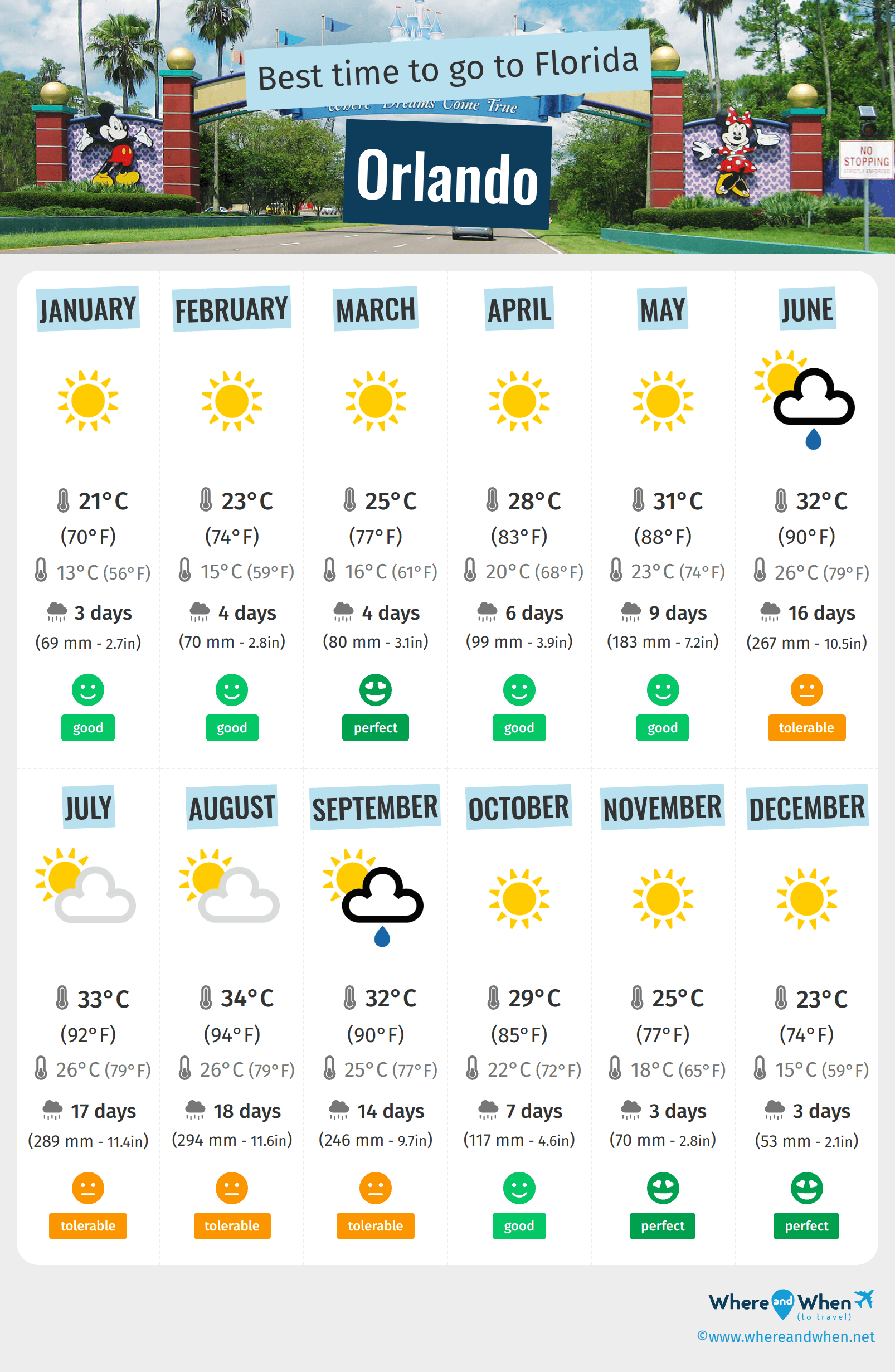
Summers in Orlando are undeniably hot and humid, a hallmark of Florida‘s tropical embrace. Daytime temperatures frequently soar into the upper 80s and lower 90s Fahrenheit (around 31-33°C), with the heat index often pushing into the triple digits due to the high humidity. Mornings tend to be the most comfortable part of the day, offering a brief respite before the sun’s intensity peaks.
The summer months also coincide with Orlando‘s wet season, meaning that afternoon thunderstorms are a daily occurrence. These storms are typically brief but can be intense, characterized by heavy rain, lightning, and gusty winds. While they can disrupt outdoor plans, they also provide a welcome, albeit temporary, cooling effect. For visitors, this means packing light, breathable clothing is essential. Think cotton t-shirts, shorts, and sundresses. Staying hydrated is paramount, and planning indoor attractions or shaded experiences for the hottest parts of the day, especially during the afternoon, is a wise strategy.
This is also peak travel season for many, particularly family trips to the theme parks, so expect larger crowds and longer wait times. However, the extended daylight hours and the sheer exuberance of the season make it a popular choice for those seeking a quintessential Florida vacation. Resorts and hotels often feature impressive pool areas, providing a perfect escape from the heat. Consider booking accommodation with excellent air conditioning and perhaps even a suite with private amenities for added comfort.
Autumn (September – November): A Transition to Pleasantness
As the calendar turns to autumn, Orlando begins to shed its intense summer heat and humidity. September still carries the lingering warmth and moisture of summer, but by October and November, the weather becomes remarkably pleasant. Temperatures begin to dip, with average highs in the mid-70s to low 80s Fahrenheit (around 24-28°C) in October, and even cooler in November, often in the 70s Fahrenheit (around 21-24°C).
The humidity also decreases significantly, making outdoor activities and exploring landmarks much more comfortable. The afternoon thunderstorms become less frequent, offering more predictable weather for theme park visits and outdoor dining. This transition period is highly sought after by travelers looking to enjoy the attractions without the extreme heat of summer. Consequently, while crowds might still be present, especially around holidays like Halloween at Walt Disney World, they are generally more manageable than in the peak summer months.
This is an ideal time for exploring Orlando‘s natural beauty, visiting places like Wekiwa Springs State Park, or enjoying a leisurely stroll through the historic Winter Park. Hotels and resorts might offer slightly better rates as the summer rush subsides, making it a good period for those seeking a balance of good weather and value. Packing layers becomes a good idea, as mornings and evenings can be cooler, especially in November.
Winter (December – February): Mild and Inviting
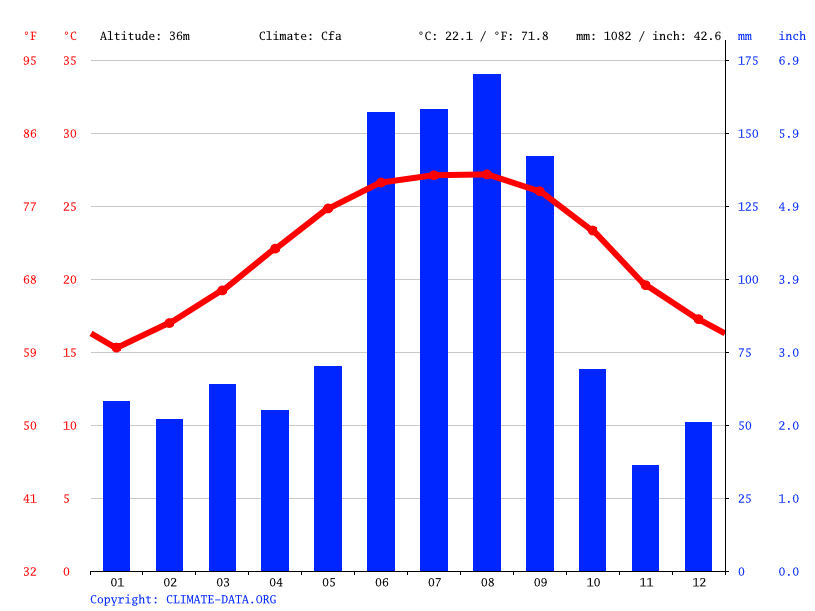
Orlando‘s winters are a welcome contrast to the harsh cold experienced by many other parts of the country. The season is characterized by mild temperatures, with average highs typically ranging from the mid-60s to the low 70s Fahrenheit (around 18-22°C). While occasional cold fronts can bring cooler days, dipping into the 50s Fahrenheit (around 10-15°C), they are usually short-lived. Evenings can be crisp, often dropping into the 40s Fahrenheit (around 4-9°C), necessitating a light jacket or sweater.
This is often considered one of the best times to visit Orlando, especially for family trips and those who prefer cooler weather for exploring theme parks and attractions. The low humidity and sunny skies contribute to a very pleasant atmosphere. Crowd levels can be higher around the Christmas and New Year holidays, but outside of these periods, you might find fewer queues.
Winter also brings unique seasonal events to Orlando, such as the dazzling holiday decorations at Walt Disney World and Universal Orlando Resort. The mild weather is perfect for enjoying outdoor dining, visiting landmarks like the iconic Cinderella Castle, or exploring the city’s vibrant food scene. For accommodation, you might find a good range of options, from cozy apartments for longer stays to luxurious resorts offering heated pools, which can be particularly enjoyable during the cooler evenings.
Spring (March – May): Warming Up to Summer
Spring in Orlando marks a gradual transition from the mild winter to the hot summer. March typically maintains the pleasant temperatures of late winter, with highs in the low 70s Fahrenheit (around 21-23°C). As April and May approach, temperatures begin to climb steadily, with highs reaching the upper 80s Fahrenheit (around 31°C) by May. The humidity also starts to increase, heralding the approaching wet season.
The spring months are another popular time for travel to Orlando, especially during Spring Break. This period can see significant crowds at the theme parks and attractions. The weather is generally excellent for outdoor activities, with plenty of sunshine and warm temperatures. However, those sensitive to heat and humidity might find late spring a bit more challenging as the summer conditions begin to manifest.
Packing for spring involves a mix of lighter clothing for warmer days and a light jacket for cooler mornings and evenings. The increased daylight hours are perfect for exploring beyond the theme parks, perhaps visiting ICON Park or enjoying the many golf courses the area offers. Accommodation prices can fluctuate significantly due to Spring Break demand, so booking well in advance is recommended, especially if you’re looking for specific hotels or resorts.
Planning Your Orlando Visit Based on Temperature
The prevailing temperatures in Orlando play a significant role in shaping the ideal travel itinerary. Understanding the nuances of each season allows for better planning, ensuring you maximize your enjoyment and minimize discomfort, whether you’re seeking adventure, relaxation, or a blend of both.
Optimizing Theme Park Experiences
For many, the primary draw to Orlando is its world-renowned theme parks, such as those operated by Walt Disney World Resort and Universal Orlando Resort. The temperature directly impacts the comfort level within these expansive parks.
In the hot summer months, visiting theme parks requires strategic planning. Early mornings are crucial for experiencing popular rides with shorter wait times and cooler temperatures. Staying hydrated is paramount; carry a reusable water bottle and take advantage of the water fountains throughout the parks. Plan for mid-day breaks in air-conditioned shows, restaurants, or indoor attractions like Harry Potter and the Forbidden Journey. Evening visits can also be more pleasant as the heat subsides. Consider packing a small, portable fan and staying in accommodation close to the parks for easy access and return trips.
During the cooler months of autumn and winter, theme park visits are generally more comfortable. You can spend longer periods outdoors without overheating. However, be prepared for cooler evenings. Layers are essential, allowing you to adjust your clothing as the temperature changes throughout the day. The possibility of rain is lower in winter, offering more predictable park days. Spring Break can be busy, but the pleasant temperatures make exploring the parks enjoyable, though crowds necessitate advanced planning and potential use of express passes.
Embracing Outdoor Activities and Attractions
Beyond the theme parks, Orlando offers a wealth of outdoor activities and attractions. The temperature dictates the suitability of these experiences.
Spring and autumn are the prime seasons for exploring Orlando‘s natural side. Visiting Wekiwa Springs State Park for a refreshing swim or a hike is ideal when the temperatures are in the 70s and 80s Fahrenheit (around 21-28°C). The cooler weather also makes it more enjoyable to explore outdoor shopping and dining districts like Disney Springs or Universal CityWalk without the oppressive heat.
During summer, outdoor activities need to be scheduled for early mornings or late afternoons. Water-based activities like kayaking on the St. Johns River or visiting water parks are excellent ways to beat the heat. Evening strolls through the beautiful Harry P. Leu Gardens can be a magical experience as the sun sets.
Winter offers a unique opportunity for year-round outdoor fun. Evenings might require warmer clothing, but daytime temperatures are perfect for golfing, visiting outdoor markets, or exploring the city’s numerous parks. This is also a great time for those who prefer not to swim in cooler outdoor pools, as they might feel less inviting than during warmer months.
Selecting Your Ideal Accommodation
The temperature in Orlando can influence your choice of accommodation, particularly regarding amenities and location.
For summer travelers, properties with excellent air conditioning are a must. Having access to a well-maintained swimming pool, ideally a heated one if you plan to visit during the shoulder seasons with cooler evenings, can be a significant perk. Resorts offering shaded areas around the pool or indoor play areas for children can also be highly beneficial. Consider booking a suite or a villa with private outdoor space if you prefer a more secluded relaxation area.
In cooler months, while air conditioning is still necessary, the emphasis shifts. Properties with outdoor spaces like balconies or patios become more appealing for enjoying the mild weather. Heated pools are a definite advantage, allowing for year-round swimming. If you’re planning a longer stay, apartments or villas offering kitchens can help manage food costs, allowing you to prepare meals and eat during the cooler parts of the day.
For those seeking a budget travel approach, understanding the shoulder seasons (late spring, early autumn) when the weather is pleasant but crowds are slightly lower might yield better rates on hotels and apartments. Conversely, peak travel times like summer and holidays will command higher prices, regardless of the specific temperature.
Packing Smart for Orlando’s Climate
Successfully packing for Orlando hinges on understanding its prevailing temperatures and humidity levels. The goal is to be comfortable, prepared, and ready to embrace all the city has to offer.
Summer Essentials: Beating the Heat
When visiting Orlando during the summer months (June to August), lightweight, breathable fabrics are your best friends. Think cotton, linen, and moisture-wicking materials. Pack:
- Lightweight clothing: T-shirts, tank tops, shorts, skirts, and sundresses.
- Swimwear: Essential for pools, water parks, and even the beach if you plan a day trip.
- Sun protection: A wide-brimmed hat, sunglasses, and high SPF sunscreen are non-negotiable.
- Comfortable walking shoes: You’ll be doing a lot of walking in the theme parks. Breathable sneakers or comfortable sandals are ideal.
- Light rain gear: A compact umbrella or a lightweight, packable rain jacket is crucial for those daily afternoon thunderstorms.
- Reusable water bottle: Staying hydrated is key. Many parks have water fountains for refilling.
- Insect repellent: Especially important for evenings and any nature-based activities.
Transitional Seasons (Spring & Autumn): Layering is Key
For spring (March to May) and autumn (September to November), the weather is more variable. Packing layers allows you to adapt to temperature fluctuations.
- Base layers: T-shirts and light tops.
- Mid-layers: A light sweater, cardigan, or a long-sleeved shirt for cooler mornings and evenings.
- Outer layer: A light jacket or windbreaker, particularly for November or early March.
- Pants and shorts: A mix is advisable. Jeans can be comfortable for cooler days, while shorts are suitable for warmer afternoons.
- Comfortable footwear: Continue with comfortable walking shoes, perhaps with socks for cooler days.
- Rain protection: While less frequent than in summer, spring and autumn can still bring showers. A light rain jacket or umbrella is still recommended.
Winter Wisely: Mild but Potentially Cool
Orlando‘s winters (December to February) are generally mild, but it’s wise to be prepared for cooler spells.
- Long-sleeved shirts and trousers: These will form the base of your wardrobe.
- Sweaters and fleeces: Essential for layering during cooler mornings and evenings.
- A warmer jacket: A medium-weight jacket or a coat will be necessary for colder days or evenings.
- Closed-toe shoes: Boots or comfortable sneakers are suitable.
- Scarf and gloves: Optional, but can be nice for particularly chilly mornings.
- Pajamas: Consider slightly warmer pajamas if you tend to feel the cold.
Regardless of the season, comfortable walking shoes are a universal necessity for any Orlando trip. The lifestyle of Orlando is active and geared towards exploration, so prioritizing footwear that supports long days of walking through its many attractions and landmarks is fundamental. By considering the temperature and humidity, you can pack smarter, ensuring your travel to Orlando is as comfortable and enjoyable as possible.
LifeOutOfTheBox is a participant in the Amazon Services LLC Associates Program, an affiliate advertising program designed to provide a means for sites to earn advertising fees by advertising and linking to Amazon.com. Amazon, the Amazon logo, AmazonSupply, and the AmazonSupply logo are trademarks of Amazon.com, Inc. or its affiliates. As an Amazon Associate we earn affiliate commissions from qualifying purchases.