
The dream of a magical kingdom, a place where fantasy and reality intertwine, began long before guests first stepped foot onto its hallowed grounds. Walt Disney World Resort in Orlando, Florida, is not just an amusement park; it’s a sprawling destination that has redefined theme park experiences and become a global icon of family entertainment. Understanding its genesis, the meticulous planning, and the actual construction timeline is key to appreciating the monumental achievement it represents. The question “When was Disney World built in Orlando?” leads us on a fascinating journey through visionary thinking, groundbreaking engineering, and the creation of an unparalleled tourism hub.
The seeds for Disney World were sown in the mind of Walt Disney himself, who envisioned a much larger and more ambitious project than his initial success, Disneyland in Anaheim, California. He desired a destination that offered not only rides and attractions but also a place for innovation, education, and a true escape from the everyday. The concept of an “Experimental Prototype Community of Tomorrow” (EPCOT) was central to his grander vision, a far cry from the solely entertainment-focused Disneyland.
The Vision and The Site Selection
Following the immense success of Disneyland, which opened its gates in 1955, Walt Disney began exploring possibilities for a second, even grander park. He recognized the limitations of the California location, particularly the burgeoning development surrounding it, which he felt would eventually encroach upon the immersive experience he wanted to create. Walt sought a location with ample space for expansion, a favorable climate, and access to a significant transportation network.
The search for the perfect location was a clandestine affair, led by a team known as the “M.T.L.A.” (Miracles, Tomorrows, Lands, and Attractions). They scouted various sites across the United States, meticulously evaluating factors like land availability, transportation infrastructure, and the potential for growth. Several states were considered, including those in the Midwest, but Florida eventually emerged as the most promising candidate. The allure of a warm climate year-round, coupled with large tracts of undeveloped land, made the Sunshine State an ideal canvas for Walt‘s ambitious dream.
Orlando, specifically the Central Florida region, offered a vast expanse of relatively inexpensive land. The area was far from the densely populated coastal cities, promising the isolation needed to build and maintain the pristine, immersive environments Walt envisioned. Furthermore, Florida‘s growing accessibility through major highways and its appeal as a vacation destination for families across the eastern half of the United States were crucial factors. The decision to acquire over 27,000 acres in the heart of Florida was a bold one, laying the groundwork for what would become the largest Disney resort in the world. The land acquisition itself was a marvel of secrecy, with properties bought through dummy corporations to avoid driving up prices. This strategic maneuver ensured that the Mouse House could secure the land needed without alerting competitors or speculators.
The Birth of A Kingdom: Construction and Opening
While Walt Disney passed away in 1966, before construction on his ambitious Florida project began, his vision and detailed plans guided the massive undertaking. His brother, Roy O. Disney, took on the monumental task of bringing Walt‘s dream to life, famously taking over management of the company and ensuring the project’s completion. It was Roy who officially announced the name of the resort: Walt Disney World.
The construction of Walt Disney World was an unprecedented feat of engineering and logistical planning. The initial phase of development focused on the core of the resort: Magic Kingdom Park, two themed resort hotels, and the necessary infrastructure to support them. This included extensive waterways, utility systems, and roads. The sheer scale of the project required a massive workforce and a significant investment.
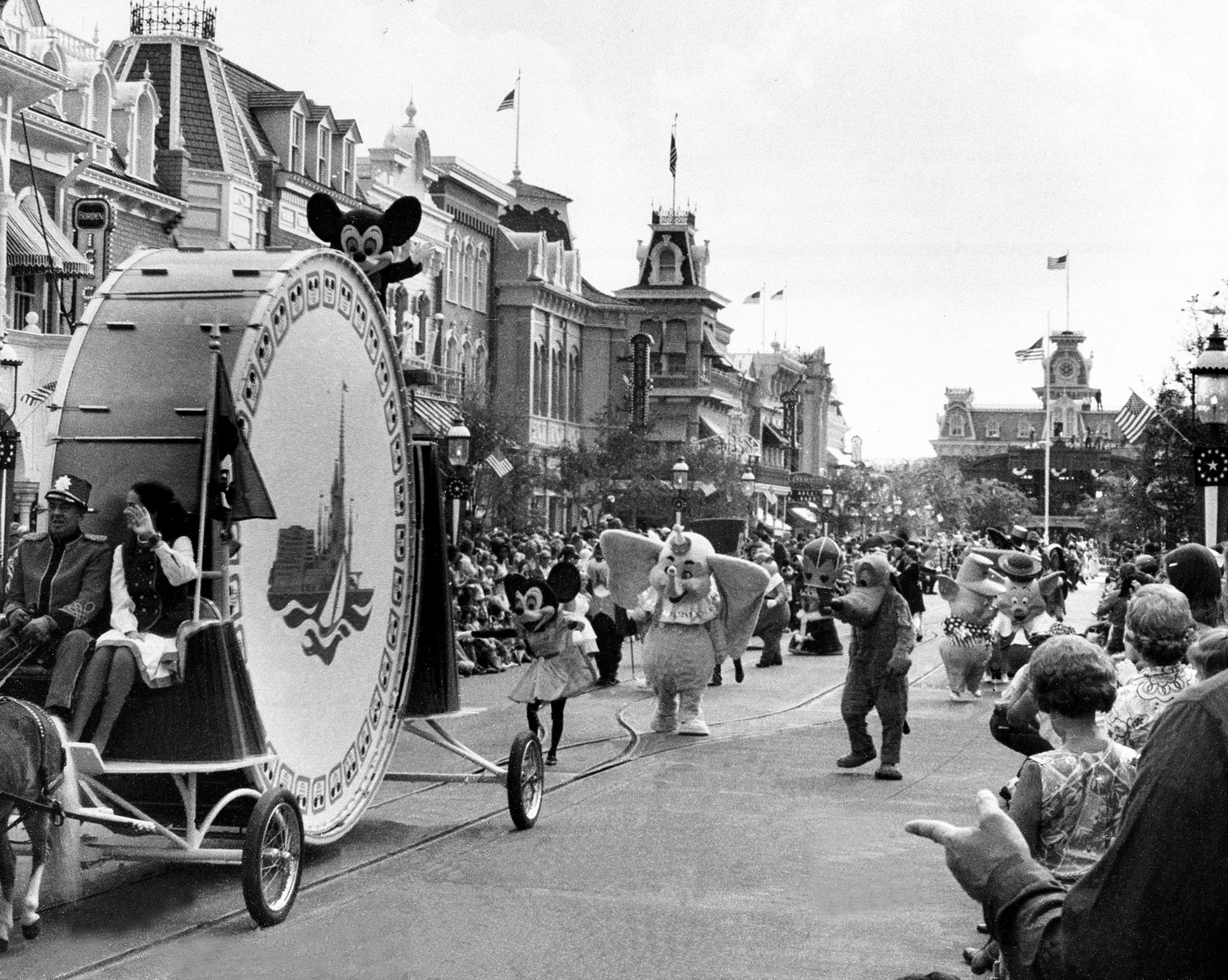
The groundbreaking for Walt Disney World can be traced back to the late 1960s. However, the official opening date for the resort, specifically Magic Kingdom Park, is a pivotal moment in theme park history. Walt Disney World officially opened its gates to the public on October 1, 1971. This date marked the culmination of years of planning, design, and construction.
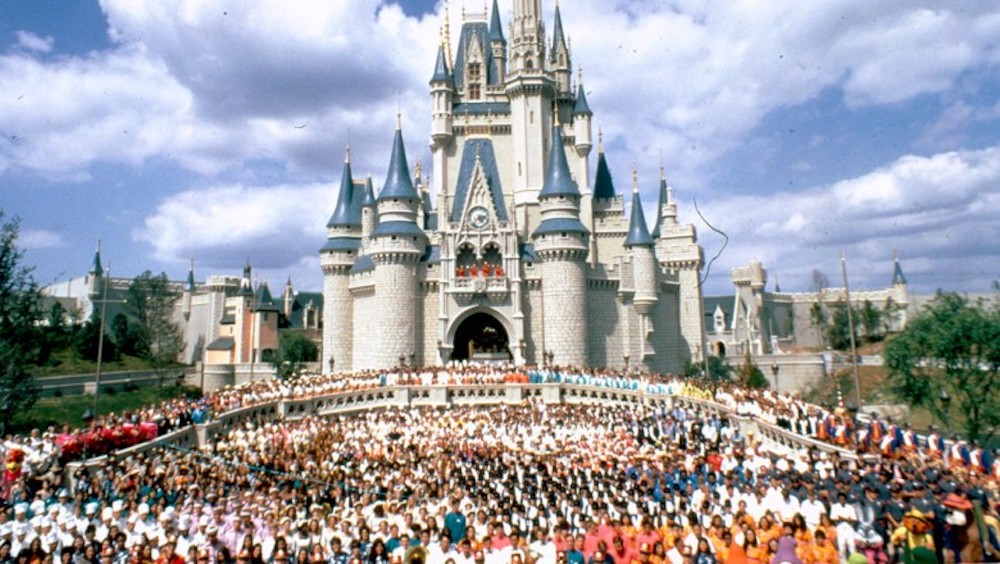
The opening day of Walt Disney World was a grand affair, filled with fanfare and anticipation. Thousands of guests flocked to Orlando to experience the magic for the first time. Magic Kingdom Park, with its iconic Cinderella Castle as its centerpiece, immediately captivated visitors with its meticulously crafted themed lands, including Adventureland, Fantasyland, Frontierland, and Tomorrowland. Alongside the park, the Disney’s Contemporary Resort and Disney’s Polynesian Village Resort welcomed guests, offering immersive stays that complemented the park experience. These were the first of many iconic Walt Disney World hotels that would define the resort’s lodging offerings.
The initial opening was not the end of the story, but rather the beginning of an ever-evolving destination. The phased development strategy meant that new attractions, resorts, and parks would be added over time, continually enhancing the guest experience and solidifying Walt Disney World‘s position as a premier vacation spot.

Beyond The Magic Kingdom: Expansion and Evolution
The success of Magic Kingdom Park spurred further development, transforming the initial phase into the massive entertainment complex we know today. The vision for Walt Disney World was always about more than just one theme park. The concept of EPCOT, originally envisioned as a futuristic city, was reimagined as a second theme park, EPCOT Center, which opened in 1982. This park was designed to be a celebration of human achievement and international culture, featuring innovative attractions and pavilions representing different countries and technological advancements.
The expansion continued with the opening of Disney’s Hollywood Studios (originally Disney-MGM Studios) in 1989, a park dedicated to the glamour and excitement of movies and television. In 1998, Disney’s Animal Kingdom opened its doors, offering a unique blend of theme park rides, live animal encounters, and conservation efforts, further diversifying the resort’s appeal.
Complementing the theme parks, Walt Disney World has also seen a tremendous growth in its resort offerings. From the initial two hotels, the number of Disney-owned resorts has expanded to include a wide range of options, catering to various budgets and preferences. These include value resorts, moderate resorts, deluxe resorts, and even Disney Vacation Club villas, each offering unique theming, amenities, and proximity to the parks. The Grand Floridian Resort & Spa, the BoardWalk Inn, and Wilderness Lodge are just a few examples of the many themed hotels that have become landmarks in their own right, offering luxurious accommodations and unparalleled guest experiences.
Beyond the core offerings, Walt Disney World has integrated water parks like Typhoon Lagoon and Blizzard Beach, extensive shopping and dining districts like Disney Springs, and numerous golf courses and recreational activities. This continuous evolution and expansion have cemented Walt Disney World‘s status as a comprehensive vacation destination, offering a lifetime of experiences for its visitors. The original question of “When was Disney World built in Orlando?” thus opens the door to understanding the foundational moments that have led to this enduring global phenomenon. The continuous innovation and dedication to Walt‘s original vision are what ensure that Walt Disney World remains a beacon of magic and wonder for generations to come.
LifeOutOfTheBox is a participant in the Amazon Services LLC Associates Program, an affiliate advertising program designed to provide a means for sites to earn advertising fees by advertising and linking to Amazon.com. Amazon, the Amazon logo, AmazonSupply, and the AmazonSupply logo are trademarks of Amazon.com, Inc. or its affiliates. As an Amazon Associate we earn affiliate commissions from qualifying purchases.