
For anyone planning a visit, living, or conducting business in the vast expanse of the Lone Star State, understanding the local time is more than just a matter of curiosity – it’s crucial for seamless travel, effective planning, and fully immersing oneself in the vibrant Texas experience. Texas, a state renowned for its diverse landscapes, rich history, and dynamic cities, primarily operates on one time zone, but with a notable exception that travelers and residents alike should be aware of.
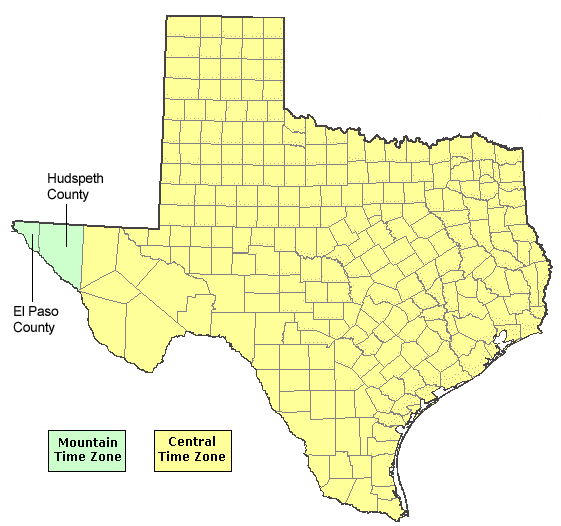
At any given moment, the majority of Texas observes the Central Time Zone (CT). This time zone is six hours behind Coordinated Universal Time (UTC-6) during standard time and five hours behind during Daylight Saving Time (UTC-5). This means that when you’re checking the time in bustling cities like Houston, Dallas, Austin, or San Antonio, you’ll be referring to Central Time. However, a small but significant portion of Texas, specifically El Paso and Hudspeth counties in the far western part of the state, observes the Mountain Time Zone (MT). This area is one hour behind Central Time, placing it at UTC-7 during standard time and UTC-6 during Daylight Saving Time. This distinction is vital for anyone traveling to or communicating with individuals in these western regions, as it can easily lead to missed appointments or confusion if not accounted for.
Understanding these time zones is the first step in unlocking a smooth and enjoyable journey through Texas. From booking your flights and hotel stays to planning your daily excursions and ensuring you arrive on time for local attractions or business meetings, time awareness underpins every aspect of a well-executed travel itinerary.

Understanding Texas Time Zones: Your Key to Seamless Travel
The sheer size of Texas necessitates a thoughtful approach to time, especially when planning travel across its vast distances. While most states stick to a single time zone, the dual-zone system in Texas is a fascinating geographical and practical consideration for any traveler.
The Central Time Zone (CT): Texas’s Dominant Clock
For the overwhelming majority of Texas, the rhythm of daily life beats to the drum of Central Time. This covers all the major metropolitan areas that draw millions of visitors annually, from the historic charm of San Antonio and the vibrant music scene of Austin to the sprawling economic hubs of Dallas and Houston. When coordinating flights, making hotel reservations, or scheduling tours, you’ll invariably be working within the CT framework for these popular destinations.
Most online booking platforms and travel apps automatically adjust for local time zones, but a quick double-check never hurts. For instance, if you’re flying into Dallas/Fort Worth International Airport or George Bush Intercontinental Airport in Houston, all arrival and departure times will be listed in CT. Similarly, if you’re planning a visit to the NASA Johnson Space Center in Houston or exploring the Sixth Floor Museum at Dealey Plaza in Dallas, their operating hours will follow Central Time. Being mindful of this ensures you don’t miss out on these iconic Texas experiences.
El Paso and Hudspeth Counties: A Mountain Time Exception
The shift to Mountain Time for El Paso and Hudspeth counties is a unique feature of Texas geography, reflecting their proximity to New Mexico and Arizona, which largely observe MT. This one-hour difference from the rest of Texas might seem minor, but it’s crucial for travel planning.
Imagine driving from San Antonio to El Paso – a journey that spans over 800 miles. As you cross into Hudspeth County, you’ll effectively “gain” an hour. This can impact everything from dinner reservations to check-in times at your accommodation. If you have a business meeting or a tour scheduled in El Paso, confirm the time zone to avoid any confusion. For those exploring the rugged beauty of Big Bend National Park or Guadalupe Mountains National Park, which are closer to the Mountain Time Zone geographically but remain within Central Time, it highlights the importance of checking precise locations. Always consult a reliable clock or an up-to-date mapping service that shows local time.
Beyond the Clock: Why Time Matters for Your Texas Adventure
Knowing the current time in Texas extends far beyond simply setting your watch. It’s about optimizing your travel experience, respecting local customs, and making the most of every moment in this expansive state.
Planning Your Itinerary: Maximizing Daylight and Experiences
For travelers, time is a precious commodity. Understanding the local time zone helps you strategically plan your days, especially when considering daylight hours for outdoor activities or the opening and closing times of attractions.
- Attraction Hours: Major landmarks like The Alamo in San Antonio, the Dallas Arts District, or the Houston Museum District all operate within specific windows. A missed time zone calculation could mean arriving too late or too early.
- Outdoor Activities: Whether you’re hiking in the Texas Hill Country, enjoying the beaches of Galveston or South Padre Island, or exploring the natural beauty of Padre Island National Seashore, daylight is key. Planning around sunrise and sunset, dictated by the local time, ensures you have ample time for exploration and stunning views.
- Dining and Entertainment: Texas offers a diverse culinary scene, from legendary barbecue joints to upscale dining. Dinner reservations, live music schedules, or rodeo events are all time-sensitive. Being on the correct time allows for seamless transitions between activities and avoids the frustration of missed opportunities. This also applies to the vibrant nightlife in cities like Austin, where popular venues like Gruene Hall have strict showtimes.
Business and Social Etiquette: Punctuality in the Lone Star State
While Texans are known for their warm hospitality, punctuality is generally appreciated, whether in a formal business setting or a casual social gathering.
- Business Stays: For those traveling to Texas for work, adherence to local meeting times is paramount. Miscalculating a time zone difference could lead to delays or, worse, missed crucial appointments. Many business travelers rely on sophisticated hotel amenities and conference facilities, and their schedules are often tightly packed.
- Social Engagements: If you’re invited to a local gathering, be it a backyard barbecue in Fort Worth or a cultural event in Corpus Christi, showing up on time demonstrates respect for your hosts and local customs. While some social events might have a more relaxed “Texas time” feel, it’s always better to aim for punctuality.
Exploring Texas: Time-Sensitive Attractions and Activities
From its sprawling metropolises to its untouched wilderness, Texas offers an incredible array of destinations and experiences. Many of these are best enjoyed with a keen awareness of the clock.
Iconic Cities and Their Rhythms
Each major Texas city has its own pulse, but all operate on Central Time, offering a consistent framework for urban exploration.
- Houston: As one of the largest cities, Houston is a global hub for energy and space exploration. Visitors often dedicate full days to the NASA Johnson Space Center and its Space Center Houston visitor complex. The Houston Museum District also boasts numerous institutions with specific operating hours. Early morning visits often beat the crowds, maximizing your time.
- Dallas: Famous for its Cowboys football team and bustling financial sector, Dallas offers attractions like the Sixth Floor Museum at Dealey Plaza and the historic West End Historic District. Planning your day to visit multiple spots requires checking their individual timings. Don’t forget Southfork Ranch for a dose of iconic TV history.
- Austin: The “Live Music Capital of the World” has a distinct daytime vibe that gives way to a vibrant nightlife. Catching a show on Sixth Street or a bat flight from the Congress Avenue Bridge requires checking specific performance times or sunset schedules. The city also hosts numerous festivals, which often have their own timed itineraries.
- San Antonio: Rich in history, San Antonio is home to The Alamo and the famous San Antonio River Walk. While the River Walk is accessible almost constantly, boat tours and restaurant openings adhere to strict schedules. Early morning visits to historical sites can offer a more contemplative experience.
- Fort Worth: Embracing its Western heritage, Fort Worth is renowned for the Stockyards National Historic District and its daily cattle drives. These events are precisely timed, making a clear understanding of the local clock essential for visitors.

Natural Wonders and Outdoor Pursuits
Texas’s natural beauty ranges from vast deserts to serene coastlines.
- Big Bend National Park: Located in West Texas, this expansive park is in the Central Time Zone, despite its western location. Hiking and exploring its diverse ecosystems require ample daylight. Given its remote nature, planning your journey to arrive at daylight and maximize your hiking time is paramount. Remember that El Paso, a common gateway, is an hour behind.
- Guadalupe Mountains National Park: Home to the highest peak in Texas, this park also falls within CT. Day hikes and stargazing are popular, both heavily reliant on the time of day.
- Coastal Areas: Destinations like Galveston and South Padre Island offer beaches and water activities. Tides, sunset cruises, and fishing charters are all time-dependent. Knowing the local time helps you plan your aquatic adventures safely and effectively.
Dining, Entertainment, and Nightlife
Texas’s culinary scene and entertainment options are as diverse as its geography.
- Barbecue Trails: Embarking on a Texas BBQ pilgrimage, from Franklin Barbecue in Austin to smaller, legendary joints, often involves long lines and early sell-outs. Arriving well before opening hours, according to local time, is a strategy many employ.
- Live Music Venues: Austin and other cities boast numerous venues. Concerts and performances adhere strictly to their published start times.
- Rodeos and Festivals: Iconic Texas events like the Houston Livestock Show and Rodeo or the State Fair of Texas have packed schedules of events, all running on the precise local time.
Seamless Stays: Accommodation and Time Management
For any traveler, whether embarking on a luxury escape, a budget-friendly adventure, a family trip, or a crucial business stay, managing accommodation logistics is intrinsically linked to understanding local time.
Choosing Your Base: Hotels, Resorts, and Unique Stays
Texas offers a vast array of accommodation options, from opulent downtown hotels in Dallas to charming Bed & Breakfasts in the Hill Country, and beachfront resorts in South Padre Island. No matter your preference, time zones play a role.
- Luxury Travel: If you’re staying at a five-star resort or a boutique hotel, seamless check-in and check-out are expected. Confirming your arrival time with the concierge, especially if arriving from a different time zone, ensures your room is ready and any specific requests are met.
- Budget Travel: For budget-conscious travelers using hostels or economy hotels, knowing precise check-in windows is even more critical, as front desk hours might be limited.
- Family Trips: Families often have tighter schedules, balancing naps, meals, and activities. Knowing the correct time helps with planning downtime at the hotel and coordinating family outings.
- Business Stays: Business travelers often have early morning meetings or late-night calls. Access to amenities like business centers or fitness facilities might be time-restricted, making time awareness essential.
Booking and Check-in: Time Zone Considerations
Booking platforms typically display times in the local destination’s time zone, but a manual check during the booking process can prevent common pitfalls.
- Flight and Hotel Coordination: If your flight lands at 3 PM CT and your hotel’s check-in is also 3 PM CT, you might arrive just in time. However, if you’re flying into El Paso (MT) from Dallas (CT), remember the hour difference to adjust your arrival expectation.
- Early Check-in/Late Check-out: If you need to request an early check-in or late check-out, communicate these needs to your hotel based on their local time zone. This simple step can avoid unnecessary waiting or rush.
- Long-term Stays: For extended stays in apartments or villas, understanding the time zone is vital for scheduling utility hookups, cleaning services, or property management communications.
Making the Most of Your Texas Time: Practical Tips for Travelers
To ensure your Texas adventure is as smooth as possible, a few practical tips related to time management can go a long way.
Staying Connected: Apps and Gadgets
- Smartphone Settings: Ensure your phone’s time zone settings are set to “automatic” or manually adjust them upon arrival. This is the simplest way to stay updated with local time.
- World Clock Apps: For those frequently crossing time zones or coordinating with people in different parts of Texas, a world clock app can be incredibly useful.
- Smartwatches: Modern smartwatches automatically update their time zone, providing a quick and convenient reference on your wrist.
Adjusting to the Pace: From Big Cities to Small Towns
While the time zones are set, the pace of life can vary dramatically across Texas.
- Big Cities: In places like Houston or Dallas, the rhythm is often fast-paced, especially during weekdays. Traffic can be a significant time sink, so factor this into your travel plans.
- Smaller Towns and Rural Areas: In charming small towns like those found in the Texas Hill Country or near agricultural regions, the pace tends to be more relaxed. Shops might close earlier, and dining options might be limited after a certain hour. Researching local schedules is advisable. For instance, if you’re visiting Magnolia Market at the Silos in Waco, be aware of their specific opening and closing times, which are generally consistent.
By keeping these time zone distinctions and practical considerations in mind, your journey through Texas – whether for travel, tourism, business, or simply to experience the local lifestyle – will be well-planned, enjoyable, and free from unnecessary temporal hiccups. The vastness of Texas is part of its charm, and mastering its clocks is an essential part of appreciating all it has to offer.
LifeOutOfTheBox is a participant in the Amazon Services LLC Associates Program, an affiliate advertising program designed to provide a means for sites to earn advertising fees by advertising and linking to Amazon.com. Amazon, the Amazon logo, AmazonSupply, and the AmazonSupply logo are trademarks of Amazon.com, Inc. or its affiliates. As an Amazon Associate we earn affiliate commissions from qualifying purchases.