
The question of whether Puerto Rico pays U.S. taxes is one that frequently sparks curiosity, especially among travelers considering a visit to this vibrant Caribbean island, or those contemplating a longer stay. As a U.S. territory, the relationship between Puerto Rico and the United States regarding taxation is nuanced and often misunderstood. The answer, in short, is that the general rule is no, Puerto Rico residents do not pay federal income taxes to the U.S. government on income earned within Puerto Rico. However, this is a simplification of a complex system that involves various types of taxes and specific circumstances. Understanding these distinctions is crucial for anyone engaging with the island, whether as a tourist exploring its rich culture, a traveler seeking unique accommodations, or an individual considering relocation.
The unique political and economic status of Puerto Rico as an unincorporated U.S. territory means that federal laws, including tax laws, do not automatically apply in the same way they do in the 50 states. This has led to a distinct tax environment on the island, influencing everything from local businesses and real estate to the overall lifestyle experienced by its residents and visitors. For those planning their travels, perhaps looking at the range of hotels from luxurious resorts to charming apartments, or exploring the numerous attractions and landmarks, this tax structure plays a subtle but significant role in the island’s economy and its appeal.
This article will delve into the specifics of Puerto Rico’s tax status, clarifying who pays what, and what this means for both residents and visitors. We’ll explore the federal tax implications, the island’s own tax system, and how these factors contribute to the unique travel and lifestyle opportunities available on Puerto Rico.
Understanding Federal Tax Obligations in Puerto Rico
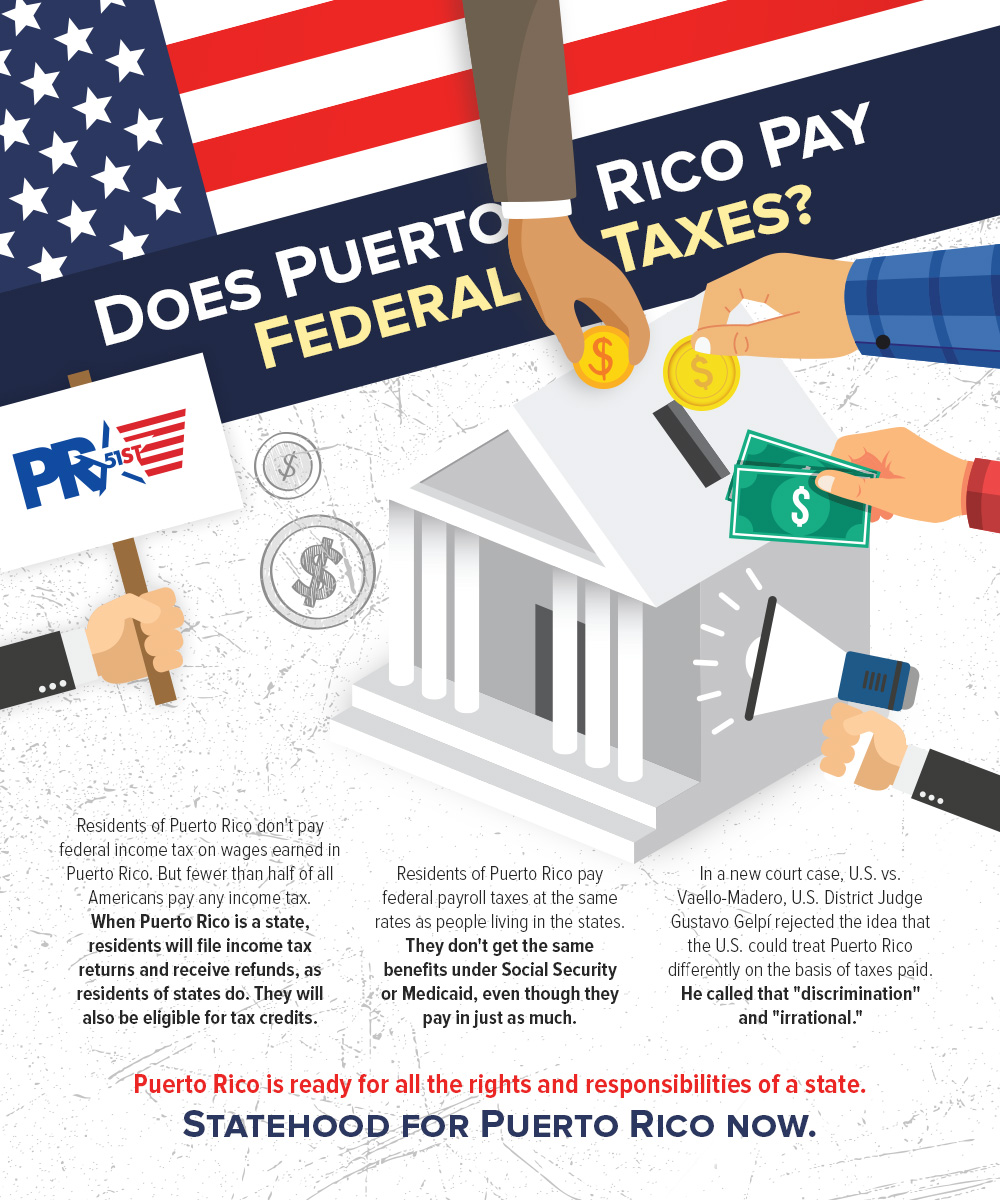
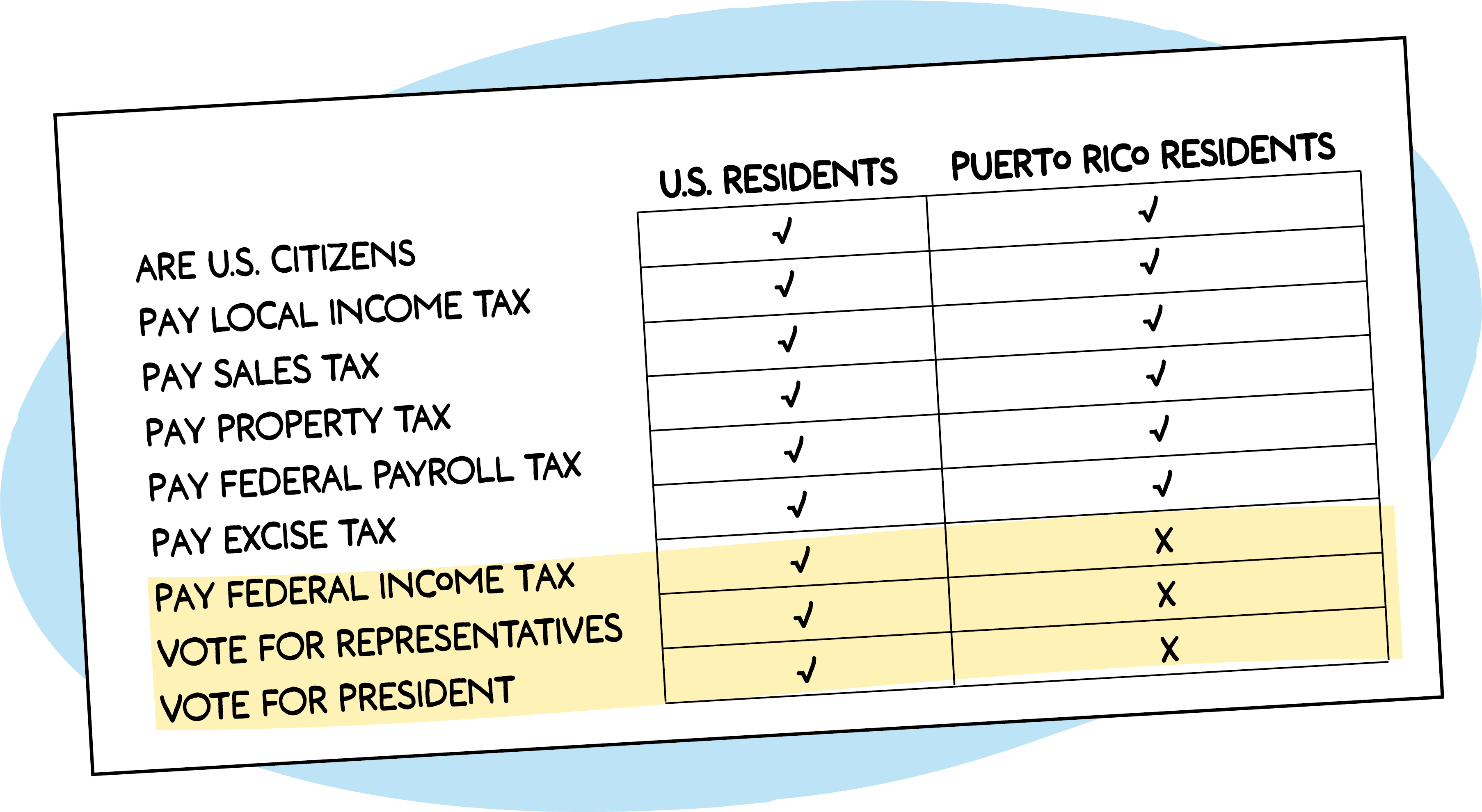
The core of the tax discussion revolves around federal income tax. For individuals residing in the 50 U.S. states, paying federal income tax is a standard obligation. However, for residents of Puerto Rico, the situation is different. Generally, individuals who are bona fide residents of Puerto Rico are exempt from paying federal income tax on income derived from sources within Puerto Rico. This exemption is a significant aspect of the island’s economic policy, intended to encourage economic development and investment.
This exemption, however, does not mean Puerto Rico is entirely disconnected from the U.S. federal tax system. Certain federal taxes still apply. For instance, U.S. citizens living in Puerto Rico are still subject to federal employment taxes, such as Social Security and Medicare taxes, on their earnings. If they work for the U.S. federal government or have income from U.S. sources outside of Puerto Rico, they may also be liable for federal income tax on that specific income. Additionally, U.S. citizens residing in Puerto Rico generally do not pay U.S. Social Security contributions if they are employed by the Puerto Rican government or a Puerto Rican company.
For individuals who are not U.S. citizens but reside in Puerto Rico, their tax obligations to the U.S. government will depend on their immigration status and how they acquire their income. Non-U.S. citizens who are residents of Puerto Rico are generally not required to pay federal income tax on income earned within Puerto Rico, unless they have specific ties or income sources in the U.S. mainland.
It’s also important to note that the tax laws can be complex and subject to change. The specifics of one’s tax situation can depend on factors like domicile, the source of income, and individual circumstances. For anyone considering a significant financial commitment or relocation, consulting with a tax professional familiar with U.S. and Puerto Rican tax law is highly recommended.
Federal Income Tax Exemption for bona fide Residents
The cornerstone of the federal tax landscape for Puerto Rico residents is the U.S. Internal Revenue Code Section 933. This section explicitly states that gross income, as defined in Section 61, of a bona fide resident of Puerto Rico does not include income derived from sources within Puerto Rico. This is a substantial benefit, differentiating Puerto Rico from the 50 states and the District of Columbia.
To qualify as a bona fide resident, an individual must meet certain criteria. Generally, this involves being present in Puerto Rico for a full tax year (January 1 to December 31) and not having a “tax home” in the U.S. mainland or filing a U.S. tax return as a resident of the U.S. mainland or a non-resident alien. A “tax home” is typically where an individual’s regular place of business or employment is located. Once a person establishes bona fide residency, they can claim the federal income tax exemption on their Puerto Rican-sourced income.
This exemption has been a key driver for individuals and businesses to establish operations and residency on the island, contributing to its economy. For travelers looking to experience the island’s unique blend of Spanish and American culture, from exploring the historic streets of Old San Juan to relaxing on the pristine beaches of Culebra, this tax structure underpins much of the island’s economic activity and its attractiveness as a destination.
Other Federal Taxes and Considerations
While federal income tax is largely waived for bona fide Puerto Rican residents on their local income, other federal taxes do apply. Social Security and Medicare taxes, collectively known as FICA taxes, are levied on most wages earned in the U.S. and its territories. However, the application of these taxes in Puerto Rico can be specific. If an individual is employed by a Puerto Rican entity and is a resident of Puerto Rico, they may not be subject to these U.S. federal taxes. Instead, Puerto Rico has its own system of social security and retirement contributions.
Conversely, if a Puerto Rican resident earns income from a U.S. mainland source, or works for a U.S. federal government agency, they will likely be subject to federal income tax and FICA taxes on that income. Similarly, if a resident of the U.S. mainland visits Puerto Rico for vacation, staying at a hotel or resort, they continue to pay their usual U.S. federal income taxes and are not affected by Puerto Rico’s tax exemptions.
Furthermore, U.S. citizens who are residents of Puerto Rico are still required to file a U.S. tax return annually. This return will typically report any income earned outside of Puerto Rico or from U.S. mainland sources. They may also need to report certain foreign income if they have investments or business interests outside of Puerto Rico and the U.S.
Puerto Rico’s Own Tax System
Beyond federal obligations, Puerto Rico has its own comprehensive tax system designed to generate revenue for its local government. This system includes income taxes, sales taxes, property taxes, and various excise taxes, much like the states within the U.S., but with its own rates and regulations. For residents and businesses operating on the island, understanding and complying with Puerto Rico’s local tax laws is essential.
The island’s tax structure has historically been influenced by efforts to attract investment and stimulate economic growth. This has led to incentives and tax breaks for certain industries and individuals. For example, Puerto Rico has enacted specific acts, such as Act 20 and Act 22 (now consolidated into Act 60), which offer significant tax exemptions for qualifying businesses and individuals who relocate to the island. These acts have attracted numerous entrepreneurs and investors, contributing to the island’s economic diversification and creating new opportunities for lifestyle and travel experiences.
Income Tax in Puerto Rico
Puerto Rico imposes its own income tax on individuals and corporations operating or residing on the island. The rates and brackets are determined by the Puerto Rico Department of the Treasury (Departamento de Hacienda). For individuals who are bona fide residents of Puerto Rico, their Puerto Rican income is subject to these local income tax rates, even though their U.S. federal income tax liability on that income is exempted.
Corporate income tax rates in Puerto Rico also differ from those in the U.S. mainland. The island has a corporate income tax rate that applies to profits earned by businesses operating within its jurisdiction. This has been a significant factor in attracting foreign and U.S. mainland companies to establish subsidiaries or operational headquarters in Puerto Rico, often under the umbrella of the aforementioned tax incentive acts.
Sales and Excise Taxes
Like most jurisdictions, Puerto Rico levies a sales and use tax (IVU) on goods and services. This is a significant source of revenue for the local government and impacts the cost of everyday items and services for both residents and tourists. The IVU rate can vary and is applied at different stages of the supply chain.
Additionally, Puerto Rico imposes excise taxes on various products, including tobacco, alcohol, and motor fuels. These taxes are similar to those found in the U.S. states and contribute to the island’s revenue stream. For travelers, these taxes are often factored into the prices of goods and services, adding to the overall cost of their experience, from dining at local restaurants to purchasing souvenirs.
Implications for Travelers and Residents
The tax structure in Puerto Rico has a direct impact on individuals considering visiting, living, or investing on the island. For tourists, the primary implication is that they continue to pay their standard U.S. federal income taxes regardless of their visit to Puerto Rico. Puerto Rico is treated as a domestic destination for U.S. federal tax purposes, meaning travel to Puerto Rico from the U.S. mainland does not involve international customs or immigration. The cost of goods and services on the island is influenced by its local tax rates, including the IVU, which might differ from what travelers are accustomed to in their home states.
For individuals considering relocation to Puerto Rico, the tax implications are far more profound. The federal income tax exemption for bona fide residents is a major draw. Combined with the incentives offered by Puerto Rico’s own tax laws for businesses and individuals, it presents a compelling opportunity for those seeking to reduce their tax burden. This has led to an influx of individuals and businesses, contributing to the island’s development and changing its demographic and economic landscape. The availability of diverse accommodations, from luxurious villas to charming guesthouses, and a growing array of cultural activities and experiences, are all indirectly influenced by this tax environment.
Travel and Tourism in Puerto Rico
From a travel perspective, Puerto Rico offers an incredible diversity of experiences. Its status as a U.S. territory simplifies travel for U.S. citizens, as no passport is required to travel from the U.S. mainland. This ease of access, combined with the island’s rich history, stunning natural beauty, and vibrant culture, makes it a popular destination. The unique tax environment, while not directly impacting most tourists, underpins the island’s economic model, supporting infrastructure development, local businesses, and the overall tourism industry. When you book a stay at a renowned hotel like the Condado Vanderbilt Hotel or explore the historic El Morro fortress in Old San Juan, you are experiencing a destination shaped by its distinct fiscal relationship with the United States.
The island’s appeal extends beyond its beaches and historical sites. The culinary scene, the music, and the warm hospitality of the Puerto Rican people all contribute to an unforgettable travel experience. Whether you are interested in luxury travel, budget-friendly trips, or family adventures, Puerto Rico caters to a wide range of preferences. The underlying economic framework, including its tax policies, plays a crucial role in making these diverse travel and lifestyle options available.

Relocation and Lifestyle Considerations
For those contemplating a more permanent move, the tax benefits are a primary consideration. The ability to live and work in Puerto Rico while being exempt from U.S. federal income tax on Puerto Rican-sourced income, coupled with potential local tax incentives, can lead to significant financial advantages. This has made Puerto Rico an attractive option for retirees, entrepreneurs, and remote workers.
The lifestyle in Puerto Rico is a unique blend of Caribbean charm and American convenience. Residents enjoy a tropical climate, a rich cultural heritage, and access to modern amenities. The cost of living can vary, but in many aspects, it can be more affordable than in major U.S. mainland cities. The development of new residential areas, the renovation of historic properties, and the growth of the service sector are all influenced by the economic climate, which is, in turn, shaped by tax policies. Whether seeking a serene beachside retreat or a bustling urban environment in San Juan, the island offers a diverse range of living experiences, making it an increasingly popular choice for those looking to embrace a different way of life.
LifeOutOfTheBox is a participant in the Amazon Services LLC Associates Program, an affiliate advertising program designed to provide a means for sites to earn advertising fees by advertising and linking to Amazon.com. Amazon, the Amazon logo, AmazonSupply, and the AmazonSupply logo are trademarks of Amazon.com, Inc. or its affiliates. As an Amazon Associate we earn affiliate commissions from qualifying purchases.