
Navigating the scale of an island paradise like Puerto Rico is an essential part of planning any memorable trip. Whether you’re a seasoned globetrotter mapping out an extensive itinerary or a first-time visitor curious about the island’s dimensions, understanding its size in miles provides crucial context for your adventures. This knowledge can inform everything from your travel logistics to the types of experiences you can realistically pack into your visit. Puerto Rico, a vibrant U.S. territory nestled in the Caribbean, offers a diverse tapestry of landscapes, from lush rainforests to sun-drenched beaches, all within a manageable geographical footprint.
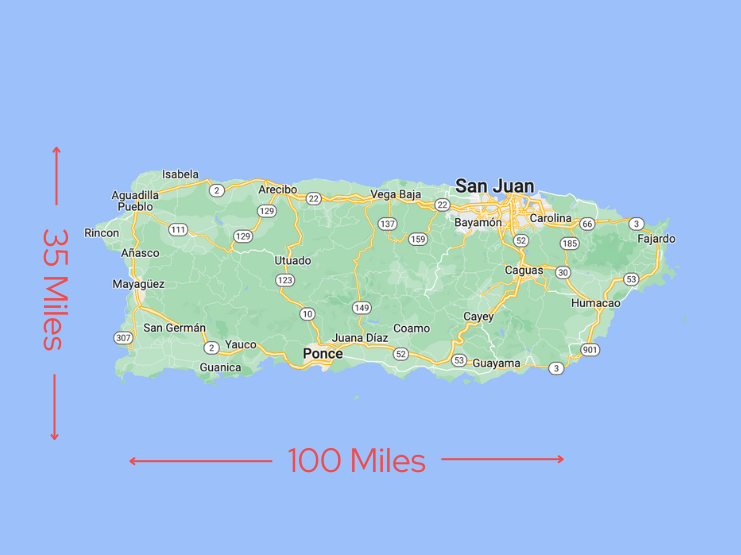
Understanding the island’s dimensions isn’t just about numbers; it’s about envisioning the possibilities. A clear picture of Puerto Rico’s size helps you gauge travel times between different regions, assess how much you can explore in a given period, and even choose the most strategic base for your accommodation. For instance, knowing that the longest distance across the island is a certain number of miles can help you decide if renting a car for a day trip to the opposite coast is feasible, or if it’s better to dedicate separate days to explore distinct areas. This guide will delve into the specific measurements of Puerto Rico, offering practical insights for your travel planning.
Measuring the Island: Dimensions and Distances
Puerto Rico is an island municipality that, while smaller than many continental landmasses, packs an impressive array of attractions and natural wonders. Its physical dimensions are key to appreciating the ease with which one can traverse its varied terrains and discover its many treasures. When we talk about the “size” of Puerto Rico in miles, we are generally referring to its linear measurements – its length and width. These figures provide a fundamental understanding of the island’s overall scale.
Island Length and Width: A Geographical Overview
The island of Puerto Rico stretches approximately 105 miles (169 kilometers) from its easternmost point to its westernmost point. This east-west dimension offers a significant span for exploration, allowing travelers to experience a wide range of climates and landscapes as they journey across. From the bustling shores of San Juan on the north coast to the rugged beauty of the west coast, this length signifies a substantial travel corridor for those who wish to see a considerable portion of the island.
In terms of its north-south extent, Puerto Rico is roughly 35 miles (56 kilometers) wide at its broadest point. This more compact width means that many of the island’s interior attractions, including its mountainous regions and historical sites, are never too far from the coastline. This creates a highly accessible travel experience, where you can easily transition from beachside relaxation to exploring the heart of the island within a relatively short driving distance. The combination of its length and width creates an island that is both extensive enough for diverse experiences and compact enough for efficient exploration.
These dimensions are not merely abstract figures; they directly influence your travel experience. For instance, if you are staying in a resort in Dorado on the north coast and wish to visit the famous Bioluminescent Bay in Vieques (though technically an island off the coast, often visited as part of a Puerto Rico trip), you’ll need to factor in travel time to Fajardo for the ferry or a flight. Similarly, exploring the El Yunque National Forest, the only tropical rainforest in the U.S. National Forest System, is a day trip that is easily manageable from most points on the northern and eastern coasts due to the island’s width.
The relatively small size of Puerto Rico also means that you can experience its diverse ecosystems without spending excessive time in transit. Within a few hours’ drive, you can go from the tropical humidity of the rainforest to the arid landscapes of the southern coast, or from the vibrant nightlife of San Juan to the laid-back surf towns of the west coast. This accessibility is a major draw for tourists seeking variety without the logistical complexities of navigating much larger destinations.
Exploring Puerto Rico: Travel Times and Practicalities
Understanding the physical dimensions of Puerto Rico in miles is intrinsically linked to planning your travel itinerary. Knowing how far apart key destinations are allows for realistic scheduling, efficient use of your time, and a more enjoyable, less rushed vacation. This section will translate the island’s mileage into practical travel advice.
Driving Distances: Navigating Between Key Destinations
The driving distances within Puerto Rico are generally manageable, especially considering the island’s size. The speed limits are similar to those in the mainland U.S., typically ranging from 35 mph in urban areas to 65 mph on expressways.
-
San Juan to Ponce: A drive from the capital city of San Juan on the north coast to Ponce, the island’s second-largest city on the south coast, is approximately 70-80 miles (113-129 kilometers). This journey, often taken via Highway 52, typically takes about 1.5 to 2 hours, depending on traffic. This route offers a scenic passage through the island’s interior, showcasing its rolling hills and agricultural landscapes.
-
San Juan to Rincón: For those seeking the famed surf spots on the west coast, the drive from San Juan to Rincón is around 80-90 miles (129-145 kilometers). This trip can take approximately 2 to 2.5 hours, often involving scenic coastal roads as you approach the western tip.

-
Ponce to Rincón: Traveling between the southern city of Ponce and the surf town of Rincón covers a distance of about 50-60 miles (80-97 kilometers) along the southwestern coast. This drive usually takes around 1.5 hours and offers beautiful ocean views.
-
San Juan to El Yunque National Forest: The entrance to the stunning El Yunque National Forest is a relatively short drive from San Juan, approximately 25-30 miles (40-48 kilometers). This makes it an easily accessible day trip, allowing visitors to immerse themselves in the lush tropical environment for a few hours or a full day.
These driving times are estimates and can be influenced by factors such as time of day, road conditions, and any spontaneous stops you might make to admire the scenery or sample local delights. Renting a car is a popular and highly recommended way to explore Puerto Rico at your own pace, offering the flexibility to discover hidden gems off the beaten path.
Making the Most of Your Trip: Itinerary Planning Tips
The size of Puerto Rico is one of its greatest assets for travelers. It allows for a diverse itinerary without the need for extensive travel days. Here are some tips to help you make the most of your trip:
-
Focus on Regions: Instead of trying to see the entire island in a short period, consider focusing on 2-3 distinct regions. For example, you could spend a few days in historic Old San Juan and the surrounding metropolitan area, followed by a few days exploring the natural beauty of the east coast (including El Yunque and perhaps a visit to the smaller islands like Culebra or Vieques), and then perhaps a couple of days on the laid-back west coast for beaches and surfing.
-
Factor in Ferry/Flight Times: If your itinerary includes visiting offshore islands like Vieques or Culebra, remember to factor in ferry schedules or flight times, which can add to your overall travel time and require booking in advance.
-
Consider Accommodation Location: Choosing your accommodation strategically can significantly impact your travel experience. Staying in San Juan provides easy access to historical sites and a vibrant city life. A resort on the north coast might offer convenient access to attractions like the Bacardi Distillery. If your focus is on surfing or a relaxed beach vibe, a villa or apartment in Rincón might be ideal.
-
Embrace Spontaneity: While planning is essential, Puerto Rico’s manageable size also allows for serendipitous discoveries. Don’t overschedule yourself; leave room to explore local restaurants, stumble upon charming roadside stands, or linger longer at a beach that captures your heart. The island’s compact nature makes it easy to adjust your plans on the fly.
Beyond the Main Island: Exploring the Archipelago
While the main island of Puerto Rico is the primary focus for most visitors, the archipelago also includes several smaller, captivating islands that are integral to the Puerto Rican experience. These islands, though smaller in landmass, offer unique natural beauty, distinct atmospheres, and further opportunities for exploration.

Culebra and Vieques: Island Gems
Off the eastern coast of the main island lie two of Puerto Rico’s most celebrated islands: Culebra and Vieques.
-
Culebra: This smaller island municipality is renowned for its pristine beaches, including the world-famous Flamenco Beach, often lauded as one of the most beautiful in the world. Culebra is a sanctuary for marine life, making it a prime destination for snorkeling and diving. The island’s relaxed pace and undeveloped natural beauty offer a stark contrast to the more bustling areas of the main island. Getting to Culebra typically involves a ferry from Ceiba or a short flight from San Juan or Ceiba.
-
Vieques: Larger than Culebra, Vieques is famous for its exceptional bioluminescent bays, particularly Mosquito Bay, which glows with microscopic organisms. The island also boasts a significant portion of protected land, including the Vieques National Wildlife Refuge, offering diverse ecosystems and secluded beaches. Like Culebra, access is via ferry or flight. The charm of Vieques lies in its tranquil atmosphere, historic towns like Isabel II, and its rich natural heritage.
These islands, while geographically distinct, are an extension of the Puerto Rican experience. Their smaller scale emphasizes a slower pace of life and a deeper connection with nature, offering a perfect complement to the diverse offerings of the mainland. Planning a visit to these islands requires understanding their transport links and accommodation options, which often lean towards boutique hotels and vacation rentals, providing a more intimate travel experience. Exploring these jewels adds another dimension to appreciating the full scope of Puerto Rico in its entirety, from its main landmass to its enchanting offshore paradises.
LifeOutOfTheBox is a participant in the Amazon Services LLC Associates Program, an affiliate advertising program designed to provide a means for sites to earn advertising fees by advertising and linking to Amazon.com. Amazon, the Amazon logo, AmazonSupply, and the AmazonSupply logo are trademarks of Amazon.com, Inc. or its affiliates. As an Amazon Associate we earn affiliate commissions from qualifying purchases.