
While the vibrant tapestry of Puerto Rico is woven with threads of breathtaking natural beauty, rich cultural heritage, and a burgeoning tourism industry, understanding its political landscape is crucial for anyone seeking a deeper connection with this captivating destination. The question, “How Did Puerto Rico Vote?” delves into the island’s democratic processes, its unique political status, and the implications of its electoral choices on its future, particularly as it relates to the very aspects that draw travelers and residents alike: its tourism, accommodation, and overall lifestyle.
Understanding Puerto Rico’s Unique Political Identity
To comprehend how Puerto Rico votes, one must first grasp its distinctive political status. Unlike a state within the United States, Puerto Rico is an unincorporated U.S. territory. This means that while its residents are U.S. citizens, they do not have full voting representation in the U.S. Congress and cannot vote in U.S. presidential elections, although they can vote in presidential primaries. This “commonwealth” status has been a subject of ongoing debate and multiple referendums, with the primary choices typically revolving around statehood, independence, or maintaining the current status.

The voting patterns on the island are deeply influenced by these complex discussions about its relationship with the United States. Each election cycle sees fervent campaigns from parties advocating for different political destinies. Understanding these nuances provides vital context for appreciating the island’s governance and its impact on everything from economic development and infrastructure to cultural preservation and the environment. For the traveler planning a trip to Puerto Rico, an awareness of this political backdrop can offer a richer appreciation of the island’s resilience and its aspirations.
The Major Political Parties and Their Stances
The political discourse in Puerto Rico is dominated by a few key political parties, each with a distinct vision for the island’s future. The New Progressive Party (PNP) largely champions statehood, envisioning Puerto Rico becoming the 51st state of the U.S. Their platform often emphasizes the benefits of full U.S. citizenship rights, economic integration, and increased federal funding. For those interested in the economic aspects that influence hotels and tourism, statehood proponents often argue it would stabilize the economy and attract more investment, potentially leading to better infrastructure and more diverse travel experiences.
Conversely, the Popular Democratic Party (PPD) has historically supported maintaining the current commonwealth status, advocating for enhanced self-governance within the existing framework. They often express concerns about losing Puerto Rican culture and identity under statehood, while also seeking greater autonomy and improved economic conditions without severing ties with the U.S. This stance can appeal to those who value the unique cultural blend found in Puerto Rico, from its local culture to its food and activities.
A smaller but vocal faction, often represented by the Puerto Rican Independence Party (PIP), advocates for complete independence from the United States. Their platform centers on national sovereignty, self-determination, and fostering a distinct Puerto Rican identity on the global stage. This perspective resonates with those who prioritize the preservation of unique traditions and the development of an independent economy, which could influence niche travel segments focusing on authentic cultural immersion.

These divergent views shape electoral campaigns, public opinion, and ultimately, the voting outcomes. Understanding these core ideologies is paramount to interpreting the results of any election in Puerto Rico.
Electoral Trends and Referendums: A Snapshot of Public Will
The voting history of Puerto Rico reveals a complex and often divided populace. Throughout the decades, the island has held several non-binding and binding referendums to gauge public opinion on its political status. While the results of these plebiscites have varied, they consistently demonstrate a strong desire for change, with significant segments of the population favoring either statehood or a form of enhanced autonomy or independence.
In recent memory, referendums have shown fluctuating majorities. For instance, in 2012, a majority voted to reject the current status and express a preference for statehood. However, subsequent referendums have seen different outcomes, sometimes complicated by low turnout or ballot complexities. This ebb and flow in public opinion underscores the ongoing, deeply personal nature of the debate for Puerto Ricans. Each vote is not merely a political decision but a reflection of their aspirations for economic stability, social justice, and cultural preservation.
The turnout in these referendums, as well as in general elections for local offices, provides a crucial indicator of civic engagement and the level of public investment in the island’s political future. Higher turnout generally signifies greater engagement and a stronger mandate for the elected officials. For the accommodation sector, and businesses catering to tourism, a stable and decisive political environment is often seen as beneficial for investment and long-term growth. Understanding which status option garners consistent support can offer insights into the island’s potential trajectory regarding economic development and its attractiveness as a destination.
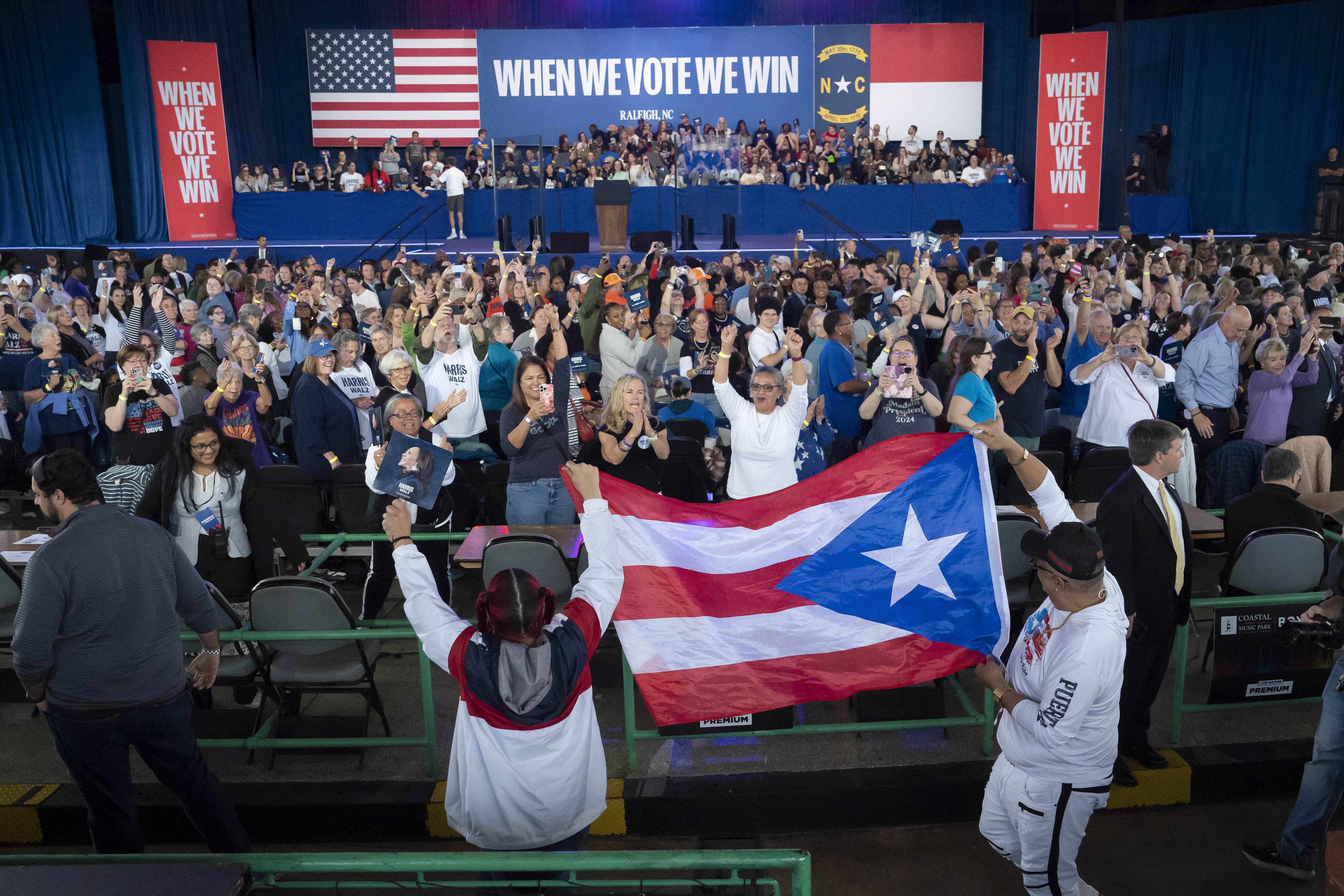
Impact on Tourism, Accommodation, and Lifestyle
The political choices made by Puerto Rico have tangible implications for its flourishing tourism sector, its diverse accommodation options, and the overall lifestyle it offers to visitors and residents. A clear and stable political status, regardless of its ultimate form, can foster greater investor confidence. This can translate into more development of high-quality resorts, apartments, and villas, as well as improvements to infrastructure that are vital for both locals and tourists.
For instance, if Puerto Rico were to become a U.S. state, it might see increased federal investment in infrastructure projects, potentially leading to improved transportation and accessibility to its stunning landmarks and natural wonders like the El Yunque National Forest. This could also lead to greater alignment with U.S. regulations, potentially impacting the availability and types of amenities offered at hotels.
Conversely, if the island opts for greater independence, it might focus on cultivating a unique cultural brand, emphasizing its distinct heritage and traditions. This could lead to an even richer array of local culture experiences, from artisanal crafts to authentic culinary journeys in places like Old San Juan. Such a focus could attract a different segment of travelers, those seeking deeper immersion and a more exclusive, culturally-focused travel experience.
The ongoing political discussions also influence the perception of Puerto Rico as a place to live, work, or invest. Whether it’s for luxury travel, budget travel, family trips, or business stays, the political stability and economic outlook are critical factors. The island’s ability to leverage its natural beauty, its rich history embodied in places like Castillo San Felipe del Morro, and its vibrant people hinges, in part, on the choices it makes through its democratic processes. Ultimately, how Puerto Rico votes shapes its destiny, influencing every facet of life, from the grand political pronouncements to the intimate experience of enjoying a sunset from a balcony in Condado or exploring the bioluminescent bays of Vieques.
LifeOutOfTheBox is a participant in the Amazon Services LLC Associates Program, an affiliate advertising program designed to provide a means for sites to earn advertising fees by advertising and linking to Amazon.com. Amazon, the Amazon logo, AmazonSupply, and the AmazonSupply logo are trademarks of Amazon.com, Inc. or its affiliates. As an Amazon Associate we earn affiliate commissions from qualifying purchases.