
The question of Puerto Rico’s political status is a complex one, often sparking debate and confusion, particularly for those planning a visit to this vibrant Caribbean island. As a premier destination for travelers seeking sun-drenched beaches, rich history, and a lively culture, understanding its unique relationship with the United States is crucial for a complete travel experience. While often perceived as a U.S. state or a typical territory, Puerto Rico holds a distinct status as a commonwealth, a designation that carries significant implications for its residents and visitors alike. This article delves into the intricacies of this relationship, shedding light on what it means to be a commonwealth and how it shapes the tourism landscape of this captivating island.

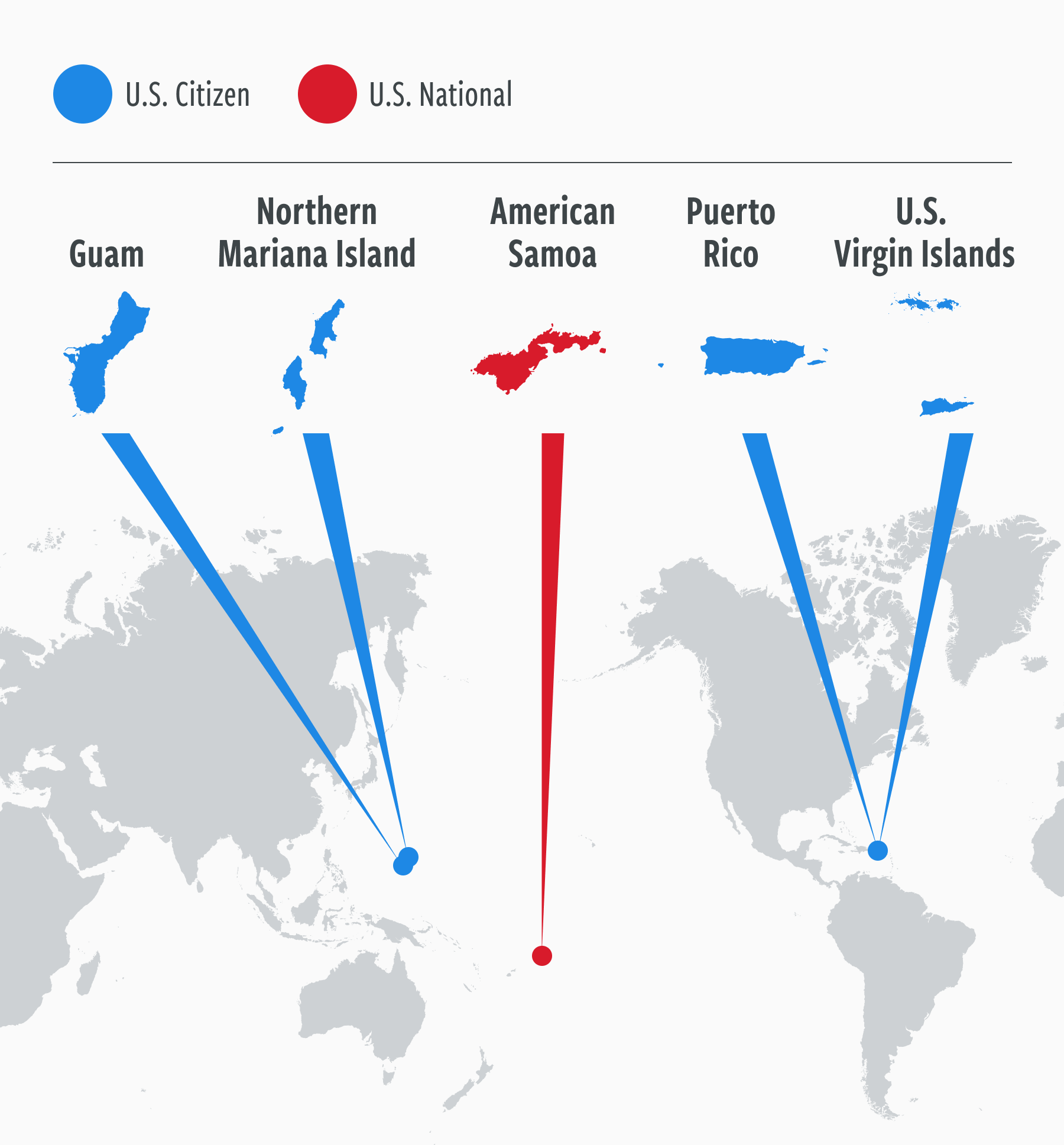
The journey to understanding Puerto Rico’s status begins with its history. Following the Spanish-American War, Spain ceded Puerto Rico to the United States in 1898. Over the subsequent decades, the island’s political relationship with its new governing power evolved. Initially an unincorporated territory, it was designated a commonwealth in 1952. This status, codified by Public Law 600 and ratified by the Puerto Rican people, established a local government with significant autonomy, while remaining under U.S. sovereignty. Unlike U.S. states, Puerto Rico does not have voting representation in the U.S. Congress, nor do its residents have the right to vote in U.S. presidential elections, despite being U.S. citizens. This unique arrangement has led to ongoing discussions and aspirations for potential statehood or enhanced autonomy.
For the traveler, Puerto Rico’s commonwealth status translates into a seamless experience in many practical ways. U.S. citizens do not require a passport to travel to Puerto Rico from the mainland United States, making it as accessible as traveling between U.S. states. The U.S. dollar is the official currency, and U.S. mail services operate as usual. This ease of access and familiarity is a significant draw for many tourists.
However, the distinction is not merely a legal formality; it has tangible effects on the island’s economy, governance, and cultural identity. Understanding this nuanced relationship enriches the travel experience, allowing visitors to appreciate the island’s resilience, its unique cultural tapestry, and the ongoing conversations shaping its future. This article will explore the key facets of Puerto Rico’s commonwealth status and its impact on various aspects of travel and tourism, from accommodation and attractions to local lifestyle and historical landmarks.
Navigating Puerto Rico: A Traveler’s Perspective on Commonwealth Status
The designation of Puerto Rico as a commonwealth profoundly influences the travel experience, creating a unique blend of American familiarity and Caribbean distinctiveness. For many visitors, the most immediate and practical aspect of this status is the ease of travel. As U.S. citizens, individuals traveling from the contiguous United States do not need a passport, making spontaneous trips or last-minute vacation planning remarkably straightforward. This accessibility is a significant factor contributing to Puerto Rico’s popularity as a tourist destination for Americans. The U.S. dollar is the currency used, and familiar American brands and services are readily available, further enhancing the sense of comfort and convenience for many visitors.
This practical ease, however, is underpinned by a complex political reality. The commonwealth status means that while Puerto Ricans are U.S. citizens, they do not have the same rights as citizens residing in the states. They cannot vote in U.S. presidential elections, and their representation in Congress is limited to a non-voting resident commissioner. This lack of full political parity is a source of ongoing debate and aspiration on the island, influencing its development and identity. For tourists, this translates into an opportunity to engage with a destination that is intimately connected to the United States yet fiercely proud of its own distinct cultural heritage and political aspirations.
The tourism industry in Puerto Rico thrives on this duality. Visitors can enjoy world-class resorts, explore historical sites, and indulge in vibrant nightlife, all within a framework that feels both foreign and familiar. From the bustling streets of San Juan to the serene beauty of El Yunque National Forest, the island offers a diverse range of experiences. Understanding the commonwealth status provides a deeper appreciation for the island’s journey and the resilience of its people.
The Practicalities of Travel and Accommodation
When planning a trip to Puerto Rico, the commonwealth status simplifies many logistical considerations, particularly for U.S. citizens. The absence of passport requirements is a major convenience, akin to traveling between any two U.S. states. This ease of access significantly boosts tourism, encouraging spontaneous getaways and making Puerto Rico a readily available escape for many. The U.S. dollar is the official currency, eliminating the need for currency exchange and simplifying financial transactions. Furthermore, standard U.S. postal services and telecommunications operate without issue, ensuring connectivity and communication remain seamless throughout your stay.

The accommodation landscape in Puerto Rico reflects this blend of American influence and local charm. From luxurious beachfront resorts to charming boutique hotels and rental apartments, there’s a wide array of options to suit every traveler’s budget and style. Iconic establishments like the Condado Vanderbilt Hotel in San Juan offer a taste of colonial elegance and modern luxury, while properties such as the Dorado Beach, a Ritz-Carlton Reserve provide an unparalleled five-star experience amidst lush tropical surroundings. For those seeking a more independent stay, vacation rentals and villas offer privacy and flexibility, often situated in vibrant neighborhoods or tranquil coastal towns.
Booking accommodations is a straightforward process, with most major online travel agencies and direct hotel websites accepting U.S. booking platforms and payment methods. The availability of familiar hotel chains alongside independent, locally-owned establishments ensures that visitors can find accommodations that align with their preferences. Whether you are looking for a family-friendly resort with extensive amenities or a quiet apartment for a long-term stay, Puerto Rico’s diverse lodging options cater to a wide spectrum of needs. The emphasis on quality and service is evident across the board, contributing to the island’s reputation as a top-tier travel destination.
Exploring Puerto Rico’s Rich Tapestry of Attractions and Culture
Puerto Rico’s commonwealth status does not diminish its unique cultural identity; rather, it creates an interesting dynamic where American influences coexist with a strong, proud Puerto Rican heritage. This fusion is evident in its vibrant music, delicious cuisine, and captivating historical sites. For travelers, this offers a rich and multifaceted experience, blending the familiar with the exotic.
The island boasts an impressive array of landmarks and attractions that draw visitors from around the globe. The historic walled city of Old San Juan, a UNESCO World Heritage site, is a must-visit. Its cobblestone streets, colorful colonial architecture, and imposing fortresses like Castillo San Felipe del Morro and Castillo San Cristobal offer a journey back in time. These impressive structures stand as testaments to centuries of history and strategic importance, providing breathtaking views of the Atlantic Ocean.
Beyond the historical heart of the capital, Puerto Rico’s natural beauty is equally compelling. El Yunque National Forest, the only tropical rainforest in the U.S. National Forest System, offers hiking trails, waterfalls, and diverse flora and fauna. Visitors can explore its lush landscapes, swim in its refreshing pools, and marvel at the natural splendor. For beach lovers, the island offers a stunning coastline with options ranging from the lively shores of Condado Beach to the pristine sands of Flamenco Beach on the island of Vieques.
The local culture is a vibrant blend of Spanish, African, and Taíno influences, deeply embedded in everyday life and celebrated through festivals, music, and dance. Experiencing Puerto Rican cuisine is an essential part of any visit. Dishes like mofongo (mashed plantains with garlic and pork cracklings), lechón (roast pig), and tembleque (coconut pudding) are culinary delights that showcase the island’s rich gastronomic traditions. Exploring local markets and dining at family-run fondas provides an authentic taste of Puerto Rico.
The island also offers a range of activities catering to diverse interests, from water sports like surfing and snorkeling in areas like Rincón to exploring the bioluminescent bays, such as the one in Mosquito Bay on Vieques, where microscopic organisms illuminate the water with an ethereal glow. The warmth and hospitality of the Puerto Rican people are a defining characteristic, making visitors feel welcome and immersed in the island’s unique atmosphere.
The Nuances of Lifestyle and Governance
The commonwealth status of Puerto Rico has profound implications for the lifestyle of its residents and the governance of the island, which in turn shapes the experience for visitors. While U.S. citizens residing in Puerto Rico enjoy many protections and rights, they lack full political representation in the U.S. federal government. This means that while federal laws generally apply, Puerto Rico has a degree of autonomy in its internal affairs, with its own constitution and elected governor. This has led to a distinct political discourse on the island, with ongoing debates about its future status, including the possibility of statehood or enhanced self-governance.
For travelers, this translates into an environment that is both familiar and distinct. The presence of U.S. federal agencies and regulations coexists with a strong sense of local identity and governance. This can be observed in the unique cultural expressions, the local approach to business and public services, and the palpable sense of community that pervades the island. Luxury travel experiences are abundant, with world-class resorts and high-end dining catering to discerning visitors. However, the island also offers ample opportunities for budget travel, with affordable guesthouses, local eateries, and free natural attractions providing enriching experiences for those on a tighter budget. Family trips are well-catered for, with attractions and activities suitable for all ages, from the beaches and water parks to the historical sites and interactive museums. Business travel is also common, facilitated by the island’s infrastructure and connectivity.
The economic landscape of Puerto Rico is also influenced by its commonwealth status. While the island benefits from certain U.S. federal programs and market access, it also faces economic challenges that are unique to its political situation. These economic realities can impact the cost of goods and services for tourists, though Puerto Rico generally remains a more affordable destination than many other Caribbean islands. The entrepreneurial spirit of Puerto Ricans is evident in the vibrant local businesses, artisan crafts, and cultural events that contribute to the island’s dynamic lifestyle. Visitors often find themselves drawn to the authentic experiences that emerge from this blend of governance and local initiative, appreciating the opportunity to engage with a destination that is not simply a U.S. territory but a living, breathing entity with its own aspirations and identity. The ongoing conversation about Puerto Rico’s political future is an integral part of its story, adding a layer of depth and interest for those who seek to understand the island beyond its beautiful beaches and historical sites.
LifeOutOfTheBox is a participant in the Amazon Services LLC Associates Program, an affiliate advertising program designed to provide a means for sites to earn advertising fees by advertising and linking to Amazon.com. Amazon, the Amazon logo, AmazonSupply, and the AmazonSupply logo are trademarks of Amazon.com, Inc. or its affiliates. As an Amazon Associate we earn affiliate commissions from qualifying purchases.