
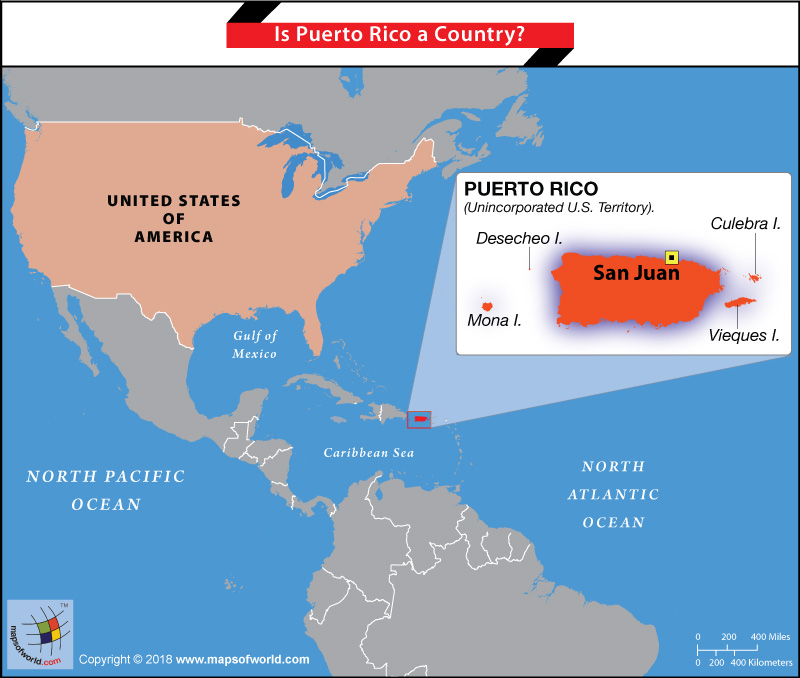
The question “Is Puerto Rico America?” is one frequently asked by travelers and curious minds alike, and its answer is more nuanced than a simple yes or no. For anyone planning to explore this vibrant Caribbean gem, understanding its unique relationship with the United States is crucial to fully appreciating its culture, navigating its landscapes, and maximizing the travel experience. Puerto Rico is not a state, nor is it an independent country. It holds a distinct political status as an unincorporated territory of the United States, officially known as the Commonwealth of Puerto Rico. This designation grants it a fascinating blend of autonomy and dependence, shaping everything from its governance to its identity and, most importantly for travelers, the practicalities of visiting. This article delves into the intricate details of Puerto Rico’s status, what it means for those venturing to its shores, and how this unique relationship enriches the travel opportunities it offers. By the end, you’ll not only understand Puerto Rico’s place in the world but also be better equipped to plan an insightful and unforgettable journey to this extraordinary destination.
The Official Relationship: A Commonwealth of the United States
To truly grasp Puerto Rico’s position, it’s essential to understand its official political ties to the United States. The term “Commonwealth” signifies a self-governing political unit voluntarily associated with another, in this case, the United States. This arrangement grants Puerto Rico a degree of local autonomy while remaining under the sovereignty of the federal government. This complex relationship is rooted in a rich history and defined by specific legal frameworks that set Puerto Rico apart from both states and fully independent nations.
Historical Context: From Spanish Colony to US Territory
Puerto Rico’s journey to its current status began centuries ago. Originally inhabited by the Taíno people, the island was colonized by Spain in the early 16th century. For over 400 years, it remained a strategic outpost for the Spanish Empire, deeply imbuing the island with Spanish language, culture, and architecture, elements still profoundly evident today. The turning point came in 1898 with the Spanish-American War. As a result of this conflict, Spain ceded Puerto Rico to the United States under the Treaty of Paris. From that moment, Puerto Rico transitioned from a Spanish colony to a US territory, embarking on a new chapter defined by evolving political relationships with the mainland. In 1917, the Jones-Shafroth Act granted US citizenship to Puerto Ricans, a pivotal moment that further integrated the island’s population into the fabric of the United States while maintaining its distinct territorial status. This historical trajectory underscores the blend of influences that make Puerto Rico such a fascinating destination.
The Legal Framework: What “Commonwealth” Means
The legal foundation of Puerto Rico’s commonwealth status is multifaceted. As an unincorporated territory, the US Constitution applies only partially to the island, primarily in its fundamental provisions. Puerto Ricans are US citizens, hold US passports, and are subject to federal laws, but they cannot vote in US presidential elections and have only non-voting representation in the US Congress. They pay federal taxes like Social Security and Medicare, but generally do not pay federal income tax on income earned within Puerto Rico. The island has its own constitution, elected governor, and legislative assembly, giving it significant control over local affairs, including taxation, education, and infrastructure. This unique legal status means that while Puerto Rico benefits from the stability and resources of the United States, it also maintains a strong sense of its own identity and governance. For travelers, this translates into certain conveniences and familiarities, alongside distinct cultural experiences that differentiate it from the mainland.
What This Means for Travelers
Understanding Puerto Rico’s political status is more than just an academic exercise; it has tangible implications for anyone planning a trip. From simplified entry requirements to familiar currency and robust infrastructure, the island’s relationship with the United States significantly shapes the travel experience, often making it an incredibly accessible and comfortable destination for many international visitors, especially those from the US mainland.
Entry and Exit: Seamless for US Citizens
One of the most significant advantages for travelers from the United States is the ease of entry. Because Puerto Rico is a US territory, US citizens do not need a passport to travel to the island. A valid government-issued photo ID, such as a driver’s license, is sufficient for air travel, similar to domestic flights within the continental United States. This eliminates the need for passport applications, international customs, and currency exchanges, streamlining the travel process considerably. For international visitors, standard US visa requirements apply, making it as straightforward as traveling to any US state. This accessibility makes Puerto Rico an attractive option for those seeking an exotic Caribbean getaway without the complexities often associated with international travel.
Currency, Language, and Legal System
Another major convenience for US travelers is the currency. The official currency of Puerto Rico is the US Dollar, eliminating the need for currency exchange and making budgeting straightforward. ATMs are widely available, and credit cards are accepted at most establishments, just as they are on the mainland. While Spanish is the dominant language and the primary language of instruction, English is also an official language and widely spoken, particularly in tourist areas and major cities like San Juan. This bilingual environment makes communication relatively easy for English-speaking visitors. Furthermore, the legal system in Puerto Rico is based on the US federal system, providing a sense of familiarity and legal protections for visitors. These aspects collectively contribute to a travel experience that feels both exotic and reassuringly familiar, blending Caribbean charm with American convenience.
Infrastructure and Services
As a US territory, Puerto Rico benefits from robust infrastructure and services that align with US standards. The electrical outlets are the same as in the United States (Type A and B, 120V), eliminating the need for power adapters. Roads are generally well-maintained, and car rental agencies operate similarly to those on the mainland, providing an excellent way to explore beyond San Juan. Major airlines offer frequent flights to San Juan’s Luis Muñoz Marín International Airport, connecting the island to numerous US cities and international hubs. Emergency services, postal services, and telecommunications also adhere to US standards, ensuring a level of reliability and familiarity for travelers. This sturdy infrastructure supports a diverse tourism industry, from luxury resorts to independent guesthouses, making Puerto Rico an accessible and well-supported travel destination.

The Unique Blend: Culture, Identity, and Experience
Beyond the practicalities of travel, Puerto Rico’s status as a US commonwealth fosters a truly unique cultural identity. This blend of Spanish, indigenous Taíno, African, and American influences creates a vibrant tapestry that is distinctively Puerto Rican and incredibly captivating for visitors. It’s this rich cultural fusion that truly defines the island as a destination, offering experiences unlike anywhere else.
A Caribbean Soul with American Ties
At its heart, Puerto Rico is a Caribbean island with all the warmth, rhythm, and natural beauty associated with the region. Its culture is deeply rooted in its Spanish colonial past, evident in its language, cuisine, music (salsa, reggaeton), and architecture, particularly in historic Old San Juan. Yet, decades of association with the United States have woven in American threads, from pop culture references to consumer brands and certain civic structures. This dual influence is palpable in daily life: you might find traditional Puerto Rican street food vendors next to American fast-food chains, or hear conversations seamlessly shifting between Spanish and English. For travelers, this means enjoying the exotic allure of a tropical Caribbean destination while benefiting from certain comforts and familiarities that US ties provide. It’s a place where you can experience genuine cultural immersion without feeling entirely out of your element.
Exploring Puerto Rican Identity
The question “Is Puerto Rico America?” also speaks to the ongoing dialogue about Puerto Rican identity. While Puerto Ricans are US citizens, they maintain a fierce pride in their unique heritage and culture. They are “americanos” in a geographical sense and by citizenship, but profoundly Puerto Rican in their cultural essence. This identity is celebrated through vibrant festivals, a distinct culinary tradition, passionate music and dance, and a strong sense of community. When visiting, travelers have the opportunity to engage with this dynamic identity, learning about the island’s complex history and witnessing the resilience and spirit of its people. From the colorful streets of Old San Juan to the remote villages in the central mountains, the authentic Puerto Rican experience is a journey into a culture that is both proudly distinct and intricately linked to the broader American narrative.
Planning Your Trip: Navigating the Destination
With a clearer understanding of Puerto Rico’s unique status, you’re well-prepared to plan an exciting adventure. The island offers an incredible array of attractions and experiences, catering to every type of traveler, from history buffs and nature lovers to beach enthusiasts and foodies. Its American ties contribute to the ease of planning, while its Caribbean spirit ensures an unforgettable journey.
Discovering Puerto Rico’s Diverse Attractions
Puerto Rico’s landscape is incredibly diverse, offering something for everyone. Start your exploration in San Juan, where the historic cobblestone streets of Old San Juan beckon with centuries-old forts like Castillo San Felipe del Morro and Castillo de San Cristóbal, vibrant colonial architecture, and the official residence of the Governor, La Fortaleza. Beyond the capital, immerse yourself in nature at El Yunque National Forest, the only tropical rainforest in the US National Forest System, where you can hike to waterfalls and enjoy breathtaking biodiversity.
For beach lovers, Puerto Rico boasts world-class coastlines. Luquillo Beach near Fajardo offers calm waters and palm-lined shores, while the pristine white sands of Flamenco Beach on the island of Culebra are consistently ranked among the world’s best. Don’t miss the magical experience of kayaking through one of Puerto Rico’s Bioluminescent Bays, particularly in Vieques or Fajardo, where microorganisms light up the water with every movement.
Venture to the south to discover the architectural beauty of Ponce, known for its unique ‘Ponce Creole’ style and vibrant museums. On the west coast, the surf town of Rincón is a haven for water sports enthusiasts. Each region offers distinct flavors and experiences, showcasing the incredible variety packed into this relatively small island.

Practical Tips for a Smooth Journey
To ensure a smooth and enjoyable trip, consider these practical tips:
- Transportation: Renting a car is highly recommended for exploring beyond San Juan. Major rental companies operate at the airport.
- Best Time to Visit: The dry season, from December to May, offers pleasant weather and less humidity.
- Packing Essentials: Pack light clothing, swimwear, reef-safe sunscreen, insect repellent (especially for El Yunque National Forest and evenings near water), and comfortable walking shoes.
- Safety: Puerto Rico is generally safe for tourists, but always exercise standard travel precautions, especially in crowded areas or at night.
- Local Etiquette: Acknowledge locals with a polite “Hola” and “Gracias.” Learning a few basic Spanish phrases will be appreciated.
- Connectivity: Cell phone service is generally reliable, and Wi-Fi is widely available in hotels and cafes.
By keeping these tips in mind and embracing the spirit of adventure, you’re set to uncover the wonders of Puerto Rico.
In conclusion, while “Is Puerto Rico America?” remains a question with a complex answer, it’s clear that Puerto Rico is a unique and integral part of the American fabric. Its status as a US commonwealth makes it an incredibly accessible and appealing destination for travelers seeking a blend of familiar convenience and exotic Caribbean adventure. From its seamless entry for US citizens and use of the US Dollar to its robust infrastructure, the island offers many comforts of home. Yet, it proudly maintains its distinct Spanish and Caribbean heritage, evident in its vibrant culture, delicious cuisine, and passionate people. Exploring Puerto Rico is an opportunity to delve into a destination that beautifully marries two worlds, offering an enriching travel experience unlike any other. So pack your bags, prepare for warmth, culture, and adventure, and discover for yourself why Puerto Rico truly is a world unto itself, yet intimately connected to America.
LifeOutOfTheBox is a participant in the Amazon Services LLC Associates Program, an affiliate advertising program designed to provide a means for sites to earn advertising fees by advertising and linking to Amazon.com. Amazon, the Amazon logo, AmazonSupply, and the AmazonSupply logo are trademarks of Amazon.com, Inc. or its affiliates. As an Amazon Associate we earn affiliate commissions from qualifying purchases.