
A common geographical query that often arises when planning a trip to the sun-drenched islands of the tropics is the precise location of Puerto Rico. Many travelers, in their initial research, might find themselves wondering if this vibrant destination is nestled within Central America. The simple and definitive answer is no, Puerto Rico is not in Central America. Instead, it is a quintessential Caribbean island, celebrated for its unique blend of cultures, stunning natural beauty, and a rich history that captivates every visitor. Understanding its true geographical and cultural context is key to appreciating what makes Puerto Rico such a captivating travel destination. This article will delve into Puerto Rico’s actual location, unravel its distinct identity, and highlight why it stands out as a premier spot for an unforgettable Caribbean experience.

Unpacking the Geography: Where Exactly Is Puerto Rico?
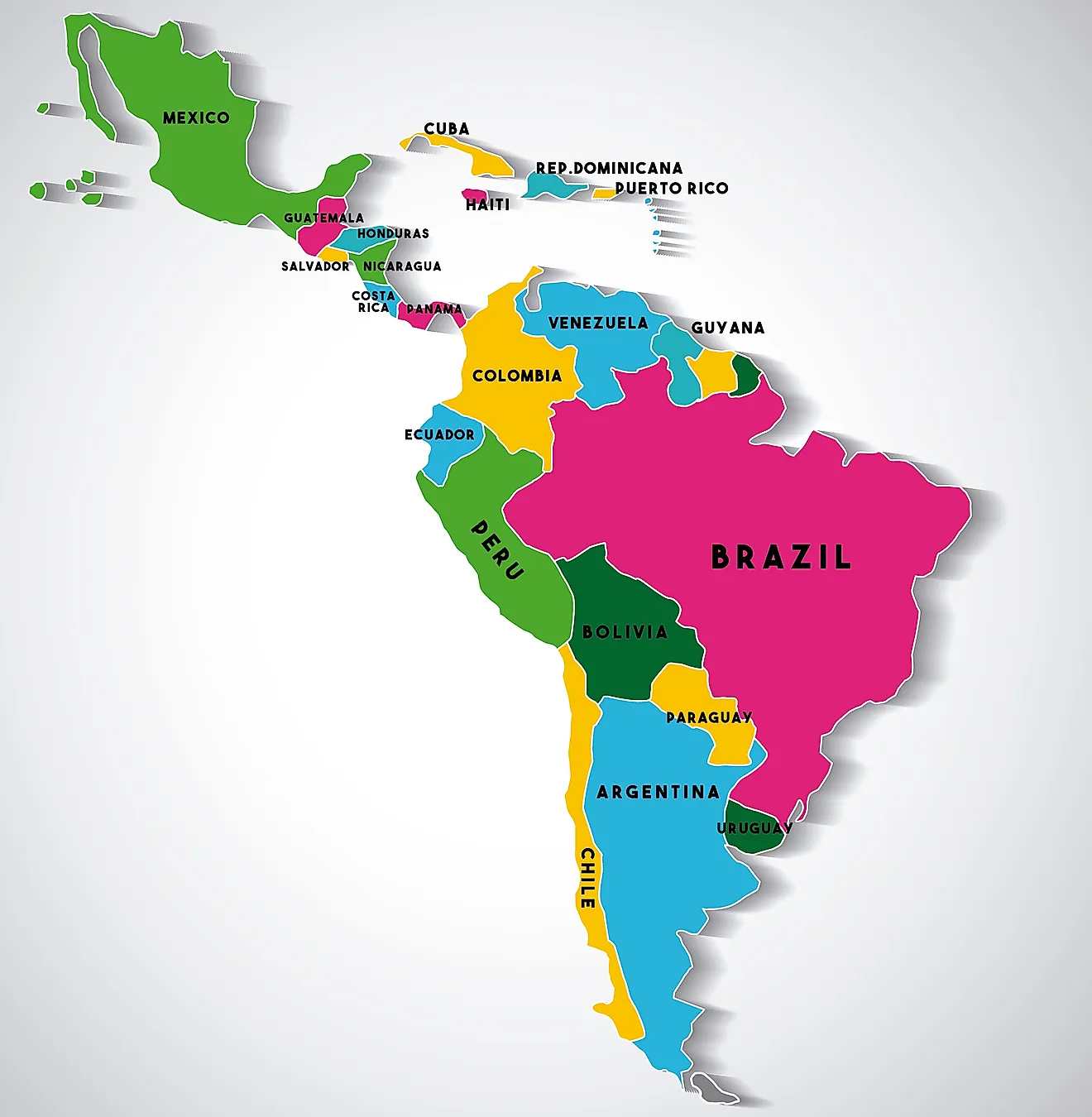
To properly situate Puerto Rico on the world map, it’s essential to clarify the geographical distinctions between the various regions often grouped under the broader “Latin America” or “Tropical Americas” umbrella. Puerto Rico firmly belongs to the island nations of the Caribbean, a region distinctly separate from the mainland expanse of Central America.
The Caribbean Context: Part of the Greater Antilles
Puerto Rico is an archipelago located in the northeastern Caribbean Sea, east of the Dominican Republic and west of the Virgin Islands. More specifically, it is the smallest and easternmost of the Greater Antilles island group, which also includes larger islands such as Cuba, Hispaniola (home to Haiti and the Dominican Republic), and Jamaica. These islands form an arc that largely defines the northern boundary of the Caribbean Sea, separating it from the vast Atlantic Ocean. The Caribbean region, characterized by its tropical climate, coral reefs, and volcanic origins, boasts a distinct geological and ecological profile that sets it apart from continental landmasses. The islands here sit predominantly on the Caribbean Plate, a major tectonic plate that is distinct from the North and South American plates, which largely underpin the Central American countries.
Dispelling the Central America Myth
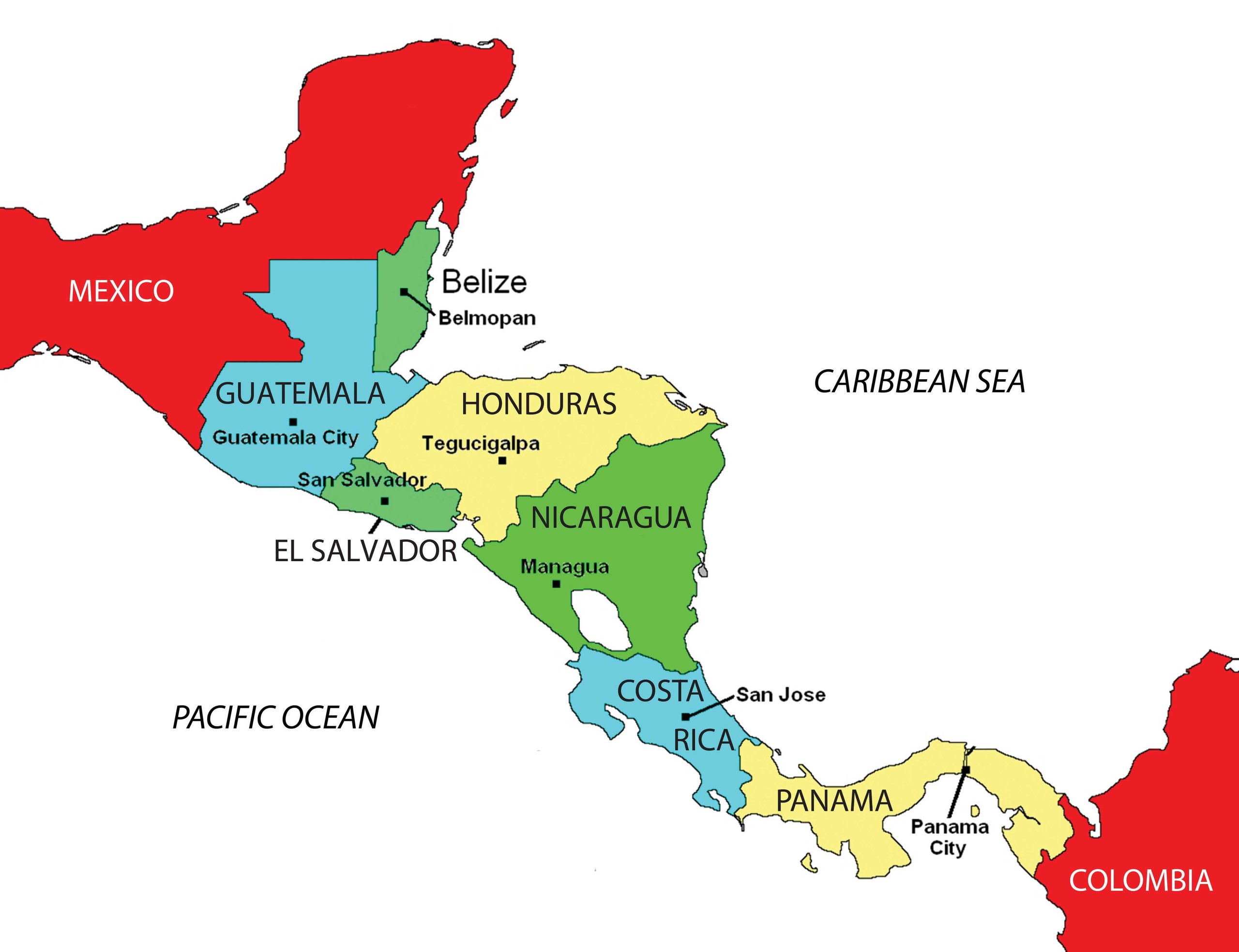
The confusion often stems from the fact that both Puerto Rico and the countries of Central America share historical ties to Spanish colonization and, to varying degrees, a vibrant Latin culture. However, geographically, Central America refers to the narrow, southernmost land bridge of the North American continent, connecting Mexico to South America. It comprises countries such as Belize, Guatemala, Honduras, El Salvador, Nicaragua, Costa Rica, and Panama. These nations are characterized by their continental mountain ranges, Pacific and Caribbean coastlines, and a terrestrial ecology quite different from the island ecosystems of the Greater Antilles. While there might be cultural overlaps due to shared history and migration patterns, the geological, political, and even some cultural distinctions between the Caribbean islands and Central American nations are significant.
Puerto Rico’s Unique Identity: A Blend of Cultures
Beyond its geographical placement, Puerto Rico’s identity is a captivating tapestry woven from indigenous roots, Spanish colonial heritage, and a modern relationship with the United States. This unique confluence creates a distinct cultural experience that is unlike any other in the Caribbean.
Spanish and Taíno Roots
The island’s history stretches back thousands of years to its indigenous inhabitants, primarily the Taíno people. Their influence, though significantly diminished after European contact, can still be found in certain aspects of Puerto Rican cuisine, language, and art. The arrival of Christopher Columbus in 1493 marked the beginning of Spanish colonization, which lasted for over 400 years. This long period of Spanish rule deeply imprinted upon the island, shaping its language (Spanish being the dominant language), religion (predominantly Catholicism), architecture, and many cultural traditions. The vibrant Fiestas de la Calle San Sebastián in Old San Juan or the rhythmic beats of plena and bomba music are just a few examples of this enduring Spanish legacy, infused with African influences brought by enslaved people.
American Commonwealth Status
In 1898, following the Spanish-American War, Puerto Rico became a territory of the United States. This transition introduced a new layer to its cultural and political identity. Today, Puerto Rico is an unincorporated territory and commonwealth of the United States. This unique status means that while Puerto Ricans are US citizens, they do not have voting representation in the US Congress and do not vote in presidential elections (though they can vote in primaries). The US dollar is the official currency, and English is an official language alongside Spanish. For US citizens, traveling to Puerto Rico is akin to domestic travel, requiring no passport and offering seamless connectivity. This blend of Latin American heritage with American influence creates a fascinating cultural dynamic, evident in everything from its cuisine and music to its educational system and infrastructure.
Why Puerto Rico is a Premier Caribbean Travel Destination
With its distinct geographical and cultural identity firmly established, it becomes clear why Puerto Rico stands out as a world-class travel destination. Its unique position as an easily accessible Caribbean gem with a rich historical backdrop offers an unparalleled array of experiences for every type of traveler.
Diverse Landscapes and Natural Wonders
Puerto Rico’s natural beauty is incredibly diverse, ranging from lush rainforests to pristine beaches and unique geological phenomena. The El Yunque National Forest is a prime example – it’s the only tropical rainforest in the US National Forest System. Visitors can hike its trails, swim in natural pools beneath waterfalls, and marvel at its incredible biodiversity.
Beyond the rainforest, the island is home to three of the world’s five bioluminescent bays. These magical bays, particularly the one in Vieques, Fajardo, and Lajas, glow with an ethereal blue light when disturbed, offering an unforgettable night kayaking experience. For beach lovers, Puerto Rico offers everything from the world-renowned Flamenco Beach on Culebra Island with its powdery white sands and turquoise waters, to the lively family-friendly shores of Luquillo Beach, complete with kiosks serving local delicacies. The rugged west coast, meanwhile, is a haven for surfers, with powerful waves and vibrant beach towns.
Rich History and Vibrant Culture
History comes alive in Puerto Rico, particularly in the captivating cobblestone streets of Old San Juan. This historic district, a UNESCO World Heritage site, is a kaleidoscope of colorful colonial architecture, charming plazas, and imposing fortresses. Walking through Old San Juan is like stepping back in time, with landmarks such as El Morro and San Cristóbal, two massive Spanish colonial forts that offer breathtaking views of the Atlantic Ocean and a tangible connection to the island’s strategic past.
The culture is equally intoxicating. Music is the heartbeat of Puerto Rico, from the salsa rhythms echoing through dance halls to the modern beats of reggaeton that originated here. Food is a journey in itself, with a delectable fusion of Spanish, African, and Taíno influences. Must-try dishes include mofongo (fried plantains mashed with garlic and pork cracklings), lechón (roasted suckling pig), and alcapurrias (fritters filled with meat or seafood). The warmth and hospitality of the Puerto Rican people, known as Boricuas, further enrich the travel experience, making visitors feel welcome and part of the vibrant island life.
Accessibility and Modern Amenities
One of Puerto Rico’s greatest advantages as a travel destination, especially for US citizens, is its exceptional accessibility. Direct flights are available from numerous major US cities to Luis Muñoz Marín International Airport (SJU) in San Juan, making it an easy weekend getaway or a longer vacation spot without the need for currency exchange or international roaming charges. The island boasts a robust tourism infrastructure, with a wide range of accommodations from luxurious beachfront resorts and boutique hotels in Old San Juan to charming guesthouses and eco-lodges. Modern amenities, reliable communications, and a well-developed road network ensure a comfortable and convenient travel experience.
Planning Your Trip to Puerto Rico
For travelers eager to explore this Caribbean marvel, a bit of planning can ensure a seamless and enriching journey.
Best Time to Visit
The ideal time to visit Puerto Rico is during the dry season, from December to May, when the weather is consistently pleasant with less humidity and lower chances of rain. This period avoids the peak of hurricane season, which typically runs from June to November. However, even during the wetter months, rain often comes in short, refreshing bursts, and the island remains verdant and beautiful. Traveling in the shoulder seasons (late spring or early fall) can also offer good weather with fewer crowds and potentially lower prices.
Getting Around
Renting a car is highly recommended for exploring Puerto Rico beyond San Juan, allowing for flexibility to discover hidden beaches, mountain towns, and natural parks. Major car rental agencies are available at Luis Muñoz Marín International Airport. Within San Juan itself, taxis, ride-sharing services, and even a limited public bus system are available. For excursions to the smaller islands like Vieques and Culebra, ferries or small planes offer convenient transportation.
Essential Experiences
No trip to Puerto Rico would be complete without:
- Wandering through Old San Juan: Explore the colorful streets, visit El Morro and San Cristóbal, and enjoy local cuisine.
- Hiking in El Yunque National Forest: Discover waterfalls, unique flora, and the sounds of the coqui frog.
- Kayaking a Bioluminescent Bay: Witness the natural phenomenon of glowing waters, especially magical in Vieques.
- Relaxing on World-Class Beaches: From the famous Flamenco Beach to the calmer waters of Luquillo, there’s a beach for every mood.
- Savoring Local Cuisine: Indulge in mofongo, empanadillas, and fresh seafood from roadside kiosks or fine dining establishments.
- Visiting a Coffee Plantation: Learn about Puerto Rico’s rich coffee heritage in the central mountains.
In conclusion, while the question “Is Puerto Rico in Central America?” is a common one, the answer firmly places it in the heart of the Caribbean. This geographical distinction, coupled with its vibrant blend of Taíno, Spanish, and American influences, crafts a destination that is truly one-of-a-kind. For travelers seeking a rich tapestry of history, breathtaking natural beauty, delicious culinary adventures, and lively cultural experiences, Puerto Rico offers an accessible and unforgettable journey into the warmth of the Caribbean.
LifeOutOfTheBox is a participant in the Amazon Services LLC Associates Program, an affiliate advertising program designed to provide a means for sites to earn advertising fees by advertising and linking to Amazon.com. Amazon, the Amazon logo, AmazonSupply, and the AmazonSupply logo are trademarks of Amazon.com, Inc. or its affiliates. As an Amazon Associate we earn affiliate commissions from qualifying purchases.