
Puerto Rico, a vibrant Caribbean jewel, beckons travelers with its intoxicating blend of rich history, breathtaking natural beauty, and a culture that pulsates with life. From the cobblestone streets of Old San Juan to the verdant rainforests of El Yunque, the island offers an unforgettable experience for every kind of explorer. Whether you’re seeking a luxurious escape at a world-class resort, an immersive cultural adventure, or a family-friendly vacation filled with discovery, Puerto Rico has it all. As you plan your dream getaway, a fundamental question often arises: what is the official language of this captivating island? Understanding this aspect not only aids in communication but also provides a deeper insight into the island’s unique heritage.
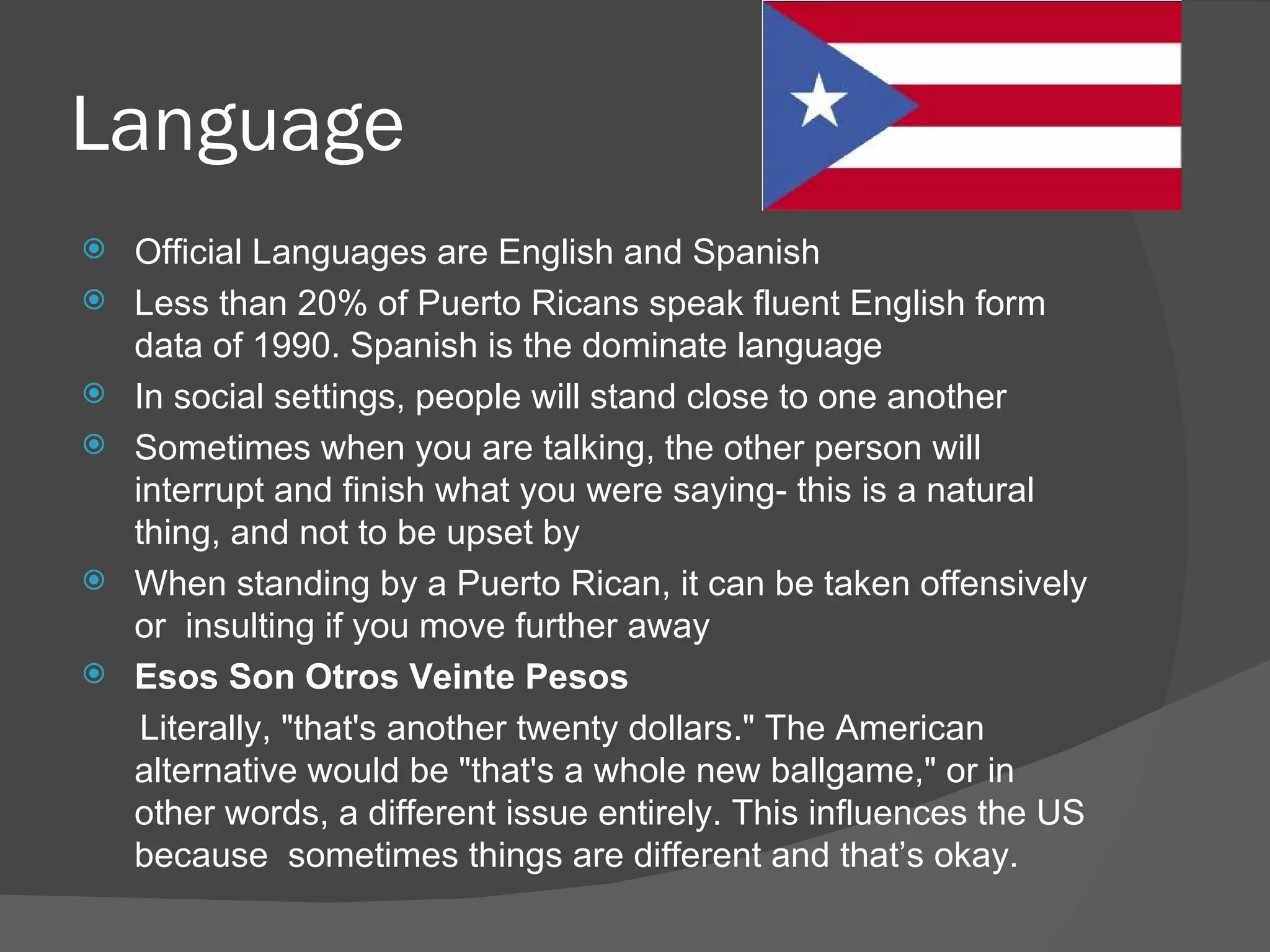
The answer to “What is the official language of Puerto Rico?” is multifaceted and reflects the island’s complex and fascinating history. While many associate Puerto Rico primarily with Spanish due to its colonial past, the reality is that the island boasts two official languages. This bilingual status is a cornerstone of Puerto Rican identity, shaping everything from daily interactions to the preservation of its cultural narratives.
Understanding Puerto Rico’s Linguistic Landscape
The linguistic landscape of Puerto Rico is a testament to its historical evolution and its enduring cultural connections. For centuries, Spanish was the sole language of administration, education, and everyday life. However, following the Spanish-American War in 1898, Puerto Rico became a territory of the United States. This shift brought with it the English language, which was gradually introduced and promoted in various sectors. The result today is a dynamic bilingual environment where both Spanish and English hold significant official status.
Spanish: The Heartbeat of Puerto Rican Culture
Spanish is undeniably the dominant language spoken by the vast majority of Puerto Ricans. It is the language of home, the primary tongue in most daily conversations, and the medium through which much of the island’s rich cultural heritage is expressed. From the lyrical poetry of renowned Puerto Rican writers to the passionate rhythms of salsa and reggaeton, Spanish is the vibrant thread that weaves through the fabric of Puerto Rican life.
The Spanish spoken in Puerto Rico is a distinct dialect, often referred to as Puerto Rican Spanish. It carries its own unique vocabulary, idiomatic expressions, and even pronunciation patterns, influenced by indigenous Taíno languages, African dialects, and American English. This linguistic distinctiveness is a source of pride for many Puerto Ricans, symbolizing their unique identity. When you explore the local markets, engage with artisans in Old San Juan, or enjoy a home-cooked meal at a family-run “fonda,” you will be immersed in the melodic flow of Puerto Rican Spanish.
For travelers, understanding a few basic Spanish phrases can significantly enhance your experience. Even a simple “Hola” (Hello), “Gracias” (Thank you), and “Por favor” (Please) can open doors to warmer interactions and a more genuine connection with the local populace. Many islanders, especially in tourist areas, are proficient in English, but making an effort in Spanish is always appreciated and can lead to more authentic encounters.
English: A Gateway to Opportunity and Connection
Recognizing the increasing global interconnectedness and its relationship with the United States, English was officially recognized as an official language of Puerto Rico alongside Spanish in 1993. This designation reflects the island’s political status and its role within the United States. English plays a crucial role in various aspects of Puerto Rican society, particularly in business, government, and higher education.
In sectors geared towards international tourism, such as major hotels like the Caribe Hilton or the San Juan Marriott Resort & Stellaris Casino, you will find that English is widely spoken by staff. This ensures that visitors from English-speaking countries can navigate their stay with ease, from checking into their accommodations to ordering meals and arranging tours. Many businesses catering to tourists also operate bilingually, with signage and menus often available in both Spanish and English.
Furthermore, English is an integral part of the educational system, especially at the university level. This bilingual education system aims to equip Puerto Ricans with the skills necessary to compete in a globalized workforce and to foster a deeper understanding of both their own culture and the broader international community. For travelers, this means that while Spanish is deeply ingrained in the local culture, you will rarely encounter significant language barriers, especially in popular tourist destinations and major urban centers.
Navigating Puerto Rico as a Tourist: Language and Local Culture
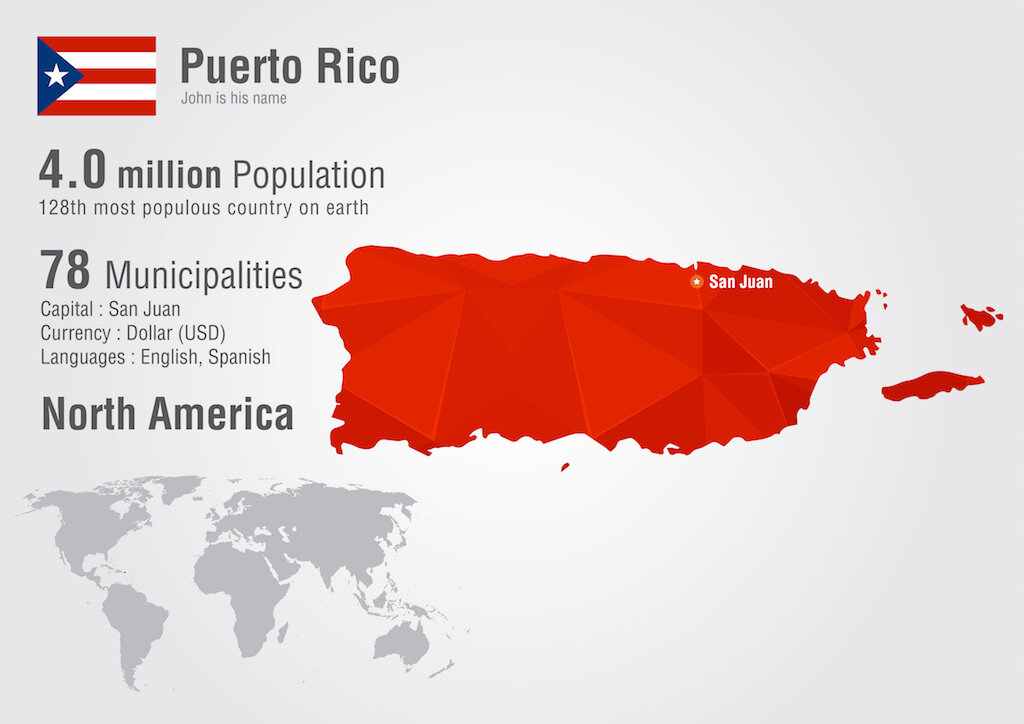
The bilingual nature of Puerto Rico creates a welcoming environment for a diverse range of travelers. Whether you are a seasoned globetrotter or embarking on your first international adventure, the island’s linguistic adaptability makes it an accessible and enjoyable destination. The interplay between Spanish and English is a fascinating aspect of Puerto Rican culture, and observing it firsthand offers a unique perspective on the island’s identity.
Embracing the Local Vibe: Tourism and Language Interaction
When you explore the bustling streets of San Juan, visit historical sites like Castillo San Felipe del Morro, or venture out to natural wonders like the Bioluminescent Bays of Fajardo, you’ll encounter a spectrum of language use. In the heart of Old San Juan, with its colorful colonial architecture and vibrant atmosphere, you might hear a lively mix of Spanish and English spoken by locals and tourists alike. Shopkeepers might greet you in Spanish, and then switch to English if they sense you are more comfortable with it. This fluidity is a hallmark of Puerto Rican hospitality.
When seeking authentic culinary experiences, venturing beyond the most tourist-centric establishments can be incredibly rewarding. Trying local “pinchos” from a street vendor or enjoying “mofongo” at a neighborhood restaurant might involve more direct engagement in Spanish. Learning a few key phrases can significantly enhance these interactions. For example, asking “Qué recomiendan?” (What do you recommend?) can lead to discovering hidden culinary gems.
If you’re planning activities like hiking in El Yunque National Forest or exploring the caves of Cueva Ventana, guided tours are often available in both languages. This ensures that everyone can appreciate the rich history and natural wonders of these iconic landmarks. The guides themselves are often excellent examples of the bilingual Puerto Rican population, seamlessly switching between languages to cater to their group.
Accommodation and Services: Comfort in Any Language
When it comes to booking accommodation, Puerto Rico offers a wide array of options, from luxurious resorts to charming boutique hotels and private villas. Major hotel chains, such as The Ritz-Carlton, San Juan, and independent luxury properties, typically have staff fluent in English, ensuring a smooth and comfortable stay. This is also true for many vacation rental platforms where property managers are accustomed to communicating with international guests in English.
Even in smaller towns or more secluded areas, you’ll likely find that essential services are accessible. While the local dialect of Spanish will be prevalent, many individuals involved in the tourism industry have a working knowledge of English, especially in areas frequented by visitors. If you are staying in a private apartment or a long-term rental, it’s always a good idea to have a translation app handy, just in case. However, the spirit of welcome and helpfulness among Puerto Ricans often transcends language barriers.
Beyond Language: The Richness of Puerto Rican Culture
The linguistic duality of Puerto Rico is just one facet of its rich and multifaceted culture. The island’s heritage is a vibrant tapestry woven from Taíno, Spanish, African, and American influences. This cultural fusion is evident in its music, dance, art, cuisine, and, of course, its languages.

Experiencing Puerto Rico’s Cultural Tapestry
As you plan your travels, consider immersing yourself in the local culture beyond just the language. Attend a bomba or plena music performance, marvel at the intricate architecture of Castillo San Cristobal, or indulge in the diverse flavors of Puerto Rican cuisine. From the sweet “tembleque” dessert to the savory “lechón” roasted to perfection, the island’s food is a celebration of its history and its people.
Many cultural festivals and events throughout the year offer a fantastic opportunity to experience Puerto Rican life firsthand. These events often feature traditional music, dance, food, and crafts, providing a lively and authentic glimpse into the island’s soul. Whether you are enjoying a leisurely stroll through Condado or seeking adventure in the mountains, the warmth and friendliness of the Puerto Rican people will undoubtedly make your journey memorable.
In conclusion, while Puerto Rico officially recognizes both Spanish and English as its languages, Spanish remains the dominant and most cherished language of its people and culture. However, the widespread use of English, particularly in tourist-related sectors, ensures that visitors can communicate effectively and enjoy all that this beautiful island has to offer. The island’s linguistic flexibility, combined with its unparalleled natural beauty and vibrant culture, makes Puerto Rico an exceptional destination for travelers seeking a truly enriching experience.
LifeOutOfTheBox is a participant in the Amazon Services LLC Associates Program, an affiliate advertising program designed to provide a means for sites to earn advertising fees by advertising and linking to Amazon.com. Amazon, the Amazon logo, AmazonSupply, and the AmazonSupply logo are trademarks of Amazon.com, Inc. or its affiliates. As an Amazon Associate we earn affiliate commissions from qualifying purchases.