
While often thought of as a tropical paradise for travelers, Puerto Rico is also a vibrant Caribbean island with a rich history and a dynamic population. Understanding the demographics of this U.S. territory is crucial for anyone interested in its culture, economy, and future. From the bustling streets of San Juan to the serene beaches of Vieques and Culebra, a diverse array of people call Puerto Rico home, contributing to its unique identity. This article delves into the population of Puerto Rico, exploring its size, distribution, and the factors that have shaped its demographic landscape.

Understanding Puerto Rico’s Population Dynamics
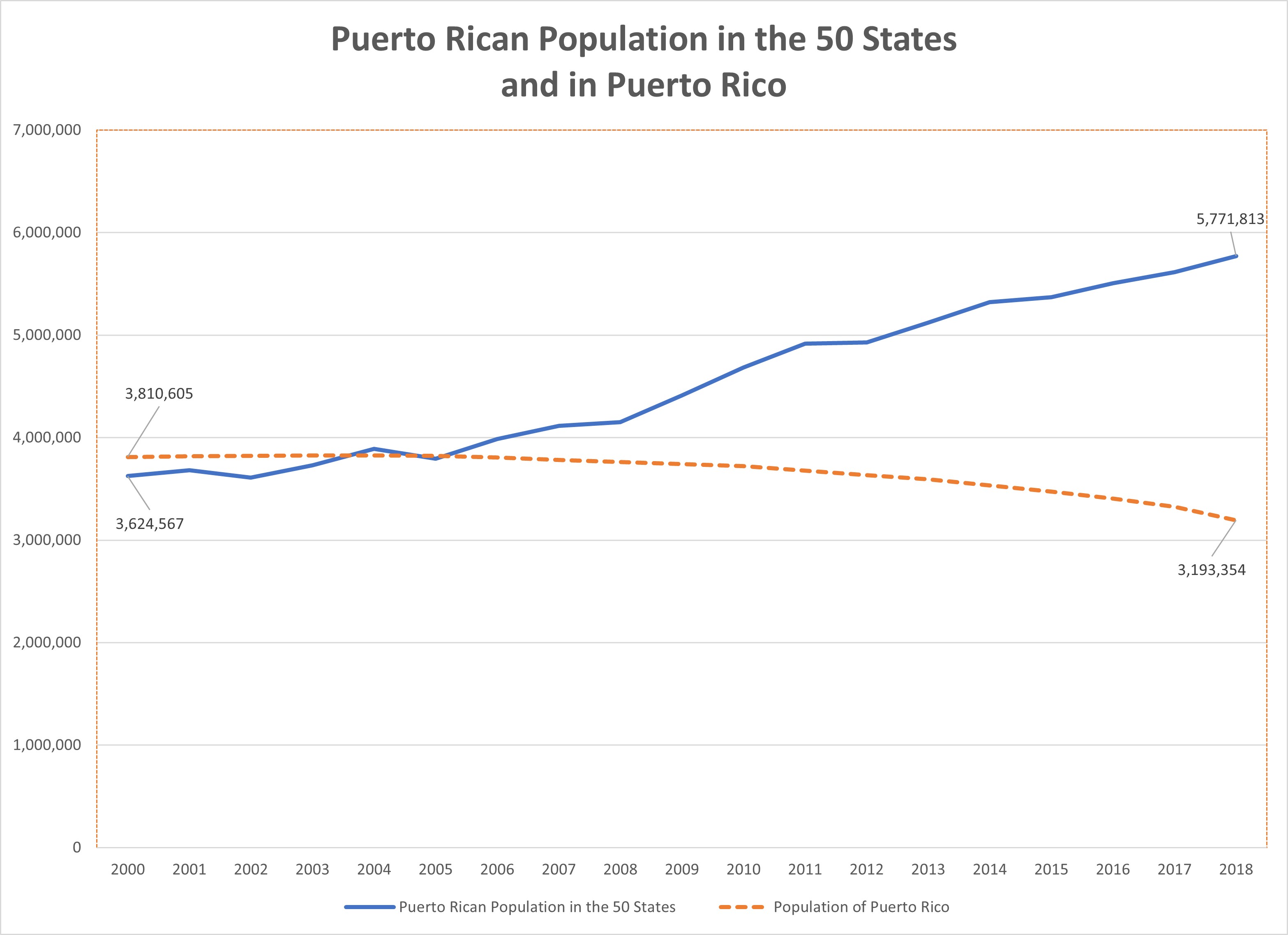
The population of Puerto Rico has seen fluctuations over the years, influenced by a combination of factors including birth rates, emigration, and immigration. As of recent estimates, the island’s population hovers around 3.2 million people. This figure represents a significant number for an island that spans just over 3,500 square miles, making it one of the more densely populated islands in the Caribbean. The demographic profile is also characterized by a relatively young population, although an aging trend is also becoming apparent.
The composition of the population is predominantly of Puerto Rican descent, with a blend of Spanish, African, and Taíno indigenous heritage. This ancestral mix is a cornerstone of the island’s distinctive culture, visible in its music, dance, cuisine, and festivals. While the majority of residents identify as Puerto Rican, the island also hosts a growing number of expatriates and individuals from the United States mainland, drawn by its natural beauty, economic opportunities, and vibrant lifestyle.
The Influence of Emigration and Immigration
One of the most significant demographic trends affecting Puerto Rico is emigration, particularly to the United States mainland. Economic challenges, natural disasters, and limited opportunities have historically driven many Puerto Ricans to seek better prospects abroad, especially in cities like New York City, Orlando, and Miami. This outflow has had a substantial impact on the island’s population size and age distribution, with many of the emigrants being younger, working-age individuals.
Conversely, Puerto Rico also experiences some immigration, though on a smaller scale. This includes individuals returning from the mainland, as well as a smaller influx of people from other countries who are attracted to the island’s climate and lifestyle. The island’s status as a U.S. territory also facilitates movement between Puerto Rico and the mainland, making the flow of people a complex and continuous process. The demographic shifts resulting from these movements play a vital role in shaping the island’s social fabric and its future development.
Population Distribution Across the Island
The population of Puerto Rico is not evenly distributed. The coastal areas, particularly the northern coast, are generally more densely populated than the interior mountainous regions. This pattern is largely due to historical development, the availability of resources, and the concentration of economic activity in these areas.
Major Urban Centers and Their Populations
San Juan, the capital and largest city, is the most populous and economically significant urban center. It serves as the political, cultural, and commercial heart of the island. The greater San Juan metropolitan area is home to a substantial portion of Puerto Rico‘s residents, featuring a mix of historical architecture in Old San Juan and modern development in areas like Hato Rey, often referred to as the “Financial District.” Beyond San Juan, other important cities include Ponce on the southern coast, known for its rich cultural heritage and art scene, and Mayagüez on the west coast, a significant port city. These urban centers act as hubs for commerce, education, and social life, drawing in residents from surrounding areas and contributing to their significant populations.

Rural and Coastal Communities
While urban areas dominate in population density, Puerto Rico also boasts numerous charming coastal towns and villages, as well as scattered communities in its mountainous interior. These areas offer a different pace of life, often centered around agriculture, fishing, and local tourism. The population in these regions tends to be smaller and more spread out, but these communities are vital to the island’s identity and cultural preservation. Many of these smaller towns, such as Rincón on the west coast, famous for its surfing, or the laid-back island municipalities of Vieques and Culebra, while having smaller permanent populations, experience significant seasonal influxes of tourists, impacting their local demographics and economies. The population of Vieques, for instance, is around 8,000, while Culebra is home to approximately 1,800 residents, but these numbers can swell considerably during peak tourist seasons.
Factors Shaping Puerto Rico’s Demographic Future
The population of Puerto Rico is not static; it is continuously evolving, influenced by a confluence of economic, social, and environmental factors. Understanding these influences is key to anticipating future demographic trends and their implications for the island’s development.
Economic Conditions and Their Impact
Economic performance has a profound effect on Puerto Rico‘s population. Periods of economic growth have historically seen a stabilization or even an increase in population, while economic downturns, coupled with high unemployment rates, have often led to increased emigration. The island’s ongoing efforts to diversify its economy, promote entrepreneurship, and attract foreign investment are crucial for retaining its population and encouraging those who have left to consider returning. Sectors like technology, pharmaceuticals, and tourism are seen as key drivers of future economic stability, which in turn can positively influence demographic trends.
The development of luxury resorts, charming boutique hotels, and diverse accommodations caters to a wide range of visitors, from those seeking opulent suites and villas to budget-conscious travelers looking for affordable apartments or guesthouses. This tourism infrastructure not only fuels the economy but also shapes the perception of Puerto Rico as a desirable place to visit and potentially live, indirectly affecting long-term stay considerations and the island’s appeal.
Social and Cultural Factors
Puerto Rico‘s strong sense of identity and cultural heritage plays a significant role in retaining its population and attracting those interested in its unique local culture, vibrant food scene, and engaging activities. The island’s rich history, evident in its landmarks, architecture, and natural beauty, provides a strong connection for its residents. Family ties are also exceptionally important in Puerto Rican society, often serving as a motivating factor for people to stay on or return to the island.
The island’s commitment to preserving its natural heritage, from the El Yunque National Forest to its pristine beaches, enhances its appeal for both residents and tourists. This focus on nature and outdoor experiences contributes to a desirable lifestyle, whether it’s luxury travel exploring remote islands, family trips to historical sites, or budget travel discovering hidden gems. The ongoing efforts to maintain and promote these aspects are vital for the island’s continued allure.
Environmental Considerations and Resilience
Puerto Rico is vulnerable to the impacts of climate change and natural disasters, such as hurricanes and earthquakes. The devastating impact of Hurricane Maria in 2017, for instance, led to a significant increase in emigration as residents sought stability and aid elsewhere. The island’s ongoing efforts to rebuild and enhance its infrastructure for greater resilience are critical not only for its physical recovery but also for fostering confidence and encouraging population stability. Investing in sustainable practices and disaster preparedness is paramount for the long-term well-being and demographic future of Puerto Rico.
In conclusion, the population of Puerto Rico is a complex and dynamic entity, shaped by a confluence of historical, economic, social, and environmental forces. While the precise numbers may fluctuate, the spirit and resilience of its people remain a constant. Understanding the population dynamics is not just about numbers; it’s about appreciating the human element that drives the culture, economy, and future of this captivating Caribbean island. Whether you are planning a trip to explore its attractions, stay in its diverse hotels, or simply learn more about its rich tourism offerings, acknowledging its population provides a deeper appreciation for the heart and soul of Puerto Rico.
LifeOutOfTheBox is a participant in the Amazon Services LLC Associates Program, an affiliate advertising program designed to provide a means for sites to earn advertising fees by advertising and linking to Amazon.com. Amazon, the Amazon logo, AmazonSupply, and the AmazonSupply logo are trademarks of Amazon.com, Inc. or its affiliates. As an Amazon Associate we earn affiliate commissions from qualifying purchases.