
When planning a trip to the captivating island of Puerto Rico, a question that often arises in the minds of potential visitors is: “What language is spoken there?” This is a crucial piece of information that can greatly enhance your travel experience, allowing for smoother interactions, deeper cultural immersion, and a more confident exploration of this vibrant Caribbean gem. Puerto Rico, a U.S. territory, boasts a rich linguistic landscape shaped by its history, culture, and its unique political status. Understanding the official languages and the prevalent spoken tongues will equip you with the knowledge to navigate its charming streets, bustling markets, and stunning natural wonders with ease.
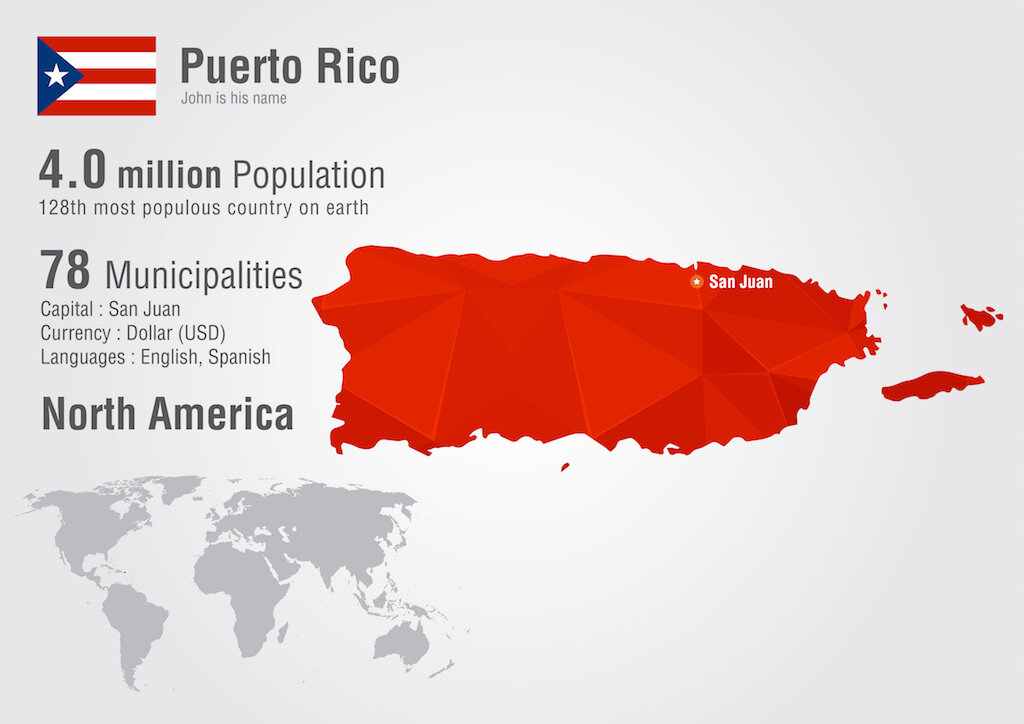
The official languages of Puerto Rico are Spanish and English. This dual-official status is a direct result of its complex historical journey and its ongoing relationship with the United States. While English holds official status, Spanish is undeniably the dominant language spoken by the vast majority of the island’s population in their daily lives. For travelers, this means that while you will encounter English speakers, particularly in tourist-heavy areas, being familiar with basic Spanish phrases can open doors to more authentic experiences and a greater appreciation for the local culture.
The Dominance of Spanish: A Lingual Legacy
The deep-rooted presence of Spanish in Puerto Rico is a testament to its colonial past. For over four centuries, under Spanish rule, the language became intrinsically woven into the fabric of Puerto Rican identity. From the historic cobblestone streets of Old San Juan to the remote villages nestled in the El Yunque rainforest, Spanish is the primary medium of communication. You’ll hear it spoken in shops, restaurants, during local festivals, and in everyday conversations amongst friends and families.
Everyday Communication and Cultural Nuances
For a tourist, navigating daily life in Puerto Rico will primarily involve interacting in Spanish. While many people working in the tourism sector, especially in places like San Juan, Ponce, or near major resorts such as the Fairmont El San Juan Hotel or the Ritz-Carlton Dorado Beach, are proficient in English, venturing off the beaten path will reveal a more exclusively Spanish-speaking environment. This is where a little Spanish goes a long way.
Even a few basic phrases can significantly enhance your interactions. Ordering food at a local eatery, asking for directions, or engaging in a friendly chat with a vendor can become much more rewarding. For instance, knowing “Hola” (Hello), “Gracias” (Thank you), “Por favor” (Please), and “Cuánto cuesta?” (How much does it cost?) will be incredibly helpful. The Puerto Rican dialect of Spanish also has its unique charm, with distinct slang and pronunciations that add to its richness. You might notice the common use of the “j” sound for “ll” and “y,” and the frequent elision of final consonants. Embracing these linguistic quirks is part of the authentic Puerto Rican experience.
The Influence on Local Culture and Arts
The pervasive use of Spanish profoundly influences Puerto Rico’s vibrant culture. From its world-renowned music and dance, like salsa and reggaeton, to its literature and poetry, the Spanish language is the vehicle through which Puerto Rican artistic expression flourishes. Visiting a local music venue in La Perla or attending a cultural performance will undoubtedly immerse you in the lyrical beauty of Spanish.
The island’s rich literary tradition, with celebrated authors like Luis Palés Matos and Julia de Burgos, is primarily written and appreciated in Spanish. Even though translations exist, experiencing these works in their original language offers a deeper connection to the Puerto Rican soul. This linguistic heritage is a fundamental aspect of the island’s identity, celebrated in its schools, media, and public life.
The Role of English: Bridging Connections
While Spanish reigns supreme in everyday life, English plays a significant and increasingly important role in Puerto Rico, primarily due to its political status as a U.S. territory. This dual-language environment offers a unique advantage for many travelers.
Official Capacity and Business Transactions
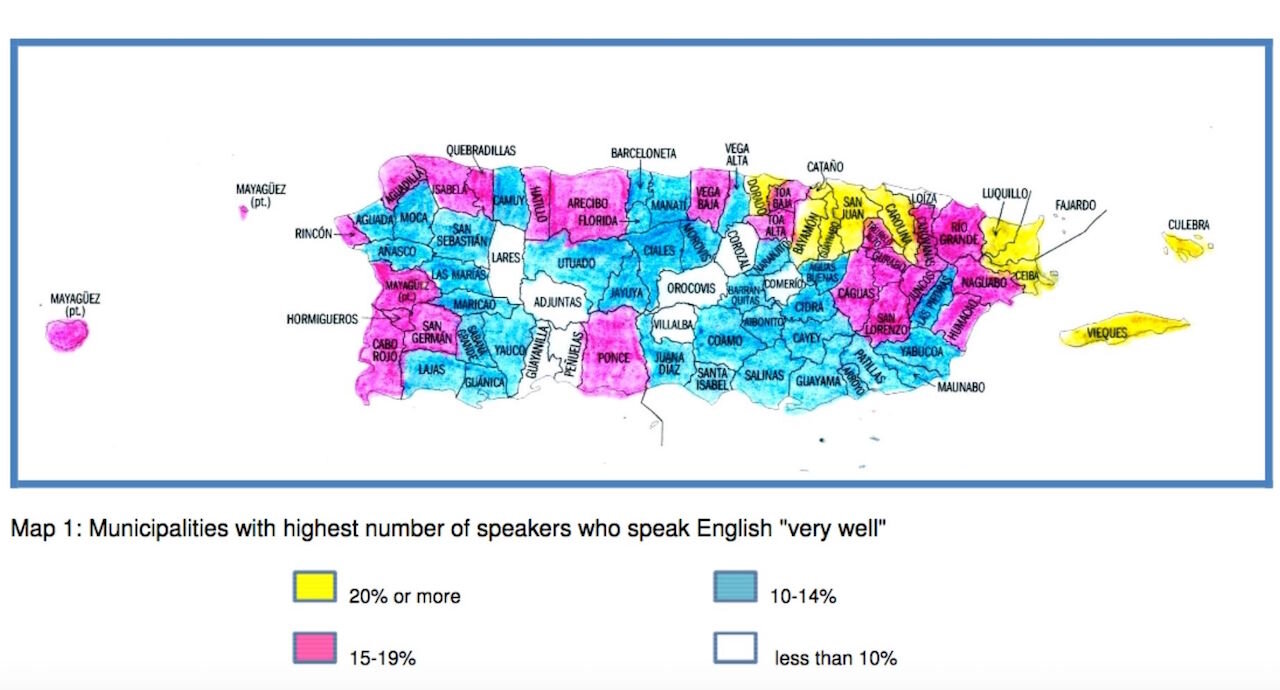
As a U.S. territory, English is recognized as an official language, particularly in government, legal proceedings, and official documentation. This means that if you are dealing with U.S. federal agencies on the island or engaging in formal business transactions, you can expect English to be used. Many government officials and employees are bilingual.
Furthermore, in the bustling tourism industry, English proficiency is widespread. Major hotels, from the luxurious Dorado Beach, a Ritz-Carlton Reserve, to more budget-friendly options, tourist information centers, and popular attractions like El Morro or the Bacardi Distillery, are equipped to serve English-speaking visitors. This makes planning your itinerary, booking tours, and asking for assistance relatively straightforward for those who are not fluent in Spanish.
Educational System and Modern Influence
The educational system in Puerto Rico is a fascinating blend. While Spanish is the primary language of instruction in most public schools, English is taught as a second language and is often a required subject. This has led to a younger generation that is increasingly bilingual. Many universities also offer programs and resources in English, especially those with international affiliations.
The influence of English is also evident in media, technology, and pop culture. American television shows, movies, and music are widely consumed, and the internet naturally facilitates English as a dominant language in many online spaces. This exposure further contributes to the bilingualism seen in many Puerto Ricans, especially in urban centers and among those who have studied or worked in the United States.
Navigating Puerto Rico: Practical Language Tips for Travelers
For the discerning traveler looking to make the most of their Puerto Rican adventure, understanding the linguistic landscape is key to unlocking a richer, more authentic experience. Whether you’re planning a romantic getaway at a luxury resort like the St. Regis Bahia Beach Resort, a family vacation exploring Old San Juan, or a solo exploration of the island’s natural beauty, a little linguistic preparation can go a long way.
Embracing Bilingualism: What to Expect and How to Prepare
As discussed, Spanish is the heart and soul of daily communication in Puerto Rico. While English is understood and spoken in many tourist hubs, don’t be surprised if you encounter situations where Spanish is the only option. This is an opportunity, not a barrier! Many Puerto Ricans are incredibly hospitable and appreciate any effort made to speak their language.
Preparation is simple and highly rewarding:
- Learn Basic Phrases: Before you even pack your bags, familiarize yourself with common Spanish phrases. As mentioned, greetings, polite requests, and simple questions are invaluable. Consider using language learning apps like Duolingo or Babbel, or even a pocket Spanish phrasebook.
- Carry a Translation App: In the digital age, a reliable translation app on your smartphone can be a lifesaver. Apps like Google Translate or iTranslate allow for real-time voice translation and text translation, which can be incredibly helpful for ordering food, understanding signs, or having a more complex conversation.
- Be Patient and Polite: Even if there’s a language barrier, a smile, a polite gesture, and patience go a long way. Puerto Ricans are known for their warmth and friendliness, and they will often go out of their way to help you.
- Utilize English When Available: Don’t shy away from using English in situations where you know it will be understood. Hotels, major attractions, and many restaurants will have English-speaking staff. This can be particularly useful for logistical matters like booking excursions or understanding hotel amenities.

Beyond the Basics: Cultural Immersion Through Language
The beauty of Puerto Rico extends far beyond its stunning beaches and historic landmarks like Castillo San Felipe del Morro. True immersion comes from connecting with the local people and their way of life, and language is a powerful bridge.
- Engage with Locals: When you have the chance, strike up conversations. Ask about their favorite local spots, recommendations for food beyond the typical tourist menus, or stories about the island. Even if you can only manage a few Spanish words, the effort will be appreciated and often lead to genuine connections. Consider visiting local markets or attending community events for more informal interactions.
- Listen to Local Music and Media: Tune into Puerto Rican radio stations or explore local music genres like plena and bomba. Even if you don’t understand every word, you’ll begin to pick up on common phrases and rhythms, further enhancing your appreciation for the language.
- Explore Beyond the Tourist Trail: Venture into smaller towns and villages. Here, you’ll find a more authentic Spanish-speaking environment. This is where you can truly experience the local dialect and daily life. Places like Lares, Utuado, or the coastal towns of the south offer a different pace and a deeper cultural insight.
In conclusion, the primary language spoken in Puerto Rico is Spanish, deeply embedded in its culture and history. However, English also plays a significant official and practical role, especially within the tourism sector and government. By understanding this linguistic dynamic and preparing with a few basic Spanish phrases, travelers can unlock a more profound and enriching experience on this enchanting island. Whether you’re seeking adventure in the El Yunque National Forest, relaxation at a luxurious resort, or a dive into the history of Old San Juan, a willingness to engage with the local language will undoubtedly enhance your journey.
LifeOutOfTheBox is a participant in the Amazon Services LLC Associates Program, an affiliate advertising program designed to provide a means for sites to earn advertising fees by advertising and linking to Amazon.com. Amazon, the Amazon logo, AmazonSupply, and the AmazonSupply logo are trademarks of Amazon.com, Inc. or its affiliates. As an Amazon Associate we earn affiliate commissions from qualifying purchases.