
Texas, the second-largest state in the United States, is a land of vast diversity, not just in its landscapes and cultures but profoundly in its weather patterns. Planning a trip to this magnificent state, whether for a luxury getaway, a budget-friendly adventure, a family vacation, or a crucial business stay, inevitably brings the question of what to expect from the skies. Understanding Texas’s climate is paramount to maximizing your experience, influencing everything from your packing list to your chosen activities and even the ideal time to book your accommodation. From the arid deserts of the west to the humid shores of the Gulf Coast, the Lone Star State offers a meteorological tapestry that’s as varied as its attractions.
Understanding the Lone Star State’s Climate Mosaic
Texas doesn’t simply have “weather”; it boasts a collection of distinct climates, each offering unique challenges and charms throughout the year. Its sheer size means that temperatures and precipitation can vary wildly from one region to another, even on the same day. This geographical phenomenon makes pre-trip weather research not just a suggestion but a necessity for any savvy traveler.
A Land of Extremes: Texas’s Diverse Climates
Spanning multiple climate zones, Texas is a fascinating case study in meteorological diversity. The western parts of the state, including cities like El Paso and the rugged terrain of Big Bend National Park, fall into an arid to semi-arid climate, characterized by hot days, cool nights, and minimal rainfall. Here, the sun reigns supreme, casting long shadows over ancient mountains and vast desert expanses. Moving eastward, into regions like North Texas (home to Dallas and Fort Worth) and Central Texas (encompassing Austin and San Antonio), the climate transitions to humid subtropical. This means hot, humid summers and generally mild winters, with occasional cold snaps. These areas also experience the full spectrum of seasons, marked by vibrant springs and colorful autumns.
Further south and along the Gulf Coast, around cities such as Houston, Galveston, and Corpus Christi, the humid subtropical climate becomes even more pronounced, with higher humidity levels year-round and a greater susceptibility to tropical weather systems, especially during hurricane season. The northern reaches of Texas, particularly the Panhandle and High Plains regions (where Amarillo and Lubbock are located), experience more extreme temperature fluctuations. Winters here can be surprisingly cold, with snowfall not uncommon, while summers are hot but often less humid than in the state’s central and eastern parts. This mosaic of climates means that any comprehensive guide to Texas weather must acknowledge these significant regional variations.
Beyond the Stereotype: More Than Just Heat
Many outsiders stereotype Texas as perpetually hot and dry. While summer heat is certainly a defining characteristic for much of the state, especially inland, this perception only tells part of the story. Texas experiences four distinct seasons, each with its own meteorological personality, offering diverse travel experiences. Spring brings forth a spectacular display of wildflowers, particularly the iconic Texas bluebonnets, under gloriously mild temperatures, making it a prime time for road trips and outdoor exploration. Autumn ushers in cooler, crisp air, ideal for hiking in state parks and attending numerous festivals without the oppressive summer heat. Even winter, often overlooked by travelers, offers its own charm. While rare, snow can transform parts of the Panhandle into a winter wonderland, and the generally mild conditions along the Gulf Coast make it an appealing escape from colder northern climates. For those seeking unique cultural experiences, understanding these seasonal nuances is key to planning.
Seasonal Deep Dive: When to Visit Texas
The “best” time to visit Texas largely depends on your travel goals and your tolerance for heat. Each season presents a different facet of the state, influencing everything from outdoor activities to the ambiance of its vibrant cities.
Spring’s Gentle Embrace: Wildflowers and Mild Breezes
March to May is arguably the most idyllic time to visit much of Texas. Temperatures are pleasantly warm but not scorching, typically ranging from the 60s to 80s Fahrenheit (15-30°C). This is the season when the state bursts into bloom, with countless wildflowers, including the famous bluebonnets, painting the roadside and fields in stunning hues. It’s perfect for scenic drives through the Texas Hill Country, exploring charming towns like Fredericksburg, or enjoying the San Antonio River Walk without breaking a sweat. Major events like SXSW in Austin and Rodeo Houston often take place during this time, attracting large crowds and making early accommodation booking essential. For travelers interested in nature and outdoor activities, spring offers comfortable conditions for hiking, biking, and wildlife viewing in state parks like Caprock Canyon State Park or Dinosaur Valley State Park.
Summer’s Fiery Spirit: Embracing the Heat
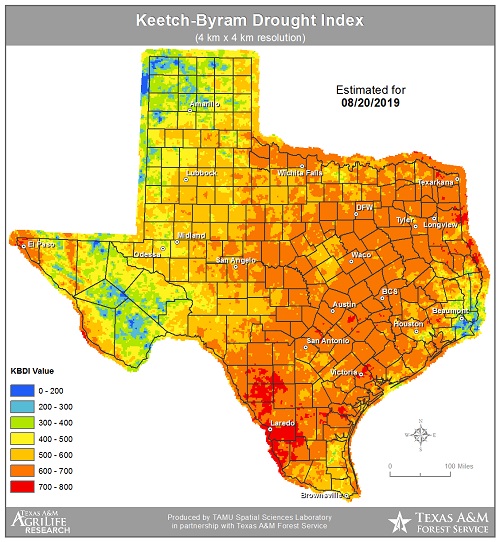
June to August defines the classic Texas summer: hot and often humid. Daytime temperatures frequently soar into the 90s and even triple digits (32-40°C+), particularly inland. The Gulf Coast cities like Galveston and Corpus Christi offer a slight reprieve with sea breezes, making beach resorts and water-based activities on South Padre Island particularly popular. This season is ideal for those who love swimming, boating, and enjoying indoor attractions with robust air conditioning, such as the Sixth Floor Museum in Dallas or Space Center Houston. While outdoor adventures in the desert regions like Big Bend are challenging due to extreme heat, sunrise or sunset hikes are still possible for the determined. Families often plan trips around water parks and lake activities, seeking accommodation with excellent pool facilities or near cooler natural springs.
Autumn’s Golden Glow: Festivals and Outdoor Adventures
September to November brings a welcome cooldown and is another highly recommended time to visit Texas. Temperatures become increasingly comfortable, similar to spring, ranging from the 60s to 80s Fahrenheit (15-30°C). Humidity levels drop, and the air becomes crisp and invigorating. Fall foliage, though not as widespread as in other parts of the United States, can be found in areas like Lost Maples State Natural Area. This is a prime season for exploring cities on foot, enjoying outdoor patios, and attending a plethora of food and music festivals. Football season is in full swing, creating an electric atmosphere across the state. It’s an excellent time for camping, hiking, and visiting historical sites like the Alamo in San Antonio. Accommodation tends to be busy, especially during popular festival weekends, so booking ahead is advisable.
Winter’s Varied Visage: From Mild to Mesmerizing
December to February in Texas is a season of contrasts. In the southern and coastal areas, winters are generally mild, with average daytime temperatures in the 50s and 60s Fahrenheit (10-20°C). This pleasant weather makes it an attractive destination for snowbirds seeking to escape colder climates, and a perfect time to explore urban attractions without the heat or crowds. Further north, particularly in the Panhandle, temperatures can drop significantly, with freezes and occasional snowfall possible. While heavy snow is rare in most of Texas, the occasional winter storm can bring freezing rain or sleet, especially to North Texas and parts of Central Texas. Despite this, winter offers opportunities for unique experiences, from enjoying holiday lights festivals to exploring museums and culinary scenes. Resorts and hotels may offer attractive off-peak rates, providing a chance for a luxury stay at a more budget-friendly price.
Navigating Texas’s Regional Weather Patterns
Understanding the general seasonal trends is a good start, but truly mastering Texas weather requires a regional focus. The state is so vast that pinpointing your exact destination is crucial for accurate planning.
The Panhandle and High Plains: Cooler Winters, Stormy Summers
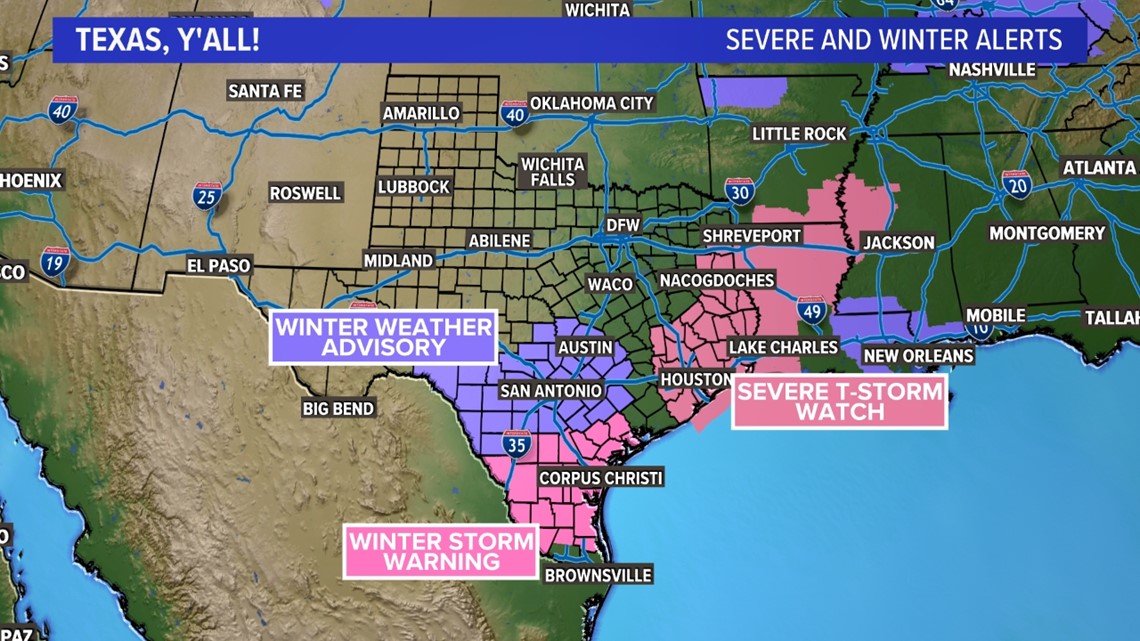
This northwestern region, including cities like Amarillo and Lubbock, has a semi-arid, continental climate. Winters are noticeably colder than the rest of the state, often seeing freezing temperatures and a higher chance of snow. Summers are hot but typically less humid than Central or East Texas, though afternoon thunderstorms can be intense. Spring and early summer are also part of “Tornado Alley,” so visitors should be aware of severe weather alerts. If you’re planning a road trip through historical Route 66 landmarks or exploring Palo Duro Canyon State Park, spring and fall offer the most comfortable conditions.
North Texas and Central Texas: A Blend of All Seasons
These regions, home to major metropolitan areas like Dallas, Fort Worth, Austin, San Antonio, Waco, and College Station, experience a humid subtropical climate. This means distinct four seasons: hot, humid summers; mild, sometimes chilly winters; and pleasant springs and falls. Thunderstorms are common in spring and summer, sometimes severe. This balance makes these areas popular year-round, with indoor attractions and robust dining scenes providing refuge from summer heat, and outdoor activities flourishing in spring and fall. Many resorts and hotels in these cities cater to both leisure and business travelers, offering amenities to suit any weather.
Gulf Coast’s Humid Charm: Tropical Influences
The Texas Gulf Coast, stretching from Galveston to Corpus Christi and down to South Padre Island, is characterized by high humidity and warm temperatures for most of the year. Summers are long, hot, and very humid, often punctuated by tropical rain showers. Winters are the mildest in the state, making it a popular winter escape. The region is susceptible to tropical storms and hurricanes, especially from June to November, with peak activity in August and September. Beach vacations, fishing trips, and wildlife viewing in places like Padre Island National Seashore are best enjoyed in spring or early fall when the heat is less intense and the risk of severe weather is lower.
West Texas and the Desert Southwest: Arid Beauty
Encompassing El Paso, Midland, Odessa, and the vast national parks like Big Bend and Guadalupe Mountains National Park, this region has an arid desert climate. Expect extreme temperature swings between day and night, especially in higher elevations. Summers are scorching hot and dry, making strenuous outdoor activities challenging during midday. Winters are cool to cold, with clear skies and occasional light snow in the mountains. Spring and fall are ideal for exploring the natural wonders of West Texas, offering comfortable hiking temperatures and stunning desert sunsets. Stargazing is particularly spectacular in this area due to the clear, dry air and minimal light pollution.
Planning Your Texas Adventure: Weather-Wise Travel Tips
Considering Texas’s diverse climates and seasonal shifts, a few key strategies can ensure a smoother and more enjoyable trip.
Packing Smart for Every Season
Layering is always key in Texas, regardless of the season. Even on hot summer days, air-conditioned interiors can be chilly.
- Summer: Lightweight, breathable fabrics (cotton, linen), wide-brimmed hats, sunglasses, high-SPF sunscreen, and plenty of hydration are non-negotiable. Swimwear for pool or beach.
- Spring/Fall: A mix of short and long sleeves, a light jacket or cardigan for evenings, comfortable walking shoes, and rain gear (a lightweight waterproof jacket or umbrella).
- Winter: Layers, including warm sweaters, a medium-weight coat, and possibly gloves/scarf for the northern regions. Even in milder areas, a warm jacket for evenings is wise.
Always check the specific forecast for your destination just before your departure.
Choosing the Right Accommodation
Your accommodation choice can significantly impact your comfort, especially during extreme weather.
- Summer: Opt for hotels or resorts with excellent air conditioning, refreshing pools, and perhaps indoor amenities like spas or entertainment options to escape the midday heat. Consider a resort on the Gulf Coast for beach access.
- Winter: Look for cozy boutique hotels with fireplaces or full-service resorts offering heated pools or indoor activities. If you’re heading to the mountains of West Texas, ensure your accommodation is well-insulated.
- Shoulder Seasons (Spring/Fall): These are ideal for exploring quaint bed and breakfasts in the Hill Country or booking apartments in vibrant city centers to fully immerse in local culture and walkability. Luxury travelers might seek out upscale hotels with rooftop bars or al fresco dining options to enjoy the pleasant weather.
Booking in advance is always recommended, especially during peak festival times or for popular destinations.
Seasonal Activities and Attractions
Tailoring your itinerary to the weather ensures a comfortable and enriching experience:
- Hot Weather: Focus on indoor attractions like museums, art galleries, shopping centers, and culinary tours. Water parks, natural springs (like Barton Springs Pool in Austin), and coastal activities are perfect.
- Mild Weather: Ideal for outdoor adventures – hiking, biking, exploring state parks, visiting historical landmarks, enjoying outdoor concerts, or simply strolling through charming city districts.
- Cool Weather: Great for cultural events, exploring vibrant nightlife, attending sporting events, and enjoying hearty Texas BBQ in a cozy setting.
Beyond the Forecast: Experiencing Texas Weather Events
While general trends are helpful, Texas is also known for its dynamic weather events, which, while requiring preparedness, can also be a part of the unique travel experience.
The Allure of a Texas Thunderstorm
Particularly in spring and summer, Texas is famous for its dramatic thunderstorms. These aren’t just rain showers; they can be spectacular displays of lightning and thunder, often bringing heavy downpours and strong winds. While severe weather should always be respected, watching a Texas storm roll in from a safe, sheltered vantage point can be a breathtaking experience, a true force of nature. Just be prepared for sudden changes in plans, as outdoor activities might be temporarily halted.
Preparedness for Texas Weather Challenges
Texas can experience severe weather, including tornadoes (especially in spring), hail, flash floods (particularly in the Hill Country), and hurricanes along the Gulf Coast. While rare, it’s wise to be aware. Most modern accommodations are well-equipped to handle such events, and local authorities provide timely warnings. Staying informed through local weather apps and news channels is always a good practice. However, these events are generally localized and often short-lived, and they shouldn’t deter you from experiencing the vast beauty and hospitality that Texas has to offer.
In conclusion, the weather in Texas is as grand and varied as the state itself. By understanding its regional differences and seasonal rhythms, you can expertly plan your travel, select the perfect accommodation, and curate an itinerary that promises an unforgettable Texas adventure, no matter when you decide to explore the Lone Star State.
LifeOutOfTheBox is a participant in the Amazon Services LLC Associates Program, an affiliate advertising program designed to provide a means for sites to earn advertising fees by advertising and linking to Amazon.com. Amazon, the Amazon logo, AmazonSupply, and the AmazonSupply logo are trademarks of Amazon.com, Inc. or its affiliates. As an Amazon Associate we earn affiliate commissions from qualifying purchases.