
The acquisition of Puerto Rico by the United States is a pivotal moment in the history of both nations, a complex entanglement of geopolitical ambition, economic opportunism, and evolving international power dynamics. Understanding the motivations behind this acquisition requires delving into the specific circumstances of the late 19th century, a period marked by colonial expansion and burgeoning American influence. While often simplified, the “want” for Puerto Rico was not a singular desire but rather a confluence of strategic advantages and perceived benefits that made its incorporation into the American sphere of influence a compelling proposition.

The immediate catalyst for the United States’ interest in Puerto Rico was the Spanish-American War of 1898. This conflict, sparked by the sinking of the USS Maine in Havana Harbor and fueled by American public outcry against Spanish colonial rule in Cuba, ultimately led to the cession of Puerto Rico, Guam, and the Philippines to the United States under the Treaty of Paris. While Cuba gained nominal independence, its future remained heavily influenced by American interests. Puerto Rico, however, became an unincorporated territory, a status that continues to shape its political and economic landscape to this day. The war provided the opportune moment for the United States to assert its growing power on the global stage, and the acquisition of Puerto Rico was a tangible manifestation of this ascendancy.
Strategic Military and Naval Significance
One of the most compelling reasons for the United States’ interest in Puerto Rico lay in its unparalleled strategic military and naval significance. Situated in the heart of the Caribbean Sea, Puerto Rico commanded a vital position for projecting American power throughout the region and beyond.
A Gateway to the Caribbean and Latin America
The island’s geographic location offered a commanding presence, allowing the United States to monitor and influence maritime traffic in a region of increasing economic and strategic importance. Control of Puerto Rico provided a crucial naval base, enhancing the United States’ ability to protect its shipping lanes, project naval power, and respond swiftly to any emerging threats in the Caribbean and along the coasts of Latin America. This was particularly relevant in an era where naval strength was synonymous with global power. The ability to station warships and supply depots on the island facilitated rapid deployment and sustained operations, transforming the Caribbean into an American lake, a concept that would become increasingly prominent in U.S. foreign policy.
Fortifications and Infrastructure
Even before the Spanish-American War, Puerto Rico boasted significant fortifications, most notably the Castillo San Felipe del Morro in San Juan. These existing structures, coupled with the potential for further development, presented an attractive proposition for a nation looking to expand its military reach. The U.S. military recognized the inherent defensive and offensive capabilities that Puerto Rico offered, envisioning it as a critical link in a chain of naval bases designed to secure American interests across the Americas. The island’s natural harbors, such as those in San Juan, were ideal for naval operations, providing sheltered anchorages and facilities for shipbuilding and repair.
Economic Opportunities and Resource Potential
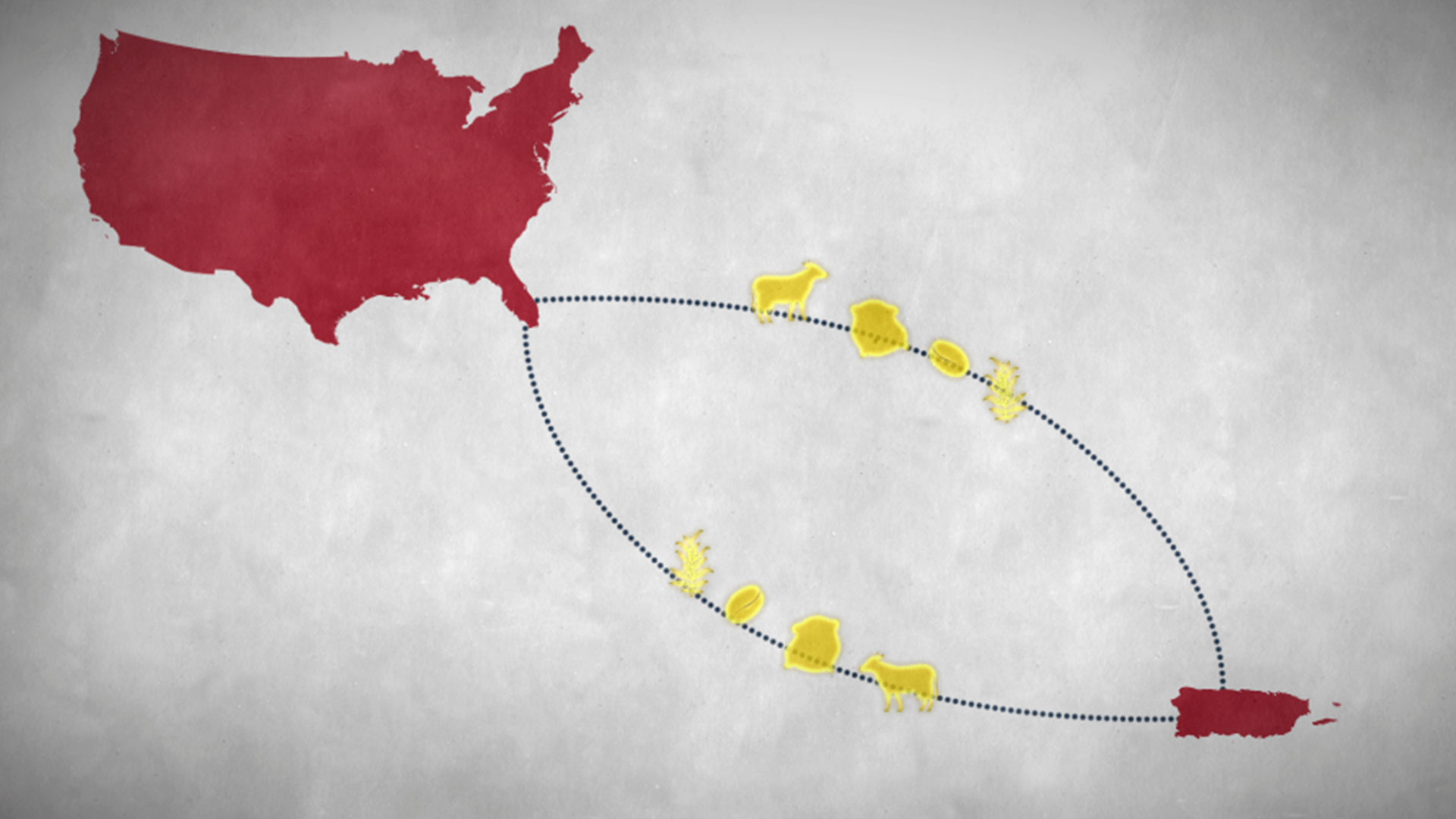
Beyond its military advantages, Puerto Rico also represented a significant economic opportunity for the United States. The island possessed a fertile landmass and a developing economy, which American industrialists and investors saw as ripe for exploitation and expansion.
Agricultural Potential and New Markets
Puerto Rico was, and remains, an island with rich agricultural potential. Its tropical climate is conducive to the cultivation of lucrative crops such as sugar cane, coffee, and tobacco. For American businesses, acquiring Puerto Rico meant gaining direct access to these valuable commodities without the tariffs and trade barriers that would have otherwise existed. Furthermore, the island itself represented a new market for American manufactured goods. With the United States undergoing rapid industrialization, the demand for outlets to sell its products was growing. Puerto Rico, with its burgeoning population and developing economy, offered a captive consumer base, stimulating American exports and contributing to the nation’s economic growth. This economic synergy, where American capital and manufacturing could be combined with Puerto Rican resources and labor, was a powerful incentive for annexation.
Investment and Development
The prospect of investment and development was another attractive element. American entrepreneurs and corporations saw the potential to establish plantations, factories, and infrastructure projects, all with the backing of the U.S. government. This often led to significant foreign investment, transforming the Puerto Rican economy but also creating a dependency on American markets and capital. The promise of profit and expansion was a significant driver, aligning with the prevailing belief in Manifest Destiny, albeit in a new, overseas context. The U.S. administration envisioned Puerto Rico as a model of colonial development, a place where American enterprise could flourish and, in turn, contribute to the economic strength of the United States.
The Ideological and Political Landscape
The acquisition of Puerto Rico was also shaped by the prevailing ideological and political currents of the time. The United States was emerging as a world power, and the acquisition of overseas territories was seen by many as a natural progression and a sign of national strength and prestige.
Manifest Destiny and Imperial Ambitions
The late 19th century was a period when the concept of Manifest Destiny, the belief that the United States was divinely ordained to expand its dominion and spread democracy across the North American continent, was undergoing an evolution. As the continental frontier closed, some Americans began to look outward, to overseas territories, as new frontiers for expansion and influence. Puerto Rico, along with other acquired territories like the Philippines, became symbols of American imperial ambitions. This expansionist sentiment was fueled by a sense of national pride and a belief in the superiority of American institutions and values, which some argued should be extended to other peoples.
Civilizing Mission and Benevolent Assimilation
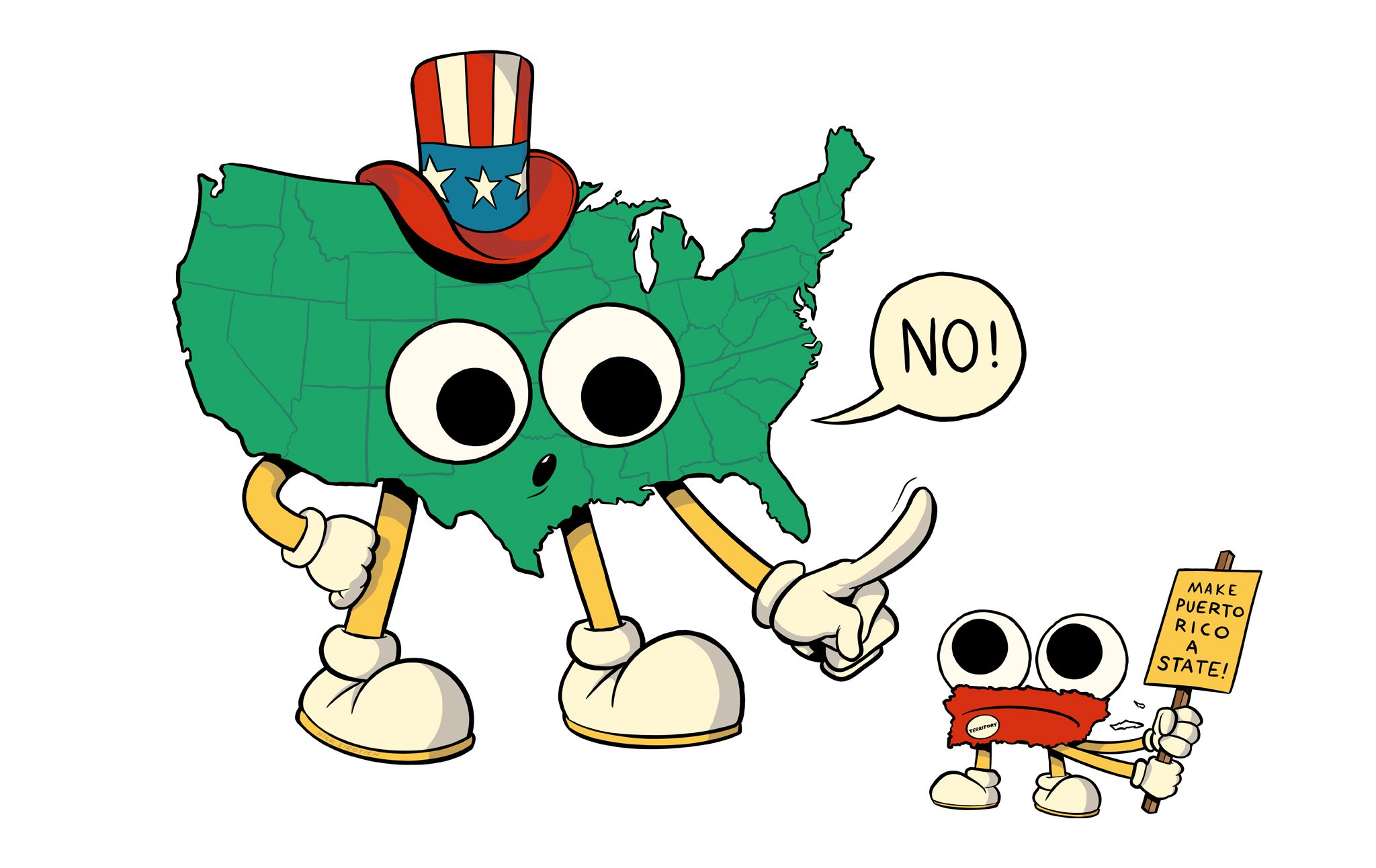
A prominent, though often paternalistic, justification for the acquisition of territories like Puerto Rico was the idea of a “civilizing mission.” Many Americans believed it was their duty to bring American governance, education, and culture to what they perceived as less developed societies. This notion of “benevolent assimilation” framed the acquisition not as pure conquest, but as an act of uplift, bringing the benefits of American civilization to the Puerto Rican people. While this perspective offered a moral justification for expansion, it often masked underlying economic and strategic interests and disregarded the existing culture and aspirations of the Puerto Rican population.
The journey from Spanish colony to U.S. territory was a complex and consequential event. The United States’ “want” for Puerto Rico was a multifaceted desire, driven by strategic military positioning, lucrative economic opportunities, and the prevailing ideological currents of expansionism and imperial ambition. The island’s acquisition fundamentally altered the trajectory of Puerto Rican history and continues to be a subject of ongoing debate and discussion regarding its political status and relationship with the United States. The legacy of this acquisition remains a powerful force in shaping Puerto Rican identity, culture, and its aspirations for the future. The island, a jewel in the Caribbean, continues to attract travelers with its vibrant culture, stunning natural beauty, and rich history, offering a unique blend of influences that tell the story of its complex past. For those seeking an immersive travel experience, Puerto Rico provides an unparalleled opportunity to explore its historical landmarks, indulge in its diverse culinary scene, and witness the resilience and spirit of its people.
LifeOutOfTheBox is a participant in the Amazon Services LLC Associates Program, an affiliate advertising program designed to provide a means for sites to earn advertising fees by advertising and linking to Amazon.com. Amazon, the Amazon logo, AmazonSupply, and the AmazonSupply logo are trademarks of Amazon.com, Inc. or its affiliates. As an Amazon Associate we earn affiliate commissions from qualifying purchases.