
The captivating island of Puerto Rico, a shimmering jewel in the Caribbean Sea, often sparks curiosity about its unique relationship with the United States. Many visitors arrive at San Juan‘s bustling airport, ready to explore its vibrant culture, stunning beaches, and historic Old San Juan, only to ponder the question: How did this tropical paradise become a territory of the U.S.? The answer lies in a complex and fascinating history, shaped by geopolitical shifts, strategic interests, and a pivotal moment in global affairs.
A Legacy Forged in Conflict and Acquisition
The story of Puerto Rico‘s status as a U.S. territory is intrinsically linked to the conclusion of a significant conflict and the subsequent redrawing of international boundaries.

The Spanish-American War and its Aftermath
The year 1898 marked a turning point for Puerto Rico. Spain, a colonial power for centuries, was engaged in a war with the United States. This conflict, known as the Spanish-American War, had far-reaching consequences, not only for Spain but also for its remaining colonies. As part of the peace treaty, the Treaty of Paris, signed on December 10, 1898, Spain ceded Puerto Rico, along with Cuba and Guam, to the United States. This transfer was not a sale, but rather a cession of territory as a result of the war.
This acquisition was a strategic move for the United States. Gaining control of Puerto Rico provided the U.S. with a significant military and naval base in the Caribbean, enhancing its geopolitical influence in the region. The island’s strategic location, commanding important sea lanes, made it an attractive prize for a nation looking to expand its global reach.
The Foraker Act and Early U.S. Governance
Following the acquisition, the United States began to establish its governance over Puerto Rico. The island was initially placed under military rule. However, in 1900, the U.S. Congress passed the Foraker Act (also known as the Organic Act of 1900). This act officially created a civilian government in Puerto Rico and defined its political relationship with the United States.
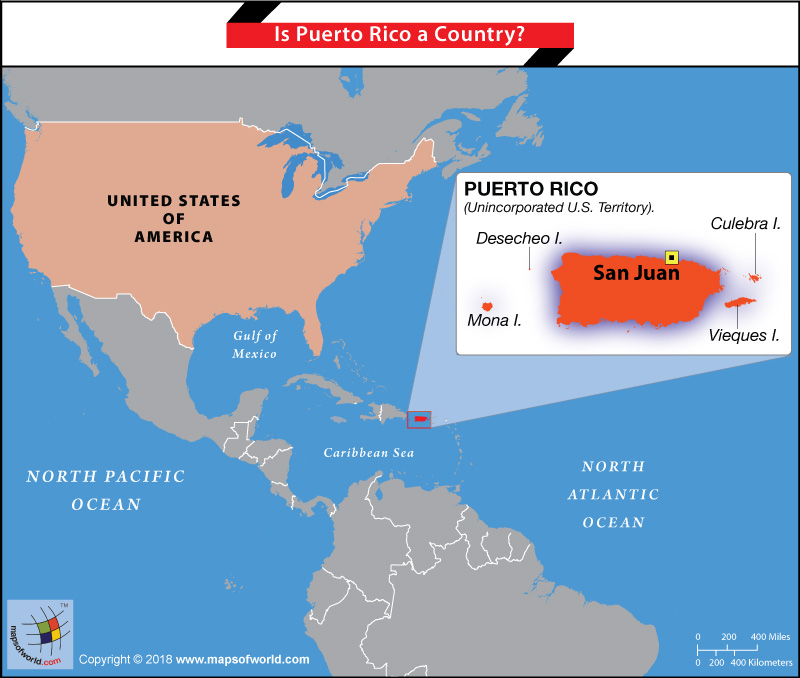
The Foraker Act declared Puerto Rico to be an unincorporated territory of the United States. This meant that the U.S. Constitution did not fully apply to the island, and its inhabitants were not automatically granted U.S. citizenship. Instead, they were considered citizens of Puerto Rico and were subject to U.S. federal laws. This distinction was crucial and would shape the political and legal landscape of the island for decades to come. The act also established a governor appointed by the U.S. President and a locally elected House of Delegates, laying the groundwork for a form of self-governance, albeit under the ultimate authority of the U.S. federal government.
The Jones-Shafroth Act and U.S. Citizenship
A significant development in the island’s relationship with the United States occurred in 1917 with the passage of the Jones-Shafroth Act. This act was a landmark piece of legislation that further defined Puerto Rico‘s status and granted its inhabitants a crucial right: U.S. citizenship.
With the Jones-Shafroth Act, individuals born in Puerto Rico were collectively granted statutory U.S. citizenship. This meant that Puerto Ricans could serve in the U.S. military, travel freely between the island and the mainland without passports, and were subject to U.S. federal laws. While this was a significant step towards integration, Puerto Rico still did not have the same rights and representation as a U.S. state. The act also established a Bill of Rights for Puerto Rico and a more democratic structure for its government, including an elected Senate.
Puerto Rico Today: A Commonwealth in a Unique Position
The historical events of the late 19th and early 20th centuries have shaped Puerto Rico into the Commonwealth it is today, a territory with a distinct political status that continues to be a subject of discussion and debate.
The Commonwealth Status Explained
In 1952, following a period of transition and the adoption of its own constitution, Puerto Rico officially became a Commonwealth. This designation, under Public Law 600, allows the island a degree of self-governance. The residents elect their own governor and legislature and have autonomy over many local affairs. However, this self-governance operates within the framework established by the U.S. Congress.
The Commonwealth status means that Puerto Rico is subject to U.S. federal laws, but it does not have voting representation in the U.S. Congress. Puerto Ricans are U.S. citizens and can serve in the U.S. military, but they do not vote in U.S. presidential elections. Federal taxes are a complex issue; while U.S. citizens in Puerto Rico generally do not pay federal income tax on income earned on the island, they do pay other federal taxes, such as Social Security and Medicare taxes. This unique arrangement reflects the historical evolution of the island’s relationship with the United States.
Economic and Cultural Ties
Beyond the political and legal ties, Puerto Rico is deeply integrated with the United States through economic and cultural connections. The U.S. dollar is the official currency, facilitating trade and commerce. Many American companies have invested heavily in the island, contributing to its economy. This economic interdependence means that developments in the U.S. economy often have a direct impact on Puerto Rico.
Culturally, the influence of the United States is undeniable, yet Puerto Rico has fiercely maintained its distinct identity. The Spanish language remains dominant, and the island boasts a rich cultural heritage influenced by its Indigenous Taíno, African, and Spanish roots. This blend creates a unique cultural tapestry that draws many travelers to its shores. From the vibrant music and dance of Salsa to the delicious Mofongo and Lechón found in its restaurants, the island offers a sensory feast that is undeniably Puerto Rican. Tourists flock to explore the historic forts like Castillo San Felipe del Morro and Castillo San Cristobal, wander through the colorful streets of Old San Juan, and relax on the pristine beaches of places like Flamenco Beach in Culebra. The island’s rich history, combined with its stunning natural beauty, makes it an increasingly popular destination for vacationers seeking both relaxation and adventure.

The Ongoing Debate: Statehood, Independence, or Commonwealth?
The political status of Puerto Rico remains a recurring and significant topic of discussion among its residents and within the United States. For decades, the island has held referendums and engaged in debates about its future. The primary options on the table are:
- Statehood: Becoming the 51st state of the United States, which would grant the island full representation and rights enjoyed by U.S. states.
- Independence: Establishing Puerto Rico as a sovereign nation, completely separate from the United States.
- Commonwealth: Maintaining the current status, with its unique balance of self-governance and U.S. federal ties, though potentially with enhanced autonomy.
Each option has passionate advocates and significant implications for the island’s economy, governance, and cultural identity. The U.S. Congress ultimately has the authority to make decisions regarding Puerto Rico‘s political status, and the debate is ongoing, reflecting the evolving aspirations of the Puerto Rican people.
In conclusion, Puerto Rico is a part of the United States due to the historical circumstances surrounding the Spanish-American War and the subsequent legislative acts by the U.S. Congress. This historical trajectory has resulted in a unique Commonwealth status, where its residents are U.S. citizens with a significant degree of self-governance but without full voting rights or representation in the U.S. federal government. The island continues to navigate its complex identity and future, offering a captivating blend of American influence and a vibrant, distinct Caribbean culture.
LifeOutOfTheBox is a participant in the Amazon Services LLC Associates Program, an affiliate advertising program designed to provide a means for sites to earn advertising fees by advertising and linking to Amazon.com. Amazon, the Amazon logo, AmazonSupply, and the AmazonSupply logo are trademarks of Amazon.com, Inc. or its affiliates. As an Amazon Associate we earn affiliate commissions from qualifying purchases.