
Puerto Rico, a vibrant island nestled in the Caribbean, often sparks curiosity about its unique political status. While it boasts a distinct cultural identity, its relationship with the United States is a fascinating blend of history, law, and ongoing evolution. Understanding why Puerto Rico is part of the United States requires a journey back in time to pivotal historical moments and an examination of its current status as an unincorporated territory. This exploration will delve into the historical context, the legal framework, and the implications of this unique relationship, touching upon aspects of travel, culture, and lifestyle that make Puerto Rico such an appealing destination.

A Glimpse into History: From Spanish Colony to American Territory
The story of Puerto Rico’s connection to the United States is rooted in the late 19th century. For over 400 years, Puerto Rico was a Spanish colony, developing a rich cultural heritage shaped by indigenous Taíno traditions, Spanish colonization, and the significant influx of enslaved Africans. This long period of Spanish rule left an indelible mark on the island’s language, architecture, and customs.
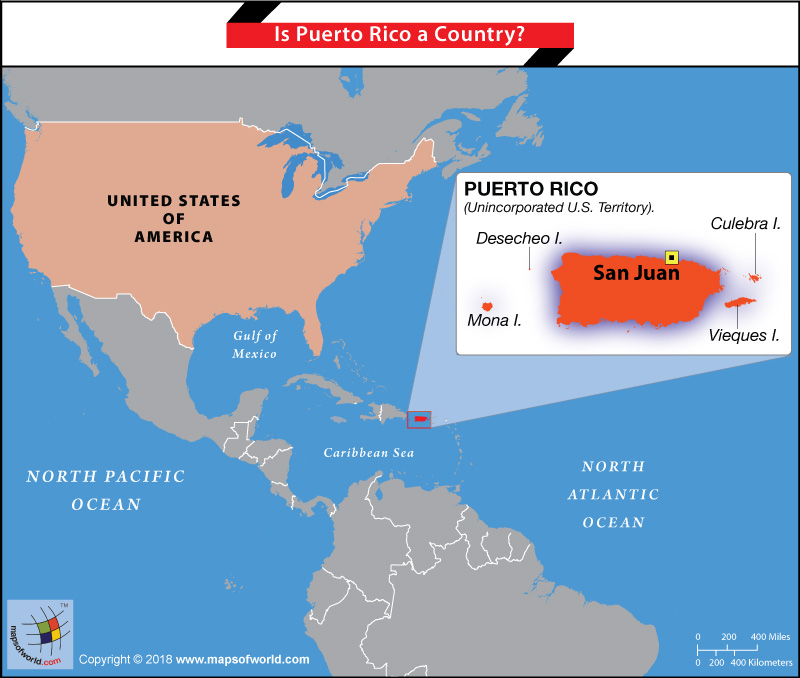
The turning point came in 1898 with the outbreak of the Spanish-American War. As a consequence of the war and the subsequent Treaty of Paris, Spain ceded Puerto Rico, along with Cuba and Guam, to the United States. This marked the beginning of a new era for the island, shifting its colonial power from Spain to the United States. Initially, Puerto Rico was governed by the U.S. military, but in 1900, Congress passed the Foraker Act (also known as the Organic Act of 1900). This act established a civilian government and defined Puerto Rico’s status as an unincorporated territory of the United States.
The Unincorporated Territory: A Distinctive Legal Status
The concept of an “unincorporated territory” is central to understanding Puerto Rico’s relationship with the U.S. It means that the island belongs to the United States, but the U.S. Constitution does not apply in full to its residents. This distinction has significant implications for citizenship, governance, and the rights and responsibilities of Puerto Ricans.
The Insular Cases and Constitutional Application
The legal basis for this status was solidified through a series of Supreme Court decisions in the early 20th century, collectively known as the Insular Cases. These rulings established that territories acquired by the United States after the Spanish-American War were “incorporated” or “unincorporated.” In unincorporated territories, Congress has the power to decide which parts of the U.S. Constitution, if any, are extended to the territory.
For Puerto Rico, this has meant that while residents are granted U.S. citizenship (a status granted by Congress in 1917 through the Jones-Shafroth Act), they do not have full representation in the U.S. Congress. They cannot vote in U.S. presidential elections unless they reside in a U.S. state, and they are subject to federal laws but do not pay federal income tax on income earned in Puerto Rico. This unique legal framework has been a source of ongoing debate and has shaped many aspects of life on the island, including its economic development and political aspirations.

The Modern Relationship: Opportunities and Challenges
Today, Puerto Rico is an integral part of the broader U.S. fabric, even with its territorial status. This relationship presents a unique set of opportunities and challenges for both the island and the mainland United States. From a travel perspective, Puerto Rico offers a compelling blend of tropical paradise and American convenience.
Tourism and Travel: A Caribbean Gem within Reach
Puerto Rico’s status as a U.S. territory makes it an incredibly accessible destination for American travelers. Unlike international travel, there are no passport requirements for U.S. citizens visiting the island. This ease of access, combined with its stunning natural beauty, rich history, and vibrant culture, has cemented Puerto Rico’s position as a top tourist destination.
Visitors can explore the historic streets of Old San Juan, a UNESCO World Heritage site, marveling at the colonial architecture and the imposing Castillo San Felipe del Morro and Castillo San Cristóbal. The island boasts breathtaking natural attractions, from the bioluminescent bays of Vieques and Fajardo to the lush rainforest of El Yunque National Forest. The culinary scene is a delightful fusion of Spanish, African, and Taíno influences, offering delicious local dishes like mofongo and lechón. For accommodations, options range from luxurious resorts like the Dorado Beach, a Ritz-Carlton Reserve and the St. Regis Bahia Beach Resort to charming boutique hotels and vacation rentals, catering to every budget and travel style. The ease of using U.S. dollars and the familiar infrastructure further enhance the travel experience for Americans.
Lifestyle and Culture: A Unique Blend of Influences
The lifestyle in Puerto Rico is a testament to its complex history. While U.S. citizenship brings certain practicalities, the island fiercely preserves its unique cultural identity. Spanish is the primary language, though English is widely spoken in tourist areas. The rhythm of life, the warmth of the people, and the strong sense of community are deeply rooted in traditions that predate U.S. sovereignty.
This blend is evident in everything from the island’s vibrant festivals and music – think salsa, bomba, and plena – to its rich artistic heritage. For those seeking a longer stay or considering relocation, Puerto Rico offers diverse living experiences. From the bustling urban energy of San Juan to the laid-back charm of coastal towns like Rincón, known for its surfing and relaxed atmosphere, there are many lifestyles to embrace. The island’s commitment to arts and culture is evident in museums and galleries across the island, showcasing local talent and historical narratives.
Economic and Political Considerations: The Ongoing Dialogue
The unincorporated territory status also brings economic and political challenges. While Puerto Ricans are U.S. citizens, they have limited say in federal policy-making, and the island’s economy has faced significant struggles, including a severe debt crisis. The debate over Puerto Rico’s political future – whether statehood, independence, or a different form of enhanced commonwealth status – remains a prominent and ongoing discussion among its residents and in U.S. political circles.
This status affects economic development, access to federal funding, and the island’s ability to chart its own economic course. Despite these challenges, Puerto Rico’s resilience and spirit are undeniable. The island continues to attract investment, foster innovation, and offer a unique living and visiting experience. Understanding its status is key to appreciating the full picture of this captivating Caribbean island that is undeniably part of the United States, yet possesses a soul entirely its own. The ongoing dialogue about its future ensures that Puerto Rico’s story is one of continuous evolution, offering a compelling case study in national identity, territorial governance, and the aspirations of its people.
LifeOutOfTheBox is a participant in the Amazon Services LLC Associates Program, an affiliate advertising program designed to provide a means for sites to earn advertising fees by advertising and linking to Amazon.com. Amazon, the Amazon logo, AmazonSupply, and the AmazonSupply logo are trademarks of Amazon.com, Inc. or its affiliates. As an Amazon Associate we earn affiliate commissions from qualifying purchases.