
In the vast landscape of hospitality, the term “resort” often conjures images of idyllic escapes, sun-drenched beaches, or snow-capped mountains, far removed from the everyday grind. But what precisely defines a resort, distinguishing it from a standard hotel or other forms of accommodation? A resort is more than just a place to sleep; it is a self-contained destination designed to provide guests with a comprehensive leisure experience, offering a wide array of amenities, services, and activities within its premises. It’s an establishment where the primary purpose is not merely to provide lodging but to immerse guests in an environment dedicated to relaxation, recreation, and entertainment, often in a unique or desirable location.
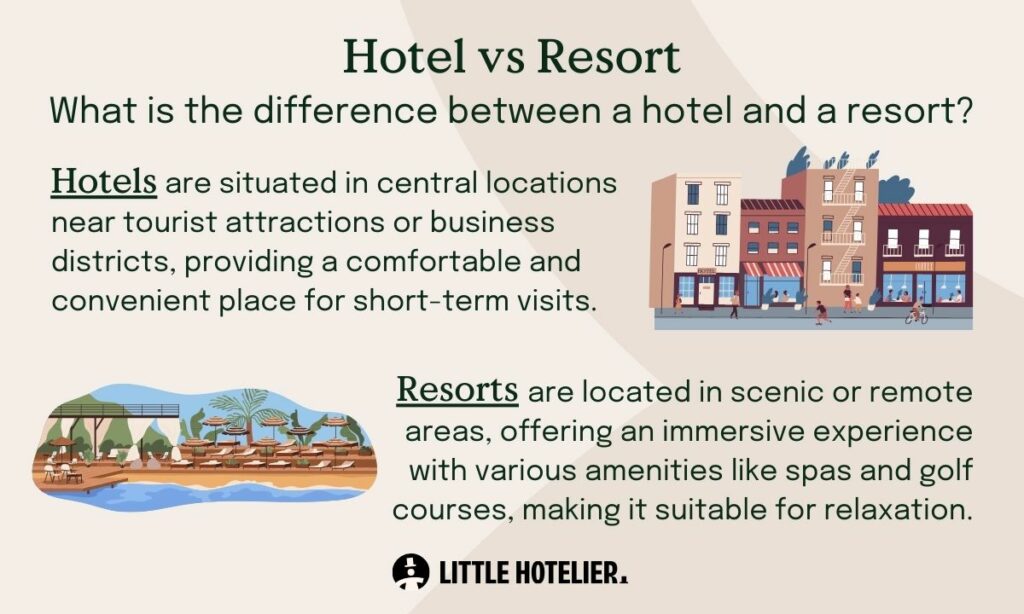
Unlike a typical hotel, which might serve as a base for exploring a city or conducting business, a resort often becomes the destination itself. Guests come to a resort to experience what it offers directly, from its dining options and entertainment to its sports facilities and wellness programs. This fundamental difference underscores the immersive nature of the resort experience, positioning it as a holistic leisure provider rather than just a room provider.
Defining the “Resort” Experience
The essence of a resort lies in its ability to offer a complete getaway. It’s a promise of an all-encompassing experience where guests can fulfill most, if not all, of their vacation needs without ever having to leave the property.
Key Characteristics
Several defining characteristics set resorts apart:
- Self-Contained Environment: Resorts are typically expansive properties that house a multitude of facilities. This includes not just rooms or suites, but also multiple restaurants and bars, pools, spas, fitness centers, retail shops, and often dedicated entertainment venues. The aim is to ensure guests have everything they need at their fingertips, minimizing the need to venture off-site. For instance, a resort in the Maldives will offer dining, activities, and relaxation all on its private island.
- Extensive Amenities and Activities: The hallmark of a resort is its rich menu of amenities and scheduled activities. These can range from water sports, golf courses, tennis courts, and kids’ clubs to cooking classes, live music, and cultural performances. The variety is designed to cater to diverse interests and age groups, ensuring there’s always something engaging to do.
- Leisure and Recreation-Focused: While hotels might cater to business travelers or short-term stays, resorts are unequivocally geared towards leisure and recreation. Their infrastructure, services, and atmosphere are crafted to promote relaxation, enjoyment, and a sense of escape from daily responsibilities.
- Location-Driven Appeal: Many resorts leverage their location as a primary draw. Whether nestled on a pristine beach in Cancun, at the foot of a ski slope in the Swiss Alps, or amidst a lush rainforest in Costa Rica, the natural beauty and unique environment are integral to the resort’s identity and appeal.
Beyond Just a Hotel
While technically a type of hotel, a resort transcends the conventional definition by integrating a broader spectrum of services and experiences. A hotel primarily offers lodging and basic amenities. A resort, however, offers an entire vacation ecosystem. Consider the difference between a city hotel offering a room and perhaps a single restaurant, versus an integrated resort complex like those found in Las Vegas or Orlando, which feature casinos, multiple themed restaurants, entertainment shows, convention centers, and sprawling pool areas. The focus shifts from merely accommodating guests to entertaining and engaging them throughout their stay.
The immersive environment is another key differentiator. Resorts aim to create a distinct atmosphere that transports guests to a different state of mind. This might involve specific architectural styles, themed decor, or curated sensory experiences, all designed to enhance the sense of escapism and vacation.
A Spectrum of Resort Types
The term “resort” is broad, encompassing a diverse array of establishments, each tailored to specific preferences, budgets, and vacation styles. Understanding these categories helps to appreciate the versatility and adaptability of the resort concept.
All-Inclusive Resorts
Perhaps one of the most popular and recognizable types, all-inclusive resorts streamline the vacation experience by bundling accommodations, meals, beverages (often including alcoholic drinks), activities, and sometimes even gratuities into a single upfront price. This model provides budget predictability and eliminates the need for constant financial transactions during the stay. Brands like Club Med pioneered this concept, and it remains hugely popular in destinations like the Caribbean and Mexico. Guests can simply relax and enjoy without worrying about the bill at every turn, making them ideal for hassle-free family vacations or romantic getaways.
Luxury Resorts
At the pinnacle of the resort hierarchy are luxury resorts, which prioritize exclusivity, bespoke services, and unparalleled comfort. These establishments, often operated by prestigious brands like Four Seasons, Ritz-Carlton, or Aman Resorts, offer exquisite dining, lavish spas, personalized concierge services, and often private villas or suites. The focus is on delivering an elevated, sophisticated experience where every detail is meticulously curated to meet the highest standards of discerning travelers seeking indulgence and privacy. Think overwater bungalows in Bora Bora or private safaris in Africa combined with opulent lodging.
Specialty Resorts
Many resorts are designed around a specific theme or activity, catering to niche interests:
- Spa & Wellness Resorts: These resorts focus on health, relaxation, and rejuvenation, offering extensive spa treatments, yoga and meditation classes, healthy cuisine, and often holistic wellness programs. Examples include destination spas in Arizona or wellness retreats in Bali.
- Golf Resorts: Featuring one or more championship golf courses, these resorts are a haven for golf enthusiasts. They often include pro shops, golf academies, and amenities tailored to golfers.
- Ski Resorts: Located near mountains with ski slopes, these resorts provide direct access to winter sports, equipment rentals, ski schools, and après-ski entertainment.
- Beach Resorts: Situated on coastlines, these resorts offer direct beach access, water sports, and seaside activities, capitalizing on their scenic marine environment.
- Eco-Resorts: With a strong emphasis on sustainability and environmental conservation, eco-resorts aim to minimize their ecological footprint while providing an immersive experience in nature. They often utilize renewable energy, locally sourced materials, and promote responsible tourism practices.
- Family Resorts: Designed with families in mind, these resorts feature extensive children’s programs, kid-friendly pools, family suites, and entertainment options for all ages, like Disney World resorts.
Urban Resorts
A newer trend, urban resorts bring the comprehensive amenity set and experiential focus of traditional resorts into city settings. These aren’t just hotels with large pools; they are designed to offer a complete leisure experience within an urban environment, often featuring expansive spas, multiple dining concepts, rooftop bars, and sophisticated entertainment options. They cater to city dwellers looking for a staycation or travelers who want a resort-style experience without leaving the vibrant city atmosphere, such as high-end properties in Dubai or Singapore.
The Amenities That Define a Resort
The true measure of a resort lies in its array of amenities and services, which are meticulously curated to enhance the guest experience and provide endless opportunities for enjoyment and relaxation.
Recreation & Entertainment
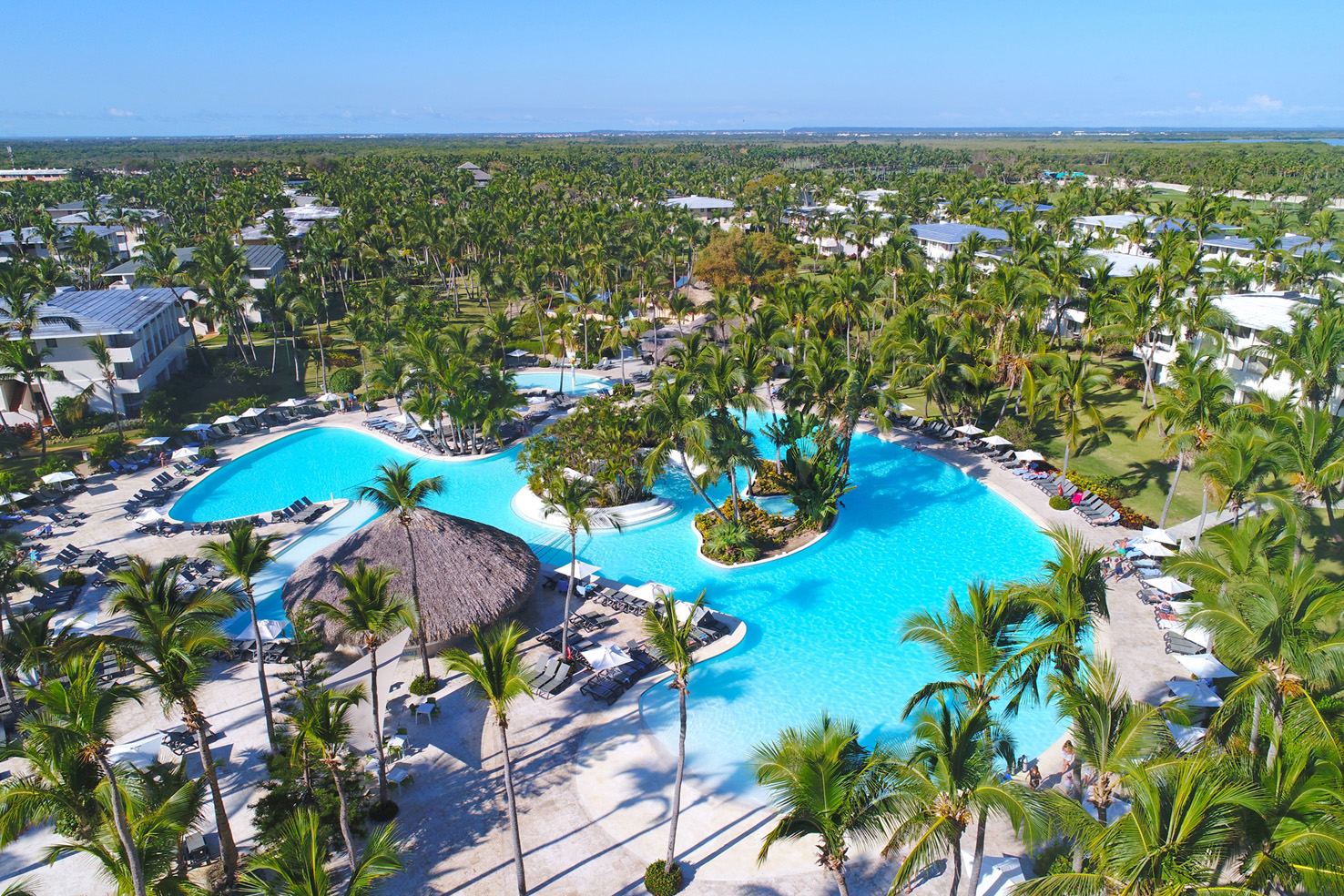
This is where resorts truly shine. Expect elaborate swimming pool complexes, often with lazy rivers, waterslides, and dedicated children’s areas. For those near natural bodies of water, beach access and water sports like snorkeling, kayaking, paddleboarding, or even diving centers are common. Land-based activities can include tennis courts, volleyball courts, basketball courts, and even mini-golf. Kids’ clubs offer supervised activities and entertainment for younger guests, while evening programs often feature live music, cultural shows, themed parties, and discos.
Dining & Bars
Resorts typically boast a diverse culinary landscape. Instead of just one restaurant, guests can often choose from multiple dining venues, ranging from casual buffets and poolside grills to sophisticated à la carte restaurants specializing in various cuisines (Italian, Asian, local delicacies, etc.). Room service is usually available 24/7, and several bars – including swim-up bars, lobby bars, and themed lounges – provide a wide selection of beverages and snacks throughout the day and evening. The aim is to offer enough variety to keep guests satisfied for the duration of their stay without needing to dine elsewhere.
Wellness & Relaxation
A significant draw for many resort-goers is the opportunity for self-care and rejuvenation. State-of-the-art spas offer a menu of treatments, from massages and facials to hydrotherapy and body wraps. Modern fitness centers are well-equipped with cardio and strength training machines, often complemented by personal trainers and group classes like yoga, Pilates, or Zumba. Some resorts also feature dedicated quiet zones, meditation gardens, or specialized wellness programs focusing on detox or mindfulness.
Services & Conveniences
Beyond the leisure amenities, resorts provide a comprehensive suite of services designed for convenience and comfort. A dedicated concierge service is usually on hand to assist with bookings, recommendations, and special requests. On-site retail shops offer essentials, souvenirs, and luxury goods. Business centers, meeting rooms, and Wi-Fi connectivity cater to those who might need to stay connected or conduct work. Transportation services, including airport transfers and local shuttles, further enhance the ease of stay. Many also offer laundry services, medical assistance, and tour desks to facilitate excursions.
The Evolution and Future of Resorts
The concept of a resort has evolved considerably over centuries, reflecting societal changes, technological advancements, and shifting travel preferences.
Historical Context
The idea of a “resort” dates back to ancient times, with early examples found in Roman baths and thermal springs, where people gathered not just for healing but also for social interaction and leisure. In the 18th and 19th centuries, European aristocracy frequented spa towns like Baden-Baden or seaside towns like Brighton for health and recreation. The modern resort, as we know it, gained traction in the 20th century, particularly with the rise of affordable air travel and the democratization of vacations, leading to the development of large-scale leisure complexes in popular sunny destinations.
Trends Shaping the Industry
Today, the resort industry is dynamic, constantly adapting to new demands:
- Sustainability: Eco-consciousness is paramount. Resorts are increasingly adopting green practices, from reducing waste and conserving energy to sourcing local produce and supporting community initiatives.
- Personalization: Travelers seek unique and tailored experiences. Resorts are leveraging technology and guest data to offer customized itineraries, services, and amenities that cater to individual preferences.
- Tech Integration: From smart room controls and mobile check-ins to AI-powered concierge services and virtual reality experiences, technology is enhancing convenience and engagement.
- Experiential Travel: Guests desire more than just relaxation; they want authentic and immersive experiences. Resorts are responding by offering cultural workshops, adventure excursions, and opportunities for local interaction.
- Health and Wellness Focus: Beyond traditional spas, resorts are expanding their wellness offerings to include comprehensive programs, preventative health services, and specialized dietary options.
The Enduring Appeal
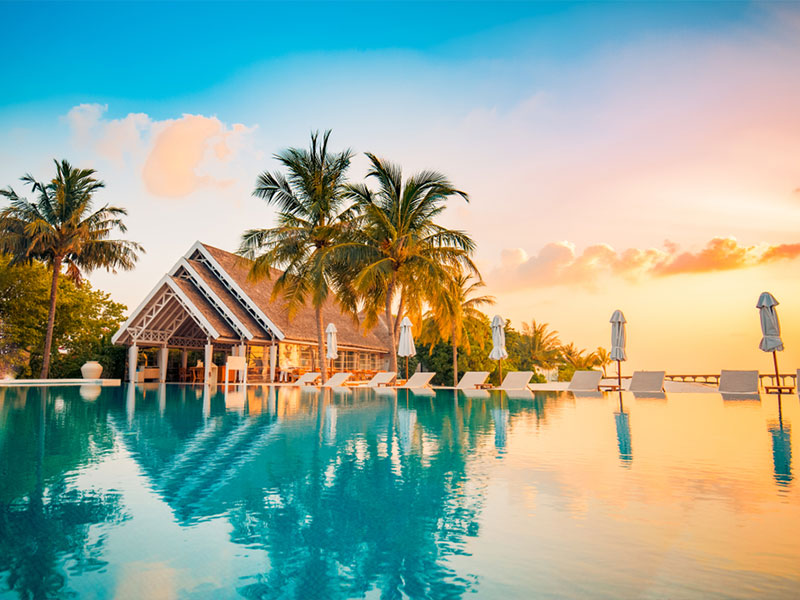
Despite these evolutions, the fundamental appeal of a resort remains constant: the promise of escapism, convenience, and a comprehensive leisure offering. In an increasingly fast-paced world, resorts provide a sanctuary where individuals, couples, and families can disconnect from daily stressors and reconnect with themselves and their loved ones. They offer a controlled, safe, and entertaining environment where every need is anticipated and catered to, allowing guests to truly relax and savor their precious vacation time.
In conclusion, a resort is a unique type of hospitality establishment that offers a full spectrum of amenities, services, and activities within a self-contained environment. Its purpose extends beyond mere accommodation, aiming to provide a complete, immersive leisure experience that caters to diverse tastes and preferences. Whether it’s a bustling all-inclusive on a tropical beach or an exclusive wellness retreat in the mountains, the essence of a resort lies in its dedication to creating unforgettable getaways defined by relaxation, recreation, and comprehensive care.
LifeOutOfTheBox is a participant in the Amazon Services LLC Associates Program, an affiliate advertising program designed to provide a means for sites to earn advertising fees by advertising and linking to Amazon.com. Amazon, the Amazon logo, AmazonSupply, and the AmazonSupply logo are trademarks of Amazon.com, Inc. or its affiliates. As an Amazon Associate we earn affiliate commissions from qualifying purchases.