
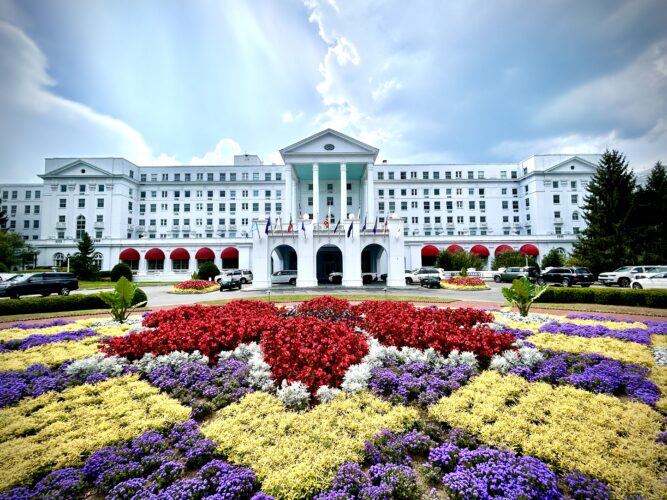
The Greenbrier, a name synonymous with luxury, history, and unparalleled hospitality, stands as an iconic resort nestled in the Allegheny Mountains of West Virginia. For centuries, this grand dame of American resorts has captivated guests with its opulent decor, world-class amenities, and a storied past that intertwines with the very fabric of American history. Yet, behind its meticulously manicured grounds and elegant facades, a crucial question often arises for those interested in the business of premier accommodation: Who owns this magnificent establishment? The ownership of such a significant property is not merely a matter of legal registration; it dictates its operational philosophy, strategic direction, and its ongoing role within the global luxury hospitality market. Understanding the custodianship of The Greenbrier provides vital insights into its enduring legacy and its future as a beacon of high-end resort experiences.

A Legacy of Grandeur and Shifting Ownership
The history of The Greenbrier is a tapestry woven with periods of private ownership, corporate control, and even government involvement, each phase leaving an indelible mark on its identity as a hotel. Its evolution from a modest health spring to a world-renowned resort is a testament to the vision and investment of its various proprietors.
Early Beginnings and the Chesapeake and Ohio Railway Era
The origins of The Greenbrier trace back to 1778, when guests began visiting the mineral springs of White Sulphur Springs for their purported medicinal benefits. Over time, rudimentary accommodations gave way to more substantial structures, and by the mid-19th century, it had become a fashionable destination. However, it was the acquisition by the Chesapeake and Ohio Railway (C&O) in 1910 that truly cemented its status as a premier luxury resort. The C&O, recognizing the potential of a high-end destination to drive passenger traffic, embarked on a massive transformation. They invested heavily in infrastructure, constructing the main building designed by architect Frederick Sterner, expanding golf courses, and creating the lavish interiors that still define the resort today. This period under railway ownership was crucial for establishing The Greenbrier as a full-service hospitality institution, setting benchmarks for service, elegance, and resort amenities that few could rival. The railway company viewed the resort not just as an appendage but as an integral part of its business strategy, understanding that a world-class hotel could attract a clientele willing to travel distances, thus bolstering their core transportation services. This synergistic relationship enabled sustained investment in the resort’s facilities, ensuring its competitive edge in the burgeoning American luxury hotel market.
The Post-War Years and Cold War Secrets
The Greenbrier’s operational continuity was briefly interrupted during World War II, when the U.S. Army acquired it for use as a hospital, treating over 24,000 soldiers. Following the war, the C&O Railway repurchased the property, undertaking a significant redesign and refurbishment under the guidance of interior decorator Dorothy Draper, whose vibrant and distinctive style remains a hallmark of the resort. It was also during this post-war period, under the continued stewardship of the C&O, that The Greenbrier became home to one of America’s most closely guarded secrets: “Project Greek Island,” a massive underground bunker designed to house the entire U.S. Congress in the event of a nuclear attack. This extraordinary dual role—a luxurious resort above ground and a clandestine government facility beneath—highlights the unique historical and operational complexities managed by its owners. The maintenance and secrecy surrounding “The Bunker” represented a colossal logistical and financial undertaking for the C&O, far exceeding typical hotel operations and underscoring the deep integration of the resort into national strategic interests. This period demonstrates the incredible versatility and national importance that a single hotel property could attain, reflecting a profound trust placed in its ownership and management.
The Jim Justice Era: A New Chapter in Hotel History
After nearly a century of ownership by railway companies and, briefly, by CSX Corporation (the successor to C&O), The Greenbrier faced significant financial challenges in the late 2000s, leading to a pivotal change in its ownership structure.
Acquisition by a West Virginia Magnate
In 2009, amidst a global economic downturn and the filing of Chapter 11 bankruptcy, The Greenbrier was acquired by Jim Justice, a prominent West Virginia businessman and coal magnate (who later became the state’s governor). This acquisition marked a dramatic shift from corporate ownership to that of a single, deeply invested private individual. Justice’s purchase, for a reported sum of $20 million, was driven by a personal connection to the resort and a profound commitment to saving a state treasure. His vision was not merely to stabilize the resort but to restore it to its former glory and enhance its reputation as a world-class destination. This change in ownership brought a deeply localized perspective and a direct, hands-on management approach, contrasting sharply with the more distant corporate oversight of previous eras. Justice’s personal stake meant that decisions were often made with a long-term view of the resort’s legacy and its importance to the regional economy, rather than solely quarterly financial returns. This move breathed new life into the historic property, providing not just financial relief but also a renewed sense of purpose under the guidance of a passionate steward.
Revitalization and Investment in Hotel Infrastructure

Under Jim Justice’s ownership, The Greenbrier has undergone extensive revitalization and significant investment in its hotel infrastructure and guest amenities. Justice committed substantial capital to renovate guest rooms, public spaces, and crucial operational systems. A major highlight of his ownership has been the establishment of the Greenbrier Casino Club, transforming a portion of the resort into a sophisticated gaming and entertainment venue. He also invested in sports facilities, including the construction of a major professional golf course, and attracting high-profile events like the PGA Tour’s Greenbrier Classic (which ran from 2010 to 2019). Beyond these headline additions, there has been a continuous focus on enhancing the overall guest experience, from upgrading dining venues to expanding spa services and recreational offerings. These investments have been critical in maintaining The Greenbrier’s competitive edge in the luxury resort market, ensuring it meets the evolving expectations of discerning travelers while preserving its historic charm. The strategic injection of capital and vision by Jim Justice demonstrated a deep understanding of the requirements for a modern luxury resort to thrive, balancing tradition with contemporary appeal.
The Greenbrier Today: An Independent Luxury Resort
Today, The Greenbrier operates as an independently owned luxury resort under the continued leadership of the Justice family. This status profoundly influences its operational philosophy and its unique positioning within the global hospitality industry.
Operational Philosophy and Market Positioning
As an independent, family-owned establishment, The Greenbrier maintains a distinct operational philosophy. Unlike properties managed by large hotel chains, it has the autonomy to set its own standards, dictate its unique guest experiences, and preserve its specific brand identity without needing to conform to corporate mandates. This independence allows for a focus on bespoke service, maintaining the specific aesthetic envisioned by Dorothy Draper, and upholding centuries of tradition. Its market positioning is unique: it appeals to a clientele seeking a blend of historic grandeur, modern luxury, and exclusive experiences, often attracting multi-generational families, corporate groups, and individuals looking for a secluded yet opulent retreat. The resort emphasizes personalized service, a sense of place, and a commitment to its heritage, distinguishing it from chain hotels that might offer more standardized luxury experiences. This self-determination in its operational model is a cornerstone of The Greenbrier’s enduring appeal and success in a highly competitive market.
Economic Impact and Future Outlook
The Greenbrier is not just a hotel; it is a vital economic engine for West Virginia, particularly for the local community of White Sulphur Springs. It is one of the state’s largest private employers, directly supporting thousands of jobs and indirectly stimulating numerous local businesses through tourism and supply chains. Jim Justice’s ownership has reinforced this commitment to the region, viewing the resort’s prosperity as intrinsically linked to the welfare of the state. The future outlook for The Greenbrier under its current ownership appears focused on continued enhancement of its luxury offerings, adaptation to changing traveler preferences, and strategic marketing to new generations of guests while cherishing its historical foundation. Challenges include maintaining its extensive historic property, adapting to new technological demands in hospitality, and navigating economic fluctuations. However, the private, passionate ownership structure provides the flexibility and long-term perspective often necessary to meet these challenges and ensure the resort’s sustained prominence in the luxury hotel sector.
Why Ownership Matters for a Resort of This Caliber
The question of “who owns The Greenbrier” is more than a trivial detail; it is fundamental to understanding the resort’s character, strategic decisions, and its position as a unique entity in the luxury hospitality landscape.
Preservation of Heritage and Unique Character
For a historic property like The Greenbrier, ownership plays a critical role in the preservation of its heritage and unique character. Corporate owners, often driven by shareholder value and quarterly profits, might be tempted to standardize operations, cut costs, or modernize in ways that could dilute the resort’s historic essence. In contrast, private or family ownership, particularly when tied to a personal or regional legacy, often prioritizes the long-term stewardship of the property. Jim Justice’s personal commitment to The Greenbrier exemplifies this, ensuring that decisions regarding renovations, decor, and service philosophy align with maintaining its cherished traditions and distinctive Dorothy Draper aesthetic. This dedication to historical accuracy and unique charm is a powerful differentiator in the luxury hotel market, appealing to guests who seek an authentic and unparalleled experience rather than a generic high-end stay. The Greenbrier’s longevity and unique allure are directly attributable to the deliberate choices made by owners who understood the value of its past.
Strategic Decisions and the Guest Experience
The ownership structure directly impacts the strategic decisions that shape the guest experience at The Greenbrier. From the types of amenities offered (e.g., the decision to build a casino or host professional golf tournaments), to the level of personalized service, and even the pricing strategy, all stem from the owner’s vision and financial commitment. A private owner like Jim Justice has the flexibility to invest in passion projects or make long-term, capital-intensive improvements that might not meet the immediate ROI demands of a public company. This autonomy allows The Greenbrier to evolve thoughtfully, maintaining its high standards and adapting to market needs while preserving its core identity. The owner’s personal involvement also often translates into a palpable sense of pride and dedication among the staff, fostering a service culture that is deeply rooted in hospitality rather than corporate protocol. Ultimately, the meticulous care taken in preserving the resort’s grandeur and continually enhancing its offerings directly reflects the enduring commitment of its current owner, ensuring that every guest experience is imbued with the unique spirit of The Greenbrier.
In conclusion, The Greenbrier Resort in West Virginia is currently owned by Jim Justice and his family. This journey from railway ownership to private stewardship underscores a fascinating narrative of resilience and evolution in the luxury hotel industry. Justice’s acquisition in 2009 rescued the venerable resort from financial distress, ushering in an era of significant investment and revitalization. His ownership has allowed The Greenbrier to maintain its independent status, preserving its historic character and unique operational philosophy while continually enhancing its offerings to remain a preeminent destination in the global luxury accommodation landscape. The question of ownership, therefore, is central to understanding not just the legal standing of The Greenbrier, but its very essence as a historic, vibrant, and continually evolving resort.
LifeOutOfTheBox is a participant in the Amazon Services LLC Associates Program, an affiliate advertising program designed to provide a means for sites to earn advertising fees by advertising and linking to Amazon.com. Amazon, the Amazon logo, AmazonSupply, and the AmazonSupply logo are trademarks of Amazon.com, Inc. or its affiliates. As an Amazon Associate we earn affiliate commissions from qualifying purchases.