
When planning a visit to the iconic hills and vibrant neighborhoods of San Francisco, one of the most pressing questions for travelers often revolves around navigating the city. Specifically, many wonder, “Does San Francisco have a subway?” The answer is a resounding yes, though the reality is more nuanced and comprehensive than a simple affirmative. San Francisco boasts a sophisticated, multi-layered public transportation system that includes both heavy rail and light rail, providing extensive coverage not only within the city limits but also across the wider Bay Area. Understanding this network is key to unlocking a seamless and authentic travel experience, allowing visitors to explore everything from bustling urban centers to serene natural escapes efficiently and sustainably. This guide will delve into the intricacies of San Francisco’s rail systems and how they integrate with other transit options, offering an insightful look into how you can best utilize them to enhance your journey through this dynamic city.
Unraveling San Francisco’s Underground Transit Network
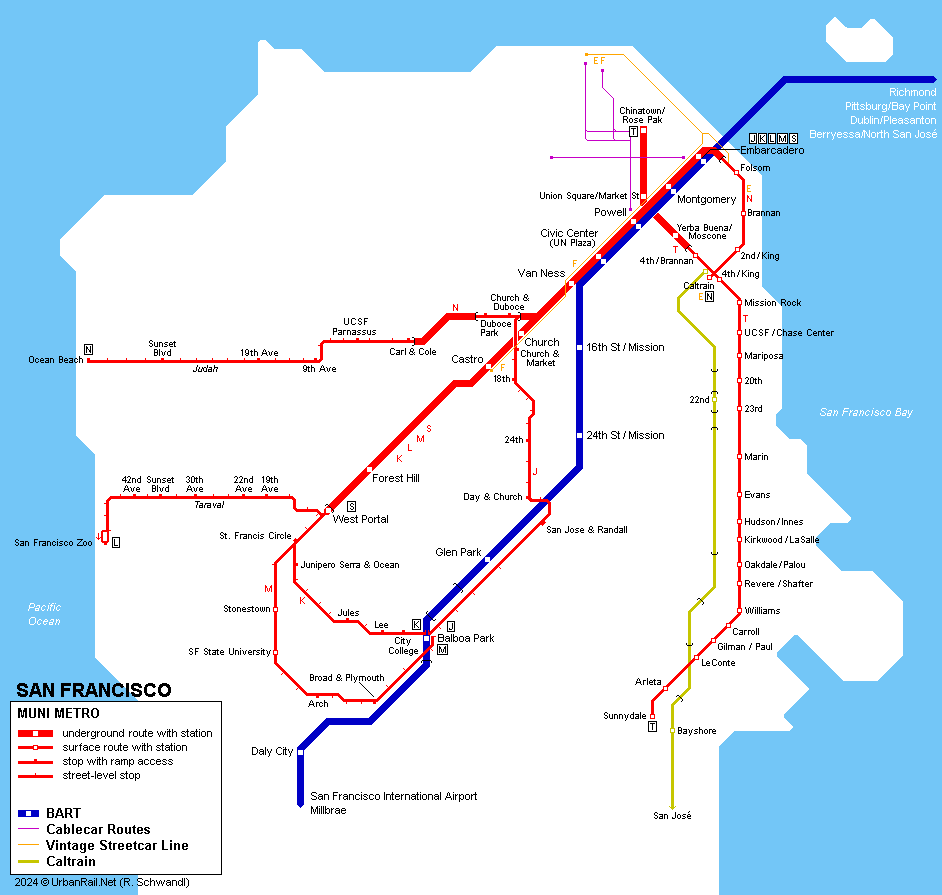
The concept of a “subway” in San Francisco is primarily represented by two distinct but interconnected systems: the Bay Area Rapid Transit (BART) and the San Francisco Municipal Railway (Muni Metro). While both offer underground service in parts, they serve different purposes and operate on separate tracks. Comprehending their individual roles is crucial for efficient travel planning.
The Bay Area Rapid Transit (BART): Connecting the Region
BART is arguably what most people envision when they think of a regional subway system. It is a heavy rail public transportation system that connects San Francisco with cities throughout the East Bay, North Bay, and South Bay. A significant portion of BART’s tracks in downtown San Francisco run underground, providing efficient, rapid transit between key urban hubs. Its reach extends to both major airports serving the region: San Francisco International Airport (SFO) and Oakland International Airport (OAK). This makes BART an invaluable asset for travelers arriving in the city, offering a quick and cost-effective transfer from the airport directly into the heart of San Francisco. The trains are fast, spacious, and designed for inter-city travel, characterized by their wider carriages and longer distances between stops compared to local transit options.
Muni Metro: San Francisco’s Inner-City Rail System
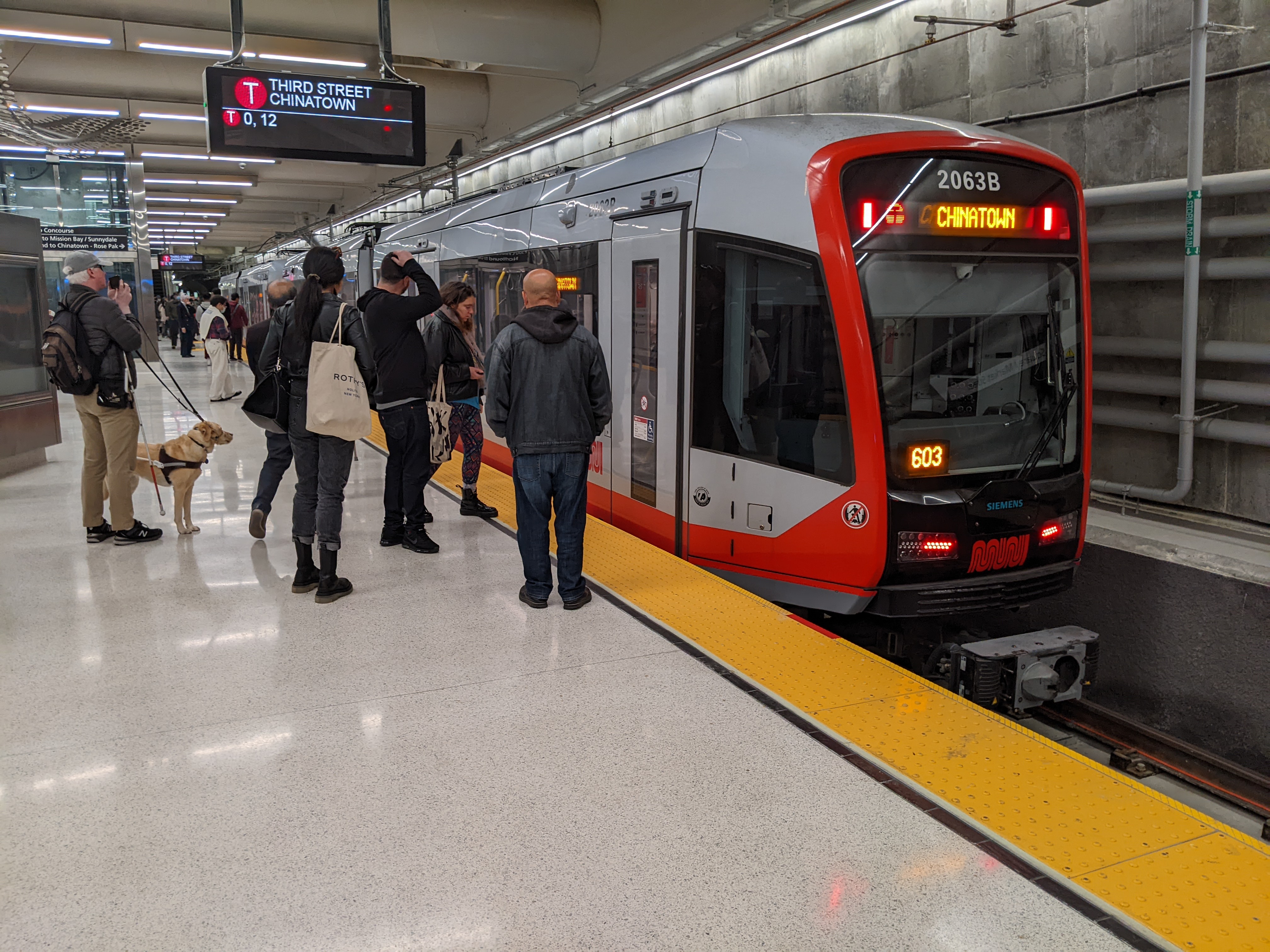
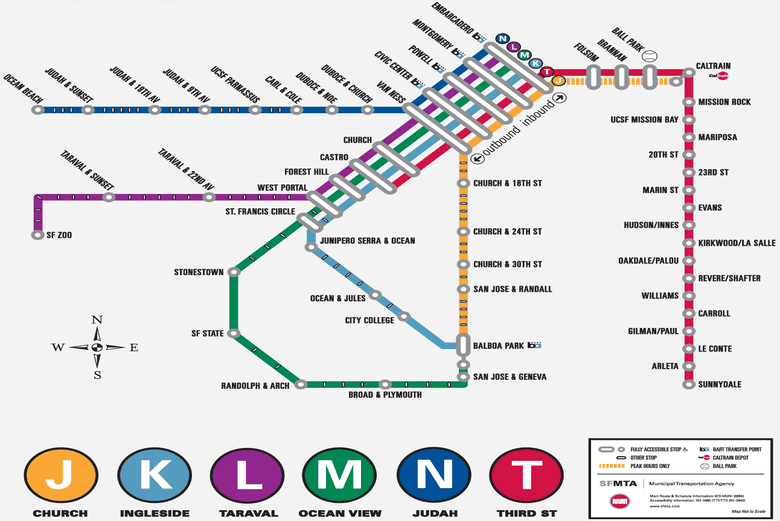
In contrast to BART’s regional focus, Muni Metro serves as San Francisco’s light rail system, primarily designed for intra-city travel. It comprises several lines (J, K, L, M, N, T) that traverse various neighborhoods, offering both surface and underground service. The downtown portion of Muni Metro runs through a shared subway tunnel along Market Street with BART for a few stops before diverging to cover distinct routes. Muni Metro trains are lighter and more akin to streetcars, often emerging from underground tunnels to operate as street-level light rail, sharing lanes with vehicle traffic in many parts of the city. This system is perfect for exploring specific districts, connecting popular attractions, and navigating the city’s unique topography, making it an essential tool for local exploration.
The Distinction: Subway vs. Light Rail
While both BART and Muni Metro offer underground components, their fundamental classifications differ. BART is a heavy rail system, analogous to traditional subways found in major global cities, designed for high-speed, high-capacity regional transport with entirely grade-separated tracks. Muni Metro, on the other hand, is a light rail system. Although it functions as a subway in its underground sections, it transitions to street-level operation in others, integrating more closely with urban streetscapes. For visitors, understanding this distinction helps in selecting the most appropriate mode of transport for their specific travel needs – BART for longer distances and regional connections, and Muni Metro for localized sightseeing and accessing distinct San Francisco neighborhoods.
Navigating San Francisco with BART and Muni Metro
Utilizing San Francisco’s rail systems effectively can significantly enhance a visitor’s experience, providing efficient access to a multitude of destinations without the hassle of driving or parking. Each system has its strengths depending on your itinerary.
BART for Airport Connections and Regional Exploration
For travelers arriving at or departing from SFO or OAK, BART is the most convenient and often fastest option. The direct connection from the airports to downtown San Francisco stations like Powell Street, Montgomery Street, and Embarcadero makes airport transfers seamless. Beyond the airport, BART is ideal for venturing outside of San Francisco to explore neighboring cities and attractions in the Bay Area. For instance, one could take BART to Oakland for its vibrant arts scene or to Berkeley to visit the university campus and its surrounding eclectic shops and restaurants. It offers a unique perspective on the broader regional landscape and is a cost-effective alternative to rental cars or ride-shares for inter-city journeys.
Muni Metro for City Sightseeing
Within San Francisco itself, Muni Metro is your go-to for accessing various districts and tourist hotspots. The J-Church line, for example, can take you through the Mission District with its renowned murals and eateries, up to the Castro. The N-Judah line connects downtown with the Sunset District and provides convenient access to the eastern edge of Golden Gate Park and the Ocean Beach. For attractions along the Embarcadero, such as the Ferry Building or Pier 39 near Fisherman’s Wharf, the T-Third or F-Market & Wharves streetcar (which operates on Muni Metro tracks in parts but uses historic streetcars) is perfect. Muni Metro offers a more intimate connection with the city’s diverse neighborhoods, often providing scenic routes as it transitions from underground tunnels to street-level tracks, showcasing San Francisco’s dynamic urban fabric.
Understanding Routes and Fares
Both BART and Muni Metro operate on a distance-based fare system for BART and a flat-rate fare for Muni Metro (with transfers available). For seamless travel, the Clipper Card is indispensable. This reusable, reloadable transit card is accepted across nearly all public transit agencies in the Bay Area, including BART, Muni Metro, buses, and Cable Cars. Visitors can purchase a physical Clipper Card at most stations, Walgreens, or online, or simply add it to their smartphone’s digital wallet for convenience. Planning your route is made easy with apps like Google Maps or the official BART and Muni apps, which provide real-time schedules and fare estimates.
Beyond the Subway: A Comprehensive Look at San Francisco’s Public Transit
While BART and Muni Metro form the backbone of San Francisco’s rail network, the city’s public transit system is much broader, encompassing a rich array of options that contribute to its unique character and travel experience. Integrating these various modes allows for unparalleled exploration.
Iconic Cable Cars and Historic Streetcars
No discussion of San Francisco transit is complete without mentioning its world-famous Cable Cars. These national historic landmarks are not just a mode of transport but an experience in themselves, offering breathtaking views as they ascend and descend the city’s steep hills. While perhaps not the most efficient for rapid transit, riding a Cable Car is an essential San Francisco activity, connecting areas like Union Square to Fisherman’s Wharf. Similarly, the F-Market & Wharves streetcar line operates with beautifully restored historic streetcars from around the world, running along Market Street and the Embarcadero, linking major attractions like the Ferry Building, Pier 39, and Ghirardelli Square. These are vital elements of the travel experience, blending utility with sightseeing.
Extensive Bus Network
Complementing the rail systems is an extensive network of Muni buses that reach virtually every corner of San Francisco. Buses are particularly useful for areas not served by rail, such as Presidio National Park, the Palace of Fine Arts, or navigating the unique streets of the Richmond and Sunset Districts. They provide excellent coverage and flexibility, often offering direct routes to attractions or residential neighborhoods that require a transfer from rail lines. Many routes are also electric trolleybuses, contributing to the city’s commitment to sustainable transport. For travelers looking to truly immerse themselves in local life and explore off-the-beaten-path gems, the bus network is an invaluable resource.
Integrating Different Transit Modes: The Clipper Card
The true genius of San Francisco’s public transit lies in its seamless integration, primarily facilitated by the Clipper Card. This single card acts as your passport to nearly all transit options: BART trains, Muni Metro, Muni buses, Cable Cars, historic streetcars, and even ferries. By loading cash value or passes (such as the Muni Passport for tourists, offering unlimited rides on Muni for 1, 3, or 7 consecutive days), travelers can tap and go across the entire network. This eliminates the need for multiple tickets or fumbling with exact change, streamlining the travel process and allowing for spontaneous exploration. The interoperability makes navigating San Francisco incredibly user-friendly and efficient, empowering visitors to mix and match modes to suit their destination and preference.
Practical Tips for Tourists Using San Francisco’s Public Transit
To ensure a smooth and enjoyable experience, keep these practical tips in mind when using San Francisco’s comprehensive public transit system.
Purchasing Fares and Passes
The most convenient way to pay for transit is with a Clipper Card. You can purchase a physical card at BART stations, selected retail stores like Walgreens, or customer service centers. For those who prefer digital, adding a Clipper Card to your smartphone’s wallet allows for tap-and-go payments directly from your device. Consider purchasing a Muni Passport if you plan extensive local travel, as it covers unlimited rides on Muni Metro, buses, and Cable Cars for a fixed period. For BART, load enough cash value to cover your expected journeys, as BART fares are distance-based.
Safety and Etiquette
Like any major urban transit system, it’s wise to be aware of your surroundings. During off-peak hours or late at night, opt for well-lit and populated stations. Keep your belongings secure and be mindful of pickpockets, especially in crowded areas or on popular tourist routes like the Cable Cars. General transit etiquette applies: offer seats to the elderly or those with disabilities, keep noise levels down, and avoid blocking doorways. While San Francisco is generally safe, common sense precautions go a long way in ensuring a pleasant journey.
Accessibility and Convenience
San Francisco’s public transit system is largely accessible. BART stations have elevators, and trains are equipped with wheelchair spaces. Muni Metro trains and buses are also designed to be accessible, though some older streetcar models on the F-Market & Wharves line may have limitations. For travelers with strollers or luggage, the ample space on BART trains is beneficial. During peak commute hours (typically 7-9 AM and 4-6 PM on weekdays), trains and buses can get very crowded, so consider adjusting your travel times if possible to avoid the busiest periods.
Real-Time Information and Planning Tools
Leverage technology to your advantage. Download the official BART and Muni apps for real-time arrival information, service alerts, and route planning. Google Maps is also highly effective for navigating San Francisco’s transit, providing step-by-step directions using various modes of transport, including walking directions to and from stations. Planning your routes in advance, especially when combining different transit types, will save you time and prevent confusion.
The Impact of Public Transit on the San Francisco Travel Experience
Embracing San Francisco’s robust public transit system fundamentally shapes and enriches the travel experience, moving beyond mere convenience to offer deeper engagement with the city.
Embracing Sustainable Exploration
Utilizing public transportation is one of the most environmentally friendly ways to explore San Francisco. By opting for BART, Muni Metro, buses, and Cable Cars, travelers significantly reduce their carbon footprint compared to relying on taxis, ride-shares, or rental cars. This commitment to sustainability aligns with San Francisco’s progressive values and allows visitors to experience the city responsibly. It’s a conscious choice that contributes to preserving the beauty and health of the Bay Area for future generations.
Cost-Effectiveness and Convenience
For budget-conscious travelers, public transit presents a substantial financial advantage. Compared to the high costs of parking, rental cars, and frequent ride-share services in San Francisco, the affordable fares and passes of BART and Muni offer significant savings. The convenience factor is also paramount; avoiding traffic congestion, navigating one-way streets, and searching for elusive parking spots frees up valuable time and reduces stress, allowing visitors to dedicate more energy to sightseeing and enjoying their trip. The ability to seamlessly transfer between different modes with a single Clipper Card further amplifies this convenience, making multi-stop itineraries simple and efficient.
Experiencing the City Like a Local
Perhaps the most profound impact of using San Francisco’s public transit is the opportunity it provides to experience the city through the eyes of its residents. Riding the Muni Metro alongside daily commuters, overhearing snippets of conversation, and watching the city unfold from a bus window offers a genuine glimpse into local life. It allows for deeper immersion into various neighborhoods, discovering hidden gems and local favorites that might be missed when confined to a private vehicle. From the underground rush of BART to the charming clatter of a Cable Car ascending a steep incline, each mode of transport offers a unique perspective, making your journey through San Francisco an integral part of the adventure itself.
LifeOutOfTheBox is a participant in the Amazon Services LLC Associates Program, an affiliate advertising program designed to provide a means for sites to earn advertising fees by advertising and linking to Amazon.com. Amazon, the Amazon logo, AmazonSupply, and the AmazonSupply logo are trademarks of Amazon.com, Inc. or its affiliates. As an Amazon Associate we earn affiliate commissions from qualifying purchases.