
Navigating the vibrant tapestry of California’s Bay Area often involves understanding the distances and travel times between its key cities. For many, the question “How far is Santa Clara, CA from San Francisco?” is more than just a geographical query; it’s a critical element in planning commutes, business trips, leisure excursions, or even deciding where to live. These two cities, while distinct in character and purpose, are inextricably linked by the region’s dynamic economy and diverse attractions. San Francisco, the iconic northern hub known for its rolling hills, Victorian architecture, and a world-renowned culinary scene, stands in contrast to Santa Clara, a central player in the Silicon Valley tech landscape, famous for its innovation, university, and major sports stadium. The journey between them is a quintessential Bay Area experience, offering a range of transportation options and varying travel times depending on myriad factors. Understanding this connection is key to unlocking the full potential of your Bay Area adventures, whether you’re heading to a tech conference, catching an NFL game, exploring historical landmarks, or simply commuting for work. This guide will delve into the specifics of this route, outlining distances, travel times, and the best ways to traverse the approximately 45-50 miles that separate these two pivotal California cities.
Understanding the Geographical Relationship
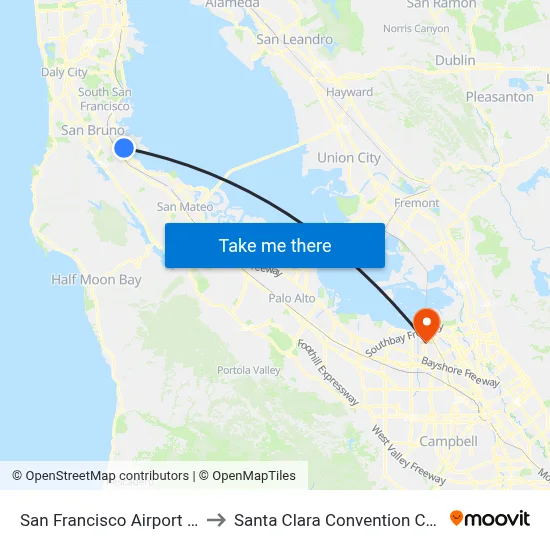
The Bay Area is a sprawling metropolitan region, and understanding the placement of its key cities is fundamental to comprehending travel logistics. San Francisco anchors the northern part of the peninsula, jutting into the Pacific Ocean and San Francisco Bay. Santa Clara, on the other hand, is situated significantly south, deep within the Santa Clara Valley, which is widely recognized as the heart of Silicon Valley. This north-south alignment along the San Francisco Peninsula defines the primary travel corridors and influences the nature of the journey. The distance isn’t simply a straight line; it’s dictated by highways and transportation networks that wind through various cities and suburbs.
Direct Distance vs. Driving Distance
When considering “how far,” it’s crucial to distinguish between direct, as-the-crow-flies distance and actual driving distance. The straight-line distance between San Francisco and Santa Clara is approximately 45 to 48 miles (around 72 to 77 kilometers). This provides a baseline, but it doesn’t account for the road network. The actual driving distance is slightly longer, typically ranging from 45 to 50 miles (72 to 80 kilometers), depending on the specific starting and ending points within each city and the chosen route. For instance, traveling from Downtown San Francisco to the core of Santa Clara will generally fall within this range. While this might seem like a manageable distance, the actual travel time is heavily influenced by external factors that are characteristic of urban travel in a major metropolitan area.
Factors Influencing Travel Time
The difference between a quick jaunt and a protracted journey hinges on several critical factors, primarily traffic. The Bay Area is notorious for its congestion, especially during peak commute hours. A drive that might take 45-60 minutes in the dead of night or on a quiet Sunday afternoon can easily stretch to 90 minutes, two hours, or even more during weekday rush hours (typically 6:30 AM to 9:30 AM and 3:30 PM to 7:00 PM). Accidents, construction, and special events (like games at Levi’s Stadium in Santa Clara or conferences in San Francisco) can further exacerbate delays. The chosen route also plays a significant role, as some highways are more prone to bottlenecks than others. Finally, the mode of transportation—driving, public transit, or ride-sharing—each comes with its own average travel times and susceptibility to delays, which are crucial to consider when planning.
Navigating the Journey: Transportation Options
Traveling between Santa Clara and San Francisco offers a variety of transportation choices, each with its own advantages and disadvantages in terms of speed, cost, and convenience. The optimal choice often depends on individual preferences, budget, and the specific time of travel.
Driving
Driving is a popular option, offering the most flexibility and door-to-door convenience, especially if you have a car. The primary routes connecting the two cities are:
- US-101 (Bayshore Freeway): This is the most direct and often the quickest route, running along the eastern side of the San Francisco Peninsula closest to the San Francisco Bay. It offers multiple lanes but is also the most susceptible to heavy traffic congestion, particularly during rush hours.
- I-280 (Junipero Serra Freeway): Often referred to as “the most beautiful freeway in America,” I-280 runs along the western side of the peninsula, closer to the hills. It is generally less congested than US-101, especially south of San Bruno, and offers more scenic views. However, it can add a few extra miles to the journey and might not be as direct for all destinations.
- I-880 (Nimitz Freeway): This route, crossing the San Francisco Bay via the Dumbarton Bridge or San Mateo-Hayward Bridge, is generally not the most direct for travel between San Francisco and Santa Clara unless you are coming from the East Bay. It involves significant bridge tolls and is also prone to severe traffic.
Under ideal conditions (no traffic, usually late at night or early morning), the drive can take approximately 45-60 minutes. During moderate traffic, expect 70-90 minutes. During peak rush hour, the journey can easily extend to 1.5 to 2.5 hours or even longer. Considerations include gas costs, potential bridge tolls if detouring, and notoriously expensive and scarce parking in San Francisco.
Public Transportation
Public transit offers a viable and often less stressful alternative to driving, especially for commuters seeking to avoid traffic.
- Caltrain: This commuter rail service is the backbone of north-south public transit on the San Francisco Peninsula. Caltrain runs from Gilroy in the south to San Francisco’s 4th and King Street Station in the north, with frequent stops including the Santa Clara Station (next to Levi’s Stadium) and the Santa Clara University stop. An express train journey from Santa Clara to San Francisco typically takes about 60-75 minutes, while local trains can take 80-90 minutes. This option bypasses traffic entirely, making it highly reliable in terms of travel time.
- BART (Bay Area Rapid Transit): While BART serves San Francisco directly, it does not extend to Santa Clara. To use BART, you would typically take BART to Millbrae and transfer to Caltrain, or take BART to Fremont or Berryessa/North San Jose and then use VTA (Valley Transportation Authority) connections. This multi-leg journey is generally longer and more complex than a direct Caltrain ride, often taking 1.5 to 2 hours or more, depending on connections.
- VTA (Valley Transportation Authority): VTA provides local bus and light rail services within Santa Clara County. It’s essential for “last mile” connections within Santa Clara and San Jose after arriving via Caltrain or if transferring from BART.
Ride-Sharing and Taxis
Services like Uber and Lyft offer door-to-door convenience similar to driving, without the hassle of parking. The travel time will mirror that of driving, subject to traffic conditions. However, the cost can be substantial, typically ranging from $70-$120 or more during surge pricing, making it a more expensive option for solo travelers but potentially cost-effective for groups. Taxis are also available but generally cost more than ride-sharing services.
Intercity Buses

Some intercity bus services like FlixBus or Greyhound might offer routes between San Jose (which is adjacent to Santa Clara) and San Francisco. These are usually the most budget-friendly options, but they often have fewer departures, longer travel times due to multiple stops, and may not drop you off at the most convenient locations, requiring further local transit.
Planning Your Trip: Key Considerations
Effective planning is crucial for a smooth journey between Santa Clara and San Francisco, allowing you to optimize for time, cost, and convenience. Considering the purpose of your travel and the specific day and time can make a significant difference in your overall experience.
Best Time to Travel
Avoiding rush hour is perhaps the most critical advice for anyone traveling this route. On weekdays, the busiest periods are generally between 6:30 AM and 9:30 AM for northbound travel (towards San Francisco) and 3:30 PM to 7:00 PM for southbound travel (towards Santa Clara). Traveling outside these windows, or ideally on weekends, will significantly reduce travel time if you are driving or using ride-sharing services. If you must travel during peak hours, Caltrain offers the most reliable and consistent travel times, as it operates on dedicated tracks, largely immune to road congestion. Always check real-time traffic updates and public transit schedules before departing.
Cost Analysis
The financial implications of your travel choice can vary widely.
- Driving: Involves fuel costs (which can be high in California), potential bridge tolls, and often substantial parking fees in San Francisco (parking garages can charge $30-$50+ for a few hours). If traveling frequently, these costs add up.
- Public Transit (Caltrain): Generally the most cost-effective option for individual travelers. A one-way ticket on Caltrain from Santa Clara to San Francisco costs roughly $8-$10 depending on the number of zones. Daily or monthly passes can offer further savings for regular commuters.
- Ride-Sharing/Taxis: The most expensive option for single travelers, with fares easily exceeding $70-$120, not including potential surge pricing. This option is better suited for groups who can split the cost or for those prioritizing ultimate convenience and door-to-door service for a specific event or schedule.
Purpose of Travel
The reason for your trip should heavily influence your choice of transport:
- Commuting: For daily or regular work commutes, Caltrain is often the preferred choice for its reliability, cost-effectiveness, and ability to bypass traffic. Many companies in Silicon Valley and San Francisco also provide shuttle services that connect with Caltrain stations.
- Leisure/Tourism: If you’re visiting for pleasure and plan to explore multiple attractions in San Francisco, taking Caltrain and then utilizing San Francisco’s excellent public transport (Muni buses, streetcars, cable cars) is often ideal. For events at Levi’s Stadium in Santa Clara, Caltrain is also highly recommended, as parking around the stadium can be challenging and expensive.
- Business Travel: Depending on the flexibility of your schedule and the number of stops, driving or ride-sharing might be chosen for directness, but if your meetings are near public transit hubs, Caltrain remains a strong contender.
Local Connectivity
Once you arrive at your destination, having a plan for local transport is essential. In San Francisco, the Muni system (buses, light rail, cable cars) provides extensive coverage. In Santa Clara and the wider San Jose area, VTA buses and light rail lines can connect you to various points of interest, including the Levi’s Stadium, Santa Clara University, and major tech campuses. Many tech companies also operate private shuttle services for their employees from Caltrain stations.
Why Travel Between Santa Clara and San Francisco? (Destinations & Experiences)
The allure of traveling between Santa Clara and San Francisco lies in the diverse array of opportunities and experiences each city offers. From cutting-edge technology to iconic landmarks, the journey often serves as a bridge between distinct facets of the Bay Area’s appeal.
San Francisco as a Destination
San Francisco is a global magnet for tourism, culture, and business. Visitors flock to see the majestic Golden Gate Bridge, take a ferry to the historic Alcatraz Island, explore the bustling Fisherman’s Wharf and Pier 39, or ride a legendary cable car up the city’s steep hills. The city also boasts world-class museums, vibrant neighborhoods like Chinatown and the Mission District, and a thriving food scene. For business travelers, San Francisco hosts numerous conferences, financial institutions, and tech companies, making it a critical hub for professional engagements. The city’s unique blend of natural beauty, architectural marvels, and diverse cultural offerings makes it a captivating destination for any traveler.
Santa Clara as a Destination
In stark contrast to San Francisco’s historical charm, Santa Clara is a city deeply embedded in the modern technological revolution. It is a central part of Silicon Valley, home to the headquarters of numerous tech giants. Iconic sites include Levi’s Stadium, home of the NFL’s San Francisco 49ers, which draws crowds for major sporting events and concerts. The city also hosts California’s Great America, a popular amusement park, and the historic Santa Clara University, the oldest operating institution of higher learning in California. Tech enthusiasts might visit the Intel Museum or glimpse the futuristic architecture of Apple Park in nearby Cupertino. Santa Clara offers a distinct experience focused on innovation, sports, and family entertainment, making it a significant destination in its own right.

Commuting and Business Travel
Beyond tourism, a substantial volume of travel between Santa Clara and San Francisco is driven by daily commuting and business. Many residents of the South Bay work in San Francisco and vice-versa, creating a robust commuter flow. The proximity of major airports also facilitates business travel; San Francisco International Airport (SFO) is conveniently located north of Santa Clara on the way to San Francisco, while San Jose International Airport (SJC) serves the South Bay. This frequent movement of people underscores the economic interconnectedness of these two pivotal Bay Area cities, making efficient travel between them a continuous necessity for both residents and visitors alike.
In conclusion, the journey from Santa Clara, CA to San Francisco spans approximately 45-50 miles, connecting two of the Bay Area’s most dynamic urban centers. While the physical distance is relatively modest, the actual travel time can fluctuate significantly due to Bay Area traffic patterns. Travelers have a robust selection of transportation options, from the flexibility of driving via US-101 or I-280 to the reliability and cost-effectiveness of Caltrain and other public transit networks. Careful planning, especially regarding the time of day and purpose of travel, will ensure a smooth and enjoyable experience, whether you’re embarking on a daily commute, attending a major event, or exploring the diverse attractions that make the San Francisco Bay Area a world-renowned destination.
LifeOutOfTheBox is a participant in the Amazon Services LLC Associates Program, an affiliate advertising program designed to provide a means for sites to earn advertising fees by advertising and linking to Amazon.com. Amazon, the Amazon logo, AmazonSupply, and the AmazonSupply logo are trademarks of Amazon.com, Inc. or its affiliates. As an Amazon Associate we earn affiliate commissions from qualifying purchases.