
The fog, the breeze, the unpredictable chill – these are all iconic elements of the San Francisco experience. As any seasoned traveler or local will tell you, understanding the weather is not just about checking a forecast; it’s about understanding how to truly experience the city. Whether you’re planning a day exploring the vibrant streets of Chinatown, a romantic evening overlooking the Golden Gate Bridge, or a family adventure to Alcatraz Island, knowing what to expect from San Francisco’s climate is paramount to a seamless and enjoyable trip. This guide delves into the nuances of San Francisco’s weather, offering practical advice to ensure your visit is as comfortable as it is memorable, all while considering the diverse interests that bring visitors to this magnificent city, from luxury travel to budget-friendly explorations.
Understanding San Francisco’s Unique Climate
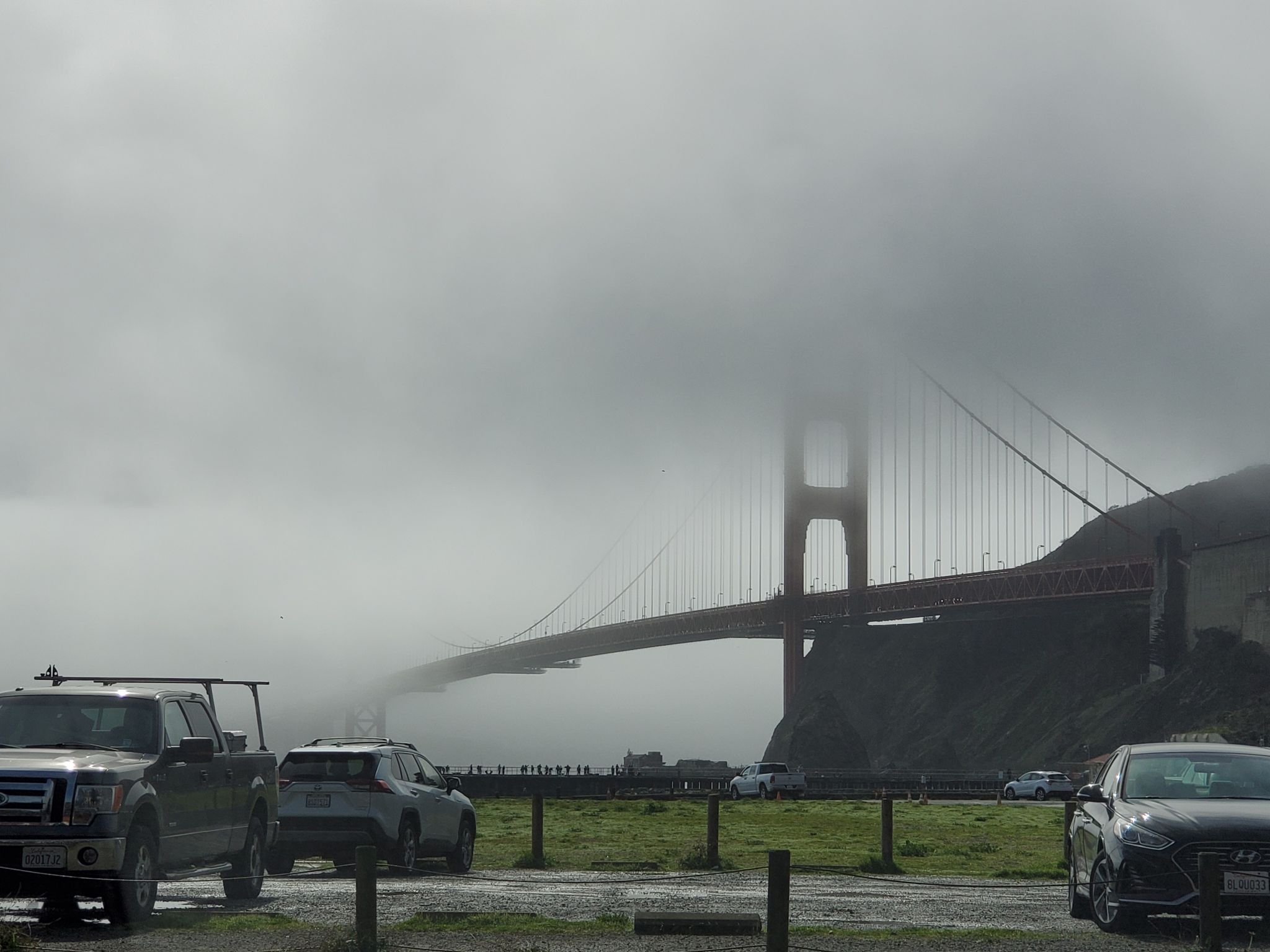
San Francisco’s weather is famously diverse, often within the same day and even the same neighborhood. Unlike many cities where the weather is relatively uniform, San Francisco’s microclimates are a significant factor to consider. This phenomenon is largely due to the city’s geography: a peninsula surrounded by the cold waters of the Pacific Ocean and San Francisco Bay, coupled with the hilly terrain.
The most dominant weather pattern is the marine layer, a thick blanket of fog that rolls in from the ocean, particularly during the summer months. This fog is a defining characteristic of San Francisco, often keeping the western parts of the city cool and damp while the eastern parts, like the Mission District, might be sunny and warmer. Average summer temperatures can be surprisingly mild, often in the high 60s Fahrenheit (around 20°C), with inland areas experiencing hotter conditions.
Rainfall is most prevalent during the winter months, typically from November through March. While San Francisco doesn’t usually experience heavy snowfall, persistent rain can occur, sometimes accompanied by gusty winds. Spring and fall often offer the most pleasant weather, with less fog and milder temperatures, making them ideal times for outdoor activities and exploring the city’s many attractions.
The Influence of the Pacific Ocean and Bay
The proximity to the Pacific Ocean is the primary driver of San Francisco’s cool summers and mild, wet winters. The cold ocean currents create a significant temperature difference between the land and the sea, leading to the formation of the marine layer. As warm air rises over the land, it draws the cooler, moist air from the ocean inland. This process is particularly pronounced in the afternoon, when the sun heats the land more intensely.
The San Francisco Bay also plays a role, acting as a temperature regulator. The water absorbs heat slowly and releases it slowly, contributing to the city’s generally moderate temperatures year-round. However, the Bay can also be a source of wind, especially in areas like the Embarcadero.
The city’s hilly topography further exacerbates microclimate variations. Neighborhoods on the western side, closer to the ocean and exposed to the marine layer, tend to be foggiest and coolest. Areas on the eastern side, sheltered by hills and closer to the warmer inland temperatures, often enjoy more sunshine. For instance, Ocean Beach can be significantly colder and foggier than Union Square on the same day. Understanding these subtle shifts is key for packing appropriately and planning your daily itinerary.
What to Pack: Dressing for San Francisco’s Layers
Given its famously fickle weather, “layering” is the unofficial uniform of San Francisco. The key is to be prepared for a range of temperatures and conditions, often within a few hours.
Essential Clothing Items for Any Season
No matter when you visit San Francisco, certain items are indispensable. A lightweight, waterproof, and windproof jacket is a must-have. This will protect you from the notorious fog, sudden drizzles, and the brisk ocean breeze. Think of it as your constant companion, whether you’re strolling through Golden Gate Park or waiting for a cable car.
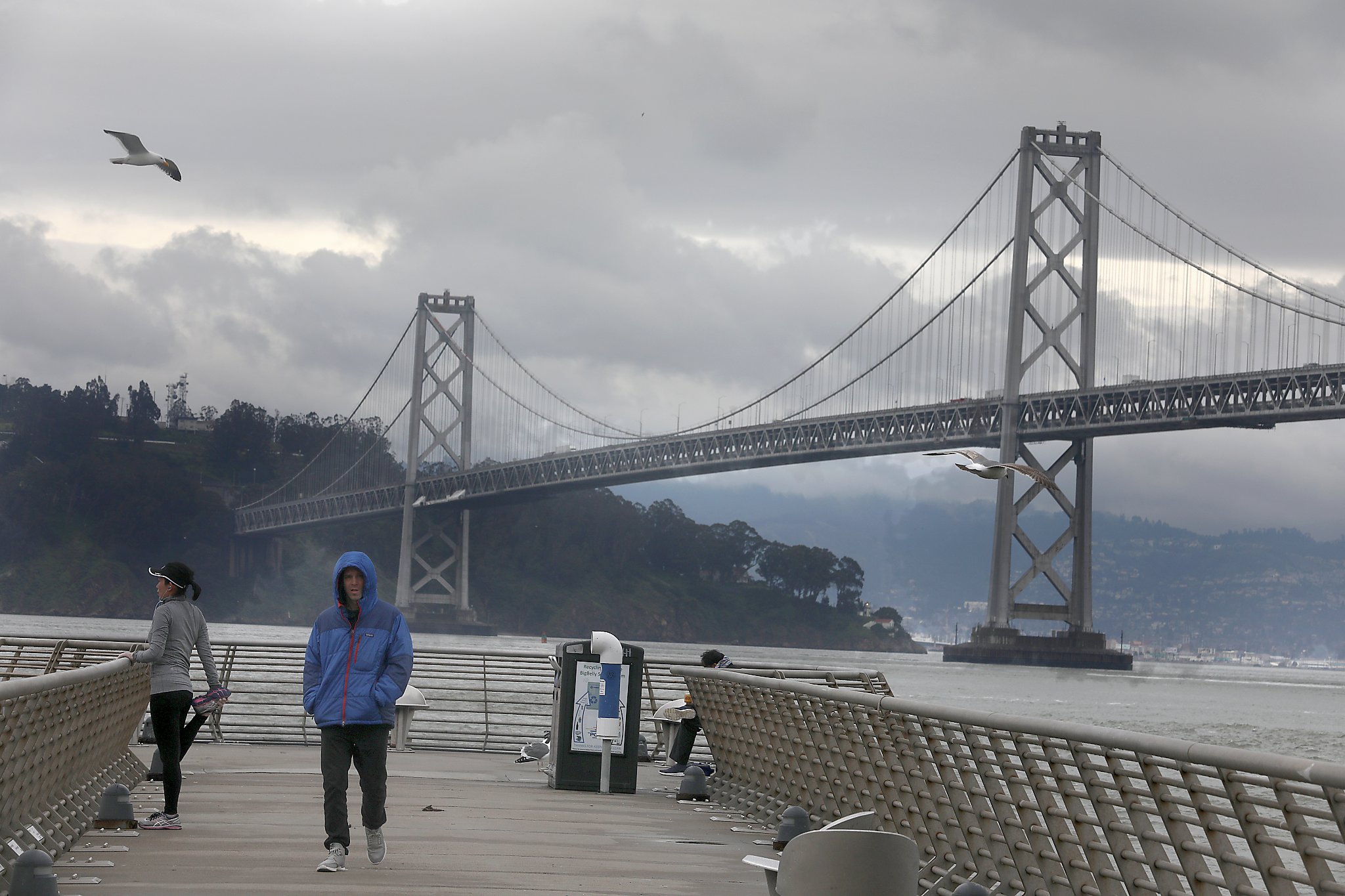
Fleece jackets, sweaters, and long-sleeved shirts are also essential. These provide warmth and can be easily added or removed as the temperature fluctuates. Jeans or comfortable trousers are practical for exploring. For your feet, comfortable walking shoes are non-negotiable. You’ll be doing a lot of walking, and the hilly terrain can be challenging in less-than-ideal footwear.
Seasonal Considerations and Specific Needs
Spring (March-May): Spring in San Francisco is a beautiful transition period. While it can still be cool and foggy, especially in the mornings and evenings, days can become pleasantly mild. Expect a mix of sunshine and cloud cover. Packing layers is still crucial, with light sweaters and a medium-weight jacket being ideal. This is a great time for outdoor activities before the summer fog fully sets in.
Summer (June-August): Contrary to what many expect from summer, San Francisco is often cool and foggy during these months, particularly along the coast and in the western parts of the city. The famous fog often burns off by midday in some areas, but it can linger. Temperatures can range from the high 50s to the low 70s Fahrenheit (10-22°C). Pack light layers, a warm jacket, and be prepared for cooler evenings. Even on a sunny day elsewhere, a trip to Fisherman’s Wharf might require a jacket.
Fall (September-November): Often considered the best time to visit, San Francisco’s fall can bring some of its warmest and sunniest weather. The fog tends to dissipate more readily, and temperatures are generally mild and pleasant. This is an excellent time for sightseeing and enjoying outdoor dining. However, even in fall, evenings can cool down significantly, so layering is still advisable.
Winter (December-February): Winter is San Francisco’s rainy season. While temperatures remain mild, typically in the 50s and 60s Fahrenheit (10-15°C), you can expect rain. Waterproof gear, including a good raincoat and umbrella, is essential. Even during rainy spells, there are often periods of sunshine between storms, so don’t let the rain deter you. This is a great time to explore museums like the de Young Museum or enjoy the city’s culinary scene.
Planning Your San Francisco Itinerary with Weather in Mind
The weather in San Francisco can significantly influence your choice of activities and how you approach your exploration. By factoring in the forecast, you can maximize your enjoyment and avoid common pitfalls.
Embracing the Outdoors: Activities for Every Forecast
Sunny Days: On bright, clear days, San Francisco truly shines. Take advantage of this by exploring its many outdoor landmarks. A bike ride across the Golden Gate Bridge to Sausalito is a classic. Hiking in Muir Woods National Monument to see the towering redwoods or enjoying a picnic in Dolores Park are also fantastic options. A cable car ride, a quintessential San Francisco experience, is best enjoyed when the weather is clear.
Foggy or Chilly Days: Don’t let the fog or chill keep you indoors! San Francisco’s indoor attractions are world-class. Consider a visit to the California Academy of Sciences in Golden Gate Park, explore the historic cells of Alcatraz Island (book tickets well in advance!), or immerse yourself in art at the San Francisco Museum of Modern Art (SFMOMA). A cozy afternoon in a cafe in North Beach or exploring the shops around Union Square can also be a delightful way to spend a cooler day. The Palace of Fine Arts is stunning regardless of the weather, offering dramatic photo opportunities even through a veil of mist.
Navigating Between Microclimates: Tips for Sightseeing
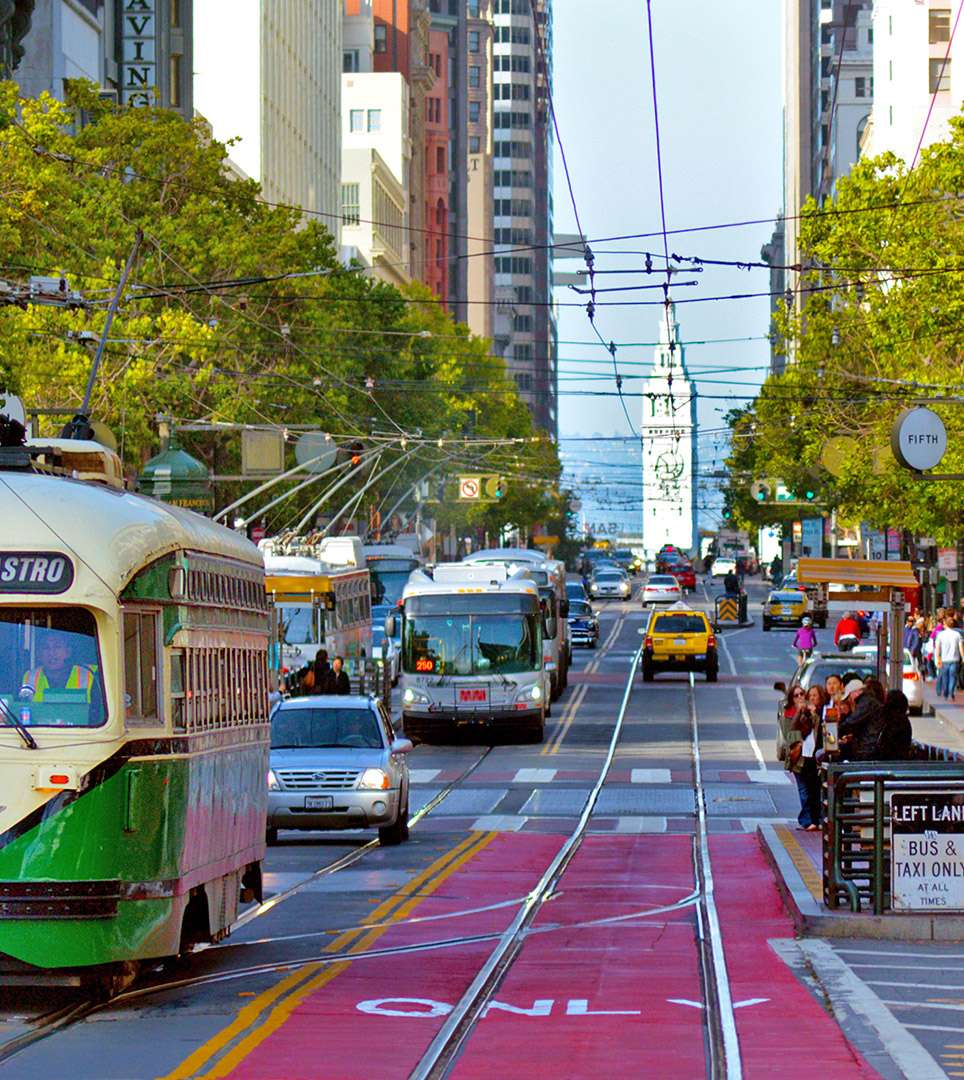
San Francisco’s microclimates mean that one moment you might be enjoying sunshine on the eastern side of the city and the next, be enveloped in fog as you head west. When planning your day, consider the general forecast for the areas you intend to visit. For instance, if you plan to visit Lands End or Baker Beach, be prepared for cooler temperatures and potential fog, even if the downtown area is warm.
Using weather apps that provide hyper-local forecasts can be incredibly useful. Many apps offer forecasts for specific neighborhoods, allowing you to make more informed decisions. When traveling between different parts of the city, always have your layers readily accessible. A quick bus ride or Uber can transport you from a sunny downtown to a windswept, foggy coast.
For accommodations, consider this too. Staying in a hotel in the heart of the city, like the Marriott Marquis San Francisco, might offer different weather experiences compared to a resort located closer to the coast. The same applies to renting apartments or villas. Understanding the typical weather patterns of your chosen neighborhood will enhance your overall San Francisco experience, ensuring you’re always dressed appropriately and ready for whatever the day brings. Whether you’re seeking a luxury stay, a budget-friendly option, or a family-friendly resort, the weather is a constant, yet manageable, element of your San Francisco adventure.
LifeOutOfTheBox is a participant in the Amazon Services LLC Associates Program, an affiliate advertising program designed to provide a means for sites to earn advertising fees by advertising and linking to Amazon.com. Amazon, the Amazon logo, AmazonSupply, and the AmazonSupply logo are trademarks of Amazon.com, Inc. or its affiliates. As an Amazon Associate we earn affiliate commissions from qualifying purchases.