
When planning a trip, understanding the scale of your arrival point can significantly shape your travel experience. This is especially true for major international gateways like Seattle-Tacoma International Airport (SEA), a bustling hub that serves as the primary gateway to the Pacific Northwest. Beyond simply knowing the flight times and your final destination, grasping the sheer size and operational scope of an airport like SEA can help travelers navigate efficiently, manage expectations, and even uncover hidden gems within its sprawling terminals.
The question, “How big is Seattle Airport?”, delves into more than just a simple measurement. It encompasses the physical footprint of the airport, its passenger and cargo capacities, the number of airlines it serves, and its economic impact. For travelers arriving from afar, or even those embarking on domestic journeys, SEA is often the first impression of the Emerald City and its surrounding region. Its magnitude is a testament to the growing importance of Seattle as a global center for technology, culture, and tourism.
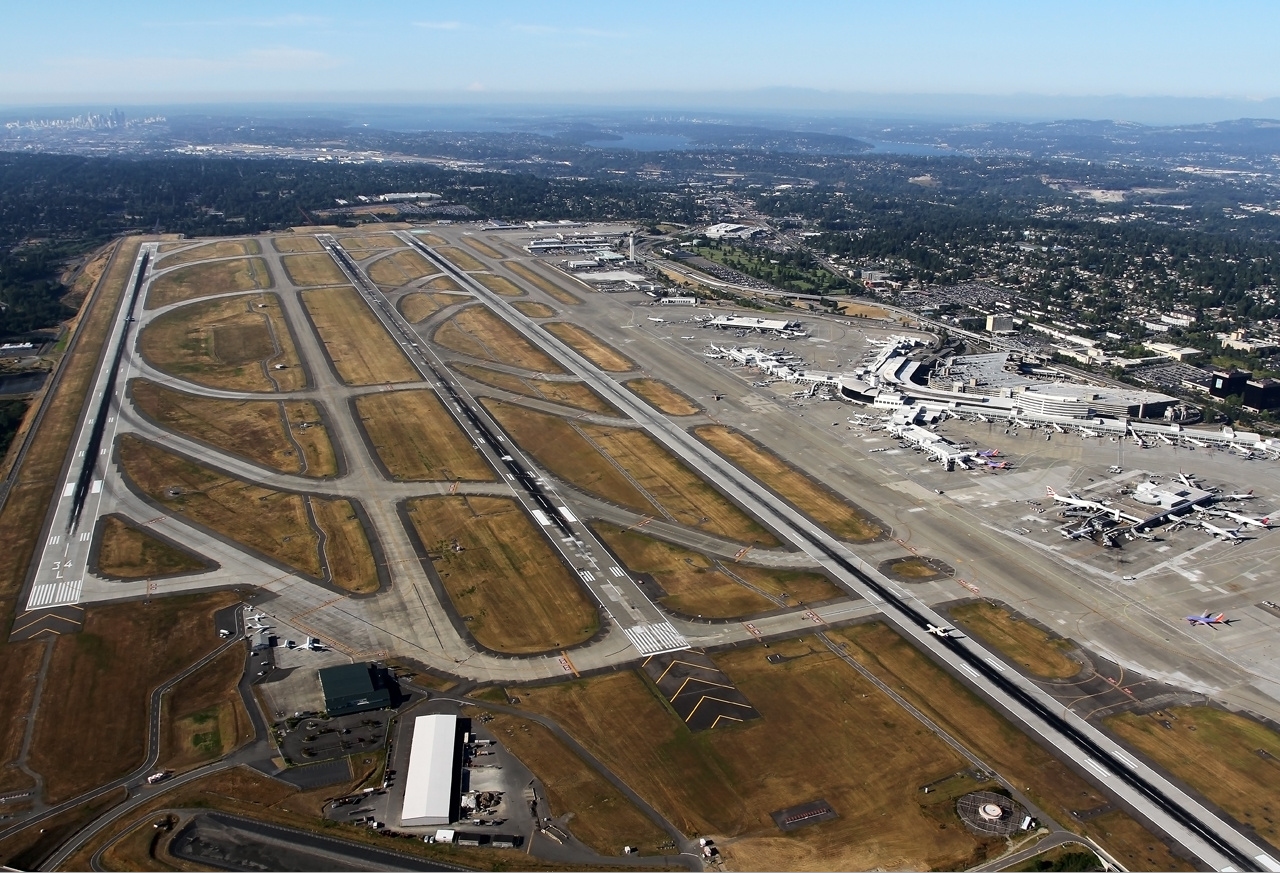
Understanding the Scale: Physical Dimensions and Infrastructure
To truly comprehend the size of Seattle-Tacoma International Airport, we need to look at its physical infrastructure. Spanning an impressive area, the airport is a complex network of terminals, concourses, runways, and supporting facilities. This vastness is not merely for show; it’s a necessity to handle the millions of passengers and the immense volume of air traffic that flows through its gates annually.
Terminal Layout and Concourse Systems
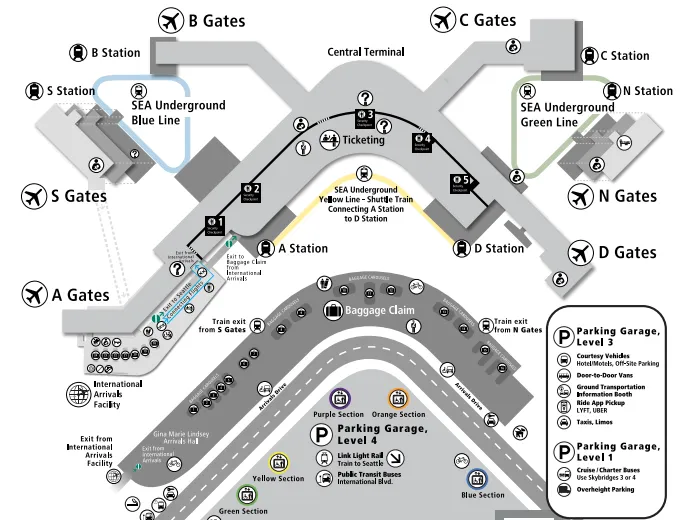
Seattle Airport is organized into several key areas designed to streamline passenger flow. The main terminal, often referred to as the Central Terminal, serves as the heart of the airport. From here, passengers can access different concourses via an automated people mover system, a crucial element in managing the distances involved. The airport features multiple concourses, each serving a different set of airlines and destinations.
- Concourse A: Typically handles a range of domestic and some international flights, offering a variety of amenities and shops.
- Concourse B: Similar to Concourse A, it accommodates a mix of carriers and flight types.
- Concourse C: Often associated with major carriers and a high volume of traffic, this concourse boasts a wide array of dining and retail options.
- Concourse D: Features a mix of domestic and international services, providing access to numerous gates.
- Concourse N: A newer addition, this concourse is designed with modern passenger needs in mind, featuring spacious waiting areas and diverse services.
The sheer number of gates across these concourses underscores the airport’s capacity. This intricate layout, while designed for efficiency, can still feel extensive to the uninitiated traveler. Understanding which concourse your flight departs from or arrives at is the first step in navigating the airport’s scale effectively.
Runway Operations and Air Traffic Control
The operational size of an airport is also defined by its runways. Seattle-Tacoma International Airport is equipped with multiple runways, strategically positioned to maximize efficiency and minimize delays. These runways are the arteries of the airport, supporting the constant takeoffs and landings that are the airport’s raison d’être. The length and number of runways are critical for accommodating a wide range of aircraft, from small regional jets to large international wide-body planes.
The airspace around SEA Airport is managed by sophisticated air traffic control systems. The volume of aircraft managed each day requires a highly coordinated effort, highlighting the airport’s significance not just as a physical space but as a complex operational entity. The planning and maintenance of these runways are ongoing processes, ensuring safety and efficiency in all weather conditions.
Passenger and Cargo Throughput: A Hub of Global Connectivity
Beyond its physical dimensions, the true measure of Seattle Airport’s size is in the sheer volume of people and goods it processes. As a major international airport, SEA is a critical node in global travel and commerce networks.
Passenger Traffic Statistics
Annually, Seattle-Tacoma International Airport handles tens of millions of passengers. This number fluctuates, influenced by economic conditions, global events, and seasonal travel trends. The passenger traffic statistics are a direct indicator of the airport’s importance as a gateway for both leisure and business travelers. Whether you’re flying to Hawaii, exploring the United States, or venturing to international destinations, there’s a high probability you’ll be passing through SEA.

The growth in passenger numbers over the years reflects the dynamism of the Seattle metropolitan area and its increasing attractiveness as a tourist and business destination. This constant influx of people necessitates a robust infrastructure and efficient operations to manage the flow of travelers, from check-in to baggage claim.
Cargo Operations and Economic Impact
While passenger traffic often takes center stage, cargo operations are equally vital to the airport’s scale and economic significance. SEA Airport plays a crucial role in the movement of goods, supporting businesses across the Pacific Northwest and beyond. The volume of cargo handled is substantial, making it a key player in regional and international supply chains.
The economic impact of Seattle-Tacoma International Airport extends far beyond its boundaries. It is a significant employer, providing jobs directly at the airport and indirectly through related industries such as aviation, hospitality, and logistics. Businesses in and around Seattle benefit from the connectivity provided by the airport, facilitating trade and economic growth. The presence of major airlines and their extensive route networks further amplifies this impact, attracting investment and fostering business opportunities.
Navigating the Vastness: Tips for Travelers
For travelers, understanding the size of Seattle Airport is not just about statistics; it’s about practical navigation. Being prepared can transform a potentially overwhelming experience into a smooth and even enjoyable one.
Planning Your Journey Through SEA
Before arriving at Seattle Airport, it’s advisable to familiarize yourself with its layout. Knowing your airline and terminal can save valuable time. Most airlines operating at SEA have designated terminals and concourses. Online airport maps and mobile apps are invaluable tools for visualizing the terminal layout, locating gates, and identifying amenities.
- Arrivals and Departures: Check your flight information carefully to determine your departure concourse and gate. Similarly, upon arrival, note your baggage claim area, which will be located in a specific terminal.
- Transportation within the Airport: The automated people mover system is your best friend for navigating between concourses. Familiarize yourself with its stations and operating hours.
- Allow Ample Time: Given the airport’s size, it’s wise to allocate extra time for check-in, security, and getting to your gate, especially during peak travel periods. This can alleviate stress and allow for a more relaxed experience.
Amenities and Experiences within the Airport
Despite its size, Seattle-Tacoma International Airport offers a surprising array of amenities and experiences that can make your time there more comfortable and engaging. From diverse dining options to unique retail outlets, there’s often more to explore than just your departure gate.
- Dining: SEA boasts a wide selection of restaurants and cafes, catering to various tastes and budgets. You can find everything from quick snacks to sit-down meals, including local Seattle favorites.
- Shopping: The airport features numerous retail stores, offering everything from travel essentials to local souvenirs and luxury goods. It’s a great place to pick up last-minute gifts or simply browse.
- Lounges: For travelers seeking a more tranquil experience, various airport lounges are available, offering comfortable seating, Wi-Fi, and complimentary refreshments. Some lounges are accessible to specific airline passengers or through membership programs.
- Art and Exhibits: Seattle-Tacoma International Airport often features public art installations and rotating exhibits, providing a cultural touchpoint during your travels. Keep an eye out for these unique displays that reflect the spirit of Washington State.
Connecting Flights and Layover Strategies
For those with connecting flights at Seattle Airport, understanding the scale is paramount. The distances between gates and the time required to navigate security for domestic-to-international or international-to-domestic connections can be substantial.
- Minimum Connection Times: Be aware of the recommended minimum connection times for SEA Airport. These are designed to provide sufficient time for you to disembark, navigate to your next gate, and board your connecting flight.
- Re-checking Baggage: In some cases, you may need to re-check your baggage for connecting flights, especially if you have booked separate tickets or are flying between different airline alliances. The airport’s layout and customs procedures can add to the time required.
- Exploring during Layovers: If you have a longer layover, consider the possibility of exploring parts of the airport. The scale of SEA means there’s often more to see than you might initially think. However, always prioritize getting to your next flight on time. For very long layovers, venturing into the city of Seattle might be an option, but this requires careful planning and consideration of transportation and security timelines.
In conclusion, the question of “How big is Seattle Airport?” opens a window into a world of complex logistics, immense infrastructure, and vital global connectivity. Whether you are a seasoned traveler or embarking on your first journey through Seattle-Tacoma International Airport, understanding its scale will undoubtedly enhance your experience, allowing you to navigate its vastness with confidence and make the most of your time at this significant Pacific Northwest gateway.
LifeOutOfTheBox is a participant in the Amazon Services LLC Associates Program, an affiliate advertising program designed to provide a means for sites to earn advertising fees by advertising and linking to Amazon.com. Amazon, the Amazon logo, AmazonSupply, and the AmazonSupply logo are trademarks of Amazon.com, Inc. or its affiliates. As an Amazon Associate we earn affiliate commissions from qualifying purchases.