
The question “Is it snowing in Seattle?” is one that frequently crosses the minds of prospective travelers, often conjuring images of a snow-dusted city akin to postcard scenes from other winter destinations. While the allure of a white Seattle is undeniable, the reality of its winter weather is nuanced and often defies common expectations. For anyone planning a trip to this vibrant Pacific Northwest metropolis, understanding its climate patterns and how they impact travel is crucial for an enjoyable and well-prepared experience. This guide delves into Seattle’s relationship with snow, offering insights for travelers on what to expect and how to make the most of a winter visit, whether snowflakes fall or not.
Unpacking Seattle’s Winter Weather Realities
Seattle’s climate is often misunderstood. While it’s renowned for its frequent rainfall, heavy snowfall is a far less common occurrence, making the “snow question” a significant point of clarification for travelers envisioning a winter wonderland.
The Mild Pacific Northwest Climate
Nestled between the saltwater of Puget Sound and the freshwater of Lake Washington, and sheltered by the Olympic Mountains to the west and the Cascade Range to the east, Seattle benefits from a maritime climate. This means its winters are typically mild and wet, rather than bitterly cold and snowy. Temperatures in the winter months (December, January, February) usually hover above freezing, with average lows in the mid-30s Fahrenheit (1-2 degrees Celsius) and highs in the mid-40s Fahrenheit (7-9 degrees Celsius). This moderating effect from the ocean currents typically keeps temperatures too warm for snow to accumulate for extended periods, even when precipitation is abundant. Instead, travelers are more likely to encounter persistent drizzles, cloudy skies, and cool breezes. This consistent dampness contributes to the city’s lush, green landscape, even in the depths of winter.
When Snow Does Grace the City
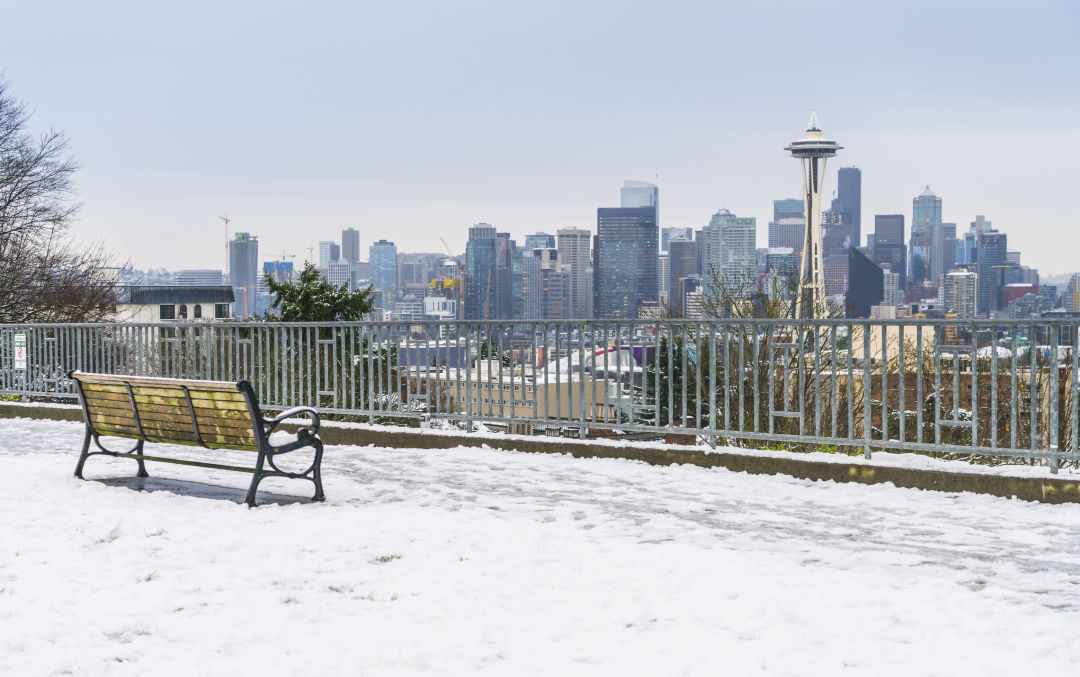
Despite its mild reputation, Seattle does experience snowfall, though it’s typically infrequent and often short-lived. Historically, the city sees an average of around 5-7 inches (13-18 cm) of snow per year, spread across a few distinct events. These events are usually caused by a specific meteorological phenomenon: cold air descending from the Fraser Valley in Canada clashing with moist air from the Pacific Ocean. When these conditions align, Seattle can transform into a beautiful, snow-covered landscape, albeit usually for only a day or two. Significant snowstorms that bring several inches and disrupt daily life are rarer, occurring perhaps once every few years. When they do happen, they become memorable events, often leading to widespread closures and a city-wide pause as residents and visitors alike marvel at the unusual sight. Travelers should track local weather forecasts closely if visiting during the peak winter months, particularly late January and February, when snow events are most probable.
Seattle’s Unique Relationship with Snow
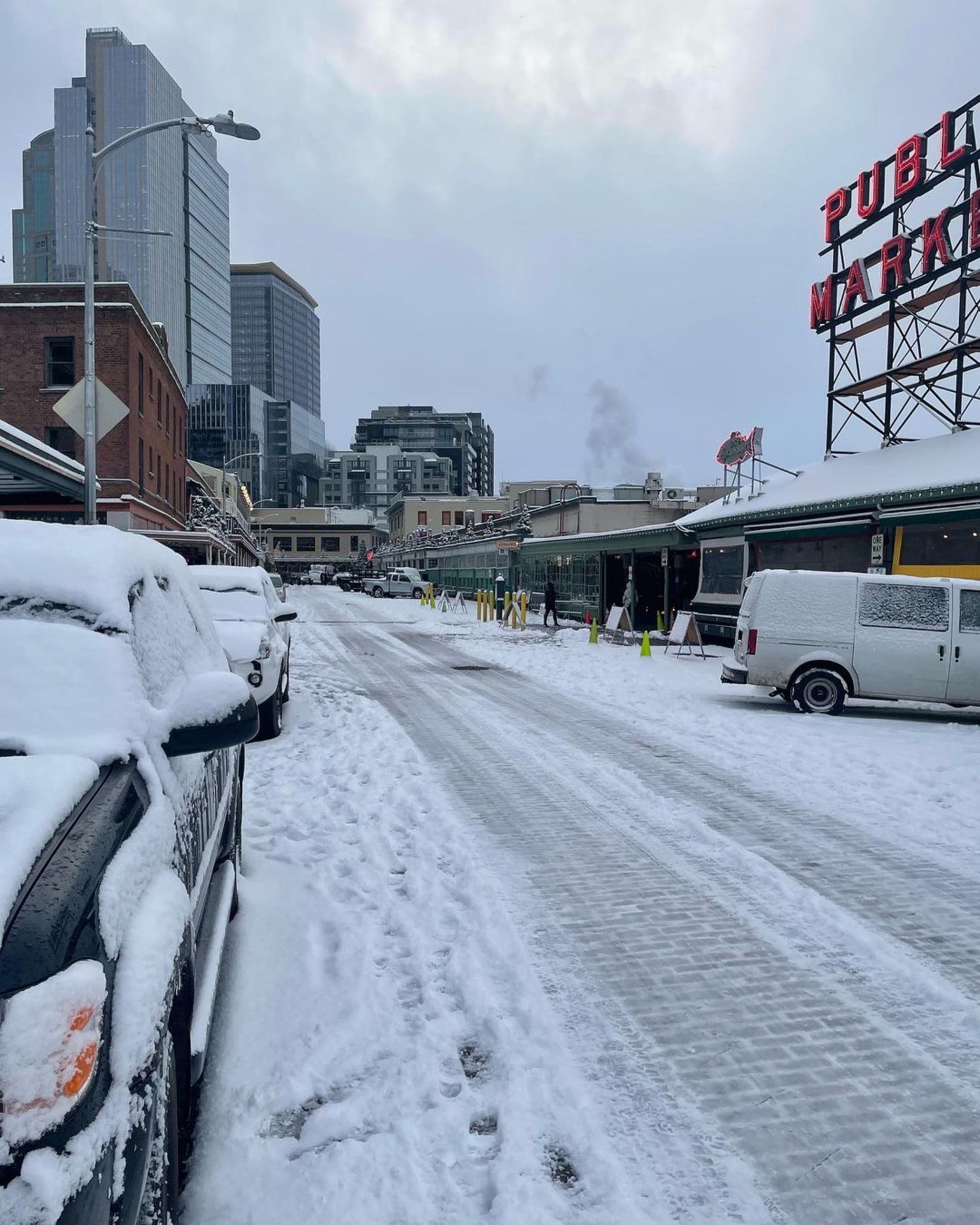
Unlike cities accustomed to regular heavy snowfall and equipped with extensive snow removal infrastructure, Seattle operates differently. Its hilly terrain, combined with the infrequency of significant snow, means that even a moderate accumulation can cause considerable disruption. Public transportation may face delays or route changes, and navigating by car can become challenging due to icy roads and a lack of widespread plowing services. This unique relationship with snow means that when it does appear, it’s often viewed as both a magical spectacle and a temporary inconvenience. For travelers, this translates to an experience that is either enhanced by picturesque snowy vistas or altered by transportation adjustments. It underscores the importance of flexibility and contingency planning when traveling to Seattle during the winter season.
Travel Implications: Planning for a Seattle Winter Trip
Understanding Seattle’s winter climate is essential for practical travel planning. From packing strategies to transportation considerations, being prepared ensures a smoother and more enjoyable journey, regardless of the weather.
Transportation Challenges and Solutions
Should snow fall during your visit, be prepared for potential transportation disruptions. Seattle-Tacoma International Airport (SEA) generally handles winter weather well, but flight delays can occur during heavy snowfall. Within the city, bus services from King County Metro might operate on snow routes, bypassing steep hills. The Link Light Rail, which connects downtown Seattle to the airport and other neighborhoods, is usually less affected, making it a reliable option. Ride-sharing services may experience surge pricing and longer wait times. If you’ve rented a car, ensure it has all-season tires; however, consider foregoing a car rental if heavy snow is in the forecast, as city driving can become treacherous. Walking, while charming in a light dusting, can be slippery. Always check local transit updates and weather alerts via official apps or websites before heading out.
What to Pack for a Seattle Winter
Regardless of whether snow makes an appearance, the key to comfort in a Seattle winter is layering and waterproof gear. Pack a good quality, waterproof and windproof outer shell jacket. Unlike many other winter destinations, a heavy, insulated parka might be overkill unless you plan specific outdoor activities at higher elevations. Instead, focus on layers: thermal base layers, warm sweaters or fleeces, and comfortable long-sleeved shirts. Waterproof shoes or boots with good traction are indispensable for navigating wet sidewalks and potential slush. An umbrella is helpful, though many locals opt for hooded jackets, finding umbrellas cumbersome in the city’s often breezy conditions. Don’t forget a warm hat, gloves, and a scarf to combat the chill, especially when exploring waterfront areas like Pike Place Market or waiting for a Washington State Ferry.
Flexibility is Key for Winter Travel
A successful winter trip to Seattle hinges on flexibility. While you might hope for a picturesque snowfall, be prepared for more common rainy days. Have a mix of indoor and outdoor activities planned. Book accommodations with good access to public transit or within walking distance of attractions to minimize reliance on personal vehicles during potential weather events. Keep an eye on weather forecasts in the days leading up to and during your trip, and be ready to adjust your itinerary if conditions warrant. Embrace the unexpected – a rare snow day can be a truly magical experience, offering unique photo opportunities of landmarks like the Space Needle or the Seattle Great Wheel dusted in white.

Embracing Seattle’s Winter Wonders (Snow or No Snow)
Seattle truly shines in the winter, offering a unique blend of cozy indoor escapes and invigorating outdoor adventures, whether or not the city is blanketed in snow. Travelers can find ample opportunities for cultural enrichment, culinary exploration, and scenic beauty.
Indoor Attractions to Explore
On those typically gray, damp Seattle winter days, the city’s array of world-class indoor attractions provides perfect refuge. Immerse yourself in the creative exhibits at the Museum of Pop Culture (MoPOP), explore the vibrant art collections at the Seattle Art Museum (SAM), or delve into the history of flight at the sprawling Museum of Flight. The Seattle Aquarium offers an enchanting glimpse into Puget Sound’s marine life, while the Chihuly Garden and Glass showcases breathtaking glass artistry under the Space Needle. For a truly unique experience, explore the underground passages of the Seattle Underground Tour, uncovering the city’s hidden history. Each of these venues offers warmth, comfort, and captivating experiences for hours.
Outdoor Activities When Snow Falls
If you’re fortunate enough to visit during a rare Seattle snowfall, the city transforms into a quiet, ethereal wonderland. Take advantage of the opportunity to stroll through Discovery Park or Volunteer Park, where the normally green landscapes take on a serene, frosted beauty. The views of the Olympic and Cascade Mountains, often clearer and more dramatic after a snowfall, are particularly stunning from viewpoints like Kerry Park. While downhill skiing in the city itself isn’t feasible, nearby mountain passes like Snoqualmie Pass (less than an hour’s drive) become accessible for skiing, snowboarding, and snowshoeing. Even a simple walk along the Seattle Waterfront with a fresh dusting of snow can be magical, with the ferry boats cutting through icy waters and the Great Wheel standing out against a muted sky.
Post-Snowfall Seattle Charm
Even after the snow melts, Seattle retains a distinct charm. The air feels crisp and clean, and the city’s evergreen trees appear even greener against the often-clearer winter skies. This is an excellent time for scenic drives to view snow-capped peaks of Mount Rainier or the Olympic Mountains. A trip on a Washington State Ferry to Bainbridge Island offers breathtaking views of the Seattle skyline with the backdrop of distant snowy peaks, providing a truly iconic Pacific Northwest experience. The city’s many parks, like the Washington Park Arboretum, remain beautiful, offering tranquil paths for a contemplative winter walk.
Beyond the Snow: Experiencing Seattle in Colder Months
Seattle’s winter appeal extends far beyond its rare snowfalls, encompassing a rich tapestry of culinary delights, cultural events, and easily accessible outdoor escapes for winter sports enthusiasts.
Culinary Delights and Cozy Cafes
Winter is the perfect season to indulge in Seattle’s renowned food scene. The city’s cafes and restaurants transform into warm havens, offering comfort food and hot beverages. Explore the bustling aisles of Pike Place Market, where vendors sell fresh, seasonal produce, artisanal cheeses, and steaming bowls of clam chowder. Warm up with a meticulously crafted coffee at one of Seattle’s many independent coffee shops, pioneers in the coffee culture. From farm-to-table restaurants in Capitol Hill to seafood eateries along the waterfront, the culinary landscape provides a delicious escape from the chill, inviting travelers to savor local flavors in cozy, inviting settings.
Cultural Events and Festivals
Seattle’s cultural calendar remains vibrant throughout the winter. Catch a performance at the historic Pantages Theater or the Paramount Theatre, which host a variety of Broadway shows, concerts, and comedic acts. The city’s many live music venues, from intimate jazz clubs to larger concert halls, offer diverse entertainment options. Depending on your travel dates, you might encounter holiday markets, winter light festivals, or special museum exhibits that only run during the colder months. Check local event listings for attractions like the Seattle Center, which often hosts family-friendly activities and events throughout the winter season.
Day Trips from Seattle for Winter Enthusiasts
For those actively seeking snow and winter sports, Seattle serves as an excellent base for day trips. The Cascade Mountains are a short drive away, offering premier skiing and snowboarding resorts such as Summit at Snoqualmie, Stevens Pass, and Crystal Mountain. These resorts typically enjoy abundant snowfall and offer a range of slopes for all skill levels. Many offer equipment rentals and lessons, making them accessible even for novice winter sports participants. Beyond skiing, areas like Mount Rainier National Park provide stunning opportunities for snowshoeing and cross-country skiing, with breathtaking views of the majestic peak in its winter glory. Always check road conditions and park alerts before venturing out, as mountain passes can close due to heavy snow.
Final Thoughts: Making the Most of Your Seattle Winter Journey
Ultimately, the question of “Is it snowing in Seattle?” is less about a definitive yes or no, and more about understanding the city’s unique charm during the colder months. While heavy snow is a rare and fleeting guest, Seattle’s winter offers a wealth of travel experiences. It’s a season of cozy cafes, vibrant indoor cultural scenes, and stunning natural beauty, often with the added bonus of dramatic, snow-capped mountain vistas in the distance.
Approach your Seattle winter trip with an open mind and a spirit of flexibility. Pack smart, stay informed about local weather and transportation, and be ready to embrace whatever the Pacific Northwest climate delivers. Whether you find yourself admiring a rare snow-covered skyline or enjoying a warm coffee while watching the rain, Seattle promises a memorable and engaging travel experience during its quieter, cooler season.
LifeOutOfTheBox is a participant in the Amazon Services LLC Associates Program, an affiliate advertising program designed to provide a means for sites to earn advertising fees by advertising and linking to Amazon.com. Amazon, the Amazon logo, AmazonSupply, and the AmazonSupply logo are trademarks of Amazon.com, Inc. or its affiliates. As an Amazon Associate we earn affiliate commissions from qualifying purchases.