
Seattle, Washington, a city often depicted as a verdant paradise, evokes images of lush rainforests and perpetually misty landscapes. But when planning a trip to this Pacific Northwest gem, a common question arises: is Seattle humid? Understanding Seattle’s climate is crucial for packing appropriately, planning your itinerary, and ensuring a comfortable and enjoyable experience. This guide delves into Seattle’s humidity levels, its impact on daily life, and how it shapes the city’s renowned attractions.
Understanding Seattle’s Climate Patterns
Seattle’s climate is primarily characterized by its mild, wet winters and relatively dry, warm summers. This is largely due to its geographical location on the western side of the Cascade Mountains and its proximity to the Pacific Ocean. The prevailing westerly winds carry moisture inland, influencing the region’s rainfall and humidity.
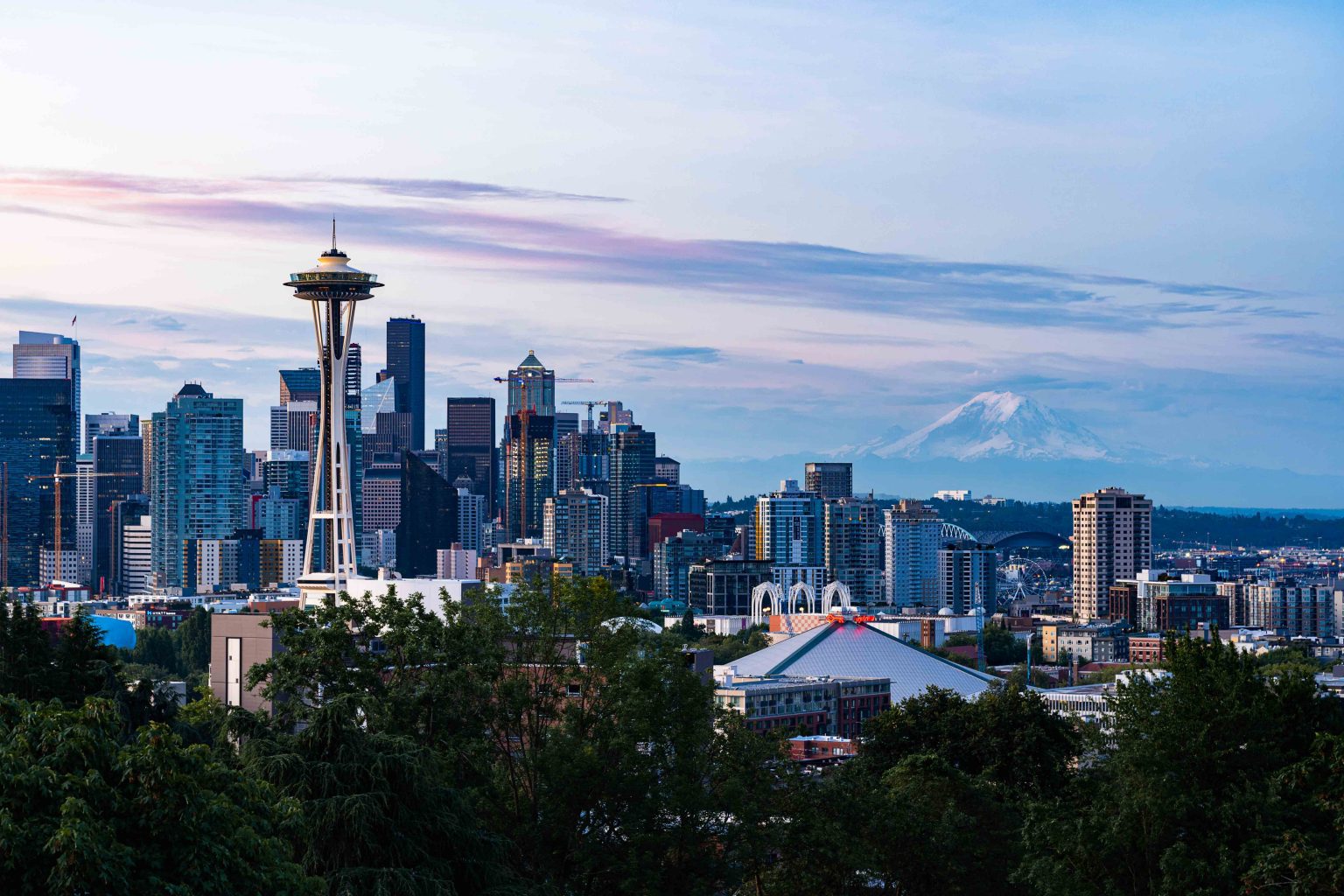
The Influence of the Pacific Ocean and Mountains
The vast expanse of the Pacific Ocean acts as a moderating influence on Seattle’s temperatures. It prevents extreme heat in the summer and extreme cold in the winter, contributing to the city’s generally temperate climate. However, this proximity also means a significant amount of moisture in the air.
The Cascade Mountains play a critical role in creating Seattle’s rain shadow effect. As moist air from the Pacific moves eastward, it rises over the mountains, cools, and releases much of its moisture on the western slopes. This results in abundant rainfall in the Olympic Peninsula but leaves Seattle and the Puget Sound region with a comparatively drier summer. However, this doesn’t mean humidity vanishes entirely.
Seasonal Humidity Variations
While Seattle is not typically associated with the oppressive, sticky humidity found in tropical or subtropical regions, it does experience noticeable humidity, particularly during certain times of the year.
Winter: The Humid Season
Seattle’s reputation for being rainy is well-earned, and this is also when humidity levels tend to be at their highest. From October through May, the city experiences frequent cloud cover and precipitation. The air is often saturated with moisture, leading to a feeling of dampness. While the temperatures are mild, the high humidity can make it feel cooler, especially when it’s raining. This is the time when you might feel that classic “Pacific Northwest dampness.” The moisture contributes to the vibrant greenery that gives the region its “Emerald City” nickname.
Summer: The Dry and Pleasant Season
Summers in Seattle, typically from June to September, are a stark contrast to the wet winters. The rain shadow effect of the Cascade Mountains becomes more pronounced, leading to significantly less rainfall and lower humidity. These months are often characterized by sunny days, comfortable temperatures, and a pleasant dryness in the air. This is the ideal time for exploring the city’s outdoor attractions, hiking in nearby Olympic National Park, or enjoying a ferry ride across Puget Sound. Even during the driest months, there’s still a certain freshness to the air, a remnant of the oceanic influence.
Spring and Fall: Transitional Periods
Spring and fall in Seattle are transitional seasons where you can experience a mix of both wet and dry conditions. You might encounter sunny days with mild humidity, followed by periods of rain and higher moisture content in the air. These seasons offer a unique charm, with blooming flowers in spring and the vibrant fall foliage, but it’s wise to be prepared for changeable weather, including fluctuating humidity levels.
Experiencing Seattle’s Humidity: What to Expect
So, to directly answer the question, “Is Seattle humid?” – yes, but not in the way you might expect if you’re comparing it to places like the American South or Florida. Seattle’s humidity is more about a consistent, pleasant dampness in winter and a refreshing dryness in summer, rather than an oppressive, sweltering heat.
Impact on Daily Life and Activities
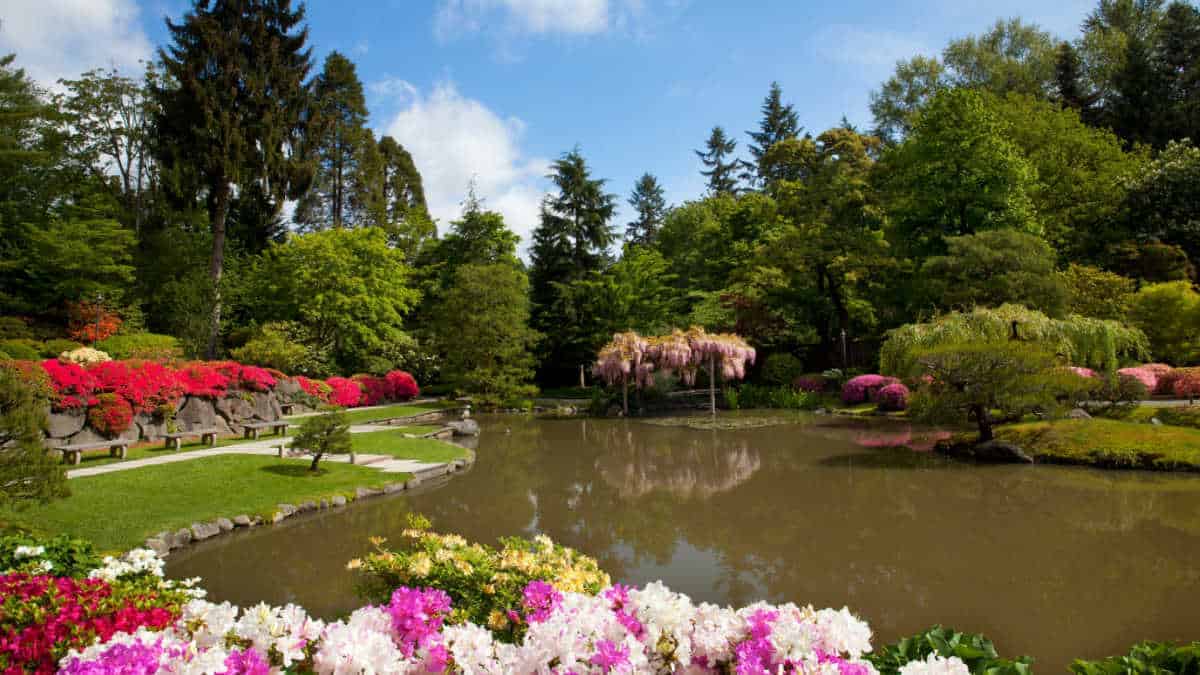
The humidity levels in Seattle subtly influence daily life and the types of activities that are most enjoyable throughout the year.
Winter: The higher humidity and frequent rain make indoor activities particularly appealing. Museums like the Museum of Pop Culture (MoPOP) or the Chihuly Garden and Glass offer fantastic indoor experiences. Cozying up in a coffee shop, a staple of Seattle’s culture, is also a perfect winter pastime. Even when venturing outdoors, the humidity often means you won’t feel the biting cold as intensely as in drier climates with similar temperatures. Layers are key for navigating the damp air.
Summer: The low humidity and pleasant temperatures of summer are ideal for exploring Seattle’s many outdoor attractions. Imagine strolling through the bustling Pike Place Market, visiting the iconic Space Needle, or taking a leisurely walk in Discovery Park. The dryness makes hiking in the nearby Olympic National Park or exploring the trails around Mount Rainier National Park incredibly comfortable. The clear, dry air also offers stunning views of the surrounding natural beauty.
Spring and Fall: These seasons are perfect for experiencing the best of both worlds. You might enjoy a sunny afternoon exploring the Fremont Troll and then duck into a warm pub for a craft beer as a light rain begins. The humidity during these shoulder seasons can contribute to beautiful sunrises and sunsets over the Olympic Mountains and the Puget Sound.
Packing for Seattle’s Humidity
When packing for a trip to Seattle, consider the time of year you plan to visit.
- Winter/Fall/Spring: For the wetter, more humid months, pack waterproof outer layers, including a good rain jacket and waterproof shoes. Comfortable, quick-drying clothing is also advisable. A light sweater or fleece will be useful for layering. Don’t forget an umbrella!
- Summer: Pack light, breathable clothing. While the humidity is low, summer can still be warm. Include sunscreen, sunglasses, and a hat for sunny days. You might still want a light jacket or sweater for cooler evenings.
Regardless of the season, comfortable walking shoes are a must for exploring Seattle. The city is best experienced on foot, and you’ll want to be prepared for both damp sidewalks and dry, sunny paths.
Choosing Accommodation and Activities in Seattle
Seattle offers a wide range of accommodations and activities, and understanding the climate can help you make the best choices for your stay.
Hotels and Resorts for Every Season
From luxurious hotels in the heart of downtown to charming inns in neighborhoods like Ballard or Capitol Hill, Seattle has options for every traveler.
- Summer Stays: During the dry summer months, consider hotels with easy access to outdoor spaces or water activities. Many resorts and hotels offer beautiful patios, balconies, or even rooftop bars perfect for enjoying the pleasant, low-humidity evenings. For example, staying near Lake Union allows for easy access to kayaking or paddleboarding.
- Winter Retreats: For a winter trip, look for accommodations that offer cozy amenities. Hotels like the Thompson Seattle or boutique inns might offer fireplaces or comfortable common areas perfect for escaping a damp day. Many hotels also have excellent indoor dining options and proximity to theaters and other cultural attractions. For those seeking a more resort-like experience closer to nature, consider options on the Olympic Peninsula that offer a cozy, indoor escape after exploring the misty rainforests.
Top Attractions and Their Climate Appeal
Seattle’s diverse attractions cater to all weather conditions, with some being particularly enhanced by its unique climate.
- The Pike Place Market: This iconic market is a vibrant experience year-round. The covered sections offer shelter from rain, while sunny summer days make browsing the fresh produce and artisan crafts even more enjoyable.
- The Space Needle: Offering panoramic views of the city and surrounding mountains, the Space Needle is a must-visit. Clear, dry summer days provide the most spectacular vistas, while winter fog can sometimes add a dramatic, moody atmosphere.
- Museum of Pop Culture (MoPOP): This is a perfect indoor escape for any day, regardless of the humidity or precipitation. Its unique architecture and engaging exhibits make it a top attraction.
- Chihuly Garden and Glass: Equally enjoyable in sun or rain, this exhibit showcases stunning glass art. The vibrant colors are captivating in any light.
- Discovery Park: Seattle’s largest city park is best explored on a dry, pleasant day. The trails offer stunning views of the Puget Sound and the Olympic Mountains, and the low summer humidity makes hiking a delight.
- Day Trips to National Parks: For longer stays, consider day trips to Olympic National Park or Mount Rainier National Park. The temperate, less humid summers are ideal for experiencing the majestic natural beauty of these areas.

Conclusion: Embracing Seattle’s Climatic Charm
In conclusion, is Seattle humid? Yes, but with a nuanced answer that depends on the season. While not a tropical destination, Seattle experiences noticeable humidity, particularly during its wet winters, contributing to its lush environment. Summers offer a delightful dry spell, perfect for outdoor exploration.
Whether you’re seeking the cozy charm of a rainy winter day or the invigorating freshness of a sunny summer afternoon, Seattle’s climate adds a unique character to its appeal. By understanding its seasonal variations, you can better plan your visit, pack accordingly, and fully embrace the captivating allure of the Emerald City. From world-class museums to breathtaking natural landscapes, Seattle offers unforgettable experiences, no matter the humidity level.
LifeOutOfTheBox is a participant in the Amazon Services LLC Associates Program, an affiliate advertising program designed to provide a means for sites to earn advertising fees by advertising and linking to Amazon.com. Amazon, the Amazon logo, AmazonSupply, and the AmazonSupply logo are trademarks of Amazon.com, Inc. or its affiliates. As an Amazon Associate we earn affiliate commissions from qualifying purchases.