
For any traveler embarking on a journey to the vibrant Emerald City of Seattle, understanding its time zone is far more than a mere curiosity; it’s a fundamental piece of information essential for seamless planning, effective communication, and an overall enriching travel experience. Whether you’re coordinating a business meeting, scheduling a flight, or simply trying to figure out when to call loved ones back home, knowing the local time in Seattle is your first step to synchronizing with the city’s unique rhythm.
Seattle, Washington, operates within the Pacific Time Zone, which observes two distinct states throughout the year due to Daylight Saving Time. For roughly eight months of the year, from mid-March to early November, the city uses Pacific Daylight Time (PDT). During the remaining four months, from early November to mid-March, it switches to Pacific Standard Time (PST). This distinction is crucial for travelers, as it affects everything from flight arrival times to the operating hours of local attractions. By delving into the specifics of Seattle’s time zone and its broader implications, visitors can ensure their trip is not only memorable but also perfectly synchronized with the pulse of this fascinating Pacific Northwest hub.
Unraveling Seattle’s Time Zone: Pacific Daylight Time (PDT) / Pacific Standard Time (PST)
Understanding the nuances of Seattle’s time zone is the bedrock of intelligent travel planning. The city’s position within the Pacific Time Zone dictates its relationship with other global timekeeping standards and impacts visitors from across the world.
The Basics: PST vs. PDT
The Pacific Time Zone is observed by states along the western coast of the United States, including California, Oregon, Washington, and Nevada, as well as parts of Canada and Mexico. Its two primary designations are:
- Pacific Standard Time (PST): This is the standard offset, observed during the colder months, from early November to mid-March. PST is 8 hours behind Coordinated Universal Time (UTC) – often expressed as UTC-8. This means when it’s noon UTC, it’s 4:00 AM in Seattle.
- Pacific Daylight Time (PDT): Introduced with Daylight Saving Time, this begins in mid-March and lasts until early November. During this period, clocks are moved forward by one hour. PDT is therefore 7 hours behind UTC (UTC-7). This shift provides an extra hour of daylight in the evenings, which is particularly noticeable and enjoyable during the longer summer days.
The changeover typically occurs on the second Sunday in March (spring forward) and the first Sunday in November (fall back). Travelers should always verify the current time zone status, especially if their visit spans these transition dates.
Geographical Context and Global Implications
Seattle’s position within the Pacific Time Zone naturally creates significant time differences with other major cities, both within the U.S. and globally.
- Within the U.S.:
- Seattle is 3 hours behind New York City (Eastern Time).
- Seattle is 2 hours behind Chicago (Central Time).
- Seattle is 1 hour behind Denver (Mountain Time).
- Seattle is in the same time zone as Los Angeles and San Francisco.
- Global Context: The relationship to UTC and the historical Greenwich Mean Time (GMT) is fundamental for international travelers. For example, if you’re flying from London (GMT/UTC+0 or BST/UTC+1), you’re looking at a 7 or 8-hour difference, depending on the time of year and Daylight Saving Time in both locations. This significant gap has direct implications for jet lag and communication.
Navigating Time Differences: Essential Tips for Seattle Travelers
The journey to Seattle, especially for those crossing multiple time zones, comes with its own set of temporal challenges. Savvy travelers, however, can mitigate these issues with thoughtful preparation and practical strategies.
Conquering Jet Lag
Jet lag is the unwelcome companion of long-distance travel, a disruption of the body’s natural circadian rhythm. When traveling to Seattle from the east or from international destinations, shifting to a significantly earlier time can be disorienting.
- Pre-Adjustment: A few days before your trip, try to gradually adjust your sleep schedule closer to Seattle time. Shift your bedtime and wake-up time by an hour or two each day.
- Hydration and Nutrition: Stay well-hydrated before, during, and after your flight. Avoid excessive caffeine and alcohol, as they can exacerbate jet lag symptoms. Opt for light, healthy meals.
- Natural Light Exposure: Upon arrival, seek out natural daylight, especially in the morning. This helps signal to your body that it’s daytime in Seattle and can reset your internal clock more quickly.
- Strategic Naps: If you must nap, keep it short (20-30 minutes) and early in the day to avoid disrupting your nighttime sleep.
- Stay Active: Engage in light physical activity to boost energy and promote better sleep later.
- Embrace the Local Schedule: Try to eat meals and sleep according to Seattle time from day one, even if it feels unnatural.
Communication Across Time Zones
Whether you’re calling family, checking in with colleagues, or arranging meet-ups, time differences are a constant consideration.
- World Clock Apps: Utilize smartphone apps or online tools that display multiple time zones simultaneously. This is invaluable for quickly determining the best time to connect without causing inconvenience to others.
- Scheduled Communication: Agree on specific communication windows that work for both parties. For instance, if you’re calling New York from Seattle, an 8:00 AM Seattle call is 11:00 AM in New York, often a good time for business or personal calls.
- Be Mindful of Daylight Saving Time: Remember that not all regions observe Daylight Saving Time, or they may do so on different dates. Always double-check.
Travel Logistics and Planning
Time synchronization is paramount for smooth travel logistics.
- Flight Times: All flight schedules are typically listed in local time. When booking connecting flights, pay close attention to the time zone changes at each layover airport. A seemingly short layover can become rushed if you’re not accounting for time zone shifts.
- Accommodation Check-ins/Check-outs: Hotel check-in and check-out times are strictly observed according to local time. Arriving too early or departing too late without prior arrangement can lead to additional fees or waiting.
- Tour and Activity Bookings: Whether it’s a boat tour on Lake Union or a guided visit to a museum, confirm all booking times in Seattle local time. Arriving late could mean missing your slot or even the entire experience.
Planning Your Seattle Itinerary: Time-Sensitive Considerations
Beyond just knowing the current time, effective travel planning in Seattle involves understanding how the clock dictates daily life and the flow of activities. By factoring in time, you can optimize your itinerary to get the most out of every moment in the city.
Optimal Visiting Hours for Attractions
Seattle’s most popular attractions operate within specific hours, and timing your visit can significantly enhance your experience, helping you avoid crowds and make the most of the atmosphere.
- Iconic Landmarks: Destinations like the Space Needle, Pike Place Market, and the Museum of Pop Culture often see peak visitation midday. For a more serene experience, consider arriving right at opening time or in the late afternoon, an hour or two before closing. Early mornings at Pike Place Market allow you to witness vendors setting up and enjoy a quieter charm before the main crowds arrive.
- Museums and Galleries: Most museums open around 10:00 AM or 11:00 AM and close in the late afternoon or early evening. Check specific websites for current hours, as some may have late-night openings on certain days, which can be an excellent opportunity for an adults-only, less crowded visit.
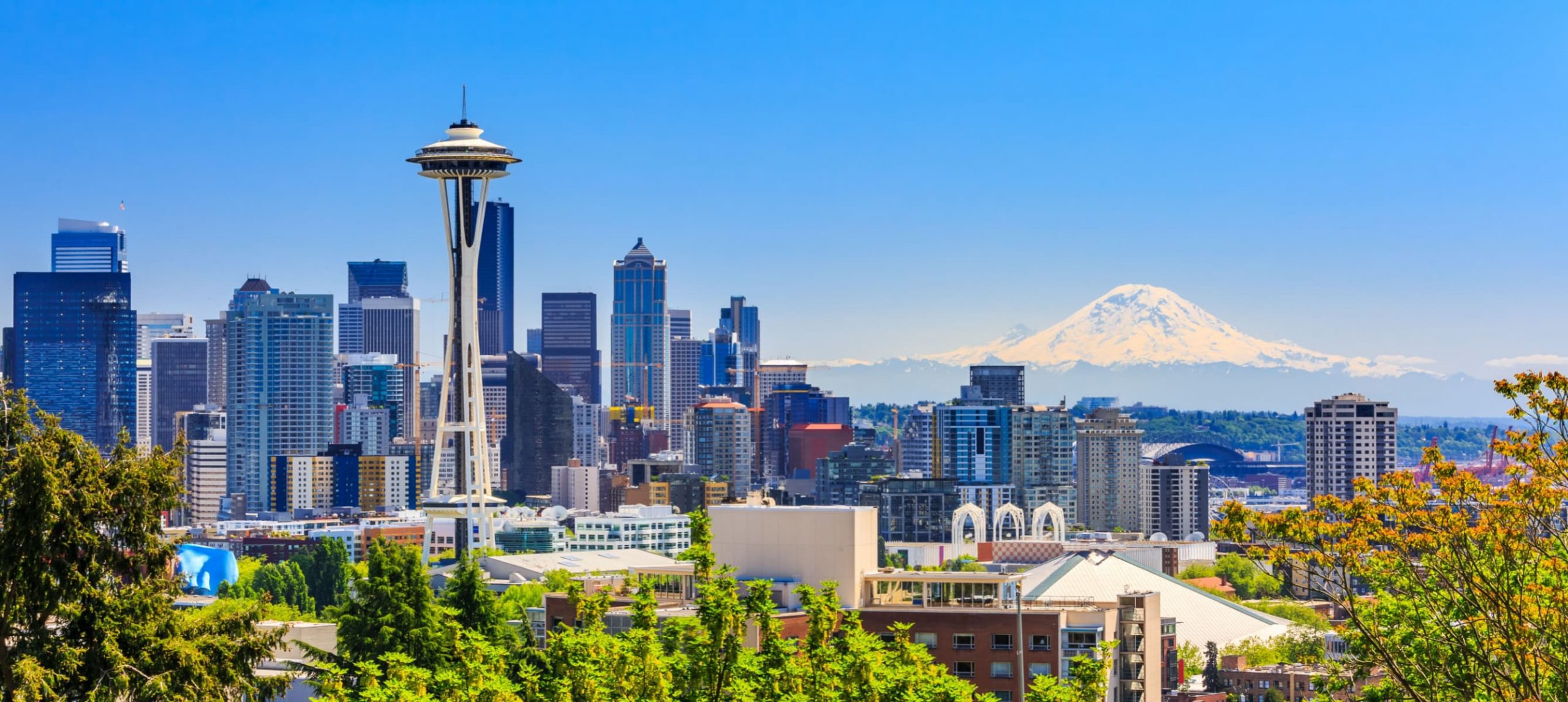
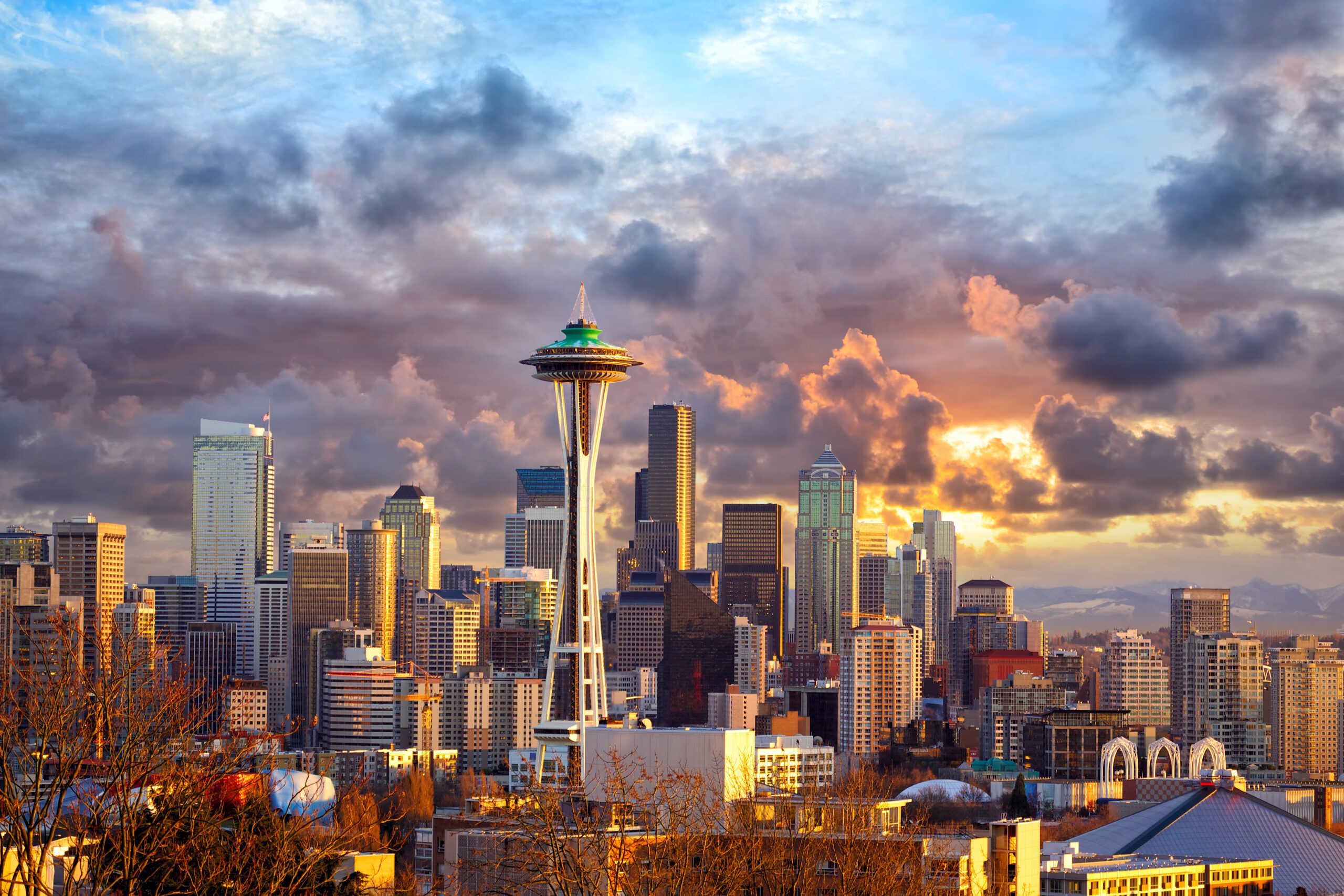
- Outdoor Attractions: Parks, gardens, and scenic viewpoints like Kerry Park can be enjoyed from dawn till dusk. Timing your visit to Kerry Park for sunset offers breathtaking views of the Seattle skyline with Mount Rainier in the background.
Dining and Entertainment Schedules
Seattle’s culinary and entertainment scene also follows a schedule that travelers should be aware of.
- Meal Times: Breakfast is typically served from 7:00 AM to 10:30 AM, lunch from 11:30 AM to 2:00 PM, and dinner often starts around 5:00 PM or 5:30 PM, with peak dining usually between 7:00 PM and 8:00 PM. Reservations for popular restaurants, especially on weekends, are highly recommended and should be made well in advance.
- Coffee Culture: Seattle is renowned for its coffee. Many coffee shops open early, often by 6:00 AM, catering to the morning commute and early risers.
- Nightlife and Entertainment: Bars typically stay open until 1:00 AM or 2:00 AM. For live music, theater, or sporting events (like a Seattle Mariners game), verify showtimes or game start times well in advance. Keep in mind that public transportation might have reduced schedules late at night.
Leveraging Daylight Hours
The amount of daylight in Seattle varies dramatically throughout the year, a factor that significantly influences travel planning.
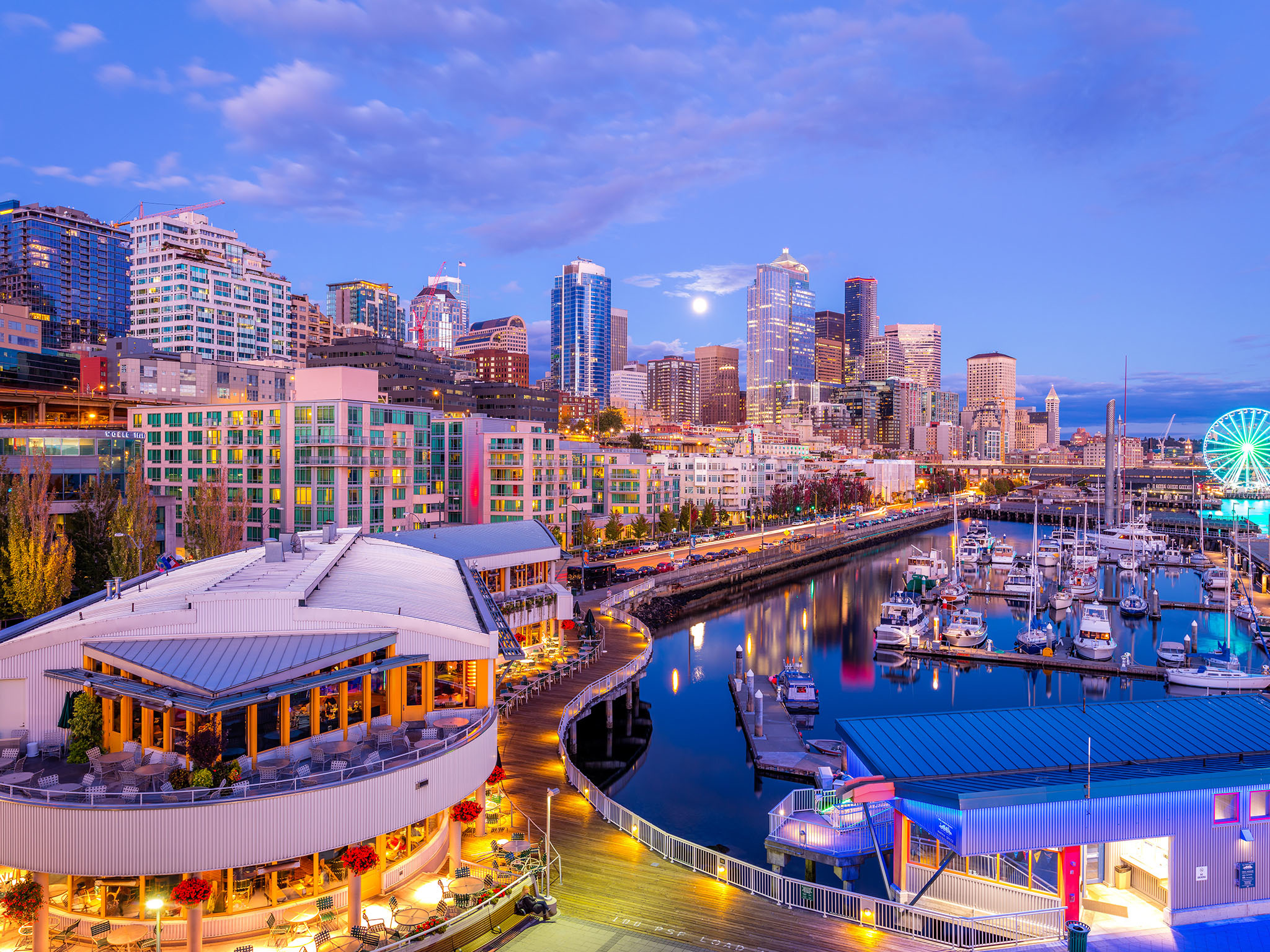
- Summer’s Long Days (PDT): During PDT, especially in June and July, Seattle experiences exceptionally long daylight hours, with sunsets sometimes occurring as late as 9:00 PM or 9:30 PM. This is ideal for maximizing outdoor activities such as hiking in nearby parks like Discovery Park, exploring the waterfront, or enjoying evening ferry rides. You can comfortably explore outdoors long into the evening.
- Winter’s Shorter Days (PST): In contrast, during PST months, daylight is considerably shorter, with sunsets as early as 4:00 PM or 4:30 PM. This period is best suited for prioritizing indoor attractions like museums, art galleries, and cozy cafes during daylight, reserving evenings for dining, indoor entertainment, or enjoying the city’s festive lights during the holidays. Plan outdoor excursions for midday to maximize the available light.
The Seattle Pace of Life: More Than Just the Clock
While time zones and schedules are crucial for logistical planning, truly experiencing Seattle also involves understanding its inherent pace and cultural rhythms. It’s about more than just what the clock says; it’s about how the city breathes.
Understanding Local Rhythms
Seattle has a distinct rhythm influenced by its geography, climate, and innovative spirit. Mornings often begin with a quiet energy, centered around its thriving coffee culture, as residents fuel up for their day. Weekday rush hours, particularly across the Evergreen Point Floating Bridge or along I-5, can be substantial, emphasizing the importance of planning travel within the city. Evenings, especially during the wetter months, often lean towards cozy indoor gatherings, cultural events, or dining experiences. Summer, however, transforms the city, drawing people outdoors for longer, lighter evenings, from waterfront strolls to park picnics. The local pace, while industrious, also values balance, with many residents making time for outdoor pursuits and community events.
Embracing the Moment
For travelers, the most insightful approach is to allow for flexibility within a structured plan. While adhering to attraction hours and dining reservations is necessary, also carve out time to simply wander, observe, and absorb the city’s atmosphere. Don’t be afraid to deviate from your schedule for an unexpected art gallery, a spontaneous ferry ride, or simply to linger longer in a charming neighborhood. Seattle encourages a blend of industriousness and appreciation for its natural beauty and innovative culture. Embracing this balance will allow you to connect with the city on a deeper level, experiencing its unique charm irrespective of the precise tick of the clock.
In conclusion, knowing what time it is in Seattle is the first step in a well-orchestrated trip. Understanding the shift between PST and PDT, planning for jet lag, and aligning your itinerary with local operating hours are all vital components of thoughtful travel. By mastering the temporal aspects, you free yourself to fully immerse in the captivating experiences that Seattle has to offer, making every moment of your journey count in this dynamic Pacific Northwest gem.
LifeOutOfTheBox is a participant in the Amazon Services LLC Associates Program, an affiliate advertising program designed to provide a means for sites to earn advertising fees by advertising and linking to Amazon.com. Amazon, the Amazon logo, AmazonSupply, and the AmazonSupply logo are trademarks of Amazon.com, Inc. or its affiliates. As an Amazon Associate we earn affiliate commissions from qualifying purchases.