
The question of “When was the Annexation of Texas?” pinpoints a pivotal moment in both American and Texan history, marking the official integration of the independent Republic of Texas into the United States. This monumental event, formalized on December 29, 1845, forever reshaped the geopolitical landscape of North America, dramatically expanding the U.S. territory and setting the stage for future conflicts and growth. Beyond a mere date on a calendar, the annexation represents a complex tapestry of political ambition, manifest destiny, cultural identity, and the forging of a unique heritage that continues to define the Lone Star State today. For any traveler looking to truly understand Texas, delving into the history of its annexation is not just an academic exercise but an enriching journey into the soul of a vibrant destination. From the hallowed grounds of battlefields to the bustling streets of modern cities, the echoes of this era resonate, offering profound insights into the landmarks, lifestyles, and local cultures that make Texas an unparalleled travel experience.
The Definitive Moment: Texas Joins the Union
The annexation of Texas was not an instantaneous decision but the culmination of years of struggle, diplomacy, and political maneuvering. To appreciate the significance of December 29, 1845, one must first understand the tumultuous path that led the fledgling republic to seek union with its northern neighbor. This journey from a rebellious province of Mexico to an independent nation, and then to a U.S. state, is a saga rich with compelling characters, dramatic events, and strategic implications that continue to fascinate historians and travelers alike.
The Road to Statehood: From Revolution to Republic
The story of Texas becoming part of the United States begins earlier, in the crucible of the Texas Revolution. By the early 1830s, American settlers in the Mexican province of Texas, many brought in by empresarios like Stephen F. Austin, found themselves increasingly at odds with the centralized government of Mexico City. Cultural differences, religious restrictions, and growing political tensions over issues like slavery and self-governance brewed a potent cocktail of discontent. This culminated in open rebellion in 1835.
The revolution saw fierce clashes, most famously the iconic Siege of The Alamo in March 1836, where a small group of Texan defenders, including legendary figures like Davy Crockett and Jim Bowie, made a heroic last stand against Santa Anna’s vastly superior Mexican forces. Though a military defeat, The Alamo became a rallying cry for Texan independence. Just weeks later, on April 21, 1836, General Sam Houston led the Texan army to a decisive victory over Santa Anna at the Battle of San Jacinto, near present-day Houston. This victory secured independence and led to the establishment of the Republic of Texas.
For nearly a decade, Texas existed as an independent nation, an ambitious and somewhat precarious venture. Presidents like Sam Houston and Mirabeau B. Lamar grappled with challenges ranging from ongoing border disputes with Mexico to financial instability and the persistent threat of Indian raids. From its very inception, many Texans, including Sam Houston, advocated for annexation by the United States. However, the issue proved contentious within the U.S., primarily due to the divisive question of slavery. Admitting Texas as a slave state would upset the delicate balance of power between free and slave states in Congress, leading to a prolonged delay in its acceptance.

The Annexation Date and Its Immediate Aftermath
The political tide in the United States began to turn in the early 1840s. The concept of Manifest Destiny, the belief in America’s divinely ordained expansion westward, gained significant traction. With the election of President James K. Polk in 1844, a staunch proponent of expansion, the path for Texas’s annexation cleared. President John Tyler, in his final days in office, had already initiated the process, securing a joint resolution from Congress for annexation in March 1845. The Republic of Texas, under its last president, Anson Jones, accepted the U.S. offer.
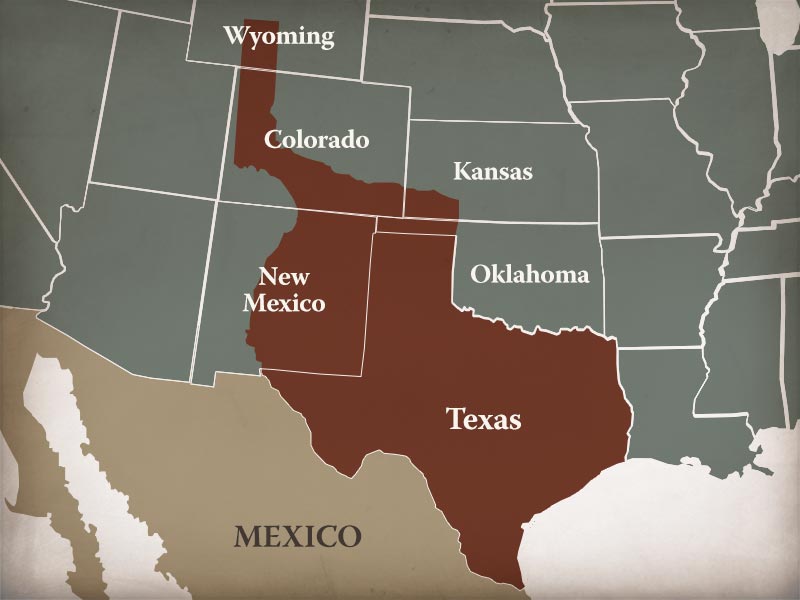
Finally, on December 29, 1845, President James K. Polk signed the resolution, officially admitting Texas into the Union as the 28th state. This date marked the end of the Republic of Texas and the beginning of a new chapter in American history. The immediate aftermath was significant: Mexico, which had never formally recognized Texan independence, viewed the annexation as an act of war. This dispute over the border between Texas and Mexico (the U.S. claimed the Rio Grande, while Mexico insisted on the Nueces River) directly led to the outbreak of the Mexican-American War in 1846. The outcome of this war further solidified U.S. control over vast territories in the Southwest, extending its borders to the Pacific Ocean.
For Texans, annexation brought stability and the promise of growth, ending a decade of diplomatic uncertainty and economic struggle. It integrated them into a larger federal system, though the fiercely independent spirit cultivated during their republic years would remain a defining characteristic. This history, deeply embedded in the Texan identity, is what makes exploring the state such a rich and meaningful experience for any traveler.
Echoes of History: Texas’s Enduring Legacy for Travelers
The historical significance of Texas’s annexation extends far beyond textbook dates; it permeates the very fabric of the state, influencing its culture, its people, and the remarkable array of landmarks that beckon visitors from around the globe. For those passionate about history, culture, or simply an authentic American experience, Texas offers an unparalleled journey through time, allowing travelers to walk in the footsteps of legends and witness the places where pivotal decisions were made.
Iconic Landmarks and Battlefields of Yesteryear
To truly grasp the story of the Texas Revolution and the subsequent annexation, a visit to its most sacred sites is essential. These landmarks are not merely old buildings; they are vivid reminders of the bravery, sacrifice, and determination that forged the Lone Star State.
Foremost among these is The Alamo in San Antonio. This former mission, turned fortress, is perhaps the most iconic symbol of Texan independence. A visit to The Alamo offers a poignant glimpse into the 13-day siege and the valiant defense that inspired a nation. Travelers can explore the chapel, the Long Barrack museum, and walk the grounds where legends were made. Beyond The Alamo, San Antonio itself is a treasure trove of history, blending its Spanish colonial past with vibrant Texan culture. The San Antonio River Walk, though not directly tied to the annexation, offers a beautiful way to experience the city’s charm, with historical missions (part of the San Antonio Missions National Historical Park) nearby offering further insights into the region’s deep historical roots.

Just outside Houston, visitors can explore the San Jacinto Battleground State Historic Site. This sprawling park marks the location of the decisive battle where Sam Houston’s army secured Texan independence. The site features the towering San Jacinto Monument, the tallest monumental column in the world, offering panoramic views of the battlefield and the Ship Channel. A museum at its base provides detailed accounts of the revolution and the lives of its key figures. Re-enactments and interpretive programs often take place here, bringing history to life.
Another crucial site is the Washington-on-the-Brazos State Historic Site. Often called the “Birthplace of Texas,” it was here, in March 1836, that delegates met and formally declared independence from Mexico and drafted the Constitution of the Republic of Texas. The site includes reconstructed buildings of the town, an interpretive center, and Barrington Living History Farm, providing a unique glimpse into 19th-century Texan life. These sites, meticulously preserved, allow travelers to connect with the very spirit of independence that ultimately led to annexation.
Curating Your Historical Texas Journey: Accommodation & Experiences
Planning a trip to immerse yourself in Texas’s rich history involves not just visiting landmarks but also selecting the right accommodation and experiences to enhance your journey. The state offers a diverse range of lodging options, catering to every preference and budget, ensuring your historical exploration is complemented by comfort and convenience.
In major cities like San Antonio, Houston, Austin, and Dallas, you’ll find everything from luxurious five-star hotels with world-class amenities to charming boutique inns nestled in historic districts. For instance, staying in a hotel near the San Antonio River Walk allows easy access to The Alamo and the city’s vibrant cultural scene. Many hotels, recognizing the draw of the state’s heritage, offer packages that include historical tours or shuttle services to key sites. For budget-conscious travelers, there are numerous reliable hotels and motels, especially outside the immediate city centers, while families might opt for resorts with extensive facilities.
For an even deeper dive, consider booking accommodations that reflect the historical period or local culture. There are bed and breakfasts in quaint towns that transport you back in time, or even historic hotels that have been meticulously restored. Utilizing online booking platforms and consulting reviews for various accommodations can help ensure you find the perfect stay, whether you’re looking for a romantic getaway, a family-friendly resort, or a convenient base for solo exploration.
Beyond lodging, enrich your historical journey with curated experiences. Many sites offer guided tours, often led by knowledgeable historians, providing insights that go beyond what you’d read in a guidebook. Look for opportunities to attend historical re-enactments, particularly around key dates like Texas Independence Day (March 2) or San Jacinto Day (April 21). Exploring local museums, such as the Bullock Texas State History Museum in Austin, can provide a comprehensive overview of the state’s entire history, from indigenous cultures to modern-day achievements. These immersive experiences allow travelers to not just see history but to feel it, forging a deeper connection with the pivotal event of annexation and its enduring legacy.
Beyond the Dates: The Cultural Tapestry Woven by Annexation
The annexation of Texas on December 29, 1845, was more than just a political transaction; it was a profound cultural shift that solidified the unique identity of the Lone Star State. This historical event, following years of Mexican rule and a decade of independence, created a distinct Texan lifestyle—a vibrant fusion of American individualism, Mexican heritage, and the enduring spirit of the frontier. For travelers today, understanding this cultural tapestry woven by annexation enhances every aspect of a visit, from the cuisine to the music, and the very character of its people.
Texan Lifestyle: A Blend of Traditions and Modernity
The annexation brought Texas firmly into the American fold, yet it never fully shed its independent spirit or its deep Mexican roots. This tripartite heritage – indigenous, Spanish/Mexican, and Anglo-American – is evident in nearly every facet of Texan life. The state’s sheer size and diverse geography also contribute to regional variations, but a few core elements define the broader “Texan lifestyle.”
Firstly, food culture is perhaps the most delicious manifestation of this historical blending. Tex-Mex cuisine, for example, is a direct culinary descendant of the cultural exchange between Mexican traditions and American influences, particularly after annexation. From sizzling fajitas to hearty chili con carne, these dishes are iconic symbols of the state’s hybrid identity. Similarly, Texas Barbecue, with its low-and-slow smoked meats, reflects a rugged, self-sufficient lifestyle born on ranches and plains, a tradition that flourished as the state grew following annexation. Exploring the local food scene is not just about eating; it’s about tasting history.
Secondly, the “cowboy culture” and ranching traditions are integral to the Texan identity. While elements of this lifestyle existed before annexation, the integration into the United States and the subsequent westward expansion solidified the image of the Texas cowboy. Rodeo, country music, and the enduring symbol of the lone star itself evoke this frontier spirit. Visitors can experience this by attending a rodeo, visiting a working ranch, or simply by observing the distinct fashion and demeanor in rural areas.
Thirdly, Texas embraces a unique blend of Southern charm and Southwestern ruggedness. Its people are often characterized by their friendliness, hospitality, and a fierce sense of state pride—a legacy of having once been an independent republic. Modern Texas also boasts thriving urban centers like Austin, Houston, and Dallas that are hubs of innovation, arts, and diverse global cultures. Yet, even in these metropolitan areas, the historical roots and distinct Texan flavor remain strong, creating a fascinating contrast for travelers.
Planning a Trip to Discover Texas’s Rich Heritage
Embarking on a journey to discover Texas’s rich heritage means embracing a travel style that allows for exploration, immersion, and appreciation of its vastness and diversity. Whether you’re a history buff, a foodie, an outdoor enthusiast, or a family seeking an educational adventure, Texas offers tailored experiences.
For the history enthusiast, focus on a route that connects the key annexation-era sites: begin in San Antonio with The Alamo and its missions, move to Washington-on-the-Brazos State Historic Site to understand the birth of the republic, and conclude at the San Jacinto Battleground State Historic Site near Houston. Complement these visits with stops at local museums and archives.
Families can enjoy the historical sites while also taking advantage of other attractions. Houston, for instance, offers the Space Center Houston, appealing to budding astronauts, while San Antonio boasts theme parks alongside its historical core. Many state parks offer camping and outdoor activities, providing a balanced itinerary.
For those interested in the Texan lifestyle and local culture, plan your trip around festivals or cultural events, such as a local rodeo, a Tex-Mex food festival, or a live music event in Austin, the “Live Music Capital of the World.” Don’t forget to seek out authentic BBQ joints and explore vibrant arts districts in cities like Dallas and Fort Worth.
When planning, consider the best time to visit; spring and fall offer pleasant weather, ideal for outdoor historical explorations. Texas is a vast state, so budgeting time for travel between destinations is crucial, whether by car, bus, or regional flights. Numerous tour operators also specialize in historical or cultural tours, which can simplify logistics and provide expert insights. Regardless of your travel style, a journey through Texas offers a profound connection to a pivotal moment in American history—the annexation of 1845—and allows you to experience firsthand how this event shaped a state unlike any other.
The annexation of Texas on December 29, 1845, stands as a cornerstone of American expansion and a defining moment in the formation of Texas’s unique identity. From its arduous journey as an independent republic to its integration into the United States, this historical event forged a state rich in heritage, culture, and an enduring spirit of independence. For travelers, this history is not confined to dusty archives but lives on in the hallowed battlegrounds, meticulously preserved landmarks, and the vibrant, diverse lifestyle of its people. By exploring sites like The Alamo, the San Jacinto Battleground State Historic Site, and Washington-on-the-Brazos State Historic Site, visitors can gain a profound appreciation for the sacrifices and decisions that shaped the state. Complementing these historical excursions with immersive cultural experiences, from savoring Tex-Mex cuisine to embracing the cowboy lifestyle, ensures a comprehensive and unforgettable journey. Texas today is a testament to its complex past, offering a captivating blend of history, modernity, and boundless adventure, making it an essential destination for anyone eager to discover the depths of American heritage.
LifeOutOfTheBox is a participant in the Amazon Services LLC Associates Program, an affiliate advertising program designed to provide a means for sites to earn advertising fees by advertising and linking to Amazon.com. Amazon, the Amazon logo, AmazonSupply, and the AmazonSupply logo are trademarks of Amazon.com, Inc. or its affiliates. As an Amazon Associate we earn affiliate commissions from qualifying purchases.