
The vibrant landscape of Texas, a state celebrated for its expansive horizons, bustling cities, and independent spirit, often brings with it a unique set of regulations that shape the daily lives and travel experiences of its residents and visitors. From the open road to the comfort of one’s home, the concept of “inspections” has long been a foundational element of public safety and consumer protection. However, the regulatory environment is not static, and changes can significantly impact how individuals navigate their lifestyle within the Lone Star State. This article delves into the current state of required inspections in Texas, offering an insightful guide to what’s still mandatory, what’s changed, and how these regulations contribute to – or perhaps redefine – the Texan way of life.
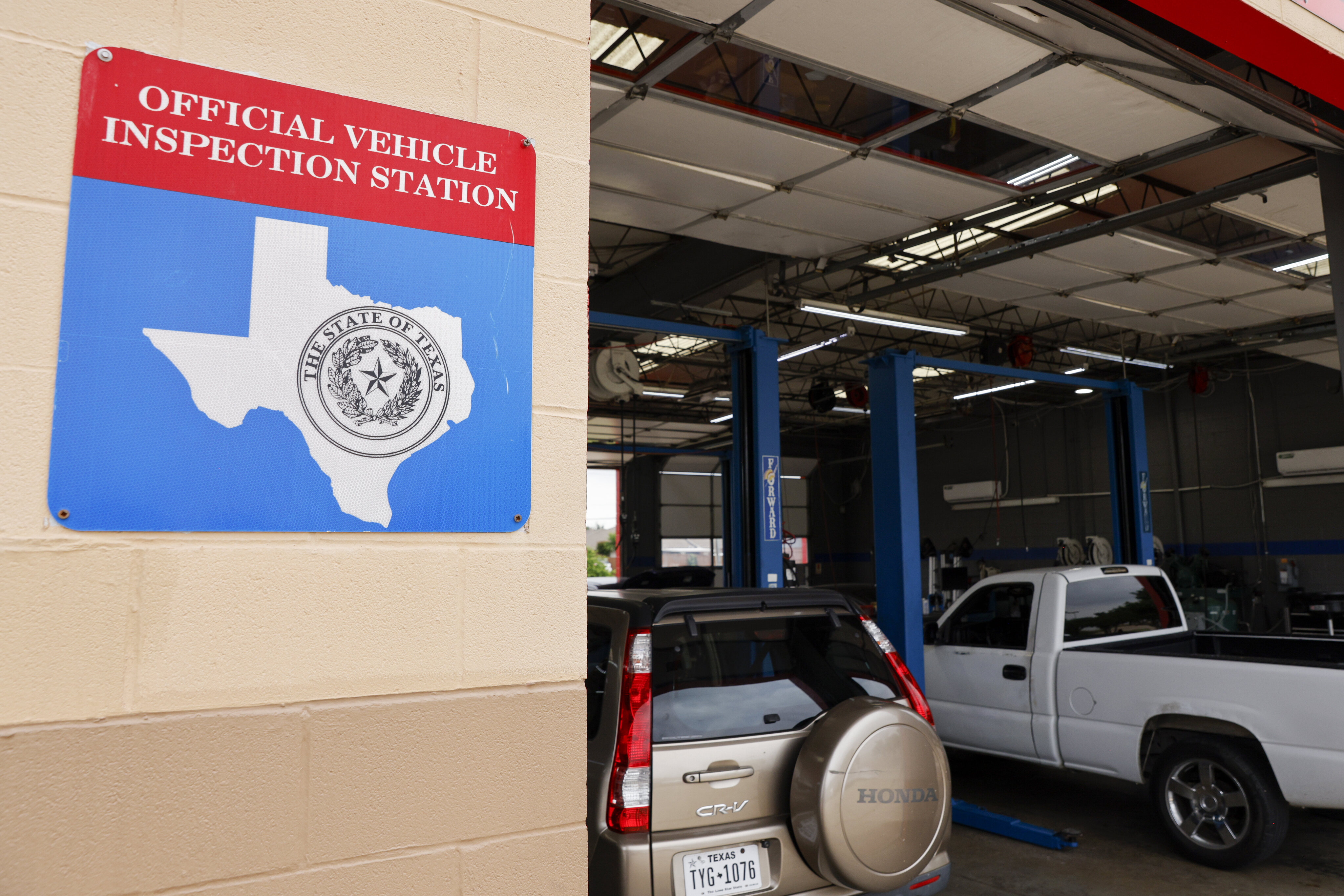
Navigating Vehicle Inspections in Texas: A Key Aspect of Lifestyle and Travel
For decades, the ritual of annual vehicle inspections has been a familiar part of life for Texas motorists. These checks served a dual purpose: ensuring vehicles met minimum safety standards and, in certain areas, complying with environmental emissions regulations. These requirements directly influenced everything from daily commutes to cross-state road trips, touching upon both personal safety and financial planning for vehicle maintenance. The understanding of these inspections is crucial for anyone considering a long-term stay, frequent travel, or establishing residence in Texas.
The Recent Shift: A Look at Eliminated Requirements
A significant legislative change has fundamentally altered the landscape of vehicle inspections in Texas. Effective January 1, 2025, the requirement for annual vehicle safety inspections will be eliminated. This decision, enshrined in House Bill 3297 (HB 3297), marks a pivotal moment for motorists. Previously, vehicles were mandated to undergo a safety inspection checking components such as brakes, tires, lights, steering, and other essential systems designed to ensure the vehicle’s roadworthiness.
The rationale behind this change often cites arguments of convenience for vehicle owners, reducing bureaucracy, and potentially saving motorists a small fee each year. For residents, this means one less annual appointment and associated cost. For those embarking on extensive road trips within Texas or planning to move their vehicle to the state, it simplifies the initial registration process and ongoing compliance. However, it also places a greater emphasis on individual responsibility for vehicle maintenance, ensuring that essential safety features remain functional even without a state-mandated check.
Remaining Obligations: Emissions Testing and Registration
While safety inspections are set to become a thing of the past, it’s imperative to understand that not all vehicle inspection requirements are being abolished. Emissions testing remains a mandatory requirement in specific counties across Texas. These counties are typically those with higher population densities and, consequently, greater concerns regarding air quality. Major metropolitan areas and their surrounding regions are included in this mandate.
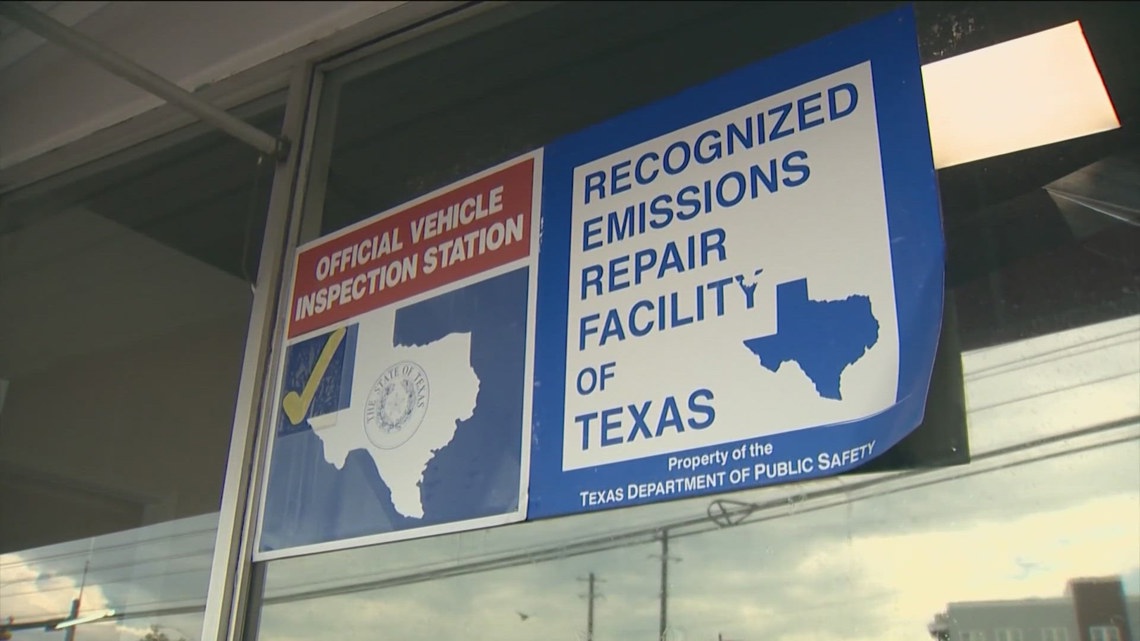
Counties such as Travis County (home to Austin), Dallas County, Harris County (encompassing Houston), and Tarrant County are prominent examples where vehicles registered must still pass an annual emissions test. This test ensures that vehicles are not emitting pollutants beyond established environmental standards. The process typically involves an inspection at a certified station, checking the vehicle’s exhaust system and onboard diagnostic (OBD) system for compliance.
Crucially, annual vehicle registration remains a steadfast requirement for all vehicles operating in Texas. Even with the elimination of safety inspections, the emissions test (where applicable) must be completed before a vehicle’s registration can be renewed. The inspection sticker, once a ubiquitous feature on Texas windshields, will be phased out, but proof of emissions compliance (where required) will still be electronically linked to the vehicle’s registration record. This means that while one step is removed, the overall annual process for emissions-affected counties still involves a visit to an inspection station.
Implications for Road Trips and Vehicle Ownership
The shift in inspection requirements has several implications for the lifestyle of Texans. For daily commuters and those planning extensive road trips across the vast state, the absence of mandatory safety inspections streamlines the annual vehicle maintenance routine. It could potentially reduce costs and save time, fostering a sense of greater autonomy for vehicle owners. However, it also underscores the critical importance of proactive personal maintenance. Regular checks of brakes, tires, lights, and fluid levels become even more vital to ensure personal and public safety on Texas highways.
For new residents or those considering purchasing a vehicle in Texas, understanding these regulations is key to budgeting and planning. While the initial vehicle registration process might become simpler concerning safety, awareness of emissions requirements based on the county of residence is paramount. Overall, the changes aim to lighten the administrative load on motorists while relying more heavily on owner diligence and market forces to maintain vehicle safety standards.
Property Inspections: Safeguarding Your Texas Home or Investment
Beyond the asphalt, the lifestyle choices of Texans frequently involve real estate, whether it’s owning a sprawling ranch, a suburban family home, or renting an apartment in a bustling city. In this realm, “inspections” take on a different, yet equally critical, meaning. While generally not state-mandated in the same way as past vehicle inspections, property inspections play an indispensable role in safeguarding investments, ensuring livability, and providing peace of mind.
Residential Property Inspections for Buyers
For anyone making the significant lifestyle decision of purchasing a home in Texas, a residential property inspection is not merely recommended; it’s an essential due diligence step. These inspections are typically conducted by licensed professionals and cover a comprehensive range of structural and mechanical components. Inspectors meticulously examine the foundation, roof, HVAC systems, plumbing, electrical wiring, and major appliances to identify potential issues, safety hazards, or areas requiring significant repairs.
Unlike mandatory vehicle inspections, these are typically elective, arranged by the buyer to inform their purchasing decision. However, in the competitive Texas real estate market, waiving an inspection can be a risky move, potentially leading to unforeseen expenses and stress down the line. Licensed home inspectors in Texas are regulated by the Texas Real Estate Commission (TREC), ensuring a level of professional competency and adherence to established standards. For individuals settling into a new life in Texas, this type of inspection is a cornerstone of responsible homeownership.
Rental Property and Apartment Safety Checks
For those whose lifestyle involves renting, the concept of property inspections shifts from a pre-purchase assessment to a focus on habitability and tenant rights. While Texas law doesn’t generally mandate specific annual inspections of rental properties by a state entity, landlords are legally obligated to provide and maintain a safe and habitable living environment. This implies that foundational elements like plumbing, heating, and structural integrity must meet certain standards.
Before moving into a rental, it is highly advisable for tenants to conduct their own “pre-move-in” inspection, meticulously documenting the condition of the property with photos and written notes. This serves as protection against being held responsible for pre-existing damage. While not a “state-required inspection” in the traditional sense, understanding the implied inspection standards for habitability and the proactive steps tenants can take are crucial for a secure and comfortable renting lifestyle in Texas. Local municipalities, such as Houston or Austin, might also have specific housing codes or ordinances that landlords must adhere to, which could involve inspections by local authorities.
Commercial Property and Business Site Inspections
For entrepreneurs and business owners, the lifestyle of commerce in Texas often necessitates various commercial property and site-specific inspections. These can range from fire safety inspections, which are often mandated by local fire departments, to health department inspections for food service establishments, ensuring compliance with public health regulations. Building code compliance inspections are also standard for new constructions or significant renovations. These are mandatory regulatory inspections, distinct from elective residential checks, designed to protect employees, customers, and the general public. Navigating these requirements is a fundamental aspect of establishing and operating a successful business lifestyle in any Texas city.
Specialty Inspections and Regulatory Compliance Affecting Texas Lifestyles
Beyond the common vehicle and property considerations, various other specialized inspections cater to unique aspects of the Texan lifestyle, particularly those related to rural living, specific amenities, or niche businesses. Understanding these ensures holistic compliance and peace of mind for diverse living situations.
Environmental and Health-Related Inspections
For residents in more rural parts of Texas, inspections related to environmental systems become crucial. Septic system inspections, for instance, are often required at specific intervals or upon property transfer to ensure proper functioning and prevent environmental contamination. Similarly, private well water testing is highly recommended, if not sometimes required, to confirm water quality and safety. For homeowners with recreational amenities, pool and spa safety inspections ensure compliance with local safety codes and proper functioning of equipment, preventing accidents. These specialized checks underscore a commitment to health and safety within specific lifestyle choices.
Business and Occupational Licensing Inspections
The entrepreneurial spirit is strong in Texas, and a wide array of businesses and occupations require specific inspections for licensing and ongoing operation. Childcare facilities undergo regular health and safety inspections. Salons and barber shops are subject to sanitation inspections. Healthcare providers and facilities face rigorous inspections to ensure patient safety and quality of care. These are mandatory regulatory inspections that directly impact the professional lifestyle of countless Texans, ensuring that services provided meet state-mandated standards.
Navigating the Future of Inspections in the Lone Star State
The evolving landscape of inspections in Texas reflects a dynamic balance between regulatory oversight and individual responsibility. While some long-standing requirements are being phased out, others remain steadfast, and a significant portion of “inspections” are voluntary yet highly recommended for a secure and well-informed lifestyle.
Staying Informed and Proactive
Given these changes, staying informed is paramount. For vehicle owners, regularly consulting official sources like the Texas Department of Motor Vehicles (TxDMV) and the Texas Department of Public Safety (TxDPS) websites is crucial to understand the latest requirements, particularly concerning emissions testing in designated counties. For property owners and renters, familiarity with local municipal codes and the engagement of licensed professionals for voluntary inspections are key to protecting assets and ensuring safety. The absence of a mandatory state inspection for certain items does not negate the importance of personal diligence and professional maintenance.

The Evolving Landscape of Texas Governance
The legislative decisions impacting inspections underscore a broader philosophical approach in Texas governance, often favoring individual freedom and reduced governmental interference. While this can offer convenience and cost savings, it places a greater onus on individual citizens to maintain safety standards and make informed decisions about their vehicles, homes, and businesses. This evolving landscape means that the “lifestyle” in Texas is increasingly characterized by self-reliance and proactive engagement with maintenance and safety protocols.
In conclusion, the question “Are inspections still required in Texas?” yields a nuanced answer. While the iconic annual safety inspection for vehicles is receding into history, emissions testing persists in certain areas, and a multitude of crucial property and specialized inspections remain vital for ensuring safety, protecting investments, and maintaining a high quality of life. Embracing an informed and proactive approach to these requirements and recommendations is key to thriving in the diverse and dynamic environment of the Lone Star State.
LifeOutOfTheBox is a participant in the Amazon Services LLC Associates Program, an affiliate advertising program designed to provide a means for sites to earn advertising fees by advertising and linking to Amazon.com. Amazon, the Amazon logo, AmazonSupply, and the AmazonSupply logo are trademarks of Amazon.com, Inc. or its affiliates. As an Amazon Associate we earn affiliate commissions from qualifying purchases.