
The question of whether a Green Card holder can cast a ballot in local elections within the state of Texas is a complex one, touching upon fundamental aspects of civic participation, residency, and the rights and responsibilities associated with permanent legal status in the United States. While the allure of contributing to local governance might be strong for many permanent residents, the legal framework governing voting in Texas is quite specific and primarily reserves this fundamental right for U.S. citizens.
The primary distinction lies in the definition of citizenship versus permanent residency. A Green Card, officially known as a Permanent Resident Card, grants an individual the legal right to live and work permanently in the United States. This status is a significant step towards potentially becoming a U.S. citizen through the naturalization process. However, it does not automatically confer all the rights and privileges of citizenship, with voting in federal, state, and most local elections being a key exclusion.

Understanding the Nexus Between Residency and Citizenship in Voting Rights
The right to vote in the United States is deeply intertwined with the concept of citizenship. The U.S. Constitution and subsequent legislation have established that voting is a privilege and a responsibility of U.S. citizens. This principle extends to all levels of government, from presidential elections to local town hall meetings. For permanent residents, including those holding a Green Card, the ability to participate in the electoral process is generally limited to non-partisan local issues in very specific circumstances, and even then, it is extremely rare and often subject to local ordinances that are not the norm in Texas.
The Legal Landscape of Voting in Texas
In Texas, as in most states, the eligibility to vote is governed by state law. The Texas Election Code outlines the qualifications for voter registration, and these consistently point to U.S. citizenship as a prerequisite. Section 27.101 of the Texas Election Code states that an applicant for voter registration must be:
- A citizen of the United States.
- A resident of the state and a resident of the county in which the applicant offers to vote.
- At least 18 years of age on election day.
- Not finally convicted of a felony, or have had the applicant’s right to vote restored after conviction.
- Not finally determined to be mentally incapacitated without the right to vote.
The emphasis on “a citizen of the United States” is unequivocal. This means that an individual must possess U.S. citizenship to be eligible to register and vote in Texas elections. A Green Card holder, by definition, is not yet a U.S. citizen, even though they are legally residing in the country.
Federal vs. Local Elections: A Crucial Distinction
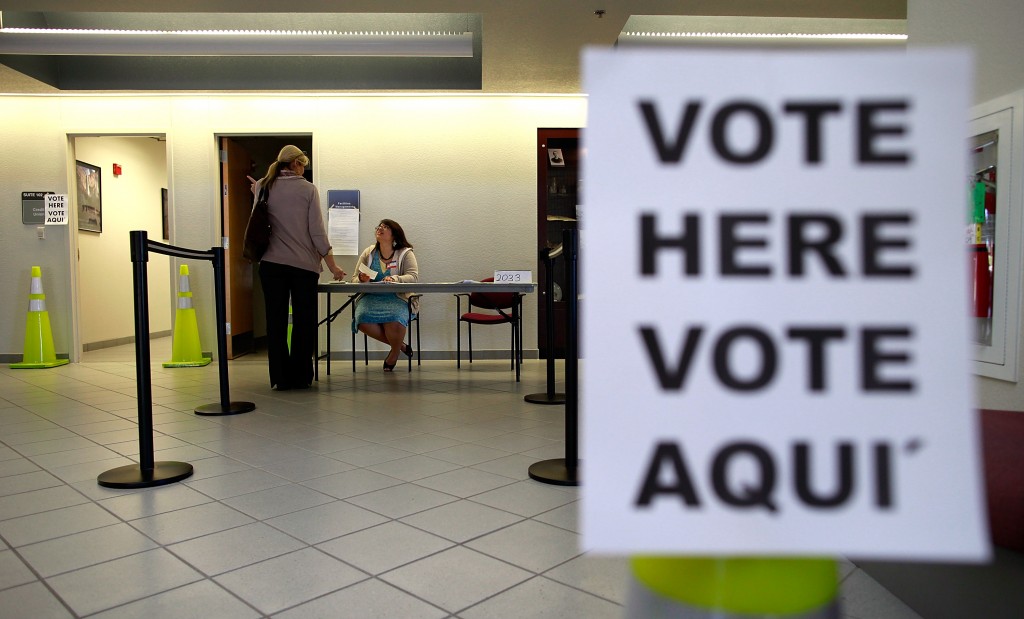
It’s important to understand that the question of voting rights for non-citizens can sometimes become muddled when discussing different types of elections. While federal and state elections clearly require U.S. citizenship, there have been historical instances and ongoing debates about whether non-citizens could vote in very specific, local, non-partisan elections, such as school board elections in some municipalities across the United States. However, these are exceptions rather than the rule, and they are certainly not the standard practice in Texas.
The overwhelming consensus and the codified law in Texas is that only U.S. citizens can vote. Therefore, individuals holding a Green Card, regardless of how long they have resided in Texas, how deeply they are integrated into their local communities, or how invested they are in local issues, are not legally permitted to vote in Texas elections. This includes everything from major races like those for Governor or U.S. Senator, down to the smallest municipal contests for city council or school board members.
The Role of Permanent Residency and Civic Engagement
While Green Card holders cannot vote, their role in civic life and their contributions to their communities are undeniable and vital. Many permanent residents are actively involved in local initiatives, volunteer work, and community organizations. They contribute to the local economy, pay taxes, and are integral members of the social fabric of Texas cities like Houston, Dallas, San Antonio, and Austin.
The inability to vote can be a source of frustration for permanent residents who feel a strong connection to their local areas and wish to have a say in decisions that directly impact their lives, their families, and their businesses. This sentiment is understandable, as voting is a primary avenue for individuals to exercise influence and ensure their voices are heard in a democratic society.
The path to full U.S. citizenship offers permanent residents the opportunity to gain voting rights. The naturalization process typically requires a period of continuous residency (usually five years for Green Card holders, or three years if married to a U.S. citizen), demonstrating knowledge of U.S. history and government, proficiency in the English language, and good moral character. Upon becoming a U.S. citizen, individuals are then eligible to register to vote and participate in all elections.

Exploring Alternatives for Civic Participation
Although voting is restricted to citizens, there are numerous ways Green Card holders can engage in civic life and make a difference in Texas:
- Community Involvement: Volunteering with local non-profits, participating in neighborhood watch programs, or joining parent-teacher associations for schools like those in the Alamo Heights Independent School District can be highly impactful.
- Advocacy and Lobbying: Permanent residents can express their views on issues by contacting their elected officials, signing petitions, and participating in peaceful demonstrations. They can also support advocacy groups that represent their interests.
- Local Government Engagement: Attending town hall meetings, public hearings, and community forums allows individuals to voice their opinions and understand the decision-making processes of their local governments. While they may not be able to cast a vote, their presence and arguments can influence elected officials.
- Supporting Candidates: Permanent residents can financially support political campaigns of candidates who align with their views, though they cannot donate to federal campaigns.
- Educating Themselves and Others: Staying informed about local issues and encouraging eligible voters to participate can also be a form of civic contribution. This is particularly relevant for those who may be considering future naturalization and want to understand the political landscape.
The journey from becoming a permanent resident to a full U.S. citizen is a significant one, and for many, the desire to vote is a powerful motivator to pursue naturalization. Until that point is reached, Green Card holders can still be active and influential members of their communities in Texas and contribute to the local life and culture, much like the vibrant offerings found in places like San Antonio’s River Walk or the cultural events in Dallas. Their dedication to their communities, even without the ballot, is a testament to their commitment to their adopted home.
Ultimately, the answer to whether Green Card holders can vote locally in Texas is a clear no. The Texas Election Code is explicit, requiring U.S. citizenship for all forms of voting within the state. However, this legal restriction does not diminish the value of permanent residents’ contributions to Texas society. By understanding the legal framework and exploring alternative avenues for civic engagement, Green Card holders can continue to be active and meaningful participants in their local communities.
LifeOutOfTheBox is a participant in the Amazon Services LLC Associates Program, an affiliate advertising program designed to provide a means for sites to earn advertising fees by advertising and linking to Amazon.com. Amazon, the Amazon logo, AmazonSupply, and the AmazonSupply logo are trademarks of Amazon.com, Inc. or its affiliates. As an Amazon Associate we earn affiliate commissions from qualifying purchases.