
The question “How big is Texas?” is more than just a geographical inquiry; it’s an invitation to explore a state that defies easy categorization. Texas isn’t merely large; it’s a sprawling expanse that embodies a spirit of vastness, diversity, and boundless opportunity. For travelers, this immensity translates into an incredible array of experiences, from the rugged beauty of its natural landscapes to the vibrant energy of its cosmopolitan cities, the rich tapestry of its local culture, and the sheer variety of its accommodation options. Understanding the scale of Texas is the first step to unlocking its secrets and planning unforgettable journeys.
The Sheer Scale: More Than Just Miles
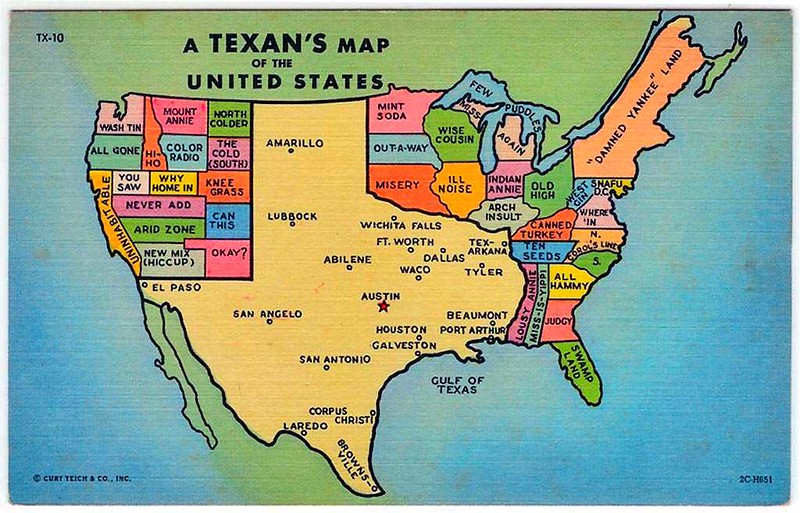
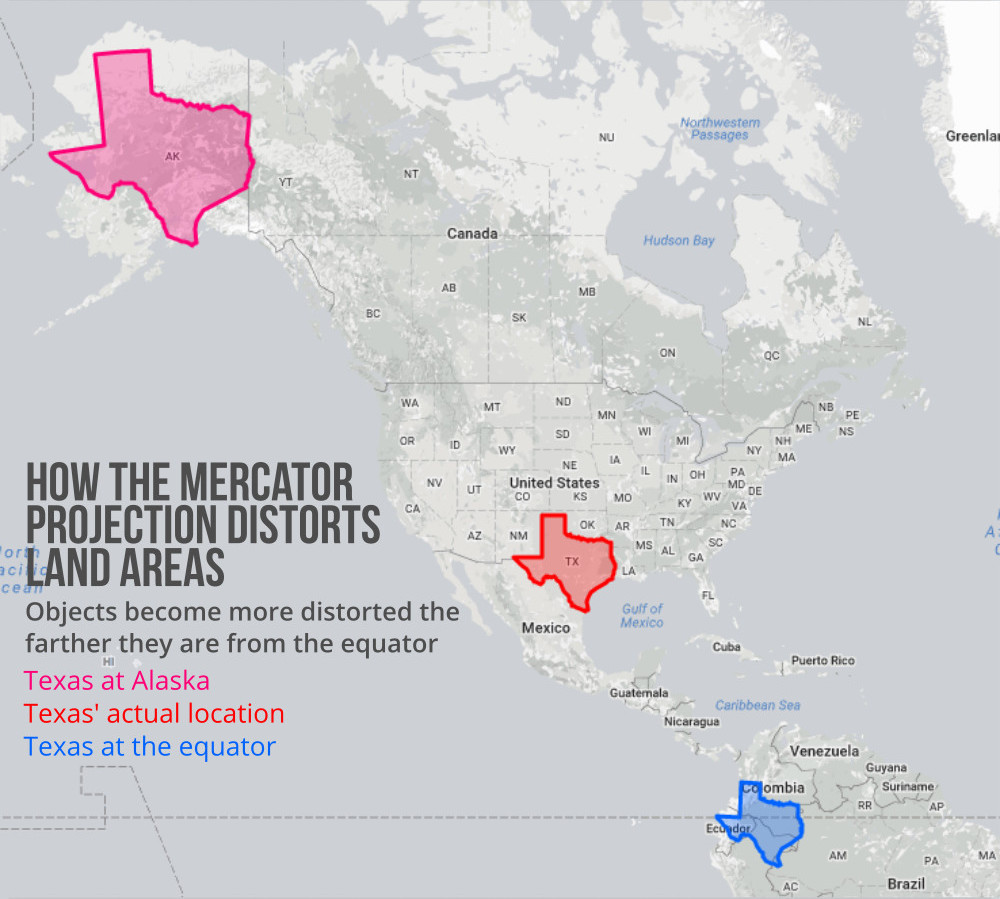
When we talk about the size of Texas, we’re not just discussing square mileage; we’re talking about a distance that influences everything from travel times to climate variations and the very lifestyle of its inhabitants. Texas is the second-largest state in the United States by both area and population, and this sheer scale has profoundly shaped its identity.
Distance and Driving: An Epic Undertaking
To truly grasp how big Texas is, consider the distances involved in traversing it. Driving from Texarkana in the northeast to El Paso in the west can take upwards of 12 hours, without significant stops. This is longer than many international flights! This means that a single trip across the state often requires careful planning, potentially including overnight stays in charming towns or bustling cities. For instance, a drive from Dallas to Houston is roughly a four-hour journey, a distance that might be considered a full day’s travel in other, smaller regions. This emphasis on driving also means that road trips are a quintessential Texas experience, offering the chance to witness the gradual transformation of landscapes, from the piney woods of East Texas to the vast plains of the Panhandle and the arid beauty of West Texas.
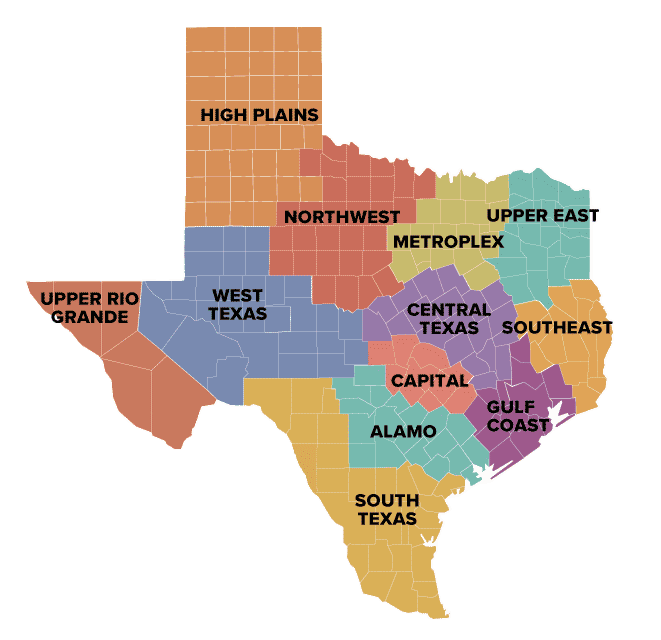
The sheer size also impacts the availability and diversity of tourism offerings. Within this enormous territory, you can find distinct regions, each with its own character, attractions, and activities. Planning your Texas adventure often involves deciding which of these regions to focus on, as attempting to see it all in one go would be an monumental undertaking. This vastness is not a deterrent but rather an opportunity for deep exploration.
Climate and Geography: A Spectrum of Extremes
The size of Texas directly correlates with its diverse climates and geographies. From the humid subtropical climate of the Gulf Coast to the semi-arid plains of West Texas and the continental climate of the Panhandle, the state experiences a wide range of weather patterns.
- East Texas: Characterized by dense forests, rolling hills, and a humid subtropical climate, this region is a stark contrast to the west. It offers opportunities for outdoor recreation amidst verdant scenery.
- Central Texas: Home to the Texas Hill Country, this area boasts rolling hills, clear rivers, and a more temperate climate. It’s a popular destination for its wineries, outdoor activities, and charming small towns.
- South Texas: The Rio Grande Valley is known for its subtropical climate, rich agricultural lands, and a strong influence of Mexican culture.
- West Texas: Vast and arid, this region includes the Chihuahuan Desert and the Guadalupe Mountains National Park. It’s a land of dramatic vistas, stargazing opportunities, and a sense of profound solitude.
- The Panhandle: With its flat, wide-open spaces and a more extreme continental climate, this region is known for its ranches and a strong connection to cowboy culture.
This geographical diversity means that the best time to visit certain parts of Texas can vary significantly. Planning your trip around specific interests – be it exploring the beaches of Galveston, hiking in the Big Bend National Park, or experiencing the vibrant city life of Austin – will require considering the regional climate.
Unlocking Texas’s Treasures: Destinations and Attractions
The immensity of Texas means that its attractions are as varied as its landscapes. From iconic landmarks steeped in history to modern marvels and natural wonders, there’s something to captivate every traveler.
Iconic Landmarks and Historical Sites
Texas is a state with a deep and storied past, and its landmarks reflect this rich heritage.
- The Alamo: Located in San Antonio, this former Spanish mission is a symbol of Texan independence and a must-visit for anyone interested in the state’s history. The surrounding Alamo City offers a wealth of other historic missions, a beautiful Riverwalk, and a vibrant cultural scene.
- Space Center Houston: A gateway to the cosmos, this is the official visitor center of NASA‘s Johnson Space Center. It offers a fascinating glimpse into the history of space exploration and current missions.
- The State Capitol Building in Austin: An architectural marvel, the Texas State Capitol is one of the largest state capitols in the United States and a significant landmark in the vibrant city of Austin.
- Big Bend National Park: Straddling the Rio Grande, this park offers breathtaking desert scenery, rugged mountains, and opportunities for hiking, stargazing, and river adventures. Its sheer isolation only adds to its allure.
Vibrant Cities and Cultural Hubs
Beyond its historical sites and natural beauty, Texas is home to dynamic cities that offer diverse urban experiences.
- Austin: Known as the “Live Music Capital of the World,” Austin is a hub for music, arts, technology, and outdoor activities. Its unique culture and lively atmosphere make it a perennial favorite for visitors.
- Dallas: A major economic and cultural center, Dallas boasts world-class museums, a thriving culinary scene, and a rich history in the oil and cattle industries.
- Houston: The most populous city in Texas, Houston is a melting pot of cultures and a hub for the energy industry, aerospace, and medicine. It offers a diverse range of dining, entertainment, and attractions.
- San Antonio: A city where history and modernity intertwine, San Antonio is famous for The Alamo, its Spanish colonial missions, and the picturesque Riverwalk.
Accommodation and Lifestyle: Catering to Every Traveler
The sheer size of Texas also translates into a vast and varied landscape of accommodation options and lifestyle choices for travelers. Whether you’re seeking luxurious comfort, budget-friendly stays, or family adventures, Texas has it all.
A Spectrum of Stays: From Resorts to Roadside Motels
The range of hotels and accommodations in Texas is as expansive as the state itself, catering to every budget and travel style.
- Luxury Resorts: From sprawling ranches in the Hill Country offering opulent amenities and breathtaking views, such as the JW Marriott San Antonio Hill Country Resort & Spa, to high-end city hotels like the The Ritz-Carlton, Dallas, Texas provides ample opportunities for indulgence. These resorts often feature championship golf courses, world-class spas, and fine dining experiences.
- Boutique Hotels: Many of Texas’s vibrant cities and charming small towns boast unique boutique hotels that offer a more intimate and personalized experience, reflecting the local character.
- Chain Hotels and Motels: For the road-tripper or budget-conscious traveler, a ubiquitous network of chain hotels and motels can be found along every major highway and in every town, ensuring accessibility and convenience.
- Vacation Rentals and Apartments: For longer stays or for families and groups seeking more space and amenities, vacation rentals, apartments, and villas are readily available, particularly in popular tourist destinations and larger cities. Platforms like Airbnb and Vrbo offer a wide selection.
- Unique Stays: Texas also offers a plethora of unique accommodation experiences, including historic bed and breakfasts, glamping sites in remote natural areas, and even themed hotels that immerse guests in a specific aspect of Texan culture.
Lifestyle Travel: Tailoring Your Texas Experience
Texas is a microcosm of diverse lifestyles, and its tourism offerings reflect this. Whether you’re a solo adventurer, a family on holiday, a couple seeking romance, or a business traveler, you’ll find experiences tailored to your needs.
- Luxury Travel: For those who prefer the finer things, Texas offers exclusive experiences, from private ranch getaways and high-end shopping in cities like Dallas and Houston, to gourmet dining and spa retreats.
- Budget Travel: With careful planning, Texas can be an incredibly affordable destination. Many of its most spectacular natural attractions, such as the Palo Duro Canyon State Park or Dinosaur Valley State Park, have modest entrance fees. Furthermore, numerous free museums and cultural events can be found in its cities. Camping and staying in budget-friendly motels are also viable options.
- Family Trips: Texas is a fantastic destination for families, with attractions like Six Flags Over Texas, Schlitterbahn Waterpark in New Braunfels, the Perot Museum of Nature and Science in Dallas, and the numerous kid-friendly museums and parks across the state. The vastness also means there’s plenty of space for children to explore and enjoy the outdoors.
- Business Stays: Major cities like Houston, Dallas, and Austin are economic powerhouses, offering extensive business travel infrastructure, including world-class convention centers, business hotels, and excellent transportation networks.
In conclusion, the question “How big is Texas?” is an entry point into understanding a state that is defined by its immense scale, its rich diversity of landscapes and climates, and its equally vast array of attractions and experiences. From the historic echoes of The Alamo to the modern pulse of Austin‘s live music scene, and from the rugged beauty of Big Bend to the comforting familiarity of a roadside motel, Texas offers a journey that is as expansive and unforgettable as the state itself.
LifeOutOfTheBox is a participant in the Amazon Services LLC Associates Program, an affiliate advertising program designed to provide a means for sites to earn advertising fees by advertising and linking to Amazon.com. Amazon, the Amazon logo, AmazonSupply, and the AmazonSupply logo are trademarks of Amazon.com, Inc. or its affiliates. As an Amazon Associate we earn affiliate commissions from qualifying purchases.