
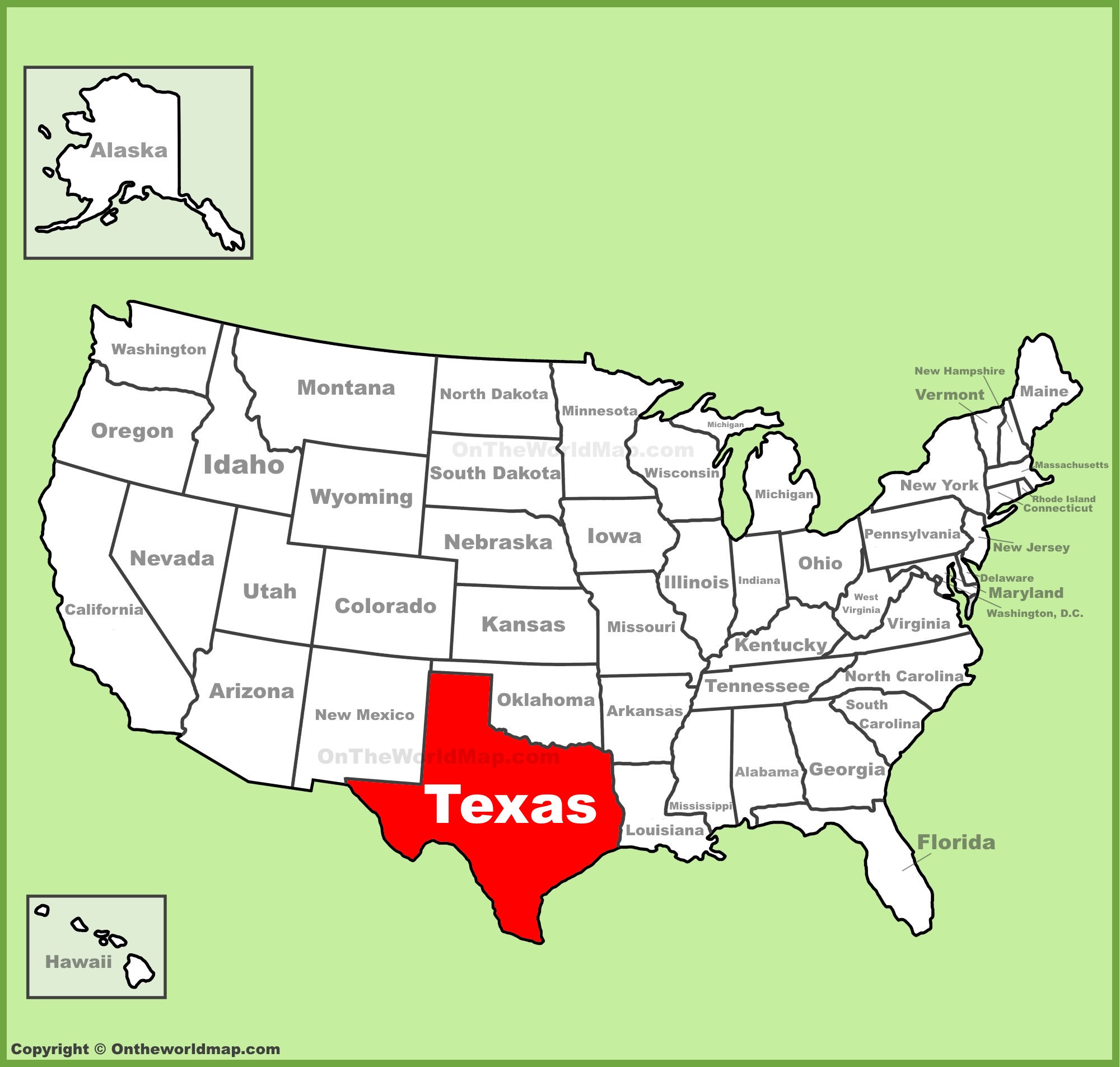
The United States of America is a vast and diverse nation, home to a multitude of landscapes, cultures, and experiences. Within its borders lie two distinct and captivating states: Texas, the Lone Star State, known for its sprawling ranches, vibrant cities, and rich history, and Maryland, the Old Line State, celebrated for its picturesque coastline, historic charm, and proximity to the nation’s capital. When considering a journey between these two magnificent locales, a fundamental question arises: “How far is Texas from Maryland?” This question, while seemingly straightforward, opens the door to a fascinating exploration of distance, travel, and the varied ways we can traverse the miles that separate us.
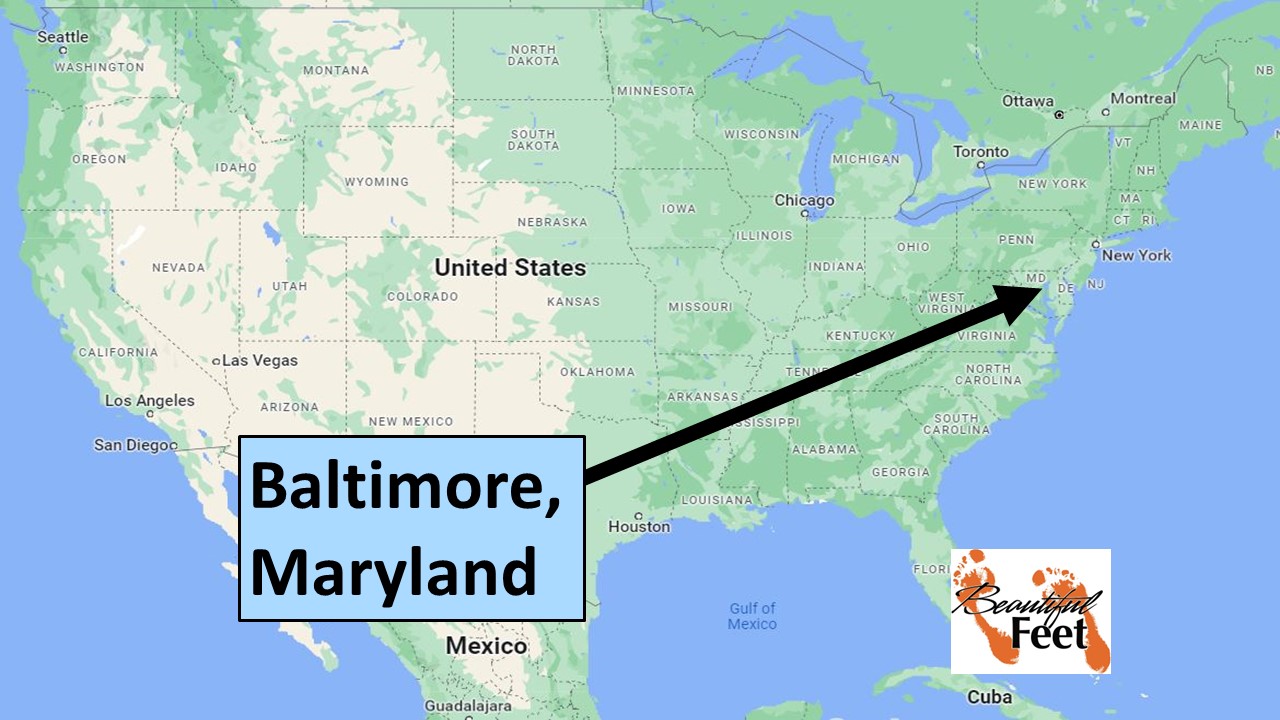
The answer to “how far” is not a single, simple number. It depends on the specific starting and ending points within each state, the mode of transportation chosen, and the route taken. However, for the purpose of general understanding and travel planning, we can establish a baseline. The driving distance between the two states can range significantly, but generally falls between approximately 1,200 to 1,500 miles, depending on the chosen path. This translates to a journey that, by car, typically takes anywhere from 18 to 24 hours of continuous driving, often necessitating at least one overnight stop.
This considerable distance underscores the vastness of the American landscape and the planning involved in undertaking such a trip. It’s a journey that crosses multiple states, diverse terrains, and distinct regional characteristics. Whether you’re embarking on a cross-country road trip or opting for a quicker flight, understanding this geographical expanse is the first step in planning an enriching experience. This exploration will delve into the various facets of traveling between Texas and Maryland, touching upon the practicalities of distance, the allure of destinations, and the lifestyle choices that shape our travel decisions.
Understanding the Mileage: Driving and Flying Distances
The sheer scale of the United States is most evident when considering the distance between states as geographically separated as Texas and Maryland. To truly grasp “how far,” it’s essential to examine the most common modes of travel: driving and flying. Each offers a unique perspective on the journey and caters to different traveler preferences.
The Road Less Traveled: Driving Between Texas and Maryland
For those who cherish the open road and the freedom of exploration, driving from Texas to Maryland presents an epic adventure. The most direct routes typically involve traversing the heartland of America. For instance, a common route from Austin, Texas, to Annapolis, Maryland, might cover around 1,350 miles. This journey would likely take you through states such as Louisiana, Mississippi, Alabama, Georgia, South Carolina, North Carolina, and Virginia, before finally reaching Maryland.
The estimated driving time for such a distance, without factoring in stops for rest, meals, or sightseeing, hovers around the 20-hour mark. Realistically, this translates to a minimum of two full days of driving, often spread over three to four days to allow for a more comfortable pace and to experience some of the attractions along the way. Popular routes often utilize major interstates like I-10, I-20, I-40, and eventually connect to highways leading into Maryland.
Consider the specific cities you might be traveling between. A drive from Houston, Texas, to Baltimore, Maryland, might be slightly longer, perhaps closer to 1,400 miles, with a similar driving time. Conversely, a journey from the western tip of Texas, like El Paso, to the eastern shores of Maryland would be considerably longer, potentially exceeding 1,800 miles. The choice of route is influenced by factors like traffic, road conditions, and personal preferences for scenery or specific points of interest.
When planning a road trip of this magnitude, it’s crucial to consider accommodation options along the way. Numerous roadside hotels and motels offer convenient overnight stays. For those seeking a more immersive experience, charming bed and breakfasts or even short-term apartment rentals in towns and cities you pass through can be excellent choices. Websites dedicated to accommodation comparison can be invaluable in finding suitable places to rest and recharge before continuing your journey.
Soaring Above the Miles: Flying from Texas to Maryland
For travelers seeking efficiency and a faster way to bridge the considerable distance, flying is the obvious choice. The air travel time between Texas and Maryland is significantly shorter, typically ranging from 3 to 4 hours of flight time, depending on the specific airports and any layovers.
Major airports in Texas, such as Dallas/Fort Worth International Airport (DFW), George Bush Intercontinental Airport (IAH) in Houston, and Austin-Bergstrom International Airport (AUS), offer numerous direct and connecting flights to airports in Maryland, most notably Baltimore/Washington International Thurgood Marshall Airport (BWI). Other smaller airports in Maryland might also be accessible with connections.
The overall travel time, when flying, includes getting to the airport, check-in procedures, security, boarding, the flight itself, and disembarking and collecting luggage at the destination. This can add up to 6 to 8 hours door-to-door. However, this remains a far cry from the multi-day commitment of a road trip.
When considering flights, comparing prices and schedules across various airlines is essential. Booking in advance can often secure better fares. For those looking for a more luxurious travel experience, premium economy or business class seats can make the flight more comfortable. Regardless of the class, the ease of air travel allows for a quick transition from the vast landscapes of Texas to the historic charm of Maryland, or vice versa.
Exploring the Destinations: Attractions and Experiences in Texas and Maryland
The vast distance between Texas and Maryland is matched by the wealth of experiences each state offers. Understanding “how far” also prompts an appreciation for what lies at either end of this considerable journey, beckoning travelers to explore their unique attractions, immerse themselves in local culture, and discover the stories embedded within their landmarks and lifestyles.
The Heart of Texas: Culture, Cuisine, and Captivating Landmarks
Texas is a state of superlatives, a place where grandeur and hospitality intertwine. Its sheer size is reflected in its diverse geography, from the arid deserts of West Texas to the piney woods of East Texas, and the bustling metropolises to the tranquil Gulf Coast.
For the culture enthusiast, Texas offers a rich tapestry. In cities like Austin, the “Live Music Capital of the World,” you can find an eclectic mix of genres in countless venues, from iconic spots like the Continental Club to the more intimate stages scattered throughout the city. Houston boasts a world-class museum district, featuring institutions like the Museum of Fine Arts, Houston and the Houston Museum of Natural Science, alongside a thriving theater scene. Dallas presents a sophisticated urban experience with its arts district, home to the Dallas Museum of Art and the Nasher Sculpture Center.
The culinary landscape of Texas is legendary. Tex-Mex cuisine, a flavorful fusion of Mexican and Texan influences, is a must-try, with dishes like enchiladas, tacos, and chili reaching near-mythical status. Barbecue is another cornerstone of Texan food culture, with slow-smoked brisket, ribs, and sausage drawing aficionados from far and wide to renowned establishments across the state. Beyond these staples, Texas offers a burgeoning fine-dining scene, diverse international flavors, and a growing craft beer and spirits industry.
Landmarks abound in Texas, telling stories of its independent spirit and historical significance. The Alamo in San Antonio stands as a powerful symbol of Texan resilience. The Space Center Houston offers a glimpse into humanity’s endeavors in space exploration. For nature lovers, the dramatic landscapes of Big Bend National Park provide breathtaking vistas and opportunities for hiking and stargazing, while the Texas Hill Country enchants with its rolling hills, wineries, and charming small towns.
When it comes to accommodation, Texas caters to all preferences. From luxurious resorts in Austin and Dallas to boutique hotels in historic towns like Galveston, and family-friendly apartments in sprawling suburbs, there are options for every budget and travel style. Whether you seek a high-end suite, a cozy villa, or a budget-friendly stay, the Lone Star State has you covered.
The Charm of Maryland: Coastal Beauty, Historic Sites, and a Distinct Lifestyle
Maryland, though considerably smaller than Texas, possesses an undeniable allure, deeply rooted in its maritime heritage, historical significance, and proximity to the nation’s capital. Its landscape is a picturesque blend of rolling countryside, the Chesapeake Bay’s intricate waterways, and a charming Atlantic coastline.
The appeal of Maryland lies in its diverse attractions. Annapolis, the state capital, is a historic gem, renowned for the United States Naval Academy and its beautifully preserved colonial architecture. Strolling through the cobblestone streets and visiting the waterfront offers a tangible connection to America’s past. The Chesapeake Bay, a defining feature of Maryland, is a playground for water enthusiasts. Boating, kayaking, sailing, and fishing are popular activities, with charming waterfront towns like St. Michaels and Oxford offering picturesque harbors and delightful seafood restaurants.
The culinary scene in Maryland is inextricably linked to its seafood, particularly the world-famous Maryland blue crab. Whether steamed with Old Bay seasoning, served in crab cakes, or enjoyed in a crab soup, the experience is quintessential Maryland. Beyond seafood, the state offers a range of dining experiences, from farm-to-table restaurants showcasing local produce to international cuisine found in its larger cities.
History buffs will find Maryland a treasure trove. Fort McHenry National Monument and Historic Shrine in Baltimore, the birthplace of “The Star-Spangled Banner,” is a must-visit. The historic city of Baltimore itself boasts a vibrant Inner Harbor, a lively arts scene, and significant historical sites. Further inland, you can explore the battlefields of Gettysburg (just across the border in Pennsylvania, but easily accessible) or the historic homes and plantations that dot the countryside.
Maryland’s lifestyle embraces a blend of urban sophistication and relaxed coastal living. For luxury travel, the state offers elegant hotels and resorts, particularly in areas around Baltimore and the Eastern Shore. Budget-conscious travelers can find affordable inns and motels, while families might opt for vacation rentals or apartments for a longer stay. The state’s proximity to Washington D.C. also makes it an attractive base for exploring the nation’s capital, offering a slightly more relaxed pace of life while still being within easy reach of major attractions.
Planning Your Journey: Accommodation, Lifestyle, and the Art of Travel
The journey between Texas and Maryland is more than just a calculation of miles; it’s an opportunity to engage with different facets of travel, from selecting the perfect accommodation to embracing a particular lifestyle. Whether you’re a luxury traveler or a budget-conscious explorer, a family on an adventure or a business traveler on a tight schedule, understanding these elements can transform a long transit into a memorable experience.
Accommodation Options: From Luxury Resorts to Budget Stays
The vast distance necessitates careful consideration of where you will rest and recharge. Both Texas and Maryland offer a comprehensive range of accommodation options to suit every need and budget.
In Texas, you can find opulent resorts that offer world-class amenities, such as the JW Marriott San Antonio Hill Country Resort & Spa or the Omni Barton Creek Resort & Spa in Austin. These establishments are ideal for those seeking a luxurious escape, often featuring extensive spa facilities, multiple swimming pools, and fine dining. For business travelers or those seeking a more contemporary urban experience, major hotel chains like the Marriott, Hilton, and Hyatt have a strong presence in cities like Dallas, Houston, and San Antonio, offering comfortable rooms and reliable services.
If you’re planning a longer stay or prefer the convenience of a home away from home, apartment rentals and villas are widely available. Platforms that allow for booking, reviews, and comparison can be invaluable in finding the right fit. In Maryland, the options mirror this diversity. Coastal towns offer charming bed and breakfasts and seaside inns, perfect for a romantic getaway or a family vacation. Baltimore and its surrounding areas provide a full spectrum of hotels, from luxury brands like The Ivy Hotel to well-appointed business hotels. For those on a budget, numerous motels and guesthouses offer clean and comfortable lodging.
When comparing accommodation, consider the amenities that matter most to you. Are you looking for free Wi-Fi, complimentary breakfast, a swimming pool, or pet-friendly facilities? Reading reviews from previous guests can offer candid insights into the quality of service and the overall experience. Booking in advance, especially during peak travel seasons, is highly recommended to secure the best rates and availability.
Lifestyle Travel: Tailoring Your Trip to Your Preferences
The choice between Texas and Maryland, and indeed the way you travel between them, can be deeply influenced by your lifestyle preferences. Understanding these nuances can elevate your journey from a simple transit to a curated experience.
For the luxury traveler, the journey itself can be part of the experience. This might involve flying first-class or business class, staying in five-star hotels, and indulging in fine dining at both ends of the trip. In Texas, this could mean experiencing the sophisticated nightlife of Dallas or the upscale shopping in Houston. In Maryland, it might involve a stay at a historic inn on the Eastern Shore or enjoying a gourmet seafood meal in Annapolis.
Budget travel requires a more strategic approach to planning. This could involve driving and staying in budget-friendly motels, opting for economy flights, and seeking out affordable dining options and free attractions. Both states offer numerous free activities, such as exploring public parks, visiting historical markers, and enjoying the natural beauty of their landscapes. Pack picnics, utilize public transportation where available, and look for accommodation deals to maximize your savings.
Family trips often necessitate different considerations. Child-friendly attractions, spacious accommodation with amenities like kitchenettes or separate sleeping areas, and a pace that accommodates younger travelers are key. Texas offers theme parks like Six Flags Fiesta Texas and the Houston Zoo, while Maryland boasts the National Aquarium in Baltimore and numerous beaches along the coast. When booking accommodation, look for family suites or apartments.
Business stays prioritize efficiency, convenience, and connectivity. Hotels with reliable Wi-Fi, business centers, and proximity to corporate hubs are essential. Both Texas and Maryland have robust business infrastructures, with major cities offering a wide array of business-friendly hotels and meeting facilities. The ability to quickly travel between these states via air travel is a significant advantage for business professionals.
Ultimately, the question of “how far is Texas from Maryland?” is an invitation to explore. It’s a question that leads to an understanding of geography, a planning of logistics, and an anticipation of the rich experiences that await at either end of this expansive American journey. By considering the distances, the destinations, and the diverse travel styles, any journey between these two captivating states can be transformed into an unforgettable adventure.
LifeOutOfTheBox is a participant in the Amazon Services LLC Associates Program, an affiliate advertising program designed to provide a means for sites to earn advertising fees by advertising and linking to Amazon.com. Amazon, the Amazon logo, AmazonSupply, and the AmazonSupply logo are trademarks of Amazon.com, Inc. or its affiliates. As an Amazon Associate we earn affiliate commissions from qualifying purchases.