
For anyone planning a central Texas adventure, understanding the geographical relationship between its vibrant cities is key. Austin, the state capital and a hub of culture and innovation, and Waco, a city rich in history and burgeoning with modern charm, are two popular destinations often considered together. Travelers frequently inquire about the distance between these two dynamic cities, seeking to optimize their itineraries and make the most of their visit to the Lone Star State. The good news is that they are remarkably accessible to each other, making a combined trip not just feasible, but highly recommended for experiencing the diverse facets of central Texas. This article will delve into the specifics of the journey, highlight the unique attractions of both cities, and provide insights for planning an unforgettable travel experience.
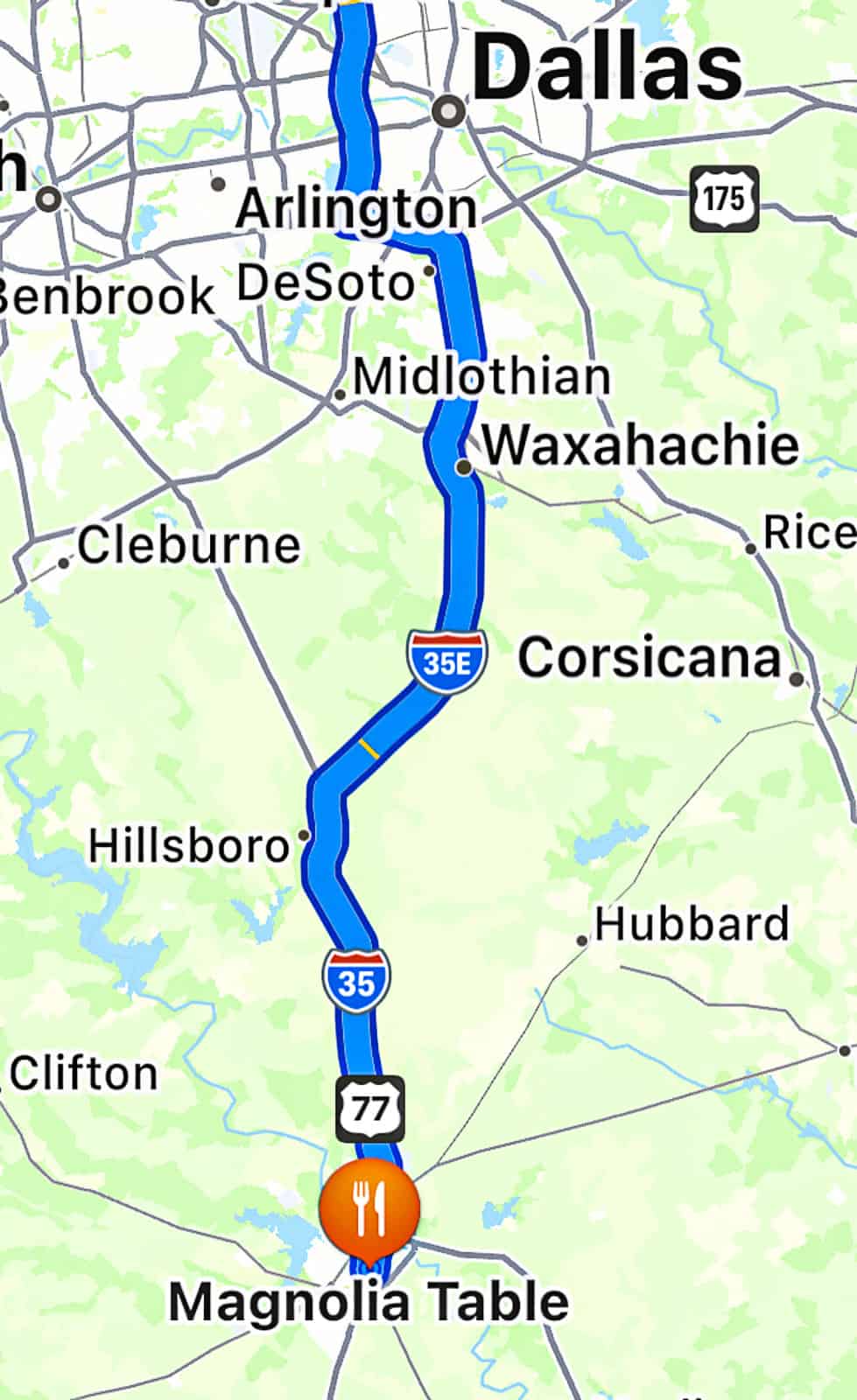
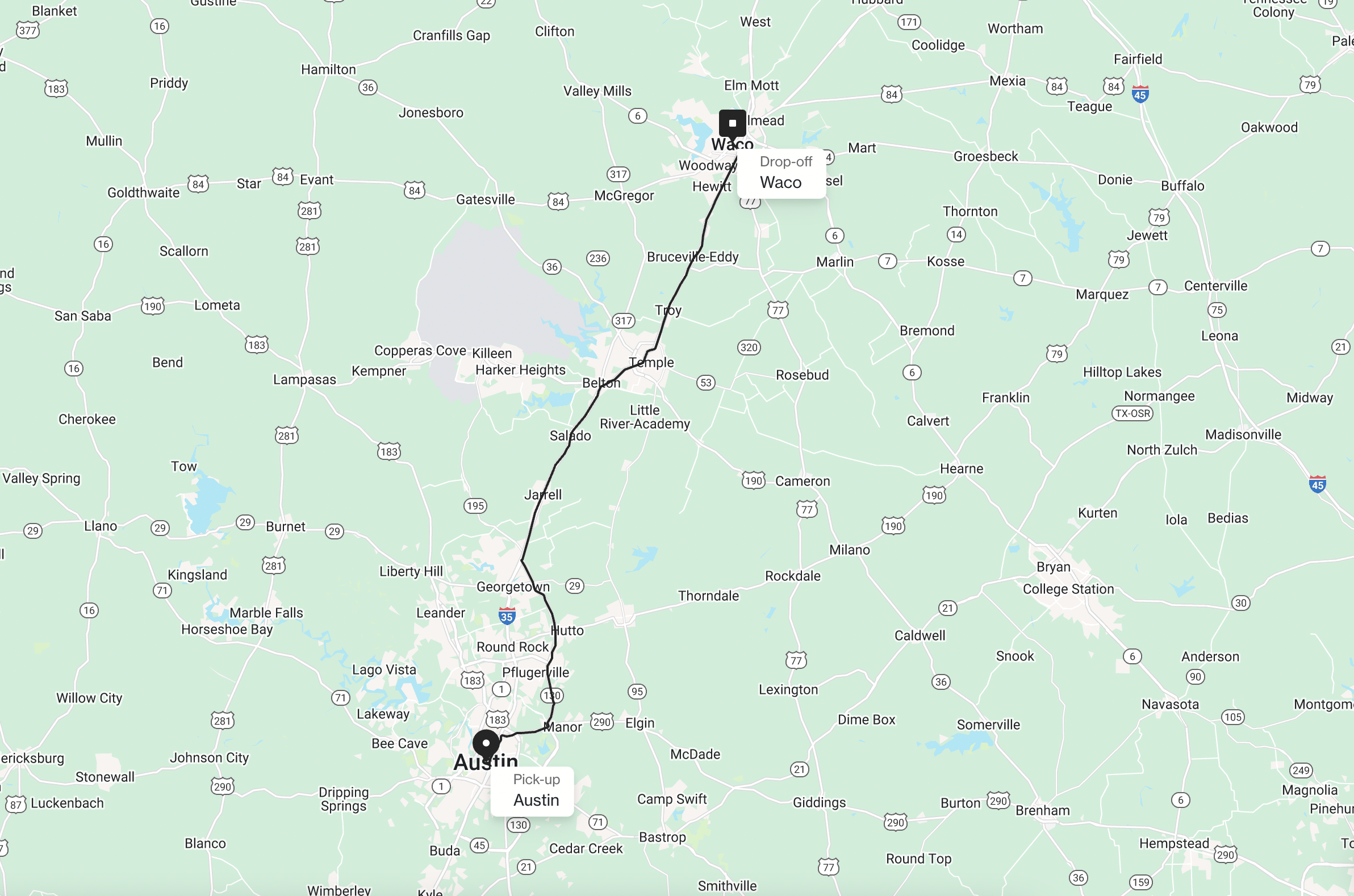
The Straight Shot: Distance and Travel Time Between Austin and Waco
The journey between Austin and Waco is a relatively straightforward and manageable drive, making it an ideal segment of any Texas road trip. Situated along the vital I-35 corridor, these two cities are well-connected and offer a scenic glimpse into the heart of the state.
Driving the I-35 Corridor
The primary route connecting Austin and Waco is Interstate 35 (I-35), a major north-south highway that traverses much of Texas. The approximate driving distance between the city centers is around 100 to 105 miles (160 to 169 kilometers). This relatively short distance translates into a comfortable drive that can typically be completed in about 1 hour and 30 minutes to 2 hours, depending heavily on traffic conditions and specific departure/arrival points within each city.
The drive itself is predominantly flat, passing through a mix of small towns, open fields, and light industrial areas. Along the way, travelers will find various amenities, including gas stations, restaurants, and rest stops. One notable stop for many Texas road-trippers is Buc-ee’s, a massive convenience store and gas station chain known for its clean restrooms, extensive snack selection, and quirky Texas souvenirs. There’s a particularly large Buc-ee’s location in Temple, roughly halfway between Austin and Waco, offering a convenient break point.
Factors Affecting Travel Duration
While the estimated travel time provides a good baseline, several factors can influence the actual duration of your drive:
- Traffic Congestion: I-35 is a heavily traveled interstate, especially during peak commuter hours (early morning and late afternoon/early evening) and on weekends. Traffic can significantly slow down, particularly when passing through the metropolitan areas of Austin and, to a lesser extent, Waco. Utilizing navigation apps like Google Maps or Waze, which provide real-time traffic updates, is highly recommended to plan your departure time accordingly and potentially identify alternative routes if major delays occur.
- Construction: As a vital transportation artery, I-35 is frequently undergoing improvements and expansions. Construction zones can lead to lane closures, reduced speed limits, and bottlenecks, adding to travel time.
- Time of Day/Week: Traveling midday on a weekday generally offers the quickest journey. Weekends, particularly holiday weekends, can see increased traffic volume as people travel for leisure or to visit family.
- Weather Conditions: While Texas weather is often favorable for driving, heavy rain, fog, or, rarely, ice can impact road conditions and necessitate slower speeds, extending travel time.
Alternative Transportation Options
While driving your own vehicle or a rental car is by far the most popular and flexible way to travel between Austin and Waco, other options exist for those who prefer not to drive:
- Bus Services: Companies like Greyhound offer bus routes connecting the two cities. This can be a more economical option, though travel times may be longer due to multiple stops and schedules.
- Ride-sharing Services: Uber and Lyft are available in both Austin and Waco, but a ride between the two cities would be quite expensive given the distance.
- Private Shuttles/Car Services: For those seeking a more premium and direct transfer, private shuttle services can be arranged, offering convenience and comfort at a higher cost.
Ultimately, the short distance and direct highway make driving the most efficient and recommended method for connecting Austin and Waco, allowing travelers the freedom to explore at their own pace.
Why Visit Waco? Exploring the Heart of Texas
Once primarily known for its historical significance and academic institutions, Waco has transformed into a major tourist destination, largely thanks to its unique blend of history, natural beauty, and a certain popular home renovation show. A visit to Waco offers a charming and authentic Texas experience, perfect for a day trip or a leisurely weekend stay.
The Magnolia Effect: Design and Discovery
Undoubtedly, the biggest draw to Waco in recent years has been the phenomenon of Magnolia Market at the Silos. Spearheaded by Chip and Joanna Gaines of HGTV’s “Fixer Upper,” the Silos complex has revitalized the downtown area and created a vibrant destination for design enthusiasts and shoppers alike. Visitors can explore the retail market, grab a sweet treat from the bakery, relax on the lawn with family, and browse various shops offering home goods, apparel, and souvenirs. It’s an inspiring experience that showcases rustic elegance and a strong sense of community.
Beyond the Silos: History and Nature
While Magnolia Market at the Silos is a must-see, Waco offers much more:
- Dr Pepper Museum: Explore the birthplace of Dr Pepper soda, learn about its history, and even concoct your own unique soda creation. It’s a fun and interactive experience for all ages, diving into a fascinating piece of American culinary history.
- Baylor University: One of Texas’s oldest and most prestigious universities, Baylor University boasts a beautiful campus worth strolling through. Don’t miss the Bear Habitat, where you can see the university’s live mascots, Judge Lady and Judge Joy.
- Waco Mammoth National Monument: This active paleontological site provides a rare glimpse into the prehistoric past, preserving the nation’s only known discovery of a herd of Columbian mammoths. It’s a truly unique educational and awe-inspiring experience.
- Cameron Park Zoo: Nestled in one of the largest municipal parks in Texas, the Cameron Park Zoo is renowned for its natural habitats and diverse collection of animals from around the world.
- Texas Ranger Hall of Fame and Museum: Dive into the legendary history of the Texas Rangers, one of the oldest law enforcement agencies in North America. The museum offers an insightful look into their storied past and enduring legacy.
- Brazos River: The Brazos River flows through Waco, offering opportunities for kayaking, paddleboarding, or simply enjoying the scenic riverside parks. The iconic Waco Suspension Bridge, a historical landmark, is perfect for a leisurely walk with picturesque views.
Culinary Delights in Waco
Waco’s culinary scene has also flourished. Beyond the Silos Baking Co., visitors can find a range of dining options, from classic Texas BBQ joints to upscale eateries. Many local restaurants emphasize farm-to-table ingredients, reflecting the region’s agricultural roots. Exploring the diverse dining landscape offers a delicious complement to Waco’s attractions.
Unveiling Austin: The Live Music Capital and Beyond
Just a short drive south, Austin beckons with its eclectic charm, renowned live music scene, and “Keep Austin Weird” ethos. As the capital of Texas, it blends governmental importance with a laid-back, progressive vibe, offering an entirely different yet equally compelling experience compared to Waco.
Austin’s Iconic Attractions
Austin is packed with attractions that cater to a wide array of interests:
- Texas State Capitol: A stunning example of 19th-century architecture, the Texas State Capitol offers free tours and provides a deep dive into the state’s rich political history. Its towering dome and ornate interiors are a sight to behold.
- Sixth Street: Famous worldwide for its vibrant nightlife, Sixth Street is the heart of Austin’s live music scene. Lined with historic bars, clubs, and music venues, it comes alive after dark with sounds ranging from blues and rock to country.
- South Congress Avenue (SoCo): Known for its quirky boutiques, vintage shops, vibrant murals, and diverse eateries, South Congress Avenue offers a quintessential “Keep Austin Weird” experience. Don’t miss the iconic view of the Texas State Capitol down the street.
- Congress Avenue Bridge Bats: From March to October, nearly 1.5 million bats emerge from under the Congress Avenue Bridge at dusk, creating the largest urban bat colony in North America. It’s a spectacular natural phenomenon best viewed from boats on Lady Bird Lake, the bridge itself, or the nearby viewing lawn.
A Taste of Austin: Culinary Scene
Austin is a foodie paradise, celebrated for its diverse and innovative culinary landscape:
- Barbecue: No visit to Austin is complete without indulging in its world-renowned BBQ. Iconic establishments like Franklin Barbecue attract lines stretching around the block, but numerous other fantastic BBQ joints offer equally delicious smoked meats.
- Food Trucks: Austin is a pioneer in the food truck scene, with hundreds of mobile eateries serving everything from gourmet tacos and Korean BBQ to vegan delights and exotic fusion dishes. Exploring the various food truck parks is a culinary adventure in itself.
- Tex-Mex and Margaritas: As a Texas city, Austin excels at Tex-Mex cuisine. From casual taquerias to upscale Mexican restaurants, you’ll find an abundance of flavorful dishes and refreshing margaritas.
Outdoor Adventures and Natural Beauty
Despite being a bustling city, Austin embraces its natural surroundings:
- Zilker Park: A massive urban green space, Zilker Park is home to Barton Springs Pool, a spring-fed natural swimming pool with a refreshing year-round temperature. The park also features botanical gardens, a disc golf course, and ample space for picnics and recreation.
- Lady Bird Lake: This reservoir along the Colorado River offers a scenic backdrop for kayaking, stand-up paddleboarding, and canoeing. The 10-mile Ann and Roy Butler Hike-and-Bike Trail loops around the lake, providing stunning city views and access to nature.
- Mount Bonnell: For panoramic views of Austin, Lady Bird Lake, and the surrounding Hill Country, a visit to Mount Bonnell is a must. It’s a popular spot for sunsets and photography.
Planning Your Texas Travel Itinerary: Austin-Waco Connection
The close proximity of Austin and Waco makes it incredibly convenient to combine visits to both cities, offering a comprehensive central Texas experience that blends urban vibrancy with historic charm.
One-Day Trip or Extended Stay?
- Day Trip to Waco from Austin: A day trip to Waco is entirely feasible from Austin. Leaving early in the morning allows ample time to explore Magnolia Market at the Silos, visit one or two museums (like the Dr Pepper Museum or Texas Ranger Hall of Fame and Museum), enjoy lunch, and still be back in Austin for dinner or its renowned nightlife.
- Extended Stay: For a more in-depth exploration, consider dedicating a full day or two to each city. This allows for a relaxed pace, more in-depth visits to attractions, and the chance to truly soak in the local atmosphere, especially enjoying the evenings in both destinations. Many travelers opt to base themselves in Austin and take a day trip to Waco, or split their accommodation between the two.
Combining Waco and Austin with Other Texas Destinations
The Austin-Waco connection serves as an excellent starting point or midpoint for a broader Texas road trip.
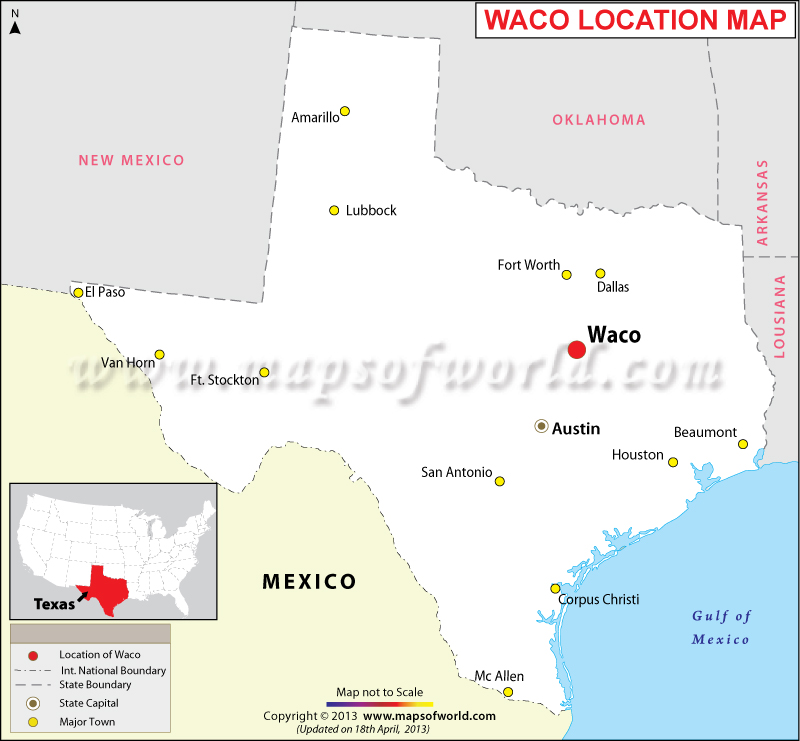
- North to Dallas-Fort Worth: From Waco, it’s another relatively easy drive north to the Dallas-Fort Worth Metroplex, expanding your itinerary to include major metropolitan attractions, museums, and entertainment.
- South to San Antonio: From Austin, a quick drive south on I-35 brings you to San Antonio, home to the Alamo, the Riverwalk, and historic missions, offering another distinct cultural experience. This trifecta (Waco-Austin-San Antonio) is a classic central Texas itinerary.
- West to Texas Hill Country: West of Austin lies the picturesque Texas Hill Country, known for its wineries, charming small towns like Fredericksburg and Wimberley, and stunning natural landscapes.
Best Time to Travel
The best times to visit central Texas are spring (March to May) and fall (September to November). During these seasons, the weather is typically mild and pleasant, ideal for outdoor activities and exploring city attractions. Spring brings wildflowers, including the famous bluebonnets, to the region. Summers (June to August) can be intensely hot, with temperatures often exceeding 90-100°F (32-38°C), making outdoor exploration more challenging. Winters (December to February) are generally mild but can have occasional cold fronts.
In conclusion, the distance between Waco and Austin is minimal, offering a seamless travel experience for those wishing to explore the heart of Texas. Whether you’re drawn to Waco’s charming historic sites and design-centric attractions or Austin’s vibrant music scene and culinary delights, connecting these two cities is a journey well worth taking.
LifeOutOfTheBox is a participant in the Amazon Services LLC Associates Program, an affiliate advertising program designed to provide a means for sites to earn advertising fees by advertising and linking to Amazon.com. Amazon, the Amazon logo, AmazonSupply, and the AmazonSupply logo are trademarks of Amazon.com, Inc. or its affiliates. As an Amazon Associate we earn affiliate commissions from qualifying purchases.