
The vast and diverse state of Texas is renowned for its larger-than-life personality, and its weather is no exception. From the scorching heat of the summer sun to the occasional chill of a winter breeze, the Lone Star State experiences a wide spectrum of climatic conditions. Understanding the nuances of Texas weather is crucial for anyone planning a visit, whether for a leisurely vacation, a business trip, or to experience the local culture firsthand. This guide delves into the typical weather patterns across the state, highlighting how the climate influences travel, accommodation choices, and the very essence of Texas tourism.
Seasonal Climate Overview
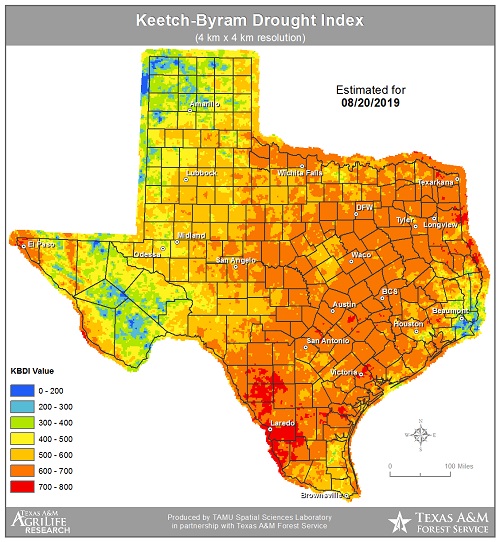
Texas boasts a predominantly subtropical climate, but its sheer size means significant regional variations. Generally, you can expect hot summers and mild winters, with varying amounts of rainfall throughout the year. The state can be broadly divided into several climatic zones, each offering a distinct experience.
Spring: A Symphony of Bloom and Brief Showers
Spring in Texas (March to May) is often considered one of the most pleasant times to visit. The harshness of winter recedes, and the landscape awakens in a riot of color, especially with the blooming of wildflowers across the Hill Country. Temperatures begin to warm up, making outdoor activities like exploring San Antonio‘s River Walk or visiting Austin‘s numerous parks quite enjoyable. Average daytime temperatures typically range from the comfortable 60s to the low 80s Fahrenheit (15-27°C).
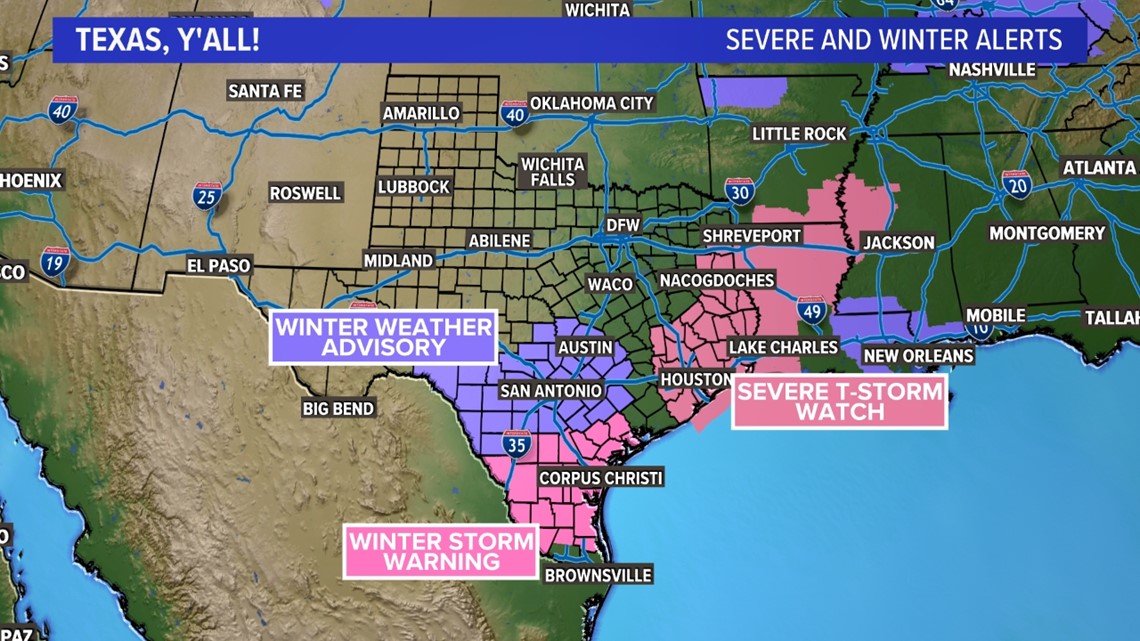
However, spring is also a season of transition, and this means it can be a period of volatile weather. Texas lies within “Tornado Alley,” and the spring months, particularly April and May, are prime time for severe thunderstorms, hail, and tornadoes. These storms can be sudden and intense, bringing heavy rainfall that can lead to flash flooding in some areas. While most of the time spring offers ideal conditions for sightseeing and outdoor adventures, travelers should always stay informed about weather alerts and be prepared for the possibility of inclement weather. This variability is a key aspect of Texas tourism; packing layers and having flexible plans is always advisable.
Summer: The Reign of Heat and Humidity
Summer in Texas (June to August) is synonymous with heat. This is undeniably the hottest time of year, with temperatures frequently soaring into the 90s and even triple digits Fahrenheit (32-38°C) across much of the state. The eastern and southern parts of Texas, including cities like Houston and Corpus Christi, also experience high humidity, making the heat feel even more intense and potentially oppressive.
Despite the heat, summer remains a popular time for travel, particularly for those who enjoy water-based activities. The Gulf Coast beaches offer a respite from the inland heat, and many resorts and hotels, like the JW Marriott San Antonio Hill Country Resort & Spa, feature expansive pools and water parks. For those venturing inland, early mornings and late evenings are often the best times for outdoor exploration. It’s essential to stay hydrated, seek shade, and use sun protection. Indoor attractions, such as museums in Dallas or the many dining establishments across the state, offer a cool escape. While heat is a defining characteristic, it doesn’t have to deter visitors; with proper planning, summer in Texas can still be incredibly rewarding, offering vibrant nightlife and unique Texas experiences.
Autumn: A Gentle Transition to Cooler Days
Autumn (September to November) brings a welcome change to the Texas climate. The oppressive heat of summer gradually subsides, replaced by milder temperatures and lower humidity. This season is often considered ideal for exploring the state’s diverse attractions. The Hill Country becomes a canvas of fall colors, and activities like hiking in Big Bend National Park or exploring the historic streets of Galveston become particularly pleasant.
Daytime temperatures typically range from the 60s to the 80s Fahrenheit (15-27°C), with evenings becoming noticeably cooler, especially in the western parts of the state. While the risk of severe thunderstorms diminishes, occasional weather systems can still bring rain. Overall, fall offers a comfortable and often beautiful window for travel, making it a prime season for enjoying Texas cuisine, festivals, and outdoor adventures. This is also a fantastic time for budget travelers, as some prices for hotels and flights might decrease after the summer peak.
Winter: Mild Warmth with Occasional Frost
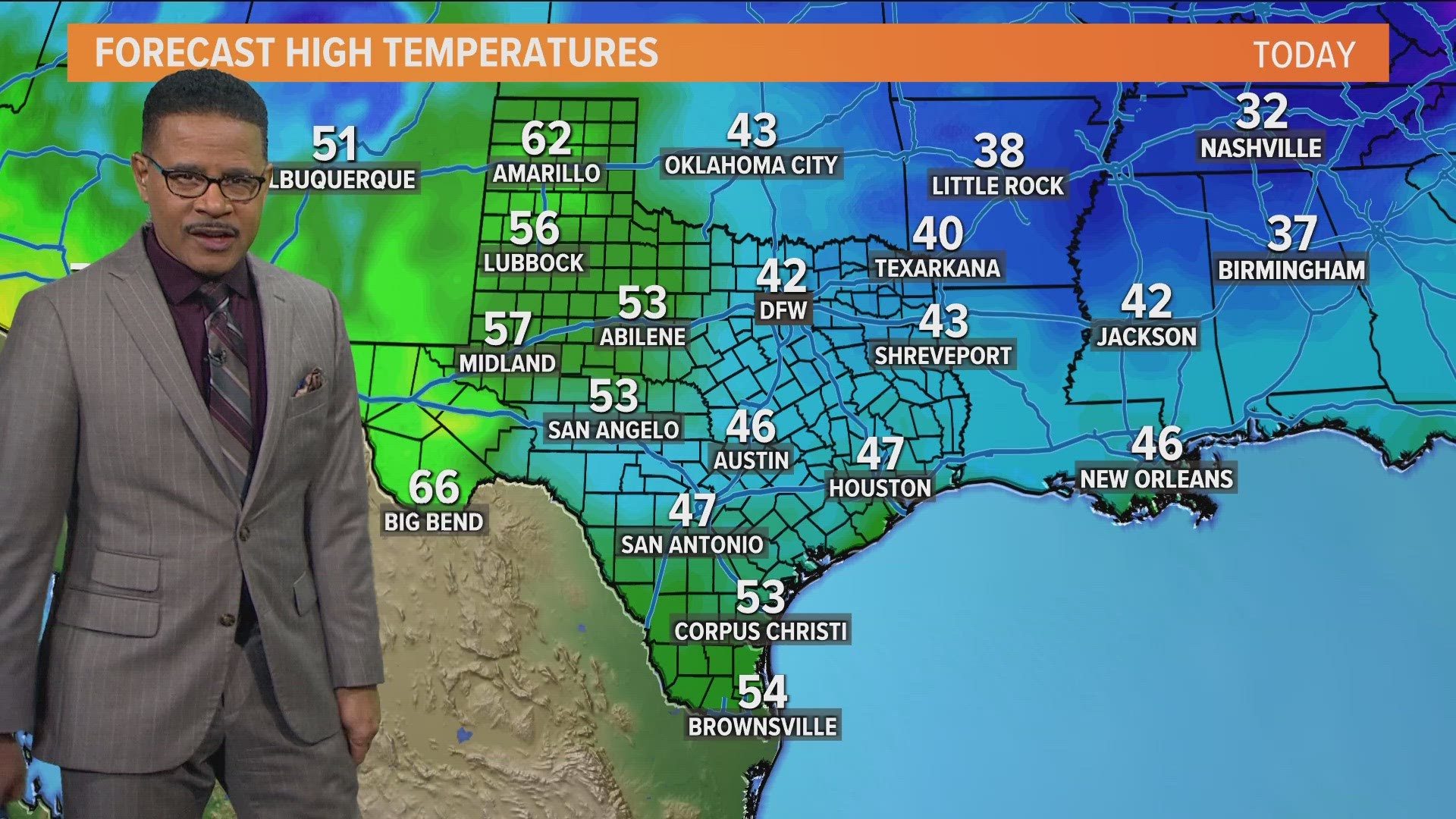
Texas winters (December to February) are generally mild, especially compared to northern states. Snowfall is rare and usually confined to the Panhandle region. Coastal areas and South Texas often experience very mild winters, with temperatures rarely dropping below freezing. Daytime temperatures can be in the 50s and 60s Fahrenheit (10-20°C), allowing for outdoor activities for much of the season.
However, Texas is not immune to occasional cold snaps. Arctic air masses can sweep down from the north, bringing freezing temperatures and even ice. These events can disrupt travel and cause power outages, as demonstrated by past extreme weather events. For travelers, packing warm layers is advisable, even during winter. Despite these occasional chills, winter is a great time to explore Texas without the crowds and at potentially lower accommodation costs. It’s an excellent period for experiencing Texas culture, visiting historical landmarks like The Alamo in San Antonio, or enjoying the warmth of a Texas barbecue.
Regional Weather Variations Within Texas
The immense size of Texas means that the weather can vary significantly from one region to another. Understanding these regional differences is key to tailoring your travel plans and accommodation choices.
North Texas and the Panhandle: Continental Influence
North Texas, including cities like Dallas and Fort Worth, experiences a more continental climate. Summers are hot and humid, while winters can be colder with a higher chance of frost and occasional snow, particularly in the northernmost Panhandle. This region is also prone to severe thunderstorms and tornadoes in the spring.
Central Texas (Hill Country): Humid Subtropical Charm
The Hill Country, with its rolling hills and natural beauty, enjoys a humid subtropical climate. This means hot, humid summers and mild winters. Rainfall is generally moderate throughout the year, but can be variable, with occasional dry spells. This region is particularly known for its stunning spring wildflowers.
South Texas and the Gulf Coast: Tropical Breezes and Coastal Storms
South Texas and the Gulf Coast region, including Houston and Corpus Christi, have a more tropical influence. Summers are very hot and humid, with frequent thunderstorms. Winters are mild, with freezing temperatures being rare. This region is also susceptible to tropical storms and hurricanes during the Atlantic hurricane season (June 1 to November 30).
West Texas and the Trans-Pecos: Arid and Dramatic
West Texas, including the vast expanse of the Chihuahuan Desert and Big Bend National Park, has an arid to semi-arid climate. Summers are extremely hot, with very low humidity. Winters are cold, with frequent freezes. Rainfall is scarce throughout the year. The dramatic landscapes here are shaped by this harsh, yet beautiful, climate.
Planning Your Texas Adventure: Weather-Conscious Travel Tips
Armed with an understanding of Texas weather, you can plan a more enjoyable and seamless travel experience. Whether you’re looking for luxury accommodations like the Four Seasons Resort and Club Dallas at Las Colinas, budget-friendly stays, or family-friendly resorts, considering the season and region is paramount.
Choosing the Right Time to Visit
- Spring (March-May): Ideal for wildflower viewing, outdoor festivals, and pleasant sightseeing in most regions. Be prepared for potential thunderstorms and tornadoes.
- Summer (June-August): Best for beach vacations and water activities. Embrace the heat with early morning/late evening excursions and plenty of hydration. Seek indoor attractions during peak heat.
- Autumn (September-November): Excellent for exploring cities, hiking, and enjoying comfortable outdoor temperatures. A great all-around season for diverse activities.
- Winter (December-February): Perfect for avoiding crowds and enjoying milder temperatures, especially in the southern parts of the state. Pack layers for potential cold snaps.
Packing Essentials
Regardless of the season, a few essentials should always be in your Texas packing list:
- Lightweight, breathable clothing: Especially for spring, summer, and fall.
- Sunscreen, hat, and sunglasses: The sun can be intense year-round.
- Rain gear: A light rain jacket or umbrella is advisable, particularly in spring and summer.
- Warm layers: Even in winter, temperatures can fluctuate.
- Comfortable walking shoes: You’ll be doing a lot of exploring!
Accommodation and Activities
- Summer: Look for accommodations with excellent pool facilities or proximity to the coast. Consider air-conditioned attractions like museums and indoor shopping malls.
- Spring and Fall: These seasons are perfect for exploring state parks like Enchanted Rock State Natural Area, historic sites, and vibrant city centers.
- Winter: Enjoy indoor dining experiences, museums, and perhaps a winter rodeo. Coastal areas may still offer pleasant days for sightseeing.
By taking the weather into account, your journey through Texas promises to be an unforgettable experience, filled with the state’s unique blend of culture, history, and natural beauty, no matter the season. From the bustling streets of Houston to the serene landscapes of the Big Bend, Texas welcomes visitors with open arms, and its weather, while sometimes dramatic, is an integral part of its charm.
LifeOutOfTheBox is a participant in the Amazon Services LLC Associates Program, an affiliate advertising program designed to provide a means for sites to earn advertising fees by advertising and linking to Amazon.com. Amazon, the Amazon logo, AmazonSupply, and the AmazonSupply logo are trademarks of Amazon.com, Inc. or its affiliates. As an Amazon Associate we earn affiliate commissions from qualifying purchases.