
Navigating the nuances of alcohol sales in the Lone Star State can be a bit like deciphering the vast Texan landscape – full of unique characteristics and regional variations. Whether you’re a seasoned traveler looking to stock up for a night at a luxurious resort, a local resident planning a gathering, or a tourist exploring the vibrant nightlife of Austin or Dallas, understanding Texas’s liquor laws is crucial. This guide delves into the complexities of when you can purchase alcoholic beverages across Texas, from the early morning hours to the late-night festivities, ensuring you can enjoy your stay responsibly and without legal surprises.
Texas Liquor Laws: A General Overview
The Texas Alcoholic Beverage Commission (TABC) is the state agency responsible for regulating the sale and distribution of alcoholic beverages. Their laws are designed to balance commerce with public safety, and they encompass a wide range of rules, including operating hours for liquor sales. It’s important to note that while statewide guidelines exist, there are often local option elections that allow individual cities and counties to set their own specific hours and even whether alcohol can be sold at all on certain days. This means that what’s legal in one Texas town might not be in another.
Understanding “Last Call” in Texas
The concept of “last call” in Texas isn’t a single, universally applied rule for all establishments. Instead, it’s a combination of state-mandated closing times and local ordinances. Generally, the state sets a baseline for when alcohol sales must cease, but cities and counties can impose earlier cutoff times.
Weekday and Saturday Sales
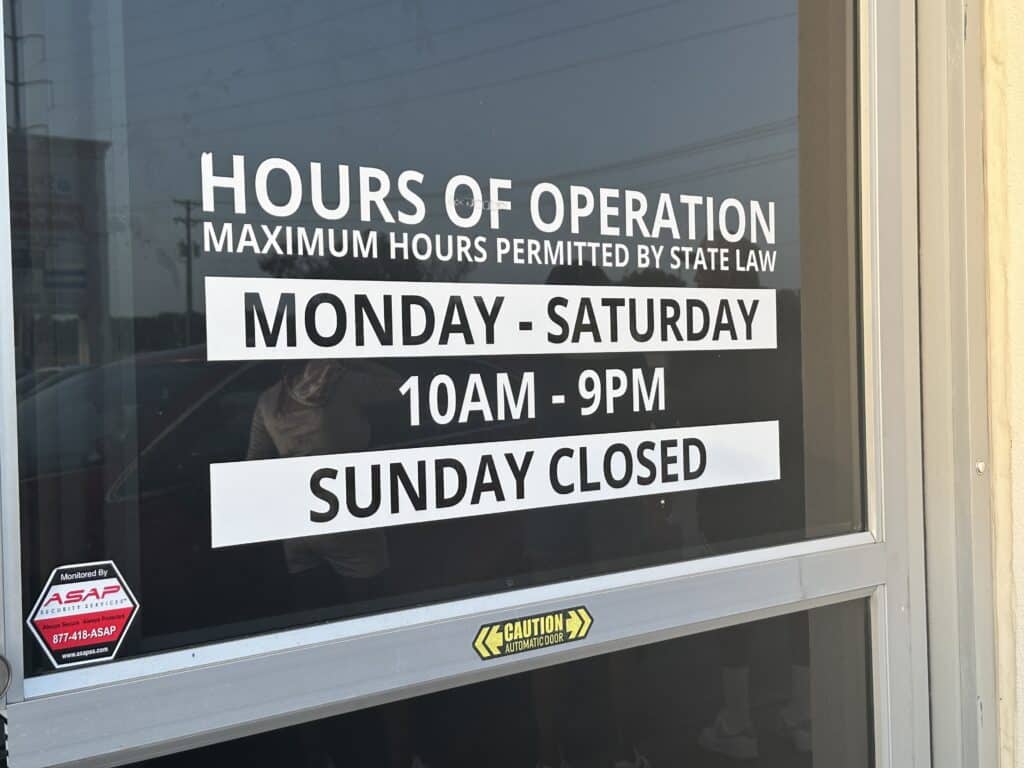
For most of Texas, the standard closing time for liquor stores and businesses selling alcohol for off-premise consumption is 9 PM. This means that by 9 o’clock in the evening, you should no longer be able to purchase beer, wine, or spirits from a retail location. Bars and restaurants, which sell alcohol for on-premise consumption, typically have a later closing time, often around 2 AM on weekdays and Saturdays, though this can vary significantly based on local regulations.
Sunday Sales: A More Complex Picture
Sunday liquor sales in Texas have historically been a more contentious issue, leading to a patchwork of regulations. The state allows alcohol sales on Sundays, but with specific time restrictions.
The “Blue Law” Legacy and Modern Adjustments
Texas has moved away from strict “blue laws” that prohibited most alcohol sales on Sundays, but some remnants remain. For off-premise sales, such as at liquor stores and grocery stores, alcohol can typically be purchased starting at noon on Sundays and must cease by 10 PM. This means you can enjoy a Sunday brunch with mimosas or pick up ingredients for a dinner party, but your shopping window is more limited than on other days.
On-Premise Consumption on Sundays
For bars, restaurants, and other establishments selling alcohol for consumption on-site, Sunday hours can be more flexible. While the state mandates a 2 AM closing time, individual establishments may choose to open earlier or close earlier on Sundays. It’s always a good idea to check with the specific venue you plan to visit, especially if you’re looking for early afternoon drinks or late-night entertainment.
Local Variations and Their Impact on Liquor Purchases
The true complexity of Texas liquor laws emerges when you consider the influence of local option elections. These elections allow voters within a specific municipality or county to decide on the legality and regulations of alcohol sales. This leads to the commonly heard terms: “dry,” “damp,” and “wet” areas.
“Dry,” “Damp,” and “Wet” Counties and Cities
- Dry: In a completely dry area, the sale of alcohol is prohibited. This means you won’t find any liquor stores, bars, or restaurants serving alcohol within these jurisdictions. This is less common in major metropolitan areas but can be found in some smaller towns and rural communities.
- Damp: A damp area allows for the sale of some types of alcohol but not others. For example, a county might be dry for hard liquor but wet for beer and wine. This can create interesting scenarios where you can buy a six-pack of beer at a convenience store but need to travel to a neighboring county for a bottle of whiskey.
- Wet: A wet area permits the sale of all types of alcohol, subject to the state and local operating hours. Most major cities and their surrounding suburbs in Texas are considered wet.

Navigating Local Ordinances for Travelers
For travelers exploring Texas, especially those venturing off the beaten path, it’s essential to research the local laws of your destination. If you’re staying at a resort in a particularly remote area or planning a road trip through various counties, a quick search for “[destination city] alcohol laws” or “[county name] liquor sales” can save you a trip to a closed store. For instance, if you’re visiting a historic landmark like the Alamo in San Antonio, you’ll find a very different alcohol sales environment compared to a small town in West Texas.
The Role of Different Establishment Types
The type of establishment where you intend to purchase alcohol also plays a significant role in determining the latest you can buy it.
Liquor Stores and Off-Premise Retailers
These are the businesses primarily selling alcohol for consumption elsewhere. As mentioned, the general rule for Texas liquor stores is that they must close by 9 PM on weekdays and Saturdays. On Sundays, this typically extends to 10 PM, starting from noon. This includes package stores, grocery stores, and convenience stores that are licensed to sell alcohol.
Bars, Restaurants, and On-Premise Establishments
Establishments where alcohol is consumed on the premises, such as bars, restaurants, and clubs, generally have later operating hours. The state allows them to serve alcohol until 2 AM from Monday through Saturday. On Sundays, while the state limit is also 2 AM, many of these venues may choose to operate with earlier closing times, or some may not sell alcohol at all on Sundays, depending on their local licenses and customer base.
Special Circumstances and Exceptions
While the general rules provide a framework, Texas liquor laws also account for special circumstances and certain exceptions that can affect purchasing times.
Holiday Sales
Holidays can sometimes bring about altered sales hours. While not a universal change, certain holidays might see extended hours for on-premise consumption or, in some cases, restricted sales. For example, on New Year’s Day, establishments are typically allowed to serve alcohol until 2 AM. However, specific holidays like Thanksgiving, Christmas, and the Fourth of July might have different rules depending on local ordinances and the type of establishment. It’s always wise to confirm with the venue directly if you are unsure about holiday alcohol sales.
Event Permits and Temporary Licenses
Large events, festivals, or private parties may obtain temporary permits that allow for alcohol sales outside of regular hours. These are typically issued by the TABC and are specific to the event and its location. If you are attending a special event at a venue like the Circuit of the Americas or a concert at Moody Center, the operating hours for alcohol sales might be extended beyond the typical limits, provided the event organizers have secured the necessary permits.
Manufacturer and Wholesaler Sales
The laws governing manufacturers (like breweries and distilleries) and wholesalers are distinct from those for retail sales. These entities operate under different licensing and regulations and are not typically subject to the same consumer-facing purchase cutoffs. However, their sales to licensed retailers still adhere to specific TABC guidelines.
Responsible Consumption and Further Information
Understanding Texas liquor laws is key to enjoying the state’s hospitality, from its vibrant culinary scene in Houston to its rich history in Fort Worth. Remember that these laws are in place to promote safety and responsible consumption.
For the most accurate and up-to-date information, especially regarding specific cities or counties, it is always recommended to consult the official Texas Alcoholic Beverage Commission (TABC) website or contact the local authorities in the area you plan to visit. Websites dedicated to travel in Texas, like this one, can also provide helpful summaries and tips for navigating local attractions and amenities. Whether you’re looking for a place to enjoy a craft beer in Fredericksburg or a sophisticated cocktail in a downtown Dallas hotel, being informed ensures a smoother and more enjoyable experience.
LifeOutOfTheBox is a participant in the Amazon Services LLC Associates Program, an affiliate advertising program designed to provide a means for sites to earn advertising fees by advertising and linking to Amazon.com. Amazon, the Amazon logo, AmazonSupply, and the AmazonSupply logo are trademarks of Amazon.com, Inc. or its affiliates. As an Amazon Associate we earn affiliate commissions from qualifying purchases.