
Embarking on a journey to the vast and diverse state of Texas is an exciting prospect for many travelers. Whether you’re planning a sun-drenched escape to the Gulf Coast, a deep dive into the rich history of San Antonio, or the vibrant energy of Dallas, understanding the duration of your flight is a crucial piece of the travel planning puzzle. This guide aims to provide a comprehensive overview of flight times to Texas, taking into account various departure points and offering insights relevant to your entire travel experience, from booking accommodations to immersing yourself in the local culture.

The Lone Star State, renowned for its sprawling landscapes, unique Tex-Mex cuisine, and a spirit of independence, is a popular destination for both domestic and international visitors. But the question of “how long is the flight to Texas?” doesn’t have a single, simple answer. It’s a question intricately woven with factors like your starting location, specific Texas destination, airline schedules, and even the type of aircraft. This article will delve into these variables, helping you to accurately estimate your travel time and plan your trip to Texas with confidence.
Understanding Flight Durations to Texas
The duration of your flight to Texas is primarily determined by your point of origin. Since Texas is a large state with multiple major airports, understanding which city you’re flying into is also essential. For instance, a flight to El Paso in West Texas will naturally take longer than a flight to Houston from a city in the eastern United States.
Domestic Flights
For travelers within the United States, flight times to Texas can vary significantly.
-
East Coast to Texas: Flights from cities on the East Coast, such as New York City, Washington D.C., or Miami, to major Texas hubs like Dallas/Fort Worth (DFW), Houston (IAH), or Austin (AUS) typically range from 3 to 4 hours. Direct flights are common and generally efficient. For example, a flight from JFK in New York to DFW is usually around 3.5 hours. Similarly, flying from Miami to Austin will likely be in the 3-hour to 3.5-hour range.
-
West Coast to Texas: Travelers originating from the West Coast, including cities like Los Angeles, San Francisco, or Seattle, will experience longer flight durations. Flights to Texas from these locations can range from 3.5 to 5 hours for direct flights. A flight from LAX to Houston might take approximately 4 hours, while a flight from Seattle to Austin could stretch to 4.5 to 5 hours. The vast geographical distance is the primary factor here.
-
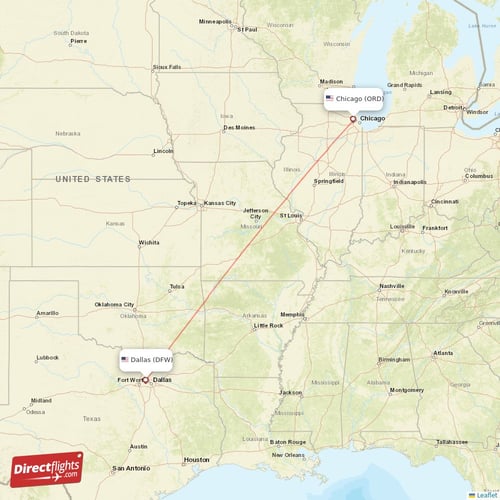
Midwest to Texas: For those in the Midwest, such as Chicago or Denver, flight times to Texas are generally moderate. You can expect flights to range from 2 to 3.5 hours. For instance, flying from O’Hare International Airport (ORD) in Chicago to Dallas is usually about a 2.5-hour flight.
-
Northeast to Texas: Similar to the East Coast, flights from the Northeast like Boston or Philadelphia to Texas will fall within the 3 to 4-hour bracket.
It’s important to note that these are estimates for direct flights. Flights with layovers will, of course, be considerably longer, adding transit time at intermediate airports. When booking, always check the total travel time, including any connection durations.
International Flights
For international travelers, flight times to Texas are naturally longer and depend heavily on the departure country.
-
Europe to Texas: Flying from major European cities like London, Paris, or Frankfurt to Texas typically involves direct flights lasting between 9 to 11 hours. For example, a flight from Heathrow Airport (LHR) in London to Dallas/Fort Worth International Airport (DFW) is approximately 9.5 to 10 hours. Flights to Houston from Europe will have similar durations. These long-haul flights often mean departing in the morning or afternoon and arriving in Texas in the evening.
-
Asia to Texas: Travelers from Asia, such as Tokyo or Seoul, will face the longest flight durations to Texas, often requiring at least one stop. Direct flights are rare. The total travel time, including layovers, can range from 18 to 25 hours or more. For instance, a journey from Tokyo to Austin with a layover in a West Coast city like Los Angeles could easily exceed 20 hours.

-
South America to Texas: Flights from South America, particularly from countries like Brazil or Colombia, to Texas generally range from 5 to 9 hours for direct flights. Cities like Miami or Fort Lauderdale in Florida often serve as convenient connection points for flights to Texas from South America, but direct routes to cities like Houston are also available.
-
Canada to Texas: For travelers from Canada, flight times to Texas are comparable to those from the northern United States. Direct flights from cities like Toronto or Vancouver to Texas can range from 3 to 5 hours, depending on the specific cities involved.
Factors Affecting Flight Times
Beyond geographical distance, several other factors can influence your flight duration to Texas:
- Wind Speed and Direction: Prevailing winds, especially at higher altitudes, can either shorten or lengthen flight times. This is a common variable in aviation that flight crews constantly monitor.
- Aircraft Type: Different aircraft have varying cruising speeds. While most commercial jets fly within a similar speed range, subtle differences can add or subtract a few minutes.
- Air Traffic Control: Congestion at major airports or along flight paths can lead to delays or require planes to fly at slower speeds or take longer routes.
- Non-stop vs. Connecting Flights: As previously mentioned, choosing a flight with layovers will significantly increase your total travel time. While sometimes more budget-friendly, connecting flights require careful consideration of layover durations.
Planning Your Texas Adventure: From Flight to Stay
Once you have a clearer picture of your flight duration, the next steps involve planning the rest of your trip to Texas. The state offers a remarkable array of experiences, catering to every type of traveler, from those seeking luxury resorts to budget-conscious adventurers.
Destinations and Attractions in Texas
Texas is a state of immense size and diversity, boasting a wide range of attractions. The specific destination you choose within Texas will influence not only your flight time but also the kind of experiences you can expect.
-
Major Cities:
- Houston: Known for its thriving space industry at Space Center Houston, world-class museums like the Museum of Fine Arts, Houston, and a vibrant culinary scene, Houston is a global hub. Its accessibility from various international points makes it a common entry point.
- Dallas: A city of modern skyscrapers, arts districts, and a rich historical narrative, Dallas offers attractions like the Sixth Floor Museum at Dealey Plaza and the Dallas Arts District. Dallas/Fort Worth International Airport (DFW) is one of the busiest airports in the world, offering extensive flight connections.
- Austin: The “Live Music Capital of the World,” Austin is famous for its eclectic music scene, outdoor activities on Lady Bird Lake, and its unique cultural vibe. Austin-Bergstrom International Airport (AUS) serves as a gateway to the city’s vibrant energy.
- San Antonio: Steeped in history, San Antonio is home to the iconic Alamo and the scenic River Walk, offering a blend of Tejano and Spanish influences.
- Fort Worth: Often considered Dallas‘s more traditional counterpart, Fort Worth offers a taste of the Old West with its Stockyards National Historic District and excellent museums.
-
Natural Wonders and Landmarks:
- Big Bend National Park: For nature enthusiasts, this vast park in West Texas offers stunning desert landscapes, mountain ranges, and the Rio Grande. Reaching Big Bend typically involves flying into Midland International Air and Space Port (MAF) or El Paso International Airport (ELP) and then driving.
- The Texas Hill Country: This picturesque region boasts rolling hills, wineries, and charming small towns like Fredericksburg, offering a more relaxed pace and scenic drives.
- Padre Island National Seashore: The longest undeveloped stretch of barrier island in the United States, offering beautiful beaches and opportunities for birdwatching and water sports. Flights would typically arrive in Corpus Christi (CRP).
Accommodation and Lifestyle in Texas
Your flight duration to Texas will influence how much time you have to explore, and consequently, how you choose to spend your time and where you’ll stay. Texas offers a wide spectrum of accommodation options and lifestyle experiences.
-
Hotels and Resorts: From luxury hotels in the heart of Dallas‘s uptown district to charming boutique hotels in Austin‘s South Congress area, and sprawling resorts along the Gulf Coast like those in Galveston, there are options for every preference and budget. Many major hotel chains, such as Marriott, Hilton, and Hyatt, have significant presences across Texas. For those seeking unique stays, consider exploring vacation rentals or apartments, especially for longer visits or family trips.
-
Experiences and Activities:
- Culinary Delights: Texas is a food lover’s paradise. Beyond the famous barbecue and Tex-Mex, explore diverse international cuisines in cities like Houston. Don’t miss sampling regional specialties and visiting local eateries.
- Cultural Immersion: Dive into Texas history by visiting missions in San Antonio, exploring the Texas State Capitol in Austin, or experiencing the cowboy culture in Fort Worth.
- Outdoor Adventures: Whether it’s hiking in Big Bend, kayaking on Lady Bird Lake, or relaxing on the beaches of South Padre Island, Texas offers ample opportunities for outdoor recreation.
- Live Music and Entertainment: Experience the vibrant music scene in Austin, catch a show in one of Dallas‘s many venues, or enjoy sporting events that Texas is famous for, from NFL games to NASCAR races.
-
Travel Styles:
- Luxury Travel: Texas boasts high-end hotels, fine dining establishments, and exclusive experiences. Cities like Dallas and Houston offer sophisticated shopping and world-class amenities.
- Budget Travel: It is possible to explore Texas on a budget by opting for more affordable accommodation, utilizing public transportation in larger cities, and seeking out free attractions and local, casual eateries.
- Family Trips: Texas is incredibly family-friendly, with attractions like theme parks, zoos, and interactive museums. Planning a trip that balances relaxation with engaging activities for all ages is key.
- Business Stays: For business travelers, Texas cities like Houston, Dallas, and Austin are major economic centers with excellent business infrastructure, including numerous hotels with extensive business amenities and convenient access to convention centers and corporate offices.
By considering your flight duration, understanding your chosen destination’s offerings, and aligning your travel style with available accommodations and activities, you can ensure a well-planned and unforgettable journey to Texas. The question of “how long is the flight to Texas?” is just the first step in a much larger, exciting travel narrative.
LifeOutOfTheBox is a participant in the Amazon Services LLC Associates Program, an affiliate advertising program designed to provide a means for sites to earn advertising fees by advertising and linking to Amazon.com. Amazon, the Amazon logo, AmazonSupply, and the AmazonSupply logo are trademarks of Amazon.com, Inc. or its affiliates. As an Amazon Associate we earn affiliate commissions from qualifying purchases.