
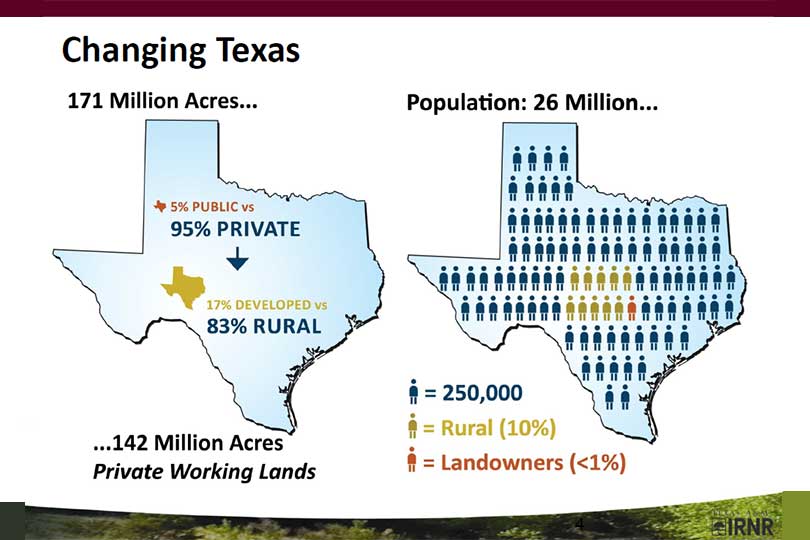
Texas conjures images of vast, expansive landscapes, stretching as far as the eye can see. It’s a state whose identity is intrinsically linked to its immense size, shaping its history, culture, and the very landmarks that define it. The sheer scale of the Lone Star State is a talking point, a source of pride, and a fundamental characteristic that distinguishes it on the map. But beyond the popular perception of “everything being bigger in Texas,” what are the actual numbers? How many acres truly comprise this iconic American landmark, and what does this staggering figure mean for its diverse natural features, historical sites, and famous places? Understanding Texas’s acreage is not just a statistical exercise; it’s a gateway to appreciating the depth and breadth of a truly colossal geographical and cultural entity. The answer, in round numbers, is approximately 171.9 million acres. This immense figure underlies everything from its ecological diversity to the sprawling nature of its iconic cities and the historical narratives etched into its soil.
The Colossal Footprint: Unveiling Texas’s True Size
To truly grasp the monumental scale of Texas, one must delve into the precise measurements that define its boundaries. It is a landmass so significant that it often serves as a point of reference for comparing other states and even entire nations, firmly establishing its place as a globally recognized landmark.
By the Numbers: Acres and Square Miles
Texas covers an astonishing 268,596 square miles (or 695,662 square kilometers), making it the second-largest state in the United States by area, surpassed only by Alaska. When translated into acres, this vast expanse equates to approximately 171,901,440 acres. To put this into perspective, Texas is larger than many European countries combined; it’s nearly twice the size of Germany, larger than France, and more than three times the size of England. Within the United States, Texas is so vast that one could fit all of New England, plus New York, Pennsylvania, and Ohio, within its borders with room to spare. This quantitative immensity is a foundational aspect of Texas’s identity as a significant global landmark.
A Legacy of Land: The Historical Context of Texas’s Borders
The enormous acreage of Texas is not merely a geographic accident but a product of a rich and often tumultuous history. Its current borders were largely shaped by critical events that underscore its status as a historical landmark. Following its independence from Mexico in 1836, the Republic of Texas claimed an even larger territory, stretching into parts of present-day New Mexico, Oklahoma, Kansas, Colorado, and Wyoming. The Annexation of Texas by the United States in 1845, and the subsequent Mexican-American War, solidified much of its western boundary. However, it was the Compromise of 1850 that established Texas’s modern configuration, with the state selling off its claims to what is now parts of other states in exchange for $10 million to pay off its debts. This historical narrative of land acquisition and border definition is integral to understanding Texas as a prominent geographical and historical landmark.
A Diverse Tapestry of Nature: Landscapes Defined by Immense Scale
The sheer number of acres in Texas directly translates into an incredible diversity of natural landscapes, each a unique natural landmark in its own right. From sun-drenched coastlines to arid deserts and towering mountains, the state offers a microcosm of nearly every major biome found within the continental United States. This vastness is what makes exploring Texas an ongoing adventure in natural discovery.
From Coastal Plains to Mountain Ranges
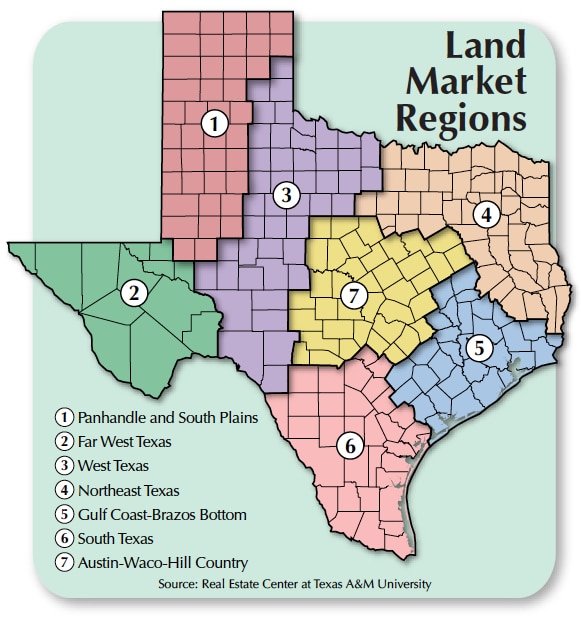
Texas’s immense acreage supports an astonishing array of ecoregions, making it a state of striking contrasts. The Gulf Coast Plains, stretching along the Gulf of Mexico, are characterized by barrier islands, sandy beaches, estuaries, and productive wetlands. Moving inland, the humid Piney Woods of East Texas resemble the southeastern United States with their dense forests of pine and hardwood, offering lush, green natural landmarks like the Big Thicket National Preserve.
Further west lie the Central Plains, where rolling prairies, grasslands, and oak savannas dominate, eventually transitioning into the expansive, flat high plains of the Texas Panhandle, part of the larger Great Plains region. Here, dramatic canyons like Palo Duro Canyon State Park carve through the landscape, serving as iconic natural landmarks. Finally, West Texas unveils the rugged beauty of the Basin and Range Province, an arid region of isolated mountain ranges, vast desert basins, and the formidable peaks of the Chisos Mountains within Big Bend National Park, one of the most stunning and remote natural landmarks in the country. Each of these distinct regions is a testament to the immense and varied canvas that Texas’s acreage provides.
Biodiversity Hotspot: Ecosystems Shaped by Acreage
The sheer scale of Texas allows for an incredible level of biodiversity, supporting a myriad of plant and animal species adapted to its diverse ecosystems. This ecological richness makes Texas a critical natural landmark for conservation and scientific study. From migratory birds nesting in the coastal marshes of Padre Island National Seashore to desert flora and fauna thriving in the Chihuahuan Desert of West Texas, the state’s vast lands provide essential habitats. The diverse landscapes also contribute to a wide range of agricultural outputs, from cattle ranching to cotton fields, further highlighting how the state’s acreage underpins its natural and economic character, transforming vast tracts into working landmarks.
Historical and Cultural Landmarks Spanning the Acres
The immense acreage of Texas has not only shaped its natural environment but has also served as the backdrop for centuries of human history, leading to an extraordinary collection of historical and cultural landmarks. From ancient Native American sites to the grand architectural statements of modern cities, every acre holds a story.
Footprints of History: Settlements and Struggles
The vastness of Texas allowed for the development of distinct cultures and historical narratives across its different regions. Indigenous peoples thrived here for millennia, leaving behind archaeological sites that serve as invaluable historical landmarks. With the arrival of European explorers, the Spanish established a network of missions, many of which stand today as profound historical landmarks. Mission San Antonio de Valero, famously known as The Alamo in San Antonio, is perhaps the most famous, a symbol of Texan independence. Other notable examples include Mission Concepcion and Mission Espada, part of the San Antonio Missions National Historical Park, a UNESCO World Heritage Site.
The later influx of American settlers, the fight for independence, and the subsequent Civil War left countless battlefields, historic homes, and town squares as poignant landmarks across the state. The oil boom of the early 20th century further transformed the landscape, creating new towns and fueling the growth of major cities, leaving an indelible mark on Texas’s industrial and urban historical fabric. Each of these historical layers is spread across the state’s massive acreage, waiting to be discovered.
Modern Marvels and Urban Landmarks
Within its vast borders, Texas boasts some of the largest and most dynamic cities in the United States, each a modern landmark in its own right. Houston, a global hub for energy and space exploration, features iconic landmarks like Space Center Houston and a distinctive skyline. Dallas, a center for business and culture, is home to the expansive Dallas Arts District and impressive architectural landmarks. Austin, the state capital, blends its “Keep Austin Weird” ethos with the grandeur of the Texas State Capitol building, another significant landmark. And San Antonio, with its deep historical roots, offers the charming San Antonio Riverwalk alongside its missions. The fact that these bustling metropolitan areas, each covering hundreds of square miles, still represent only a fraction of Texas’s total acreage underscores the extraordinary scale of the state.
Experiencing the Grandeur: Beyond the Numbers
Understanding the sheer number of acres in Texas provides a critical framework for truly appreciating the state. It explains why a drive from El Paso to Texarkana can take a full day or why the weather can be drastically different from one end of the state to the other. This vastness shapes every experience within its borders.
Appreciating the Scale Through Exploration
For those venturing into Texas, the acreage translates into an endless canvas for exploration. Its enormous size dictates that any comprehensive visit will require significant travel, allowing visitors to traverse distinct natural landmarks, delve into varied historical sites, and experience the unique cultural nuances of different regions. From hiking the trails of Big Bend National Park to exploring the historic streets of Galveston or admiring the futuristic architecture of Houston, each journey across Texas’s vast expanse offers a new perspective on its monumental character. The distances involved become part of the experience, emphasizing the immense scope of this land.
The Enduring Spirit of the Lone Star State
The colossal acreage of Texas is more than just a measurement; it’s a profound influence on the state’s very spirit. This land inspires a sense of grandeur, independence, and an enduring belief that “bigger is better.” It is this fundamental characteristic that solidifies Texas’s reputation as a multifaceted landmark – a geographical wonder, a rich historical tapestry, and a vibrant modern entity that continues to capture the imagination. The sheer physical presence of the state reinforces its “larger than life” identity, making it a place where big dreams and grand landscapes coexist.
In conclusion, the answer to “How Many Acres Are In Texas?” is a staggering 171.9 million acres. This figure is not merely a number but the foundation upon which the state’s identity as an iconic American landmark is built. It is this immense scale that creates its breathtaking natural diversity, provides the stage for its dramatic history, and fosters the expansive spirit that defines the Lone Star State. To truly know Texas is to understand its vastness, to appreciate how its colossal footprint shapes every corner of its remarkable landscape and history.
LifeOutOfTheBox is a participant in the Amazon Services LLC Associates Program, an affiliate advertising program designed to provide a means for sites to earn advertising fees by advertising and linking to Amazon.com. Amazon, the Amazon logo, AmazonSupply, and the AmazonSupply logo are trademarks of Amazon.com, Inc. or its affiliates. As an Amazon Associate we earn affiliate commissions from qualifying purchases.