
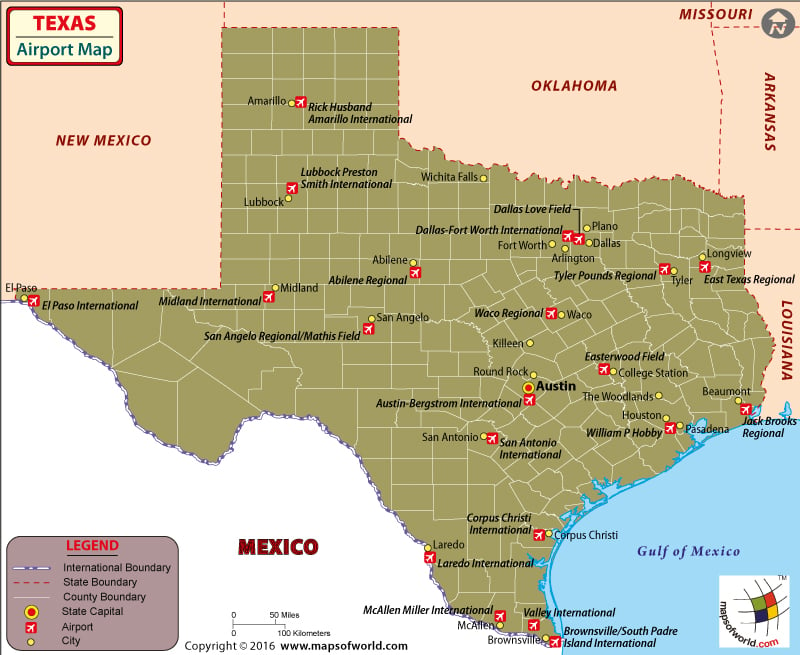
When planning a trip to the vibrant heart of Texas, understanding its transportation hubs is paramount. For many travelers, the initial question is often straightforward: “How many airports serve Dallas, Texas?” While the answer might seem simple, the reality of Dallas‘s aviation infrastructure reveals a layered system designed to cater to a diverse range of travel needs. Beyond the main gateway, a network of smaller airports and nearby facilities ensures that whether you’re arriving on a major international flight or a private jet, there’s an airfield ready to welcome you.
This exploration will delve into the primary airports serving the Dallas metropolitan area, shedding light on their unique roles, the types of travel they facilitate, and what passengers can expect upon arrival. We’ll also touch upon the broader Dallas-Fort Worth (DFW) metropolitan area’s significant aviation footprint, providing a comprehensive overview for any traveler seeking to navigate this bustling region of Texas.

The Premier Gateway: Dallas/Fort Worth International Airport (DFW)
The undisputed titan of air travel in the Dallas region is the colossal Dallas/Fort Worth International Airport (DFW). This sprawling international airport is not just an airport; it’s a city within a city, consistently ranking among the busiest airports in the world by passenger traffic and aircraft movements. Situated strategically between the urban centers of Dallas and Fort Worth, DFW serves as a critical hub for numerous airlines, most notably American Airlines.
A Hub for Global and Domestic Connectivity
DFW is a primary hub for American Airlines, meaning it’s a central point for connecting flights across the United States and to international destinations. For travelers flying with American Airlines or its partners, DFW is often their entry or exit point, facilitating seamless transfers. The airport boasts five passenger terminals, each designed with passenger flow and airline operations in mind. These terminals are interconnected by the Airport’s Skylink train system, making navigation between gates and terminals efficient and convenient.
The sheer scale of DFW is impressive. With over 1,800 daily flights, it connects Dallas to hundreds of destinations worldwide. This makes it an essential gateway for business travelers, international tourists, and those visiting friends and family across the globe. The airport’s robust infrastructure includes extensive runways, cargo facilities, and a vast array of services and amenities designed to enhance the passenger experience. From a wide selection of dining options, including local Texan favorites and international cuisine, to retail outlets and lounges, DFW aims to make the journey as comfortable as possible.
Beyond the Basics: Services and Amenities at DFW
For those considering accommodation near DFW, the airport and its immediate surroundings offer a plethora of options. Numerous hotels are located on-site and within a short shuttle ride, catering to various budgets and preferences, from luxury suites to more budget-friendly stays. These hotels are particularly useful for travelers with early morning departures, late-night arrivals, or extended layovers. Many of these establishments provide amenities like complimentary airport shuttles, on-site dining, and business centers, making them ideal for both leisure and business stays.
The Dallas/Fort Worth International Airport is more than just a place to catch a flight; it’s a crucial economic engine for the region and a significant contributor to Texas‘s tourism industry. Its efficient operations and extensive network of flights are fundamental to the region’s connectivity and its appeal as a major destination for both domestic and international visitors. The airport’s continuous development and expansion projects ensure it remains at the forefront of aviation technology and passenger service, solidifying its position as the primary air travel gateway for Dallas and beyond.
The Secondary Player: Dallas Love Field Airport (DAL)
While DFW handles the lion’s share of air traffic, Dallas Love Field Airport (DAL) plays a significant and vital role, particularly for domestic travel within the United States. Located closer to Dallas‘s downtown core, Love Field offers a more convenient and often a more intimate airport experience for many residents and visitors.
A Focus on Domestic Routes and Southwest Airlines

Dallas Love Field is predominantly known as a major operating base for Southwest Airlines. This airline’s strong presence at DAL means that a significant portion of its domestic flight network originates from or passes through Dallas. For travelers seeking to fly domestically, particularly within Texas or to popular destinations across the United States, Love Field often presents a compelling alternative to DFW, offering competitive fares and a more streamlined boarding process.
The airport’s proximity to Dallas‘s central business district, the Arts District, and various popular attractions makes it a preferred choice for many travelers whose primary destination is the city itself. This convenience translates into reduced travel time to and from the airport, which can be a significant factor when considering flight options. Love Field features a single, modern terminal, which contributes to its reputation for ease of navigation and a less overwhelming atmosphere compared to larger international airports.
Convenience and Local Flavor
The services and amenities at Dallas Love Field are tailored to its role as a primary domestic airport. While it may not boast the sheer breadth of international dining options found at DFW, it still offers a good selection of eateries and retail outlets catering to travelers. The focus is on efficiency and convenience, ensuring passengers can quickly access their flights and enjoy a hassle-free journey.
For those looking for accommodation in the vicinity of Love Field, there are numerous hotels situated within easy reach. These range from comfortable, mid-range hotels to boutique options, many of which offer shuttle services to the airport and provide convenient access to Dallas‘s downtown and surrounding neighborhoods. The choice between DFW and DAL often comes down to the airline a traveler prefers, their specific destination, and their desire for proximity to Dallas‘s urban core. Love Field represents a vital artery for Dallas‘s domestic travel, connecting residents and visitors efficiently to numerous cities across the United States.
Exploring the Wider Dallas-Fort Worth Aviation Landscape
Beyond the two primary airports, the Dallas-Fort Worth (DFW) metropolitan area benefits from a robust network of general aviation airports. These smaller facilities cater to a different segment of air travel, primarily private aircraft, charter flights, and flight training. While not typically used by the average commercial traveler, they are integral to the region’s overall aviation ecosystem and its appeal to a diverse range of users, including those seeking luxury travel or specialized flight experiences.
General Aviation Airports: Serving Niche Travel Needs
Several smaller airports dot the Dallas-Fort Worth landscape. These include facilities like Dallas Executive Airport (RBD), Addison Airport (ADS), and Fort Worth Meacham International Airport (FTW), among others. These airports are crucial for the business aviation sector, allowing companies to fly private jets directly to their desired locations. They also serve as bases for flight schools, aircraft maintenance operations, and recreational aviation.
For travelers who can afford or require the services of private charters, these general aviation airports offer a distinct advantage. They often provide a more personalized and expedited experience, bypassing the crowds and extensive security procedures of larger commercial airports. This can be particularly appealing for those prioritizing efficiency, privacy, and a tailored travel experience, aligning with the principles of luxury travel. The presence of these airports enhances the overall attractiveness of the Dallas region for businesses and individuals who rely on private air transportation.
The Importance of the Entire Network
Understanding the full scope of airports serving Dallas means acknowledging these smaller, specialized facilities. They contribute to the economic vitality of the region by supporting businesses that rely on aviation and by providing essential services to pilots and aircraft owners. While the average tourist might only interact with DFW or DAL, the broader aviation infrastructure is what truly makes Dallas a well-connected and accessible destination from a multitude of perspectives.
These general aviation airports also indirectly support tourism by facilitating business travel that can lead to increased investment and development in the area. They are part of the intricate web that makes the Dallas-Fort Worth metroplex a dynamic and thriving hub in Texas. For those interested in the deeper dive of Texas travel, recognizing these ancillary airports provides a more complete picture of the region’s comprehensive approach to air connectivity.
In conclusion, the answer to “How many airports in Dallas, Texas?” is not a single number but a description of a multifaceted aviation network. Primarily, Dallas/Fort Worth International Airport (DFW) serves as the main international gateway, offering extensive global and domestic connections. Dallas Love Field Airport (DAL) provides a convenient and streamlined option for domestic travel, especially for Southwest Airlines passengers. Complementing these major hubs are several general aviation airports that cater to private and charter flights, rounding out a comprehensive aviation landscape that supports the diverse travel and lifestyle needs of the Dallas metropolitan area. Whether you’re planning a grand resort getaway, a quick business trip, or a family adventure, Dallas is well-equipped to welcome you through its various skyward portals.
LifeOutOfTheBox is a participant in the Amazon Services LLC Associates Program, an affiliate advertising program designed to provide a means for sites to earn advertising fees by advertising and linking to Amazon.com. Amazon, the Amazon logo, AmazonSupply, and the AmazonSupply logo are trademarks of Amazon.com, Inc. or its affiliates. As an Amazon Associate we earn affiliate commissions from qualifying purchases.