
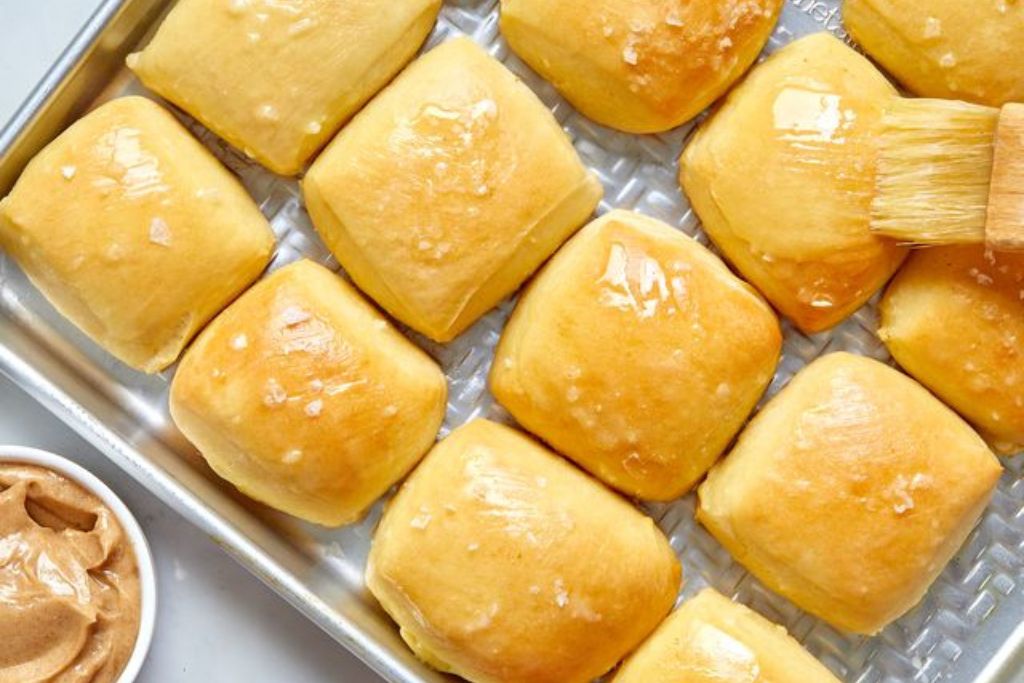
When the craving hits for something undeniably delicious, a Texas Roadhouse roll often springs to mind. These warm, soft, and slightly sweet rolls, served with dollops of cinnamon honey butter, are a signature of the popular American steakhouse chain. They are a delightful appetizer, a perfect accompaniment to any meal, and for many, a reason in themselves to visit. However, for those keeping a close eye on their dietary intake, particularly carbohydrate consumption, a burning question arises: how many carbs are actually in a Texas Roadhouse roll?
This question isn’t just for the strictly health-conscious; it’s also relevant to travelers exploring different cuisines and food cultures. Understanding the nutritional breakdown of popular menu items can enhance the travel experience, allowing individuals to make informed choices that align with their lifestyle and well-being, whether they are indulging in a hearty meal during a vacation in Texas or simply enjoying a local dining experience.

Understanding the Texas Roadhouse Roll: Beyond the Carb Count
The allure of the Texas Roadhouse roll lies not just in its taste but in the experience it represents. It’s a symbol of generous portions, down-home cooking, and a welcoming, albeit sometimes noisy, atmosphere. These rolls are baked fresh daily, contributing to their irresistible aroma and taste. The accompanying cinnamon honey butter, a crucial element of the roll’s appeal, adds not only flavor but also fat and sugar, further impacting the overall nutritional profile.
The Nutritional Landscape of a Single Roll
Pinpointing an exact carb count for a Texas Roadhouse roll can be challenging due to several factors. Restaurants, by their nature, may have slight variations in ingredient measurements and preparation methods from one location to another. Furthermore, the size of individual rolls can differ. However, based on available nutritional information and estimations, a single, standard Texas Roadhouse roll typically contains a significant amount of carbohydrates.
On average, one Texas Roadhouse roll is estimated to contain approximately 30-35 grams of carbohydrates. This figure includes carbohydrates from the flour used in the dough, as well as any sugar that might be incorporated into the recipe itself. It’s important to note that this is for the roll alone, without the cinnamon honey butter.
When you factor in the generous serving of cinnamon honey butter, the carbohydrate count will increase. While the butter itself is primarily fat, the “honey” component introduces added sugars, which are a form of carbohydrate. A typical serving of cinnamon honey butter can add an additional 5-10 grams of carbohydrates to your roll, bringing the total for a roll with butter to potentially 35-45 grams of carbohydrates.
Why the Carb Count Matters to Travelers and Food Enthusiasts
For many travelers, food is an integral part of experiencing a new destination. From the street food of Bangkok to the fine dining in Paris, exploring local culinary traditions is a key aspect of tourism. However, dietary needs and preferences don’t disappear when one is on the go.
Individuals following a low-carb diet, such as the ketogenic diet, or those managing conditions like diabetes, need to be mindful of carbohydrate intake regardless of their location. For them, knowing the carb count of popular dishes is essential for planning meals and staying within their dietary goals. The Texas Roadhouse roll, with its substantial carb content, would be considered a treat to be enjoyed in moderation, or perhaps avoided altogether, depending on the strictness of their diet.
Beyond strict dietary plans, many people are simply becoming more aware of what they consume. Understanding the nutritional value of food allows for a more balanced approach to eating, even when indulging in comfort foods. It’s about making conscious choices that contribute to overall well-being, even while enjoying the pleasures of travel and dining out.
Navigating Dietary Choices While Exploring Culinary Destinations
The world of travel is rich with culinary adventures, and understanding the food you encounter is part of the journey. Whether you’re visiting iconic landmarks or exploring local eateries, making informed dietary decisions can significantly enhance your experience.

The Role of Food in Local Culture and Tourism
Food is a universal language and a powerful gateway to understanding local culture. In many destinations, specific dishes are deeply intertwined with history, traditions, and daily life. For instance, trying authentic Neapolitan pizza in Naples is not just about the taste; it’s about engaging with centuries of culinary heritage. Similarly, experiencing the diverse flavors of Mexican cuisine in Oaxaca offers a profound glimpse into the region’s identity.
When you travel, you’re often presented with opportunities to sample a wide array of foods. Some of these might be high in carbohydrates, such as pasta dishes in Italy, rice-based meals in Asia, or traditional pastries in Europe. For those managing their carb intake, this presents a unique challenge.
Strategies for Managing Carbohydrate Intake While Traveling
Navigating the culinary landscape while managing carbohydrate intake requires a proactive approach. Here are some strategies that can be employed:
- Research Ahead: Before your trip, research common dishes and their typical ingredients in your destination. Many travel blogs and food guides offer insights into local cuisines and can even highlight lower-carb options or traditional preparations. For example, if you’re heading to Japan, you might research the carb content of different types of sushi or explore options like sashimi.
- Prioritize Protein and Healthy Fats: When faced with carbohydrate-heavy meals, focus on enjoying the protein components. A steak at Texas Roadhouse, for example, is a good source of protein and fat. You can pair it with a side salad or a non-starchy vegetable like steamed broccoli, which are typically lower in carbs.
- Portion Control: Even if a dish contains carbohydrates, you can often control your intake by managing your portion size. Share dishes with travel companions, or opt for smaller appetizers.
- Be Mindful of Sauces and Dressings: Many sauces, marinades, and dressings are loaded with hidden sugars and starches. Ask for them on the side, or opt for simpler preparations like olive oil and vinegar.
- Embrace Local Produce: Most regions offer an abundance of fresh fruits and vegetables. These are generally excellent sources of fiber and nutrients with fewer carbohydrates than processed foods or starchy staples.
- Stay Hydrated: Drinking plenty of water can help manage hunger and metabolism. Sometimes, thirst can be mistaken for hunger, leading to unnecessary snacking.
- Consider Dedicated Low-Carb Options: In major tourist hubs, you might find restaurants that cater to specific dietary needs, including low-carb or keto-friendly menus. These can be a lifesaver when you need a predictable meal.
Even when traveling to a place like the United States, where fast-casual chains like Texas Roadhouse are prevalent, understanding the nuances of their offerings is key. While the rolls are a tempting indulgence, a traveler focused on their carb count can still enjoy a satisfying meal by making strategic choices.
Beyond the Roll: Exploring the Broader Culinary Experience
The Texas Roadhouse experience, much like many travel destinations, is about more than just one specific item. It’s about the ambiance, the company, and the overall dining journey. While the carb count of a roll is a valid point of interest for some, it’s also worth considering the broader context of dining while exploring.
Accommodations and Lifestyle Choices
The type of accommodation you choose can also influence your dining habits and, consequently, your awareness of nutritional content. Staying in a suite or villa with a kitchenette, for example, offers the flexibility to prepare some of your own meals. This can be particularly beneficial for those with strict dietary requirements. You might choose to buy fresh produce from a local market in Florence and prepare a low-carb salad for breakfast, or grill some lean protein at your resort in the Caribbean.
Luxury travel often provides access to higher-end dining experiences where chefs are more likely to accommodate specific dietary requests. You might find that a restaurant within a prestigious hotel like the Ritz Paris is happy to adjust a dish to be lower in carbohydrates. Conversely, budget travel might involve more casual dining and a greater need for awareness regarding readily available options.
Landmarks, Nature, and Balanced Indulgence
When you’re exploring famous landmarks like the Eiffel Tower or marveling at the natural beauty of Banff National Park, the focus is often on the experience itself. While enjoying the sights, it’s perfectly normal to indulge in local treats. The key is balance. A single Texas Roadhouse roll, or a slice of rich cake in a Viennese café, can be part of a memorable travel experience without derailing your overall dietary goals, as long as it’s an intentional choice.
The lifestyle of a traveler is dynamic. Some may embark on extensive family trips, seeking kid-friendly restaurants and activities. Others might be on business stays, prioritizing efficiency and perhaps healthier, quicker options. Regardless of the travel style, the desire to enjoy food remains a constant. Understanding the nutritional profile of popular items, like the carb content of a Texas Roadhouse roll, empowers individuals to make informed decisions that align with their personal lifestyle and wellness objectives, ensuring that every meal, whether at a familiar steakhouse or an exotic locale, contributes positively to their overall travel narrative.
LifeOutOfTheBox is a participant in the Amazon Services LLC Associates Program, an affiliate advertising program designed to provide a means for sites to earn advertising fees by advertising and linking to Amazon.com. Amazon, the Amazon logo, AmazonSupply, and the AmazonSupply logo are trademarks of Amazon.com, Inc. or its affiliates. As an Amazon Associate we earn affiliate commissions from qualifying purchases.