
Texas, the Lone Star State, is a land of immense diversity, from its sprawling deserts and rolling hills to its bustling cities and extensive coastline. When one pictures the natural beauty of Texas, images of vast prairies, rugged mountains, or even the Gulf Coast often come to mind. Yet, a striking feature of its landscape is the prevalence of lakes, serving as vital resources for communities, havens for wildlife, and playgrounds for recreation. The sheer number of these aquatic bodies might lead one to believe they are all gifts of nature, etched into the earth over millennia. However, the reality is quite different and reveals a fascinating story of geology, climate, and human ingenuity. The answer to “how many lakes in Texas are natural?” is surprising: very few, with one prominent exception standing out as a true natural wonder amidst a landscape largely sculpted by human hands.
The Scarcity of Natural Lakes in the Lone Star State
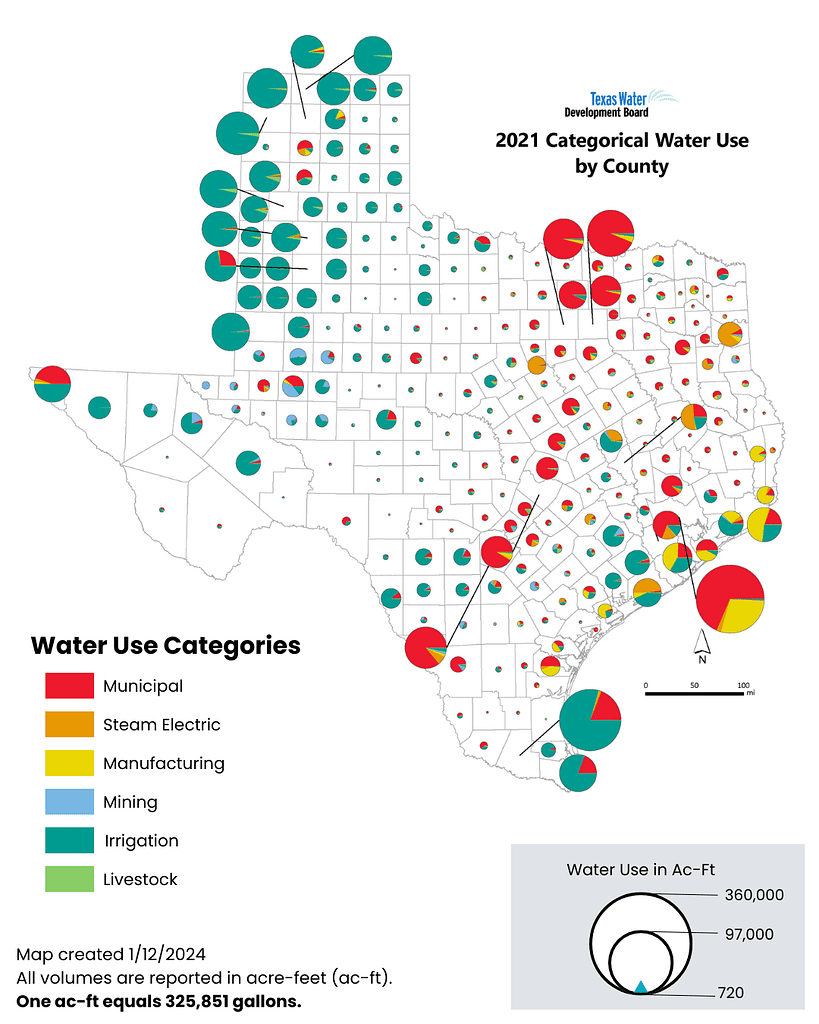
At first glance, the notion that most of Texas’s lakes are man-made might seem counterintuitive, given the state’s vastness and diverse topography. However, a deeper understanding of Texas’s geological history, climate patterns, and soil composition explains this phenomenon. Unlike regions with glacial activity that carved out numerous lake basins, Texas lacks this geological legacy. The majority of the state’s landmass is characterized by relatively stable, ancient geological formations that do not easily form natural depressions conducive to long-term water retention.
Geological and Climatic Factors
The primary reasons for the rarity of natural lakes in Texas can be attributed to several interacting factors. Geologically, the state’s bedrock, consisting largely of limestone, sandstone, and shale, tends to drain water rather than hold it in large, permanent basins. Furthermore, the semi-arid to arid climate that characterizes significant portions of Texas, particularly the western and central regions, results in high evaporation rates. Even where depressions might form, the inconsistent rainfall and intense summer heat quickly diminish any standing water, preventing the formation of permanent natural lakes. The soil in many areas is also permeable, allowing water to seep into the ground rather than accumulate on the surface. These conditions collectively create an environment where truly natural, permanent lakes are an anomaly rather than the norm.
Defining “Natural”: Oxbows, Playa Lakes, and Ephemeral Ponds
When discussing “natural” lakes, it’s crucial to define what truly qualifies. Most geologists and hydrologists consider a natural lake to be a body of standing water that forms without human intervention, typically through geological processes such as glacial carving, volcanic activity, or riverine meandering. In Texas, the few truly natural lakes fall primarily into two categories: oxbow lakes and playa lakes.
Oxbow lakes are formed when a meander in a river is cut off from the main channel, often during flood events, leaving a crescent-shaped body of water. These are naturally occurring but tend to be relatively small and can eventually dry up or fill in with sediment over time. They are true products of fluvial dynamics and represent the classic natural lake type in riverine environments.
Playa lakes, on the other hand, are characteristic of the High Plains of Texas and other arid regions. These are shallow, often circular depressions that fill with water during heavy rains, creating temporary wetlands. They are crucial for migratory birds and local wildlife, serving as vital watering holes and breeding grounds. However, most playa lakes are ephemeral, drying out completely during drought periods, and thus are not permanent bodies of water in the conventional sense of a lake. While ecologically significant, their intermittent nature means they don’t quite fit the common perception of a sprawling, permanent lake.
Beyond these, there are numerous small, ephemeral ponds and wetlands that dot the landscape, especially after significant rainfall. While natural, their temporary existence and limited size differentiate them from the grand, permanent lakes that people typically imagine.
Caddo Lake: Texas’s One True Natural Gem
Amidst the vastness of Texas, a single, majestic body of water stands out as the state’s only large, naturally formed lake: Caddo Lake. Located on the border between Texas and Louisiana, Caddo Lake is a truly unique natural landmark, renowned for its mystical beauty and ecological richness.
A Unique Ecosystem on the Border
The formation of Caddo Lake is attributed to a combination of geological subsidence and a natural logjam known as the “Great Raft” on the Red River. Over centuries, this massive accumulation of timber, sediment, and debris created a natural dam, backing up water into the existing lowlands and forming the sprawling lake we see today. While human intervention later played a role in managing the lake’s water levels (a dam was built in the early 20th century to aid navigation and eventually to maintain water levels after the Great Raft was removed), its fundamental existence and initial formation were entirely natural processes. This makes Caddo Lake a rare exception in Texas’s aquatic landscape.
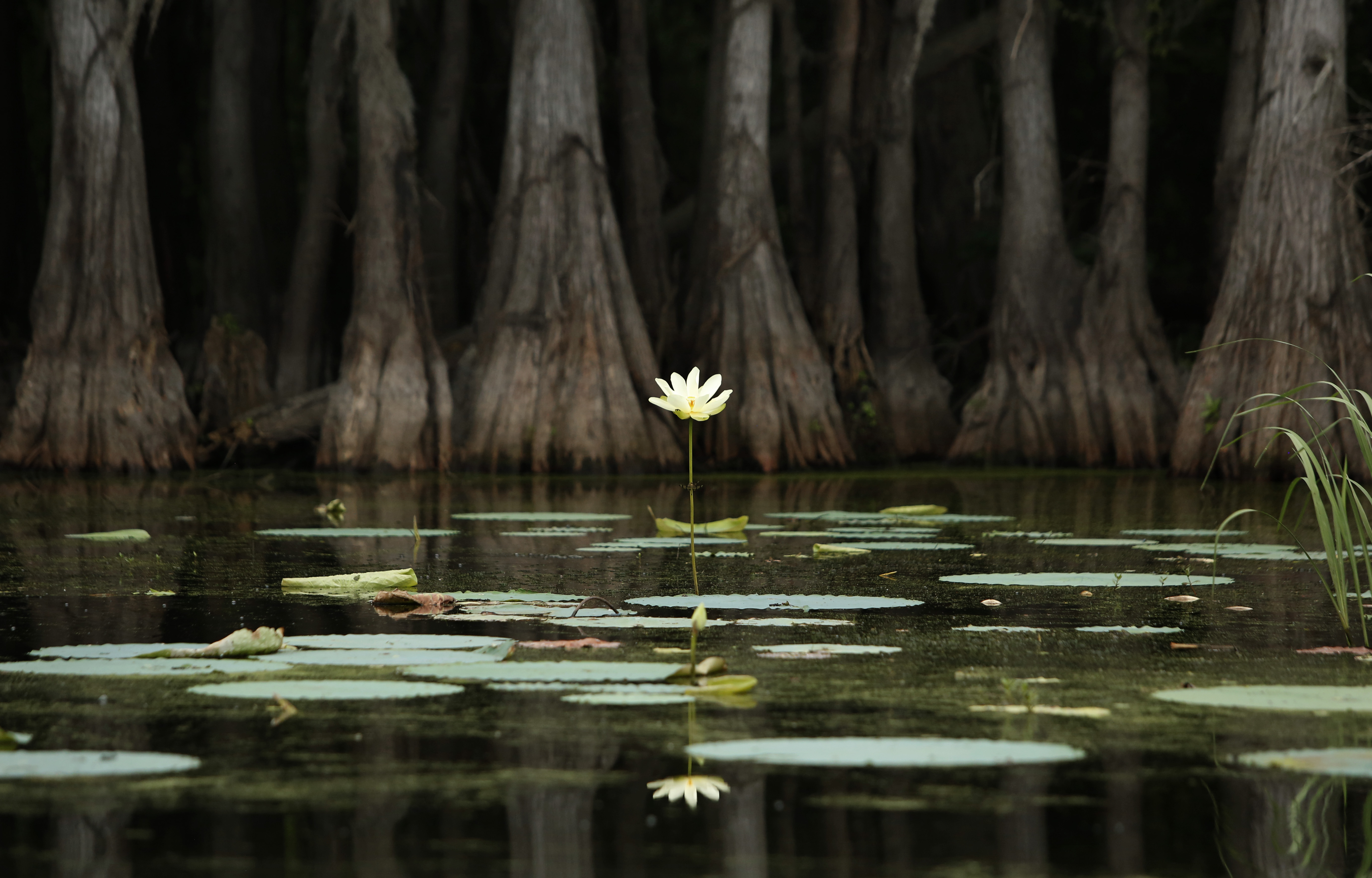
What truly sets Caddo Lake apart is its unparalleled ecosystem. It is a labyrinth of bayous, swamps, and wetlands, dominated by ancient cypress trees draped in Spanish moss, creating an ethereal and otherworldly atmosphere. This dense cypress forest, with its knees rising from the murky waters, provides a habitat for an incredible diversity of wildlife. Over 70 species of fish, numerous reptiles (including alligators), amphibians, and hundreds of bird species call Caddo Lake home. It is recognized as a wetland of international importance under the Ramsar Convention, underscoring its global ecological significance.
Exploring the Mystique of Caddo Lake
For visitors, Caddo Lake offers an immersive experience into a truly wild Texas. Its status as a natural landmark is celebrated through its designation as a State Park and a National Wildlife Refuge. Activities like fishing, kayaking, canoeing, and guided boat tours allow visitors to explore its intricate waterways and witness its rich biodiversity firsthand. The sense of mystery and tranquility found here is unparalleled in the state, making it a powerful testament to natural geological and ecological processes. It’s a place where one can truly connect with the untamed side of Texas, marveling at its ancient trees and the silent glide of an alligator through the water.
The Legacy of Human Ingenuity: Texas’s Reservoir System
While Caddo Lake represents the natural aquatic heritage of Texas, the vast majority of the state’s other numerous lakes are the result of deliberate human engineering. These man-made lakes, often referred to as reservoirs, are not merely incidental; they are fundamental to the state’s survival and prosperity, addressing critical needs that natural processes simply could not fulfill.
Why Texas Relies on Man-Made Lakes
The reliance on reservoirs in Texas stems from a combination of geographical, climatic, and demographic factors. The state experiences significant variations in rainfall, with areas prone to drought and others vulnerable to flooding. To manage these extremes and ensure a stable water supply for its rapidly growing population, agriculture, and industry, a robust system of water storage was essential. Reservoirs serve multiple crucial purposes:
- Water Supply: They capture and store rainwater and river flow, providing drinking water for millions of Texans.
- Flood Control: Dams that create reservoirs help to regulate river flows, mitigating the devastating impact of floods on downstream communities.
- Irrigation: They supply water to agricultural lands, supporting Texas’s vast farming and ranching industries.
- Hydroelectric Power: Some reservoirs are equipped with power-generating facilities, contributing to the state’s energy supply.
- Recreation: Unexpectedly, these man-made bodies of water have become popular recreational hubs, offering opportunities for boating, fishing, swimming, and lakeside leisure.
Without this extensive network of reservoirs, life in modern Texas as we know it would be impossible. They are monuments to human problem-solving, transforming the landscape to support a thriving society.
Major Reservoirs and Their Impact
Texas is home to over 100 major reservoirs, each contributing significantly to the state’s infrastructure and lifestyle. These artificial lakes, though not natural in origin, have become iconic landmarks and vital components of their respective regions.
- Lake Travis: Located west of Austin, Lake Travis is one of the most popular recreational lakes in Central Texas, known for its clear waters, steep cliffs, and vibrant boating scene. It’s part of the Highland Lakes chain on the Colorado River.
- Lake Texoma: Straddling the Texas-Oklahoma border, Lake Texoma is one of the largest reservoirs in the United States by surface area. It’s a prime destination for fishing, particularly for striped bass, and offers extensive camping and resort facilities.
- Lake Lewisville: North of Dallas, Lake Lewisville is a crucial water source for the Dallas-Fort Worth metroplex and a bustling hub for water sports, fishing, and picnicking.
- Sam Rayburn Reservoir: Located in East Texas, this reservoir is the largest lake entirely within Texas and is renowned as a premier bass fishing destination, attracting anglers from across the country.
- Toledo Bend Reservoir: Shared with Louisiana, it is the largest man-made lake in Texas by surface area, providing power generation, water supply, and extensive recreation.
These examples represent just a fraction of Texas’s reservoir system, each with its own story and vital role in the regional economy and lifestyle. They are testament to how human intervention, when planned thoughtfully, can create new natural-feeling environments that serve multiple purposes, blurring the lines between nature and infrastructure.
The Ecological and Economic Significance of Texas Lakes
Whether natural or man-made, the lakes of Texas are far more than just bodies of water; they are dynamic ecosystems and powerful economic engines, shaping both the environment and human activity across the state.
Biodiversity and Conservation
The presence of water, regardless of its origin, creates an immediate magnet for life. Texas’s lakes, both Caddo Lake’s ancient bayous and the modern reservoirs, support a remarkable array of biodiversity. They provide critical habitats for fish species, migratory birds, amphibians, reptiles, and various aquatic plants. These watery landscapes act as essential stopover points on migratory flyways, breeding grounds for numerous species, and year-round homes for local wildlife.
Conservation efforts around these lakes are paramount. Protecting water quality, managing invasive species, and preserving riparian zones are ongoing challenges and priorities for state agencies like the Texas Parks and Wildlife Department and local conservation groups. The health of these aquatic landmarks directly impacts the ecological balance of the broader region, making their preservation a continuous endeavor.
Recreation and Tourism
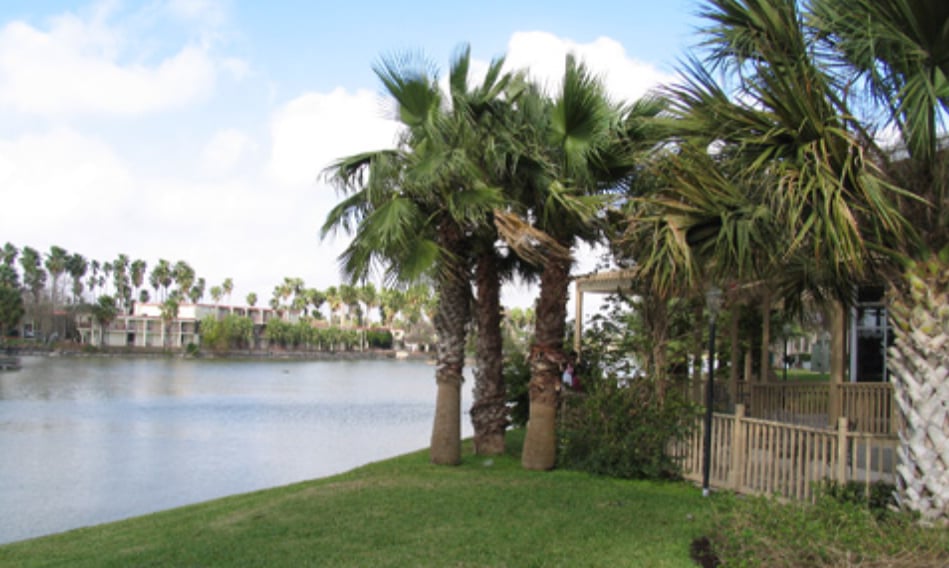
Beyond their ecological importance, Texas’s lakes are major attractions for recreation and tourism, solidifying their status as popular landmarks. They draw millions of visitors annually, eager to engage in a wide range of water-based activities. Boating, fishing, swimming, kayaking, paddleboarding, and jet-skiing are commonplace, especially during the long, hot Texas summers. The shores of many lakes are lined with parks, campgrounds, vacation homes, and resorts, catering to weekend getaways and extended vacations.
This recreational appeal translates into significant economic benefits for local communities. The tourism industry around these lakes supports countless businesses, from marinas and tackle shops to restaurants and hotels, generating jobs and revenue. The ability to escape to a serene lakeside setting or enjoy thrilling water sports makes these lakes indispensable assets to the Texas lifestyle, even if most are engineered rather than naturally occurring. They have become ingrained in the state’s identity as places of leisure and natural beauty, irrespective of their origins.
In conclusion, while the majestic and mysterious Caddo Lake stands as Texas’s primary large natural lake, a true anomaly shaped by unique geological forces, the vast majority of the state’s aquatic landmarks are impressive feats of human engineering. These hundreds of reservoirs, born out of necessity, have transformed the landscape, providing essential resources and creating vibrant recreational hubs. They underscore a fascinating dynamic where human ingenuity has not just adapted to nature, but has actively reshaped it to sustain and enrich life in the Lone Star State. Whether sculpted by ancient rivers or modern dams, each lake contributes significantly to the unique character and enduring appeal of Texas.
LifeOutOfTheBox is a participant in the Amazon Services LLC Associates Program, an affiliate advertising program designed to provide a means for sites to earn advertising fees by advertising and linking to Amazon.com. Amazon, the Amazon logo, AmazonSupply, and the AmazonSupply logo are trademarks of Amazon.com, Inc. or its affiliates. As an Amazon Associate we earn affiliate commissions from qualifying purchases.