
The vastness of Texas is a topic that often sparks curiosity and conjures images of endless horizons, sprawling ranches, and a spirit as big as the state itself. When contemplating a journey across the Lone Star State, a fundamental question arises: “How many miles is it across Texas?” The answer, however, is not as simple as a single number. Texas is a behemoth, and its sheer size necessitates a nuanced understanding of its dimensions. This article delves into the geographical realities of Texas, exploring its east-to-west and north-to-south extents, and considering what it truly means to traverse this iconic American state, all while keeping in mind the diverse travel, accommodation, and lifestyle experiences it offers.
The Monumental Dimensions of Texas
Texas is the second-largest state in the United States by both area and population. Its immense landmass, stretching from the Piney Woods of East Texas to the arid deserts of West Texas, and from the fertile plains of North Texas to the Gulf Coast in the south, presents a significant undertaking for any traveler aiming to cross it. Understanding these dimensions is crucial for planning road trips, estimating travel times, and appreciating the sheer scale of the landscapes one might encounter.
East to West: A Journey Through Diverse Terrains
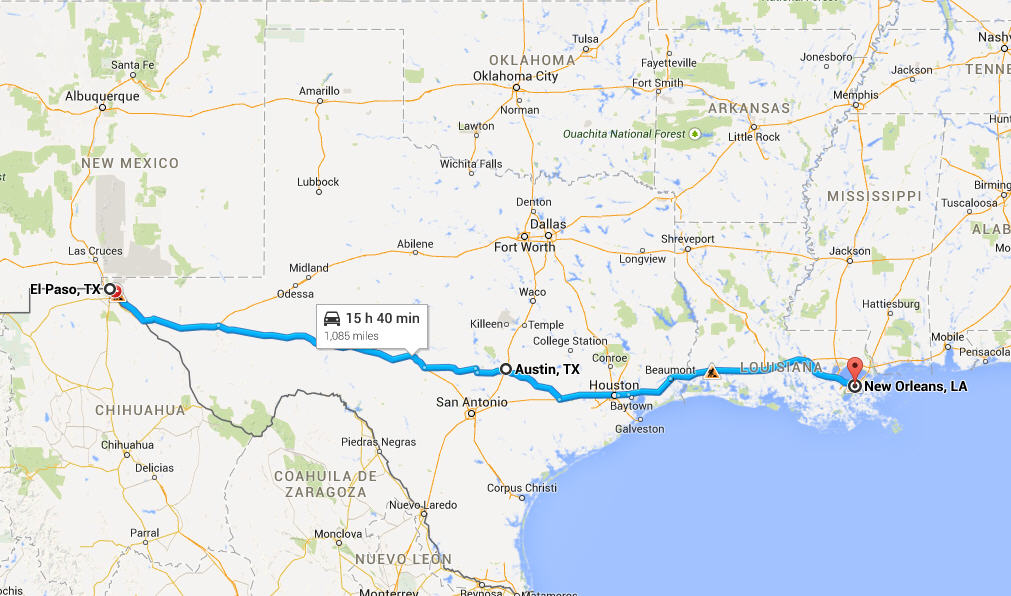
The most commonly cited measurement for the east-to-west distance across Texas is approximately 773 miles. This measurement typically spans from the Louisiana border in the east to the New Mexico border in the west, roughly following a path that could take a driver through cities like Beaumont, Dallas, and El Paso.
Imagine embarking on this trans-Texas journey. Your starting point might be near the Sabine River, a natural border with Louisiana. As you head westward, the landscape gradually transforms. You’ll transition from the lush, humid forests of East Texas, characterized by towering pine trees and rolling hills, into the more open plains and agricultural lands of Central Texas. Cities like Austin, known for its vibrant music scene and Barton Creek Greenbelt, and San Antonio, steeped in Texas history with landmarks like The Alamo, lie along potential routes.
Further west, the scenery shifts dramatically. The rugged beauty of the Texas Hill Country gives way to the vast, arid landscapes of West Texas. You’ll encounter rolling plains dotted with mesquite trees, dramatic canyons, and the stark beauty of the desert. The journey culminates in El Paso, a city nestled against the backdrop of the Franklin Mountains, offering a unique blend of American and Mexican culture. This east-to-west trek is not just a measure of distance but an immersive experience of the diverse ecosystems and cultural influences that define Texas. The average speed limit on Interstate highways allows for relatively swift travel, but the sheer mileage means this is a multi-day adventure for most, requiring careful planning for lodging and fuel.
North to South: From Red River Plains to Gulf Coast
The north-to-south distance across Texas is slightly shorter, measuring around 801 miles. This measurement typically runs from the Oklahoma border in the north to the Gulf of Mexico in the south, potentially taking travelers through cities like Amarillo, Fort Worth, and Houston.
Starting in the north, you might cross into Texas from Oklahoma near the Red River. This region is characterized by plains and agricultural lands. As you drive south, you’ll encounter the dynamic urban centers of North Texas, including the bustling Dallas-Fort Worth Metroplex. This area is a hub for business and culture, boasting attractions like the Dallas Museum of Art and the Fort Worth Stockyards National Historic District.
Continuing south, the landscape becomes increasingly characterized by fertile plains and ranches. The climate also begins to change, becoming warmer and more humid as you approach the Gulf Coast. Austin remains a potential stop along many north-to-south routes, offering its unique blend of live music and outdoor activities.
The southern leg of this journey brings you closer to the Gulf of Mexico. You might pass through or near cities like Houston, the nation’s fourth-largest city, known for its NASA Space Center and diverse culinary scene. The final destination on this south-bound path is the expansive coastline, with its beaches, wildlife refuges, and port cities. This route showcases the agricultural heartland of Texas and its significant economic centers, demonstrating the state’s role as a major player in various industries.
Planning Your Texas Expedition: A Strategic Approach
Understanding the sheer scale of Texas is the first step in planning any significant journey across its borders. Whether you’re considering a cross-country road trip, a focused exploration of specific regions, or a move to a new city, accurate distance information is paramount. This involves not just looking at the longest possible east-west or north-south stretches but also considering the actual routes you intend to take, as the topography and road networks can influence travel times.
Navigating Texas: Key Routes and Considerations
When planning a journey across Texas, several major Interstate highways serve as the primary arteries. Interstate 10 (I-10) is the major east-west artery, stretching almost the entire width of the state. Interstate 35 (I-35) runs north-to-south, connecting Laredo on the Mexican border to Oklahoma City. Interstate 45 (I-45) connects Dallas to Houston. Interstate 20 (I-20) cuts across the northern part of the state, connecting cities like Fort Worth and Midland.
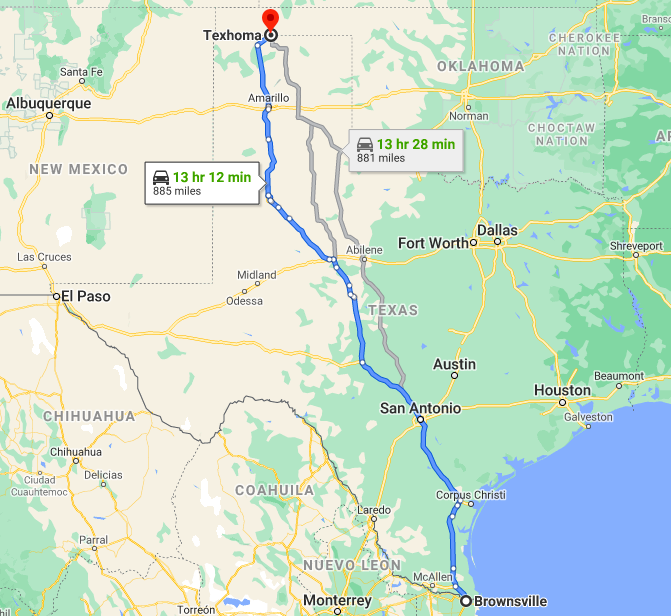
The choice of route will significantly impact your experience. For instance, opting for I-10 will take you through the southern reaches of Texas, offering glimpses of the desert southwest and the Gulf Coast. A route utilizing I-20 will traverse the more central and northern plains. Each route presents different attractions, from the historical sites of San Antonio and Goliad to the natural wonders of Big Bend National Park and the Guadalupe Mountains National Park.
When planning, it’s essential to factor in more than just driving time. Consider potential stops for sightseeing, rest, and meals. For example, a drive across the western part of Texas might involve long stretches between services, making it crucial to plan for fuel and supplies. This is where understanding the nuances of accommodation and local tourism becomes vital.
Accommodation and Lifestyle: Tailoring Your Texas Stay
The vastness of Texas also translates into a wide array of accommodation options and lifestyle choices for travelers and residents alike. From luxurious resorts to budget-friendly motels, and from charming bed and breakfasts in historic towns to modern apartments in bustling metropolises, Texas caters to every preference and budget.
For those seeking a taste of luxury travel, destinations like San Antonio offer elegant hotels such as the Éilan Hotel San Antonio, while Austin boasts a vibrant hotel scene. If your preference leans towards nature and outdoor experiences, consider a stay near Big Bend National Park, where rustic lodges and camping options abound, providing an immersive lifestyle experience within the natural grandeur. The Woodlands, a master-planned community north of Houston, offers a blend of upscale living and natural beauty, with numerous hotels and resorts.
Budget travelers will find a wealth of options, from national chain motels scattered along major highways to independent inns in smaller towns. The emphasis on budget travel in Texas doesn’t mean compromising on experience; often, these options place you closer to authentic local culture and less-touristed attractions.
Families planning trips can find resorts with extensive amenities, like water parks and kid-friendly activities, particularly around major cities and tourist destinations. Business travelers might opt for corporate housing or hotels with excellent business facilities in hubs like Dallas or Houston. The sheer variety ensures that whether you’re on a fleeting visit or a long-term stay, you can find the perfect base to explore Texas.
Beyond the Miles: Experiencing the Heart of Texas
While the mileage across Texas is an impressive figure, it’s the experiences within those miles that truly define a journey. Texas is not just a geographical expanse; it’s a mosaic of cultures, a tapestry of histories, and a land of diverse natural beauty. Understanding the “how many miles” is merely the prelude to appreciating the “what” and “why” of exploring this colossal state.
Landmarks and Local Culture: A Journey Through Time and Tradition
Texas is rich with landmarks that tell its unique story. From the Alamo in San Antonio, a pivotal site in Texas Revolution history, to the State Capitol Building in Austin, a magnificent example of Renaissance Revival architecture, the state is dotted with places of historical and architectural significance.
Nature lovers can explore the vastness of Big Bend National Park, a UNESCO World Heritage Site offering breathtaking desert landscapes, mountains, and the Rio Grande. Further north, Palo Duro Canyon State Park, often called the “Grand Canyon of Texas,” provides stunning geological formations and hiking opportunities. For those interested in avian life, the Texas coast is a vital migratory bird route, offering exceptional birdwatching experiences, especially around Rockport and Galveston.
The local culture of Texas is as diverse as its landscapes. In East Texas, you’ll find a Southern charm and hospitality. Central Texas is known for its live music, barbecue, and Tex-Mex cuisine. West Texas offers a rugged, independent spirit, with a strong connection to its ranching heritage. The Gulf Coast region boasts a seafood-centric culinary scene and a distinct coastal lifestyle. Experiencing these cultural nuances, perhaps through local festivals, visiting family-owned restaurants, or exploring art galleries, adds immeasurable depth to any journey across Texas.
Embracing the Texas Lifestyle: From Ranches to Cityscapes
The lifestyle in Texas is as varied as its geography. In the rural areas, life often revolves around agriculture, ranching, and a strong sense of community. Imagine waking up to the vast expanse of a ranch near Amarillo, the smell of cattle, and the quiet solitude of the plains. This is a far cry from the bustling urban centers like Dallas, where the lifestyle is characterized by a fast-paced business environment, world-class dining, and a vibrant arts and entertainment scene.
For those who appreciate the finer things, Texas offers a luxury travel experience that rivals any other destination. High-end hotels, gourmet restaurants, designer boutiques, and exclusive resorts can be found in its major cities and affluent communities. On the other end of the spectrum, budget travel in Texas is entirely feasible, allowing visitors to experience its charm without breaking the bank. This could involve camping in state parks, staying in charming roadside motels, and enjoying the abundant free attractions like scenic drives and local parks.
Ultimately, understanding “how many miles is it across Texas?” is just the beginning. It’s an invitation to explore a state that is immense in both its physical dimensions and its cultural richness, offering a travel experience that is as diverse and unforgettable as the Lone Star State itself. Whether you’re driving from the Louisiana border to the New Mexico border, or from the Oklahoma plains to the Gulf Coast, the journey across Texas is an adventure in scale, diversity, and enduring spirit.
LifeOutOfTheBox is a participant in the Amazon Services LLC Associates Program, an affiliate advertising program designed to provide a means for sites to earn advertising fees by advertising and linking to Amazon.com. Amazon, the Amazon logo, AmazonSupply, and the AmazonSupply logo are trademarks of Amazon.com, Inc. or its affiliates. As an Amazon Associate we earn affiliate commissions from qualifying purchases.