
The vast and diverse landscapes of Texas offer a treasure trove of natural beauty, historical significance, and recreational opportunities. For outdoor enthusiasts and travelers seeking to immerse themselves in the grandeur of the American wilderness, the question of Texas‘s national parks is a frequent point of inquiry. With its sprawling territory encompassing everything from arid deserts to lush forests and dramatic coastlines, it’s no wonder Texas is home to a significant number of protected federal lands. This article delves into the official designation of national parks within the Lone Star State, exploring what makes each one unique and what visitors can expect from an adventure within their boundaries.

The National Park Service oversees a remarkable system of protected areas across the United States, each preserving significant natural, cultural, or historical resources for the benefit and enjoyment of present and future generations. Texas, with its rich tapestry of landscapes and heritage, is well-represented within this esteemed system. However, understanding what constitutes a “National Park” in the strictest sense versus other National Park Service designations is crucial when answering the question of how many national parks are in Texas.
The Official National Parks of Texas
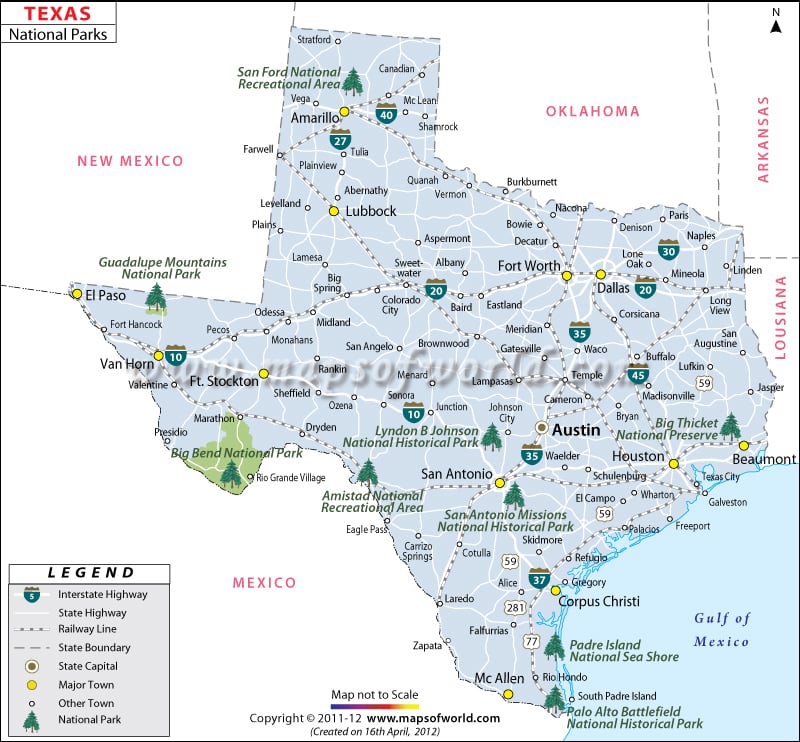
When we speak of “National Parks” in the official National Park Service terminology, we are referring to a specific designation that signifies areas of outstanding natural beauty, unique geological features, or significant ecological importance. These parks are typically established to preserve these resources in an unimpaired condition for future generations. Texas is proud to be the home of two such officially designated National Parks. These are the crown jewels of the state’s federal conservation efforts, offering unparalleled opportunities for exploration and appreciation of the natural world.
Big Bend National Park: A Wilderness of Wonder
Standing as the premier example of a Texas National Park, Big Bend National Park is an extraordinary destination that captures the rugged and remote spirit of West Texas. This vast expanse of over 800,000 acres straddles the Rio Grande border with Mexico, creating a unique transboundary ecosystem. Its name derives from the dramatic U-shaped bend in the Rio Grande river that forms a significant portion of its southern boundary.
The park’s geology is as dramatic as its scale. Three distinct mountain ranges – the Chisos Mountains, the Davis Mountains, and the Sierra del Carmen – rise abruptly from the desert floor, offering breathtaking vistas and a surprising diversity of life. The Chisos Mountains are particularly notable, featuring high-elevation forests that contrast sharply with the surrounding Chihuahuan Desert. Within the park, visitors can explore ancient volcanic formations, deep canyons carved by eons of water flow, and vast stretches of arid desert landscape dotted with iconic cacti and hardy desert flora.
The biodiversity of Big Bend National Park is astounding. Despite its seemingly harsh environment, the park is home to a remarkable array of plant and animal species. Over 1,200 species of plants have been identified, including diverse varieties of agave, yucca, and mesquite. Wildlife is equally abundant, with opportunities to spot black bears, mountain lions, javelinas, mulé deer, and numerous species of birds, including the endangered Colima warbler. The park’s remote location and minimal light pollution also make it one of the best places in the United States for stargazing, offering a celestial spectacle that is truly unforgettable.
Activities within Big Bend National Park cater to a wide range of interests. Hiking is a primary draw, with trails ranging from easy desert walks to challenging multi-day backpacking expeditions into the Chisos Mountains. The Rio Grande itself offers incredible opportunities for adventure, including popular rafting and kayaking trips through scenic canyons like Santa Elena Canyon and Boquillas Canyon. Backcountry driving on primitive roads provides access to more remote areas, while scenic drives like the Ross Maxwell Scenic Drive offer stunning viewpoints and geological wonders. Visitors can also explore historic sites, learn about the region’s Chihuahuan Desert heritage, and simply soak in the profound sense of solitude and wildness that defines this exceptional park. For those seeking accommodations, the park offers options ranging from campgrounds to the historic Chisos Mountains Lodge, providing a comfortable base for exploring this natural wonderland.

Guadalupe Mountains National Park: The Highest Point in Texas
The second designated National Park in Texas is Guadalupe Mountains National Park, located in the northwestern corner of the state, not far from the New Mexico border. This park preserves the dramatic mountain range that bears its name, which is actually a fossilized ancient coral reef, a remnant of the Capitan Reef that existed in the Permian Sea millions of years ago. This unique geological history is evident throughout the park, offering a fascinating glimpse into Earth’s ancient past.
The defining feature of Guadalupe Mountains National Park is Guadalupe Peak, standing at 8,751 feet, which is the highest natural point in Texas. The park’s elevation and varied terrain support diverse ecosystems, including pinyon-juniper woodlands, ponderosa pine forests, and rare desert grasslands. The contrast between the rugged mountain peaks and the arid desert plains surrounding them is striking.
Geologically, the park is a testament to geological time. The massive limestone formations, particularly along the escarpment, showcase the fossilized marine life of the ancient reef. Hiking trails lead to spectacular overlooks and through diverse landscapes, with the most popular being the trek to the summit of Guadalupe Peak. This challenging but rewarding hike offers panoramic views of the surrounding Chihuahuan Desert and the Guadalupe Mountains. Other notable areas include McKittrick Canyon, renowned for its stunning autumn foliage, and the historic Frijole Ranch, offering a glimpse into the area’s ranching past.
Wildlife within Guadalupe Mountains National Park includes mule deer, cougars, badgers, and numerous bird species. The park’s high elevation and varied habitats support a rich diversity of life, adapted to the challenging desert mountain environment. Visitors to the park can engage in hiking, backpacking, caving (at the nearby Carlsbad Caverns National Park, which is not in Texas but often visited in conjunction), and scenic drives. The park’s remoteness contributes to its peaceful atmosphere, making it an ideal destination for those seeking solitude and a deep connection with nature. Guadalupe Mountains National Park may be smaller in acreage than Big Bend, but its dramatic geology and the sheer majesty of Texas‘s highest peak make it an equally compelling destination for nature lovers.
Beyond the “National Parks”: Other NPS Designations in Texas
While Big Bend National Park and Guadalupe Mountains National Park are the only sites officially designated as “National Parks” in Texas, the National Park Service manages several other sites within the state that hold significant historical, natural, or cultural importance. These areas, while carrying different designations such as National Historic Sites, National Monuments, or National Preserves, are integral to the National Park Service‘s mission and offer unique visitor experiences. Recognizing these sites provides a more comprehensive understanding of protected federal lands in Texas.
National Historic Sites and Preserves: Echoes of the Past
Texas boasts a rich history, from its indigenous peoples to its colonial past and its pivotal role in the American Civil War. Several National Park Service sites preserve these important narratives.
- Alibates Flint Quarries National Monument: Located in the Canadian River valley of Palo Duro Canyon State Park, this monument protects ancient quarries used by Paleo-Indian peoples for thousands of years to obtain high-quality flint for tools and weapons. It offers a profound connection to the early inhabitants of North America and their resourcefulness.
- San Antonio Missions National Historical Park: This remarkable site protects four Spanish colonial missions south of downtown San Antonio: Mission Concepción, Mission San Jose, Mission San Juan, and Mission Espada. These well-preserved structures offer a vivid look into the history of the Spanish frontier in North America and the complex interactions between European settlers and indigenous populations. The park also encompasses the acequias, a historic irrigation system still in use today, showcasing a unique blend of history and living heritage. The nearby Alamo is another iconic historical landmark, though it is managed by the Daughters of the Republic of Texas and is not part of this National Historical Park.
- Chamizal National Memorial: Located in El Paso, this memorial commemorates the peaceful resolution of a long-standing border dispute between the United States and Mexico over the Chamizal tract of land. It serves as a symbol of international friendship and cooperation, featuring a cultural center and outdoor amphitheater.
- Padre Island National Seashore: While a “National Seashore,” it is managed by the National Park Service and is dedicated to preserving the longest stretch of undeveloped barrier island in the world. It is a crucial nesting ground for sea turtles, particularly the endangered Kemp’s ridley sea turtle, making it a vital conservation area. The natural beauty of the coastline, diverse birdlife, and opportunities for fishing, boating, and camping make it a popular destination.
These sites, though not officially titled “National Parks,” are vital components of the National Park Service‘s presence in Texas, each offering a distinct window into the state’s natural wonders and historical legacy. They contribute significantly to the overall tapestry of protected federal lands and provide invaluable educational and recreational opportunities for visitors. Whether you’re drawn to the dramatic geological formations of Big Bend or the historical narratives preserved at the San Antonio Missions, Texas offers a wealth of national park experiences.
LifeOutOfTheBox is a participant in the Amazon Services LLC Associates Program, an affiliate advertising program designed to provide a means for sites to earn advertising fees by advertising and linking to Amazon.com. Amazon, the Amazon logo, AmazonSupply, and the AmazonSupply logo are trademarks of Amazon.com, Inc. or its affiliates. As an Amazon Associate we earn affiliate commissions from qualifying purchases.