
When we ponder the vastness of the United States, certain states immediately spring to mind for their sheer size. The iconic sprawling landscapes of Texas are often at the forefront of such discussions. But how truly immense is Texas? To put its scale into perspective, let’s engage in a thought experiment. Imagine attempting to fit the entire state of Rhode Island, the smallest state in the U.S., into the grand expanse of Texas. The answer, as we’ll discover, is not just one or two, but a surprisingly large number, highlighting the dramatic differences in geographical scale between these two American entities. This comparison not only offers a tangible way to grasp the immense size of Texas but also serves as a fantastic jumping-off point for exploring the diverse travel opportunities each state presents, from the quaint charm of Rhode Island to the diverse adventures awaiting in Texas.

The Scale of the States: A Geographical Face-Off
The United States is a tapestry woven with states of varying sizes, each contributing its unique character and allure. At one end of the spectrum, we have the diminutive yet historically rich Rhode Island, known for its charming coastline and colonial heritage. At the other, we find Texas, a state that practically defines “big” with its vast prairies, rugged mountains, and seemingly endless highways. To understand the magnitude of this difference, let’s delve into the raw numbers.
Rhode Island: The Undersized Gem
Rhode Island, officially known as the State of Rhode Island and Providence Plantations, is a marvel of compact beauty. Covering an area of approximately 1,545 square miles (about 4,001 square kilometers), it’s a state that can be traversed from north to south in a relatively short time. Its allure lies not in its size, but in its rich history, picturesque seaside towns like Newport, and the vibrant cultural scene of its capital, Providence. Despite its small footprint, Rhode Island packs a punch when it comes to offering charming destinations for travelers. From the sandy shores of Block Island to the historic streets of Providence, there’s a distinct experience waiting around every corner. The state’s tourism industry thrives on its accessibility and the concentrated beauty of its landscapes.
Texas: The Lone Star Colossus
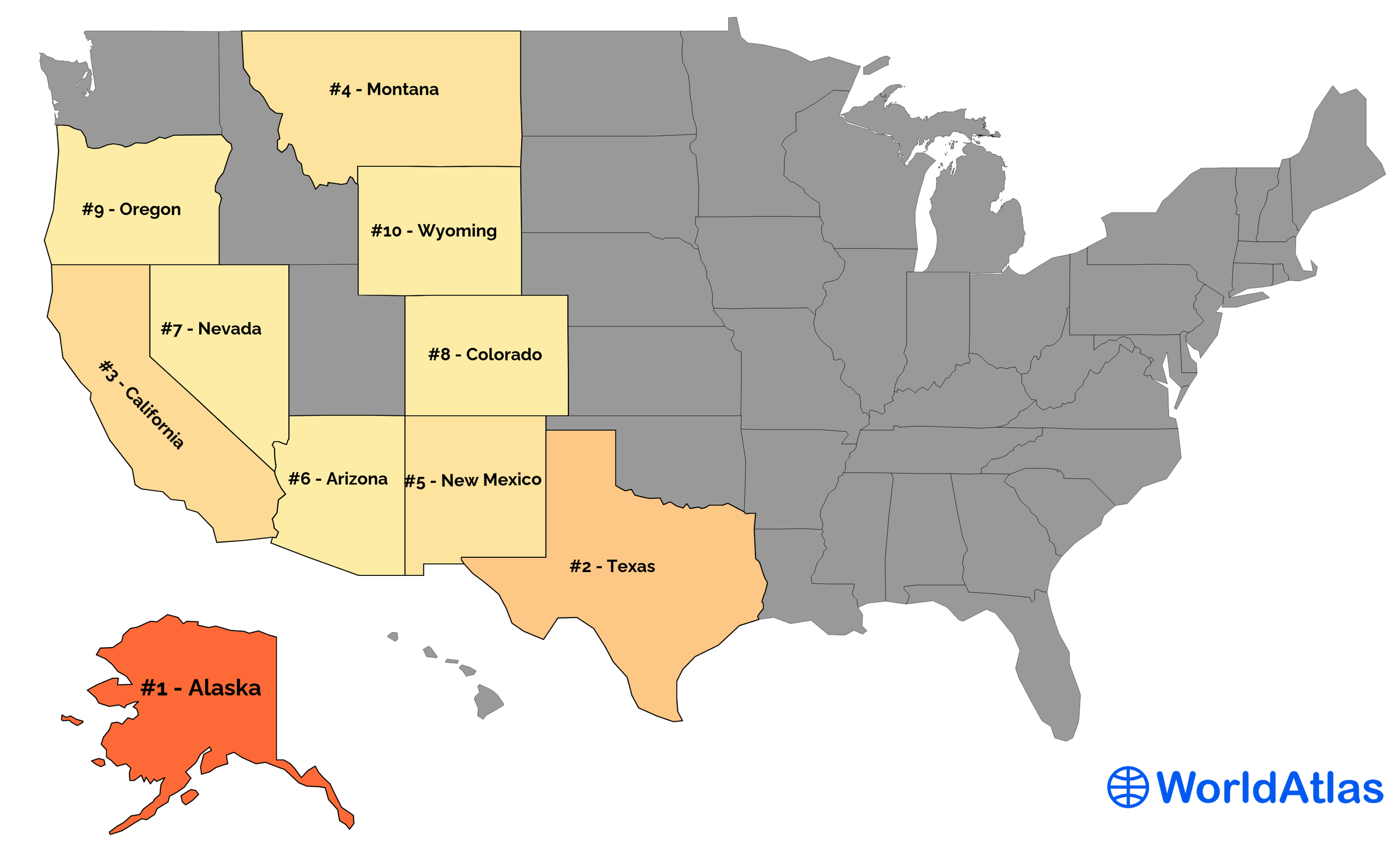
In stark contrast, Texas stands as a testament to the American spirit of expansiveness. This vast state covers an astonishing area of approximately 268,596 square miles (about 695,662 square kilometers). To put that into perspective, Texas is the second-largest state in the U.S. by both area and population, trailing only Alaska in size. Its diverse geography includes everything from the piney woods of East Texas to the arid deserts of West Texas, the rolling hills of the Texas Hill Country, and the long coastline along the Gulf of Mexico. The sheer scale of Texas means that traveling from one end of the state to another can feel like a journey across multiple countries. This vastness translates into an incredible array of travel experiences, catering to every imaginable taste and interest.
The Grand Calculation: How Many Rhode Island’s in Texas?
Now, let’s get to the core of our comparison. To determine how many Rhode Island‘s can fit into Texas, we simply divide the total area of Texas by the total area of Rhode Island.
Texas Area: 268,596 square miles
Rhode Island Area: 1,545 square miles
Calculation: 268,596 / 1,545 ≈ 173.85
The result of this calculation is approximately 173.85. This means that you could theoretically fit 173 full Rhode Island’s and a significant portion of another Rhode Island within the borders of Texas. This number is staggering and truly underscores the immense geographical disparity between these two states. It’s a comparison that visually and numerically illustrates the sheer scale of Texas.
Implications for Travel and Exploration
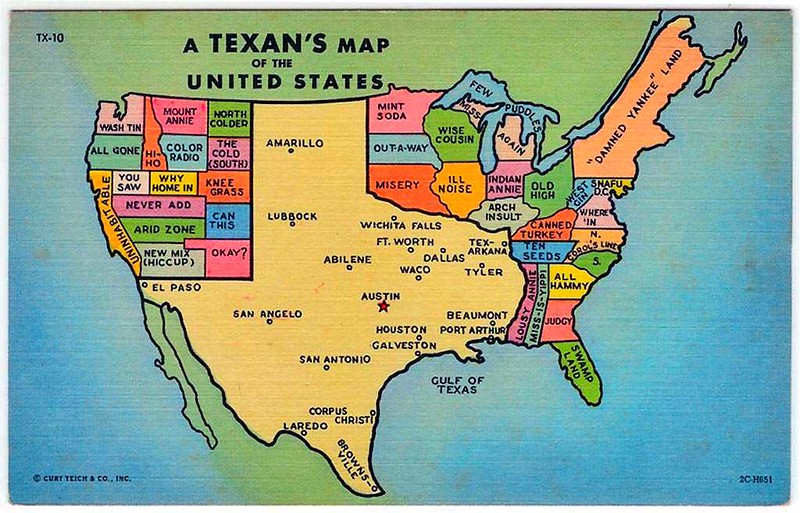
The vast difference in size has profound implications for how one might experience travel in each state.
Exploring Rhode Island: A Compact Adventure
Visiting Rhode Island offers a travel experience characterized by ease of movement and a concentrated richness of attractions. You can comfortably explore its charming towns, historic sites, and beautiful coastline within a single trip, perhaps even using a single home base like a cozy hotel in Newport or an apartment rental in Providence. The state’s compact nature allows for a more intimate exploration, where you can easily transition from a historical tour of Colonial Williamsburg (though this is in Virginia, the spirit of historical exploration is similar) to a leisurely afternoon by the sea. The focus here is on depth rather than breadth. You can explore renowned landmarks like the International Tennis Hall of Fame or enjoy the culinary delights Providence has to offer, all within manageable driving distances. This makes Rhode Island an ideal destination for a weekend getaway or a focused exploration of New England’s coastal charm.
Discovering Texas: A Journey of Epic Proportions
In Texas, however, the travel experience is fundamentally different. Due to its enormous size, a trip to Texas is often an expedition in itself. To truly experience the diverse offerings of the Lone Star State, one might need to plan multiple distinct trips or embark on a long-term stay that allows for extensive travel within its borders. For instance, a journey from the piney woods of East Texas, with its lush forests and outdoor activities, to the vast expanses of West Texas, home to the dramatic landscapes of Big Bend National Park, can take several days of driving. Similarly, exploring the vibrant cultural hubs of Austin and San Antonio, with their unique music scenes and historical missions, is a different endeavor than venturing to the coastal cities like Galveston.
When it comes to accommodation in Texas, the options are as vast as the state itself. From luxurious resorts in the Texas Hill Country offering spa treatments and fine dining, to budget-friendly hotels in bustling cities like Houston, and even unique apartment rentals for longer stays, travelers are spoilt for choice. Planning your itinerary becomes crucial, as you might choose to focus on a specific region, such as the historical significance of the Alamo in San Antonio, or the natural beauty of the Texas coast. The concept of “local culture” in Texas is not singular; each region boasts its own distinct traditions, cuisine, and activities, from the BBQ trails of Central Texas to the Tex-Mex flavors of the South.
Beyond the Numbers: Unique Attractions and Experiences
While the sheer scale is a fascinating metric, it’s the unique attractions and experiences within each state that truly define their travel appeal.
Rhode Island’s Coastal Charm and Historic Allure
Rhode Island might be small, but it punches well above its weight in terms of its appeal to travelers. The state is renowned for its stunning coastline, dotted with picturesque towns and beaches. Newport, in particular, is a highlight, famous for its Gilded Age mansions, such as The Breakers, and its rich maritime history. Sailing, whale watching, and exploring the Cliff Walk are popular activities. Providence, the state capital, offers a vibrant cultural scene with acclaimed restaurants, art galleries, and historic architecture. Its WaterFire installation is a unique artistic experience that draws visitors from far and wide. The state also boasts numerous historical sites, including the Touro Synagogue, the oldest synagogue in North America. For those seeking a relaxed yet culturally rich vacation, Rhode Island provides an intimate and fulfilling experience. Whether you’re looking for a luxury hotel stay in Newport or a charming bed and breakfast, the accommodation options cater to a desire for refined comfort.
Texas’s Diverse Landscapes and Cultural Tapestry
Texas offers a staggering diversity of experiences that cater to virtually every type of traveler. Nature enthusiasts can explore the rugged beauty of Big Bend National Park, go birdwatching in the Rio Grande Valley, or enjoy the natural springs and trails in the Texas Hill Country. History buffs can immerse themselves in the stories of the Alamo, visit presidential libraries, or explore the historic missions of San Antonio. The state’s major cities are cultural powerhouses: Austin is renowned for its live music scene and quirky charm, Houston boasts world-class museums and a thriving culinary landscape, and Dallas offers a blend of modern sophistication and Western heritage. For those interested in a taste of the frontier, a visit to a ranch or a rodeo offers an authentic Texas experience.
When it comes to lifestyle travel, Texas offers incredible variety. You can indulge in luxury stays at sprawling resorts with championship golf courses, embark on a budget-friendly road trip exploring small towns and local eateries, or plan elaborate family vacations that include theme parks like Six Flags Fiesta Texas or historical reenactments. The accommodation choices in Texas are as varied as its landscapes, with options ranging from boutique hotels in Austin to expansive villas and apartments in Houston, suitable for both short stays and longer-term rentals. The sheer size of Texas means that each of its regions offers a distinct flavor of travel, from the vibrant energy of its urban centers to the tranquil beauty of its natural wonders.
In conclusion, the question “How Many Rhode Island’s Fit In Texas?” is more than just a geographical puzzle; it’s an invitation to appreciate the immense diversity of landscapes, cultures, and travel experiences that the United States has to offer. While Rhode Island provides a concentrated dose of history and coastal beauty, Texas offers a sprawling canvas for adventure, exploration, and a deep dive into the unique spirit of the Lone Star State. Whether you prefer the intimate charm of the East Coast or the boundless horizons of the Southwest, both states promise unforgettable journeys.
LifeOutOfTheBox is a participant in the Amazon Services LLC Associates Program, an affiliate advertising program designed to provide a means for sites to earn advertising fees by advertising and linking to Amazon.com. Amazon, the Amazon logo, AmazonSupply, and the AmazonSupply logo are trademarks of Amazon.com, Inc. or its affiliates. As an Amazon Associate we earn affiliate commissions from qualifying purchases.