
Houston, Texas, often affectionately known as the Bayou City, stands as a monumental urban expanse in the heart of the Lone Star State. For any traveler contemplating a visit, one of the most fundamental questions, and perhaps one of the most impactful on their itinerary, revolves around its sheer size. Understanding the geographic footprint of Houston is not merely a matter of trivia; it’s a crucial insight that shapes travel planning, dictates transportation strategies, and ultimately influences the scope and enjoyment of your experience in this vibrant metropolis.
At its core, Houston is a city of vast proportions, sprawling across a significant portion of southeastern Texas. This expansive nature means that unlike some more compact urban centers, exploring Houston requires a strategic approach, a willingness to traverse considerable distances, and an appreciation for its diverse, spread-out neighborhoods. From its bustling Downtown Houston core to its far-flung suburban enclaves, Houston’s immense size is a defining characteristic that travelers must acknowledge and plan for.
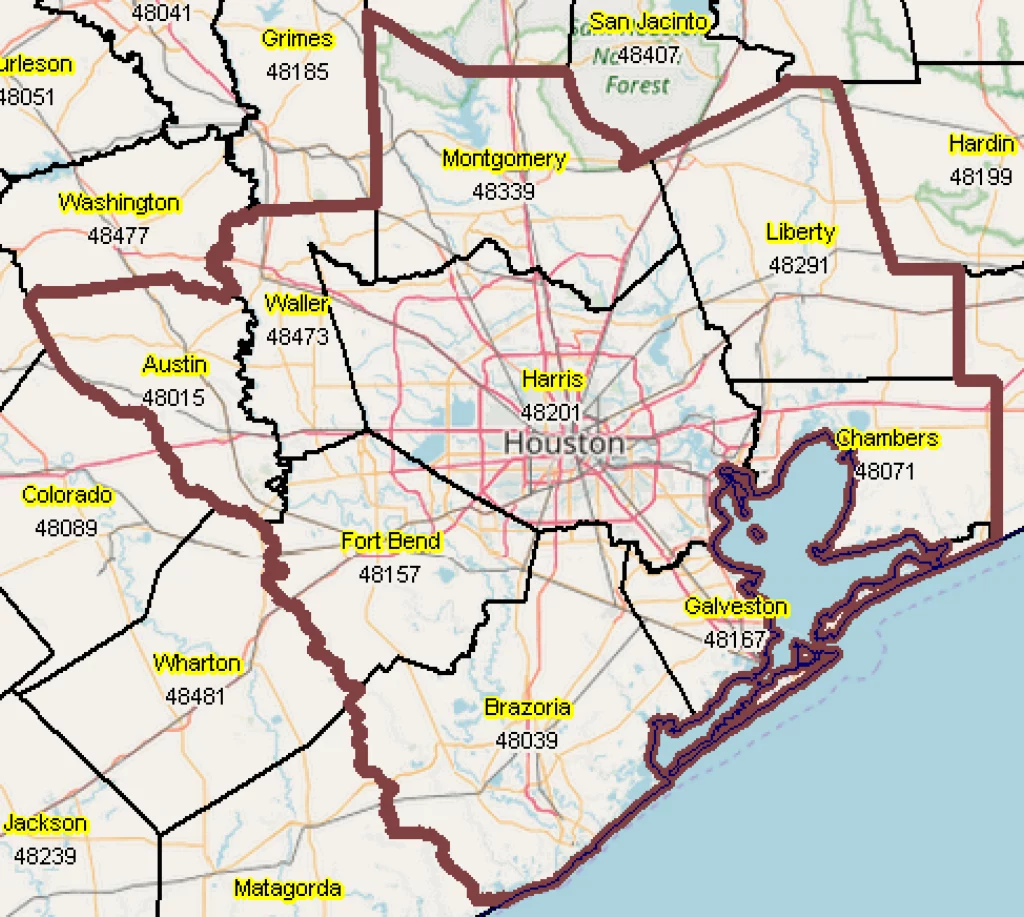
The Vastness of the Bayou City: Understanding Houston’s Geographic Footprint
To truly appreciate Houston as a travel destination, one must first grasp its physical dimensions. It is not just a big city; it is one of the largest in the United States by land area, a factor that profoundly influences its character and how visitors interact with it.
Official Dimensions and Metropolitan Scale
The City of Houston officially encompasses a total area of approximately 665 square miles. This figure includes both land and a small percentage of water area within its municipal boundaries. To put this into perspective, 665 square miles is larger than the entire land area of cities like Chicago or Philadelphia and nearly three times the size of New York City‘s land area (excluding water).
However, the “city” experience for a traveler often extends beyond strict municipal lines. The Greater Houston Metropolitan Statistical Area (MSA) is considerably larger, covering over 10,000 square miles. This vast region includes numerous surrounding cities, suburbs, and rural areas that are economically and culturally tied to the central city. For visitors, understanding this distinction is key: while 665 square miles defines the core, the attractions, culture, and experiences often spill into the broader metropolitan region. This means that a trip to Houston might easily include destinations that are technically outside the city limits but are integral to the Houston experience, such as the NASA Johnson Space Center in Clear Lake or day trips to the coastal city of Galveston.
A City Built for Growth
Houston’s impressive size is no accident; it is the result of deliberate policy and a historical trajectory of rapid growth and annexation. From its founding in 1836, the city has continuously expanded its boundaries, absorbing surrounding communities and undeveloped land to accommodate its booming population and industrial development. Unlike many older cities with natural geographic barriers, Houston’s relatively flat terrain allowed for unconstrained outward growth. This policy of aggressive annexation has enabled the city to maintain a larger tax base and incorporate new residential and commercial developments directly into its municipal framework.
For travelers, this historical context explains why Houston feels so sprawling. It wasn’t built around a compact core that gradually expanded; rather, it grew like an amoeba, encompassing vast tracts of land that today host everything from world-class museums and medical centers to sprawling parks, retail districts, and diverse residential neighborhoods. This organic yet expansive growth has created a city rich in variety but one that demands careful navigation from its visitors.
Navigating the Expansive Landscape: Travel Implications for Visitors
The sheer scale of Houston presents both unique challenges and incredible opportunities for travelers. It means that while you’ll never run out of things to see and do, getting between them requires a specific approach.
Transportation Challenges and Solutions
Given its vast area and a historical development heavily influenced by the automobile, personal transportation is often the most practical way to navigate Houston. Visitors accustomed to walkable cities or robust public transit systems in other major urban centers might find Houston’s layout a significant adjustment.
Rental Cars: For maximum flexibility and to reach attractions spread across different districts, renting a car is highly recommended. It allows travelers to set their own pace and explore both the inner loop and the outer reaches of the city and its surrounding areas. Be prepared for traffic, especially during peak rush hours, and factor in parking costs, which can vary significantly depending on the location.
Ride-Sharing and Taxis: Services like Uber and Lyft are readily available throughout the metropolitan area, offering a convenient alternative to driving yourself. Taxis are also available, particularly around major hubs like George Bush Intercontinental Airport (IAH), William P. Hobby Airport (HOU), and Downtown areas. These options are ideal for those who prefer not to drive but still need to cover significant distances. However, costs can add up quickly over a multi-day trip.
Public Transportation (METRORail and Bus System): While Houston’s public transit system, managed by METRO, is extensive, it’s not as comprehensive for general tourist travel across the entire 665 square miles as systems in cities like New York or London. The METRORail light rail system offers efficient service along key corridors, connecting Downtown Houston with the Museum District, the Texas Medical Center, and the NRG Park. For visitors staying within these specific areas, the METRORail is an excellent and affordable option. The bus network is far-reaching but can be slower and less convenient for tourists aiming to hit multiple popular attractions quickly. For those on a budget or interested in local immersion, understanding the bus routes can be rewarding, but it requires more planning.
Exploring Diverse Districts
The blessing of Houston’s size is the incredible diversity of its neighborhoods and districts, each offering a distinct flavor and set of attractions. A visit to Houston is less about exploring a single monolithic entity and more about discovering a collection of vibrant communities.
- Downtown Houston: The city’s central business district, home to skyscrapers, the Theatre District, Discovery Green park, and a burgeoning culinary scene.
- Museum District: A cultural powerhouse boasting 19 museums, including the Museum of Fine Arts, Houston and the Houston Museum of Natural Science, all within walking distance of each other.
- Galleria Area: A premier shopping and entertainment destination centered around The Galleria, one of the largest malls in the United States, surrounded by luxury hotels and high-end restaurants.
- Montrose: Known for its bohemian vibe, art galleries, vintage shops, eclectic restaurants, and lively nightlife.
- The Heights: A historic neighborhood characterized by beautifully preserved Victorian homes, charming boutiques, and independent eateries.
- Midtown and Washington Avenue: Popular nightlife and dining hubs.
- Texas Medical Center: The largest medical complex in the world, a city within a city, adjacent to the Museum District and Hermann Park.
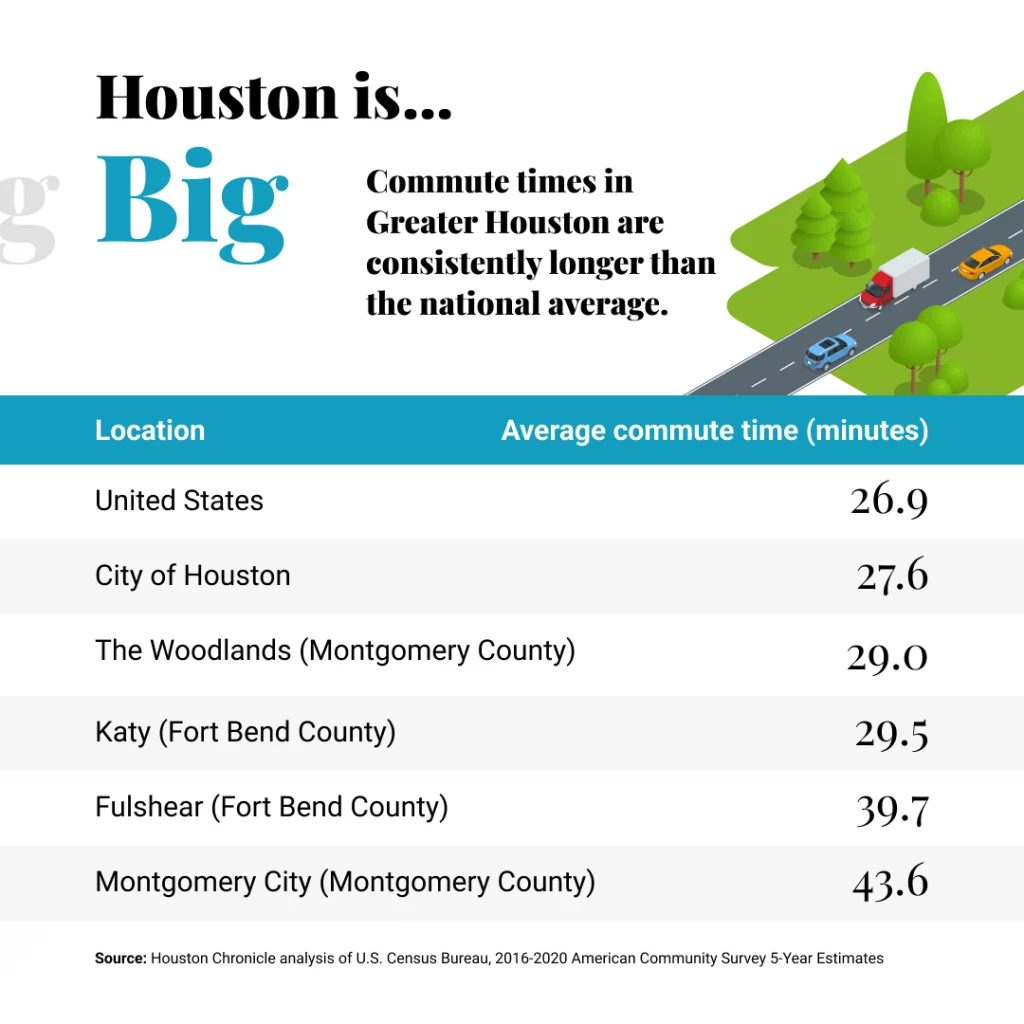
Each of these districts offers a distinct experience, and due to the city’s size, they are often a significant drive apart. Understanding this geographic distribution is paramount for any traveler looking to make the most of their visit.
Maximizing Your Houston Experience: Strategic Planning for a Large Destination
A successful trip to Houston hinges on smart planning that accounts for its grand scale. Without a well-thought-out itinerary, travelers risk spending an excessive amount of time in transit rather than enjoying the city’s myriad offerings.
Grouping Attractions by Location
The most effective strategy for exploring Houston is to group attractions geographically. Instead of crisscrossing the city multiple times a day, dedicate specific days or half-days to exploring a particular district and its neighboring points of interest.
For example, you might dedicate one day to the Museum District and Hermann Park, which are conveniently located next to each other and accessible via METRORail. Another day could be spent exploring Downtown Houston’s attractions like Discovery Green, the Theatre District, and the historic Main Street. If shopping is a priority, a trip to the Galleria Area would naturally pair with exploring the nearby Post Oak Boulevard for dining and luxury retail. This approach minimizes travel time and maximizes the time spent enjoying each area.
The Role of Multi-Day Itineraries
Given the city’s size and the richness of its offerings, a multi-day itinerary is almost a necessity to experience Houston properly. A quick weekend trip might allow you to scratch the surface of one or two districts, but to truly delve into its culture, cuisine, and attractions, plan for at least 3-5 days. This duration provides enough time to explore different neighborhoods at a leisurely pace, allowing for travel between them without feeling rushed or exhausted. It also creates opportunities for evening entertainment, whether it’s catching a show in the Theatre District, enjoying live music in Montrose, or indulging in Houston’s world-renowned food scene.
Considering Accommodation Location
Where you choose to stay in Houston can significantly impact your travel experience. While budget considerations are always important, weighing convenience against cost is crucial in such a spread-out city.
- Downtown Houston: Ideal for business travelers, those attending events, or visitors who want easy access to the Theatre District and METRORail lines.
- Galleria Area: Perfect for luxury shoppers and those seeking upscale dining and accommodations. It offers good access to west Houston and the Energy Corridor.
- Museum District / Hermann Park: Great for cultural enthusiasts and families, with several museums and green spaces within walking distance, and good METRORail connectivity to Downtown.
- Midtown / Montrose: Appeals to those looking for a more bohemian, artistic, and nightlife-oriented experience, with a wealth of independent restaurants and bars.
Choosing a hotel that aligns with your primary interests and planned activities can drastically reduce daily travel times and improve overall trip enjoyment.
Houston’s Breadth: Beyond the City Limits (Metropolitan Area Perspective)
While the focus of the question is on the city proper, understanding the broader Greater Houston area is vital for a comprehensive travel perspective. The city’s economic and cultural influence extends far beyond its 665 square miles, offering additional experiences for those with the time and inclination to explore further.
Greater Houston and Its Surrounding Gems
The Greater Houston area provides numerous opportunities for enriching day trips.
- The NASA Johnson Space Center in Clear Lake is a must-visit for space enthusiasts, offering a fascinating glimpse into the history and future of space exploration. It’s a significant drive southeast of Downtown Houston, emphasizing the need for a car or dedicated ride-share.
- A trip to Galveston Island, about an hour’s drive southeast, offers a completely different experience with its historic Victorian architecture, sandy beaches, amusement pier, and the Moody Gardens attractions.
- Smaller towns and natural areas within the metropolitan region offer opportunities for outdoor recreation, historical exploration, and a taste of Texas beyond the urban core.
These destinations, while not within Houston’s city limits, are often considered part of the broader Houston experience for visitors and highlight the vastness of the region.
Economic and Cultural Reach
Houston’s immense size is a direct contributor to its status as a global hub for energy, healthcare, and aerospace. This economic power fuels a rich cultural scene, attracting diverse populations and fostering an incredible array of cuisines, arts, and festivals. The city’s sheer scale allows for specialized districts that might not exist in smaller cities, from the sprawling Texas Medical Center to the meticulously curated Museum District. For travelers, this means an unparalleled variety of experiences, from world-class dining and shopping to cutting-edge art and historical landmarks, all within the expansive embrace of one metropolitan area.
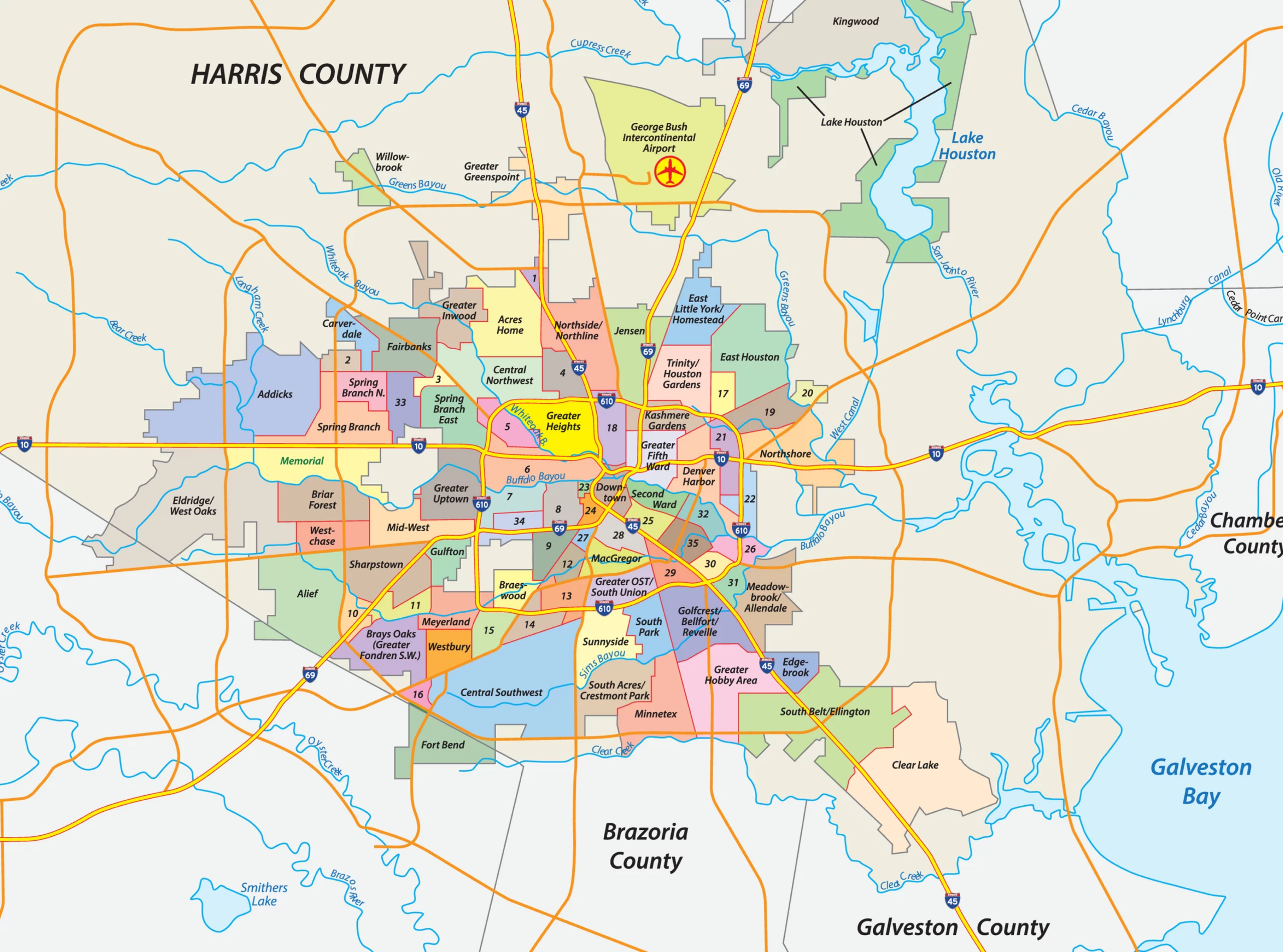
Conclusion: Embracing Houston’s Grand Scale
So, how many square miles is Houston, Texas? At approximately 665 square miles within its city limits, it is an impressively large and geographically diverse urban landscape. For the discerning traveler, this vastness is not a deterrent but rather an invitation to embark on an adventure of discovery.
Embracing Houston’s grand scale means understanding that it’s a destination best explored with strategic planning, an open mind, and a willingness to move between its distinct enclaves. Whether you navigate by car, ride-share, or strategically utilize its public transport, the reward is access to a city that truly offers something for everyone. From its groundbreaking scientific institutions and world-class arts scene to its legendary culinary offerings and vibrant neighborhoods, Houston stands as a testament to American urban growth, providing an unforgettable travel experience for those prepared to explore its immense and engaging breadth.
LifeOutOfTheBox is a participant in the Amazon Services LLC Associates Program, an affiliate advertising program designed to provide a means for sites to earn advertising fees by advertising and linking to Amazon.com. Amazon, the Amazon logo, AmazonSupply, and the AmazonSupply logo are trademarks of Amazon.com, Inc. or its affiliates. As an Amazon Associate we earn affiliate commissions from qualifying purchases.