
For any traveler with a penchant for the great outdoors, a love for history, or simply a desire for serene escapes, the question of “How many Texas State Parks?” is more than a simple numerical query. It’s an invitation to explore a vast and incredibly diverse network of natural and historical treasures. Texas, a state renowned for its sheer size and multifaceted landscapes, boasts an impressive array of state parks, each offering a unique window into the heart and soul of the Lone Star State. Managed by the Texas Parks and Wildlife Department (TPWD), these parks collectively represent a monumental effort to preserve natural beauty, provide recreational opportunities, and safeguard the rich heritage of Texas for residents and visitors alike.
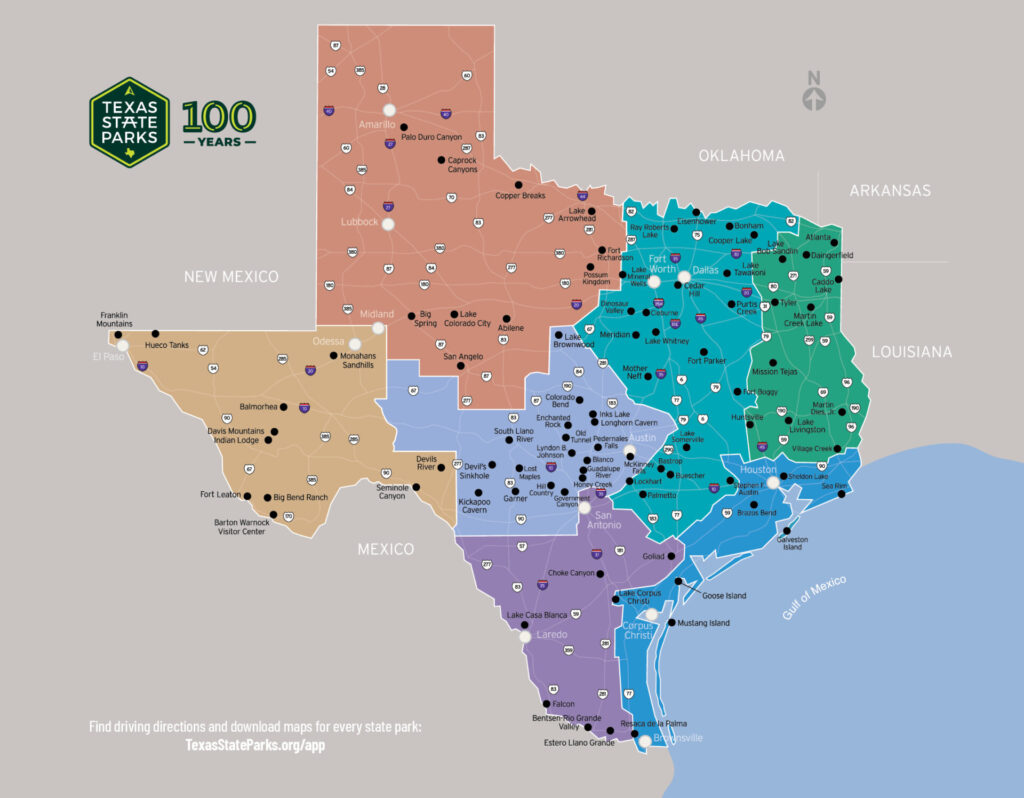
The definitive answer to “How many Texas State Parks?” hovers around 89 to 90 designated state parks and natural areas, a number that can occasionally fluctuate slightly due to acquisitions, new designations, or administrative changes. This extensive collection makes Texas one of the leading states in the nation for public parkland, offering an unparalleled breadth of experiences for every type of adventurer. From the arid desert expanses of the west to the lush, pinewood forests of the east, and from the rugged canyons of the panhandle to the sandy shores of the Gulf Coast, these parks are quintessential travel destinations, promising unforgettable journeys into the wild and storied landscapes of Texas.
A Vast Network of Natural Wonders
The sheer scale of the Texas State Parks system is truly astounding, encompassing millions of acres dedicated to conservation and public enjoyment. This vast network is not merely a collection of isolated green spaces; it’s a meticulously managed system designed to offer both protection for delicate ecosystems and access for the public. For travelers, this means an almost limitless menu of destinations, each promising distinct experiences.
The Sheer Number and Geographic Spread
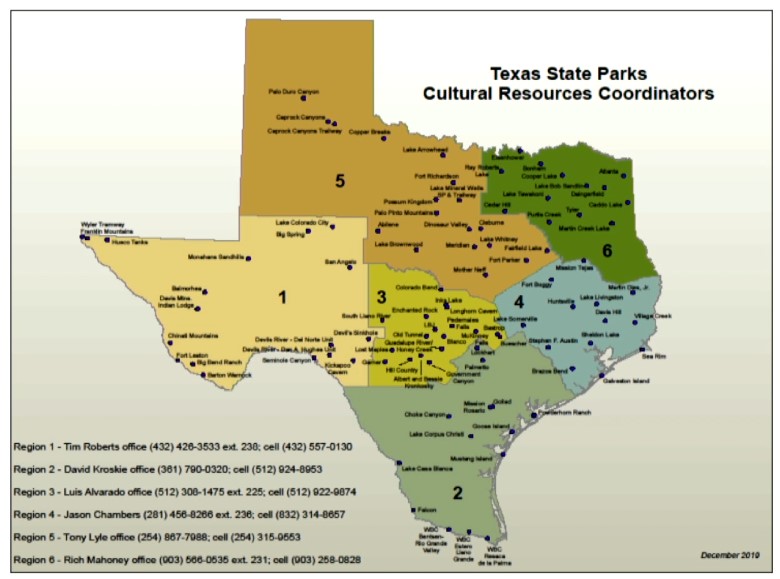
With approximately 89 to 90 properties under the TPWD’s purview, the geographical distribution of Texas State Parks is as diverse as the state itself. These parks are strategically located across Texas’s distinct ecological regions, ensuring that no matter where a traveler finds themselves, a state park is likely within reach. The state’s seven primary travel regions — Big Bend Country, Gulf Coast, Hill Country, Panhandle Plains, Pineywoods, Prairies and Lakes, and South Texas Plains — each host a significant number of parks, reflecting their unique natural and cultural characteristics.
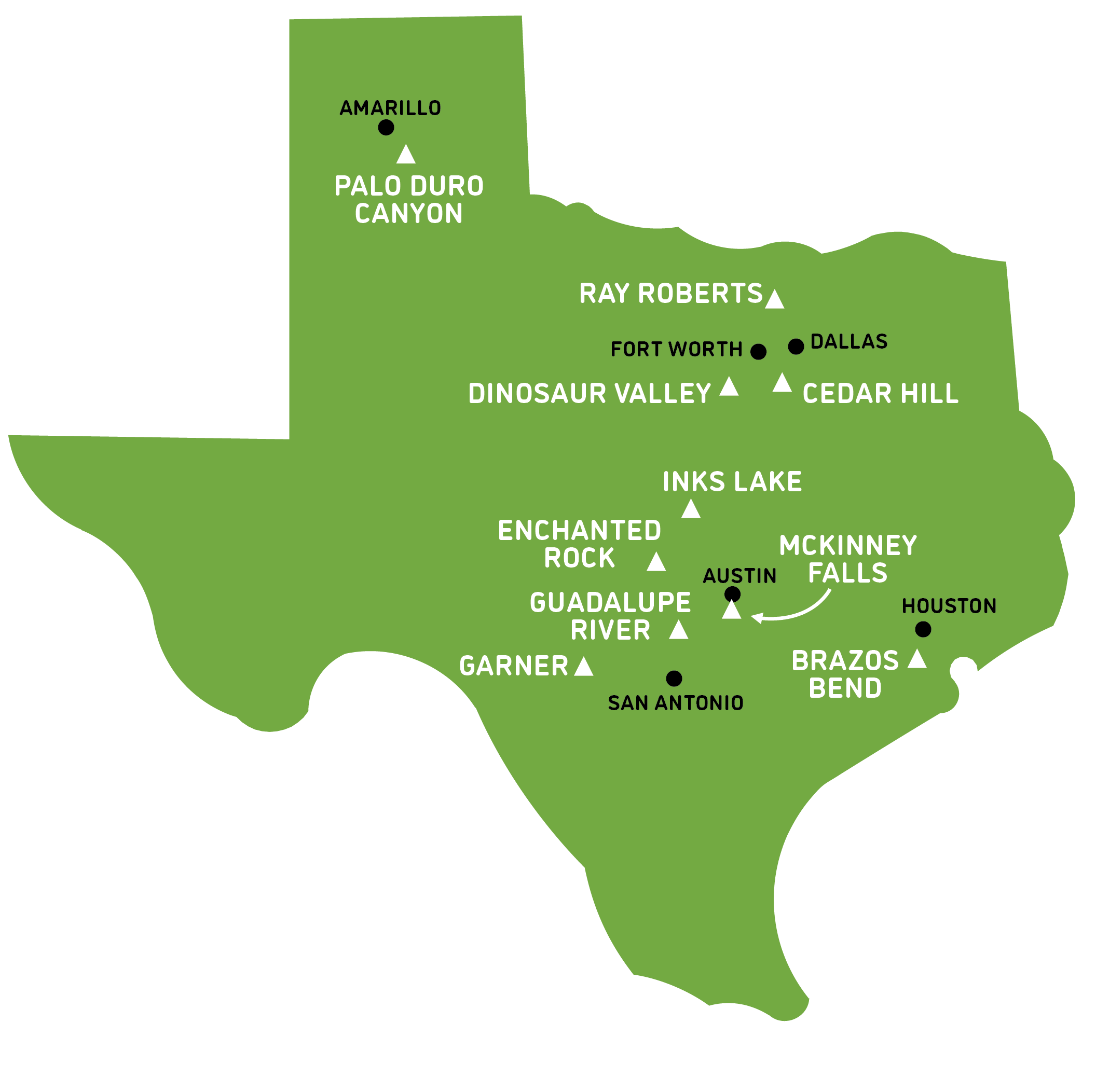
In the west, parks like Big Bend Ranch State Park offer dramatic desert landscapes, rugged mountains, and remote tranquility, perfect for those seeking solitude and vast open spaces. Moving towards the Gulf Coast, parks such as Mustang Island State Park provide access to pristine beaches, abundant birdlife, and coastal recreation. The central Hill Country region is dotted with parks known for their spring-fed rivers, rolling hills, and iconic granite domes, exemplified by Enchanted Rock State Natural Area. The eastern Pineywoods beckons with towering trees, dense forests, and serene lakes, a stark contrast to the arid west. This incredible geographic spread means that a trip across Texas can transform into an epic park-hopping adventure, revealing the state’s true natural grandeur.
Beyond the Numbers: Diverse Landscapes and Ecosystems
The numerical count of Texas State Parks only tells part of the story; the true allure for travelers lies in the unparalleled diversity of landscapes and ecosystems they protect. A visit to these parks is like traversing miniature continents, each with its own distinct flora, fauna, and geological features. Travelers can explore:
- Desert expanses and canyons: In the western regions, parks like Franklin Mountains State Park or Caprock Canyon State Park offer dramatic geological formations, vast canyons, and a glimpse into the resilient desert ecosystem, complete with its unique wildlife, including the official state bison herd at Caprock Canyon.
- Lush forests and wetlands: The Pineywoods region showcases dense forests of loblolly pines, cypress swamps, and diverse wetlands, ideal for hiking, birdwatching, and paddling.
- Coastal prairies and barrier islands: Along the Gulf Coast, parks protect vital barrier islands, estuaries, and coastal prairies, providing critical habitats for migratory birds and marine life, as well as opportunities for beachcombing and fishing.
- Rolling hills and spring-fed rivers: The Hill Country is defined by its iconic rolling terrain, clear spring-fed rivers, and unique limestone formations. Many parks here offer opportunities for swimming, tubing, and exploring subterranean caves.
- Historic prairies and lakes: The Prairies and Lakes region, located in central and north Texas, features expansive grasslands, sprawling lakes, and woodlands, offering fishing, boating, and camping.
This remarkable ecological breadth ensures that no two park experiences are quite the same, making Texas State Parks a compelling destination for repeat visits and in-depth exploration.
Unlocking Diverse Travel Experiences
The vast number and diverse landscapes of Texas State Parks translate directly into an incredible array of travel experiences. Whether a visitor seeks adrenaline-pumping adventures, a quiet communion with nature, or a profound connection to history, the Texas State Parks system delivers. These destinations are designed to cater to a broad spectrum of interests, ensuring that every traveler can find their perfect park adventure.
Adventure and Outdoor Recreation
For the active traveler, Texas State Parks are synonymous with outdoor adventure. The sheer variety of terrain supports an extensive list of recreational activities:
- Hiking and Backpacking: From the rugged trails of Big Bend Ranch State Park and Franklin Mountains State Park to the scenic paths of Lost Maples State Natural Area (especially popular for its fall foliage), hikers can find routes for all skill levels.
- Camping: Most parks offer a range of camping options, from primitive backcountry sites to full hook-up RV spots. This allows travelers to fully immerse themselves in the park’s environment, whether under a canopy of stars in the desert or nestled among the trees.
- Water Sports: With numerous rivers, lakes, and coastal access, activities like kayaking, canoeing, paddleboarding, swimming, and fishing are widespread. Parks like Mustang Island State Park for kayaking the paddling trail, or Dinosaur Valley State Park for wading in the Paluxy River and seeing dinosaur footprints, are prime examples.
- Rock Climbing and Bouldering: Enchanted Rock State Natural Area is a premier destination for granite dome climbing, while Lake Mineral Wells State Park also offers excellent opportunities for climbing and rappelling.
- Biking: Many parks feature designated mountain biking trails, ranging from easy loops to challenging singletracks, catering to both casual riders and serious cyclists.
Historical and Cultural Journeys
Beyond natural beauty, many Texas State Parks serve as guardians of the state’s profound history and cultural heritage. For travelers interested in stepping back in time, these parks offer invaluable insights:
- Birthplace of Texas: Washington-on-the-Brazos State Historic Site allows visitors to walk the grounds where Texas declared its independence from Mexico in 1836, complete with a replica of Independence Hall and museums.
- Battlegrounds and Frontier Life: San Jacinto Battleground State Historic Site, home to the decisive battle that secured Texas’s independence, offers a towering monument and a museum. Other parks preserve remnants of early Texan settlements, forts, and ranching history, providing tangible links to the frontier past.
- Native American Heritage: Several parks protect ancient Native American sites, including rock art, campsites, and ceremonial grounds, offering glimpses into the lives of the indigenous peoples who inhabited these lands for thousands of years.
- Paleontological Wonders: Dinosaur Valley State Park stands out for its well-preserved dinosaur footprints in the riverbed, providing an awe-inspiring connection to prehistoric life.
Tranquility and Nature Appreciation
Not all travel has to be about high-octane adventure or historical deep dives. Many travelers seek the peace and rejuvenation that only nature can provide. Texas State Parks are sanctuaries for tranquility and nature appreciation:
- Birdwatching: Texas is a major flyway for migratory birds, and parks along the Gulf Coast and inland wetlands are premier birding destinations. The Port Aransas Nature Preserve near Corpus Christi is a prime example.
- Stargazing: Far from urban light pollution, parks in West Texas like Big Bend Ranch State Park offer some of the darkest night skies in North America, making them ideal for astronomy enthusiasts. Many parks host ranger-led stargazing programs.
- Wildlife Viewing: From the wild bison herd at Caprock Canyon State Park to armadillos, deer, and diverse reptilian life across the state, the parks are teeming with opportunities for responsible wildlife observation.
- Scenic Drives and Photography: Many parks feature scenic routes that wind through breathtaking landscapes, perfect for photography and simply enjoying the vistas. The fall foliage at Lost Maples State Natural Area draws photographers from across the region.
Planning Your Texas State Park Adventure
Navigating the extensive Texas State Parks system requires a bit of planning to ensure a smooth and enjoyable trip. For travelers, understanding the operational aspects and adhering to best practices will enhance the experience significantly.
Navigating the System
The primary resource for planning any Texas State Park visit is the official website of the Texas Parks and Wildlife Department. This comprehensive portal offers detailed information on each park, including amenities, activities, maps, and essential alerts.
- Reservations: Due to the popularity of many parks, especially for camping and during peak seasons, making reservations well in advance is highly recommended. Day passes for popular parks like Enchanted Rock State Natural Area can also sell out, so booking ahead is crucial.
- Fees: Most parks charge an entrance fee per person, though children typically enter for free. Camping and activity-specific fees are extra.
- Texas State Parks Pass: For frequent visitors, purchasing an annual Texas State Parks Pass is a cost-effective option, offering unlimited entry to all state parks for a year and discounts on some services.
Essential Tips for Travelers
To make the most of your Texas State Park journey, keep these practical tips in mind:
- Check Park Alerts: Always check the park’s specific webpage before your visit for any closures, trail conditions, fire bans, or special advisories.
- Pack Accordingly: Texas weather can be unpredictable. Be prepared for heat, sudden storms, and varying temperatures. Always bring plenty of water, sunscreen, insect repellent, and appropriate clothing and footwear for your planned activities.
- Leave No Trace: Practice the seven principles of Leave No Trace to minimize your impact on the environment. Pack out everything you pack in, stay on marked trails, and respect wildlife.
- Wildlife Awareness: While exciting, encountering wildlife requires caution. Maintain a safe distance, never feed animals, and store food properly, especially when camping.
- Visit During Off-Peak Times: For a more solitary experience, consider visiting during weekdays or in the shoulder seasons (spring and fall often offer pleasant weather and fewer crowds).
- Ranger Programs: Many parks offer educational and interpretive programs led by park rangers. These can be fantastic opportunities to learn more about the park’s natural and cultural history.
Beyond the Well-Trodden Path: Hidden Gems and Unique Experiences
While popular parks like Enchanted Rock and Dinosaur Valley are undoubtedly magnificent, the sheer number of Texas State Parks means there are countless lesser-known treasures awaiting discovery. For the seasoned traveler or those seeking solitude, venturing beyond the famous names can yield incredibly rewarding experiences.
Discovering Lesser-Known Sanctuaries
Many of the smaller or more remote Texas State Parks offer equally stunning landscapes and rich experiences with fewer crowds. These “hidden gems” are perfect for travelers looking to escape the hustle and bustle and connect more intimately with nature.
- Cedar Hill State Park: Surprisingly close to the sprawling urban landscape of Dallas, this park on Joe Pool Lake offers excellent fishing, mountain biking trails, and a glimpse into agrarian history with its preserved Penn Farm Agricultural History Center. It’s a convenient escape for city dwellers.
- Lake Mineral Wells State Park & Trailway: Beyond its climbing opportunities, this park offers a beautiful lake for paddling and fishing, plus the scenic Lake Mineral Wells Trailway, a 20-mile rail-trail for hiking, biking, and horseback riding that connects the park to the historic town of Mineral Wells.
- Sea Rim State Park: Located near Port Arthur on the Upper Texas Coast, this park is a pristine wilderness of marsh and beach, perfect for paddling through a maze of bayous, birding, and truly getting away from it all. Its remote feel and unique ecosystem make it a special destination for adventurous travelers.
Seasonal Splendors and Events
The experience of visiting Texas State Parks can transform dramatically with the seasons, offering unique opportunities throughout the year.
- Spring: Witness the explosion of wildflowers, particularly bluebonnets, across the Hill Country and Prairies and Lakes regions. This is also prime time for bird migration.
- Summer: Embrace water activities! Lakes and rivers within parks become popular spots for swimming, kayaking, and fishing, providing a refreshing escape from the Texas heat.
- Fall: Head to Lost Maples State Natural Area for its breathtaking fall foliage, or explore the cooler desert landscapes of West Texas for comfortable hiking and stargazing.
- Winter: Enjoy crisp, clear weather ideal for hiking and exploring. Many parks offer excellent opportunities for observing overwintering migratory birds, particularly along the Gulf Coast.
Beyond seasonal changes, many parks host special events, from ranger-led hikes and educational workshops to stargazing parties and historical reenactments. Checking the TPWD calendar of events can reveal exciting opportunities to enhance your travel plans.
In conclusion, the answer to “How many Texas State Parks?” reveals a treasure trove of nearly 90 distinct destinations. Each park is a unique thread in the rich tapestry of Texas’s natural and cultural landscape, offering an extraordinary array of travel experiences. From the adrenaline of outdoor adventure to the peaceful embrace of nature and the profound lessons of history, these parks beckon to every type of traveler. The vastness and diversity of the Texas State Parks system ensure that whether you’re a first-time visitor or a seasoned explorer, there’s always a new vista to discover, a fresh trail to conquer, and an unforgettable memory waiting to be made. Embark on your Texas State Park journey and uncover the boundless beauty of the Lone Star State.
LifeOutOfTheBox is a participant in the Amazon Services LLC Associates Program, an affiliate advertising program designed to provide a means for sites to earn advertising fees by advertising and linking to Amazon.com. Amazon, the Amazon logo, AmazonSupply, and the AmazonSupply logo are trademarks of Amazon.com, Inc. or its affiliates. As an Amazon Associate we earn affiliate commissions from qualifying purchases.