
Texas, a state synonymous with wide-open spaces and a pioneering spirit, is also a burgeoning leader in renewable energy. While images of cattle ranches and sprawling ranches might dominate the landscape, a closer look reveals another, more modern, expansive element: wind turbines. These towering structures, symbols of a commitment to sustainable power, dot the Texan horizon, transforming agricultural land into energy-producing powerhouses. For those who travel through the state, especially those interested in unique attractions, innovative landmarks, or understanding the evolving lifestyle of this vast region, the question of “How Many Wind Turbines Are In Texas?” becomes a fascinating point of inquiry. It speaks not just to industrial capacity but also to the aesthetic and economic transformation of the Texan landscape.
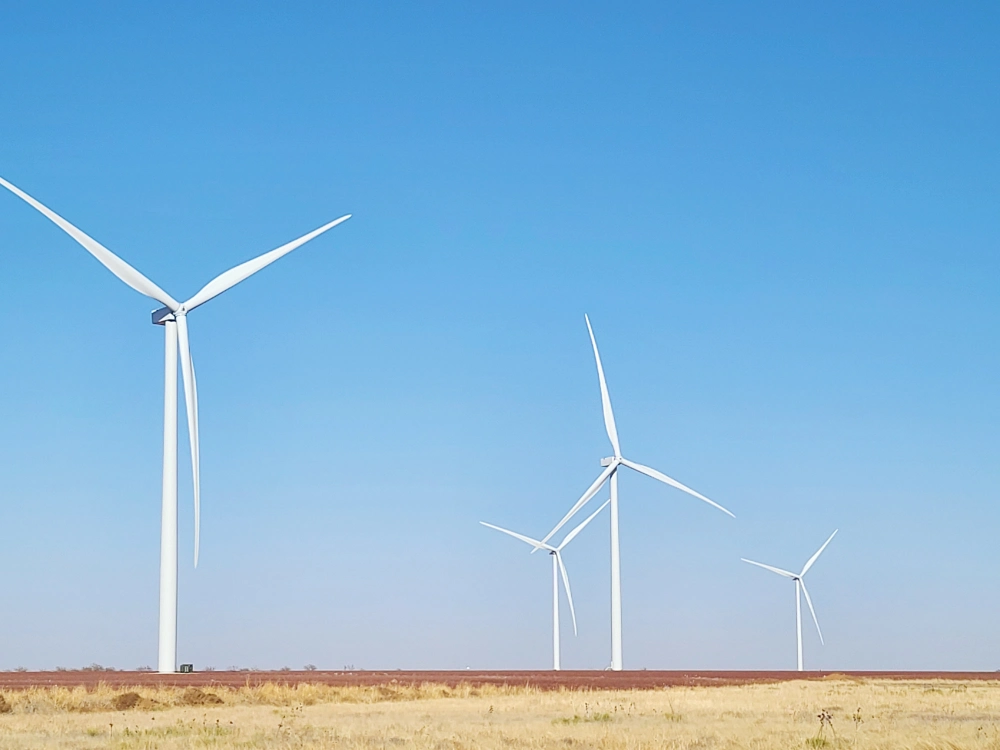
The sheer scale of wind energy development in Texas is a testament to its vast land area, consistent wind resources, and supportive policies. This burgeoning sector impacts everything from rural economies to the broader energy market, making it a significant aspect of understanding modern Texas. Whether you’re planning a road trip across the Lone Star State, seeking out unique travel experiences, or simply curious about the infrastructure that powers our world, delving into the numbers behind Texas’s wind turbine population offers a compelling narrative. This exploration goes beyond mere statistics; it’s about recognizing the visual impact, the economic implications, and the environmental aspirations of a state embracing a greener future.
The Mighty Wind: Texas’s Dominance in Renewable Energy
Texas’s ascent to the top of the wind energy production charts is not an accident but a deliberate consequence of its inherent advantages and strategic investments. The state boasts some of the most consistent and powerful wind resources in the United States, particularly in the West Texas plains and along the Gulf Coast. This geographical bounty, combined with a forward-thinking approach to energy policy and significant private sector investment, has propelled Texas into a national and even global leadership position in wind power generation. The visual presence of thousands of wind turbines across these regions is a clear indicator of this success.
A Statistical Snapshot of Texas’s Wind Power
Pinpointing an exact, real-time number of wind turbines in Texas can be a moving target, as new installations are constantly being developed and brought online. However, available data consistently places Texas at the forefront of wind energy. As of recent reports, Texas has significantly more wind-powered generating capacity than any other state. This translates into thousands upon thousands of individual wind turbines. The total number often surpasses figures reported for entire countries, underscoring the colossal scale of Texas’s wind fleet. These turbines are not concentrated in a single area but are spread across numerous counties, forming vast wind farms that can be seen for miles.
The capacity of these turbines, measured in megawatts (MW), is also a crucial metric. Texas’s installed wind capacity is in the tens of thousands of megawatts, a figure that continues to grow year after year. This immense capacity means that wind energy plays a substantial role in meeting the state’s electricity demands, often powering a significant portion of homes and businesses. The economic impact is equally profound, with wind farm development bringing jobs, lease payments to landowners, and tax revenue to rural communities that might otherwise struggle economically. For travelers, these wind farms can become unexpected landmarks, offering a unique visual spectacle and a talking point during any journey through the state.
Exploring the Windscapes: Destinations and Attractions
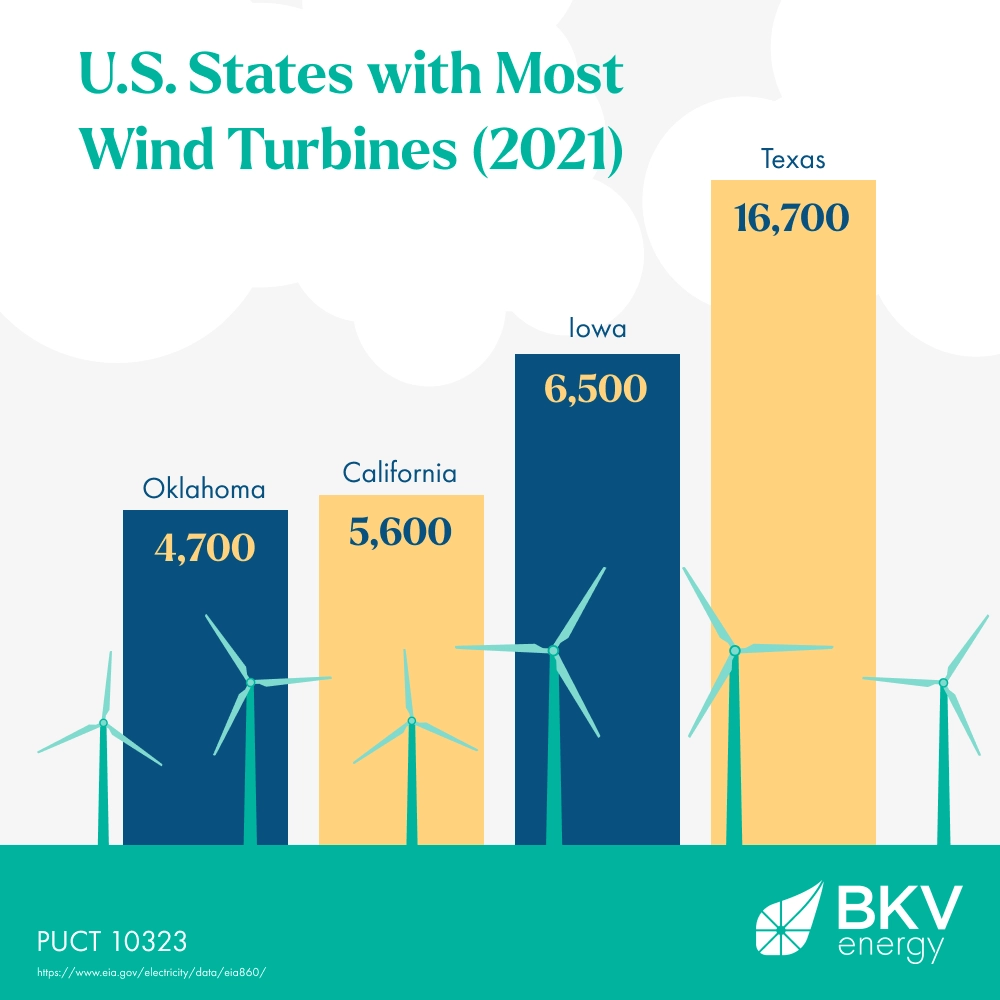
The presence of wind turbines has, in many instances, transformed the very perception of rural Texas, turning them into points of interest for curious travelers. While not traditional tourist attractions in the vein of historical landmarks or theme parks, these wind farms offer a modern, industrial-scale marvel. Certain regions of Texas are particularly well-known for their extensive wind energy development, making them unique destinations for those interested in renewable energy, industrial landscapes, or simply the visual poetry of these towering machines against the vast Texan sky.
Scenic Routes and Wind Farm Vistas
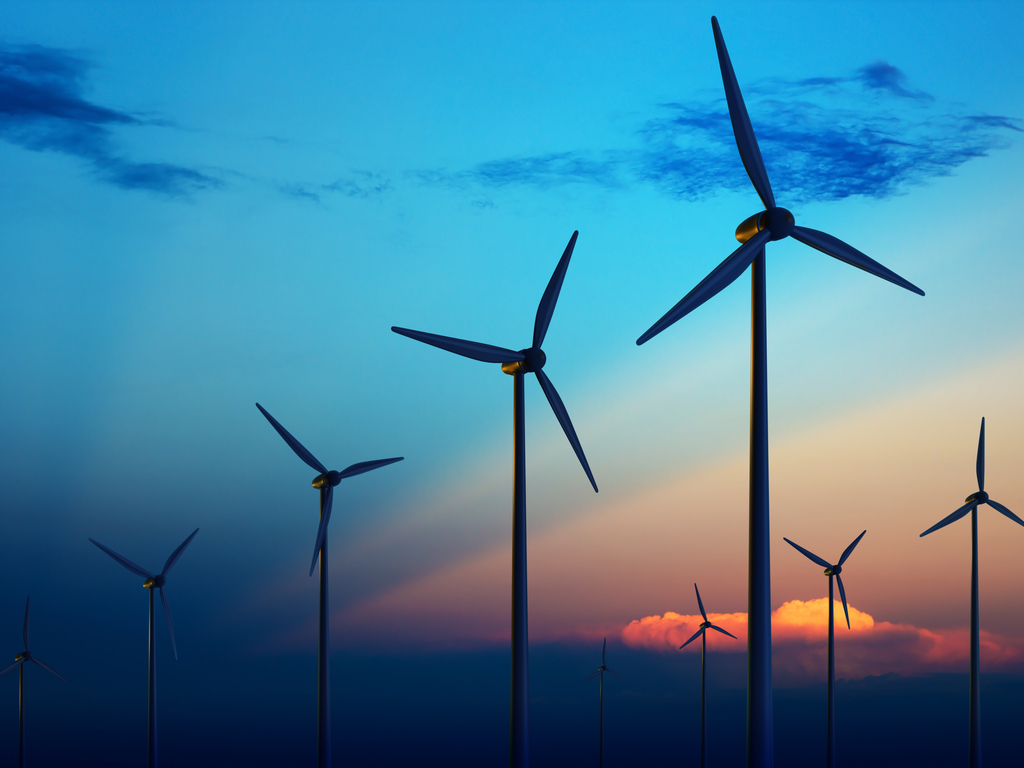
For those embarking on a road trip through West Texas, areas around cities like Abilene, Sweetwater, and further west towards Fort Stockton often present expansive views of wind farms. Driving along highways such as Interstate 10 or U.S. Route 287, particularly in the Panhandle and the Permian Basin regions, travelers will frequently encounter large clusters of turbines. These vistas can be particularly dramatic at sunrise or sunset, when the golden light catches the blades and creates a mesmerizing, dynamic scene. It’s a stark contrast to the more traditional imagery of Texas, offering a glimpse into the state’s contemporary industrial and energy landscape.
Some communities have even begun to embrace their role as wind energy hubs. While dedicated “wind turbine tours” are not as common as, say, vineyard tours in Napa Valley, the sheer scale and visibility of these farms make them de facto attractions. Visitors can often find public viewing areas or simply pull over safely on designated shoulders to take photographs and appreciate the engineering marvel. It’s an opportunity to witness firsthand the scale of renewable energy infrastructure that is shaping the future of power generation, a distinctly modern landmark in the Texan experience. For those interested in the intersection of technology, landscape, and sustainability, these drives offer a unique and memorable travel experience.
The Economic and Environmental Impact of Texas’s Wind Fleet
The proliferation of wind turbines in Texas extends far beyond their visual presence on the landscape. They represent a significant economic engine for many rural communities and a critical component of the state’s environmental stewardship efforts. Understanding the impact of these turbines provides a more complete picture of their importance to the Texan identity and its future.
Boosting Rural Economies and Creating Jobs
For many rural counties in Texas, wind farm development has been a game-changer. The lease payments to landowners, often farmers and ranchers, provide a stable and significant additional income stream, helping to keep agricultural operations viable. Furthermore, the construction and ongoing maintenance of wind farms create numerous jobs, from skilled technicians and engineers to construction workers and administrative staff. These jobs can revitalize local economies, support small businesses, and contribute to the overall prosperity of these regions. The tax revenue generated by wind farms is also a substantial benefit, allowing local governments to invest in schools, infrastructure, and public services, thereby enhancing the quality of life for residents. This economic infusion makes the wind turbines more than just energy generators; they become symbols of renewed economic opportunity for many parts of Texas.
Contributing to a Greener Energy Future
On the environmental front, Texas’s commitment to wind energy is a crucial part of its strategy to reduce its carbon footprint and transition towards a more sustainable energy portfolio. Wind power is a clean, renewable energy source that produces electricity without emitting greenhouse gases or other air pollutants. By generating a substantial portion of its electricity from wind, Texas is helping to mitigate the impacts of climate change and improve air quality. This shift towards renewables is not only beneficial for the environment but also enhances energy security by diversifying the state’s energy sources and reducing reliance on fossil fuels. For travelers who are environmentally conscious or interested in the burgeoning green lifestyle movement, understanding Texas’s wind energy dominance offers insight into the state’s commitment to a more sustainable future. The visual spectacle of the turbines serves as a constant reminder of this ongoing effort towards cleaner power.
LifeOutOfTheBox is a participant in the Amazon Services LLC Associates Program, an affiliate advertising program designed to provide a means for sites to earn advertising fees by advertising and linking to Amazon.com. Amazon, the Amazon logo, AmazonSupply, and the AmazonSupply logo are trademarks of Amazon.com, Inc. or its affiliates. As an Amazon Associate we earn affiliate commissions from qualifying purchases.