
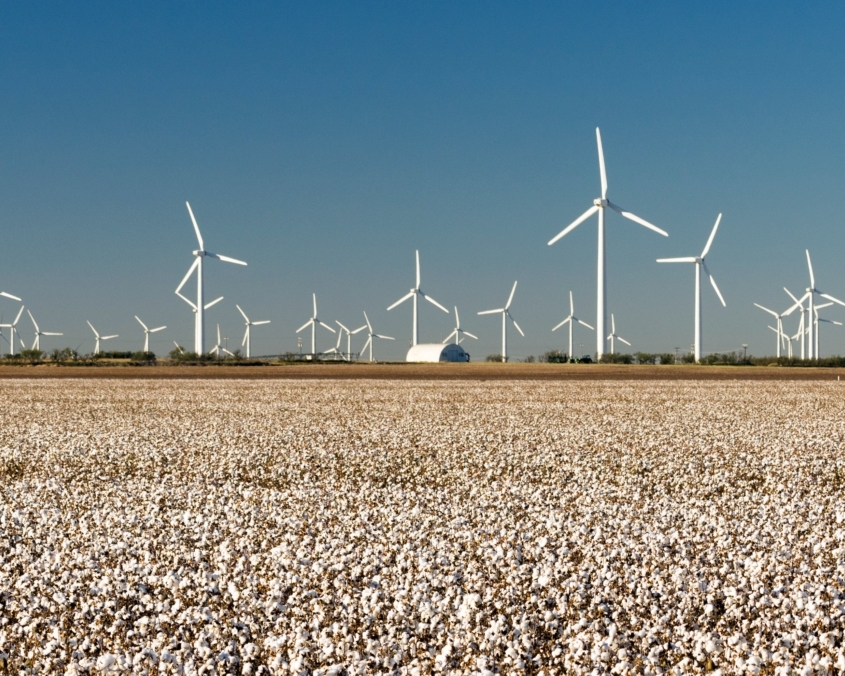
Texas, a state synonymous with sprawling landscapes, rich history, and a booming economy, is also a silent giant in the renewable energy sector. While many picture oil rigs and cattle ranches when they envision the Lone Star State, a closer look reveals an ever-growing horizon dotted with the elegant, towering forms of wind turbines. These modern marvels of engineering are not just a picturesque addition to the Texan countryside; they represent a significant shift towards sustainable power generation, impacting everything from the state’s energy independence to its economic future. For travelers and tourists exploring the diverse attractions of Texas, encountering these wind farms can be an unexpected and fascinating element of their journey, offering a glimpse into the state’s commitment to innovation and environmental stewardship.
The Rise of the Wind Energy Giant: Texas’s Dominance in Renewable Power
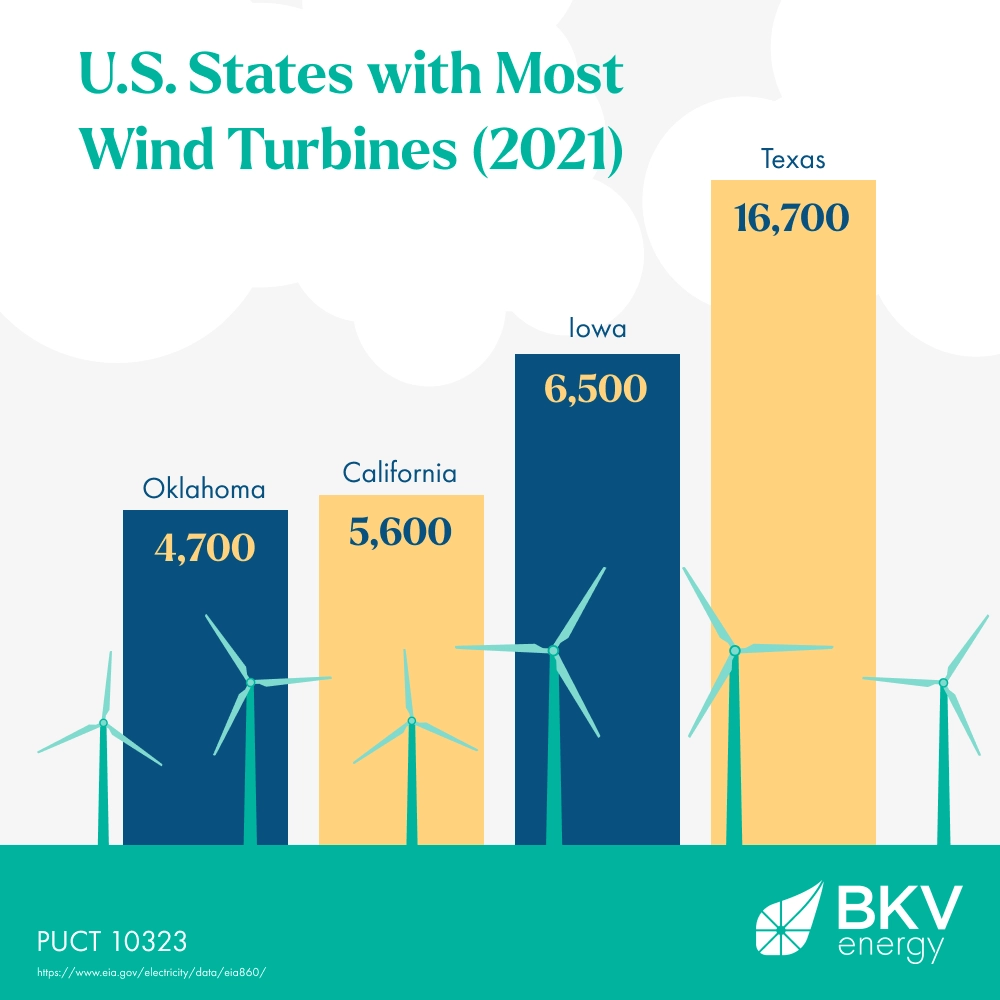
Texas has unequivocally established itself as the leading state in wind power generation across the United States. This meteoric rise is not by chance but the result of a confluence of favorable factors, including vast open spaces, strong and consistent wind resources, supportive state policies, and significant investment in infrastructure. Understanding the sheer scale of wind energy in Texas requires a dive into the numbers, the geography, and the driving forces behind this green revolution.
Unpacking the Numbers: A Statistical Overview of Texas’s Wind Fleet
Pinpointing an exact, real-time number of wind turbines in Texas is a dynamic challenge. The landscape is constantly evolving, with new projects being commissioned and existing ones potentially undergoing upgrades or decommissioning. However, based on the most recent available data from reliable sources like the American Clean Power Association and the U.S. Energy Information Administration, Texas boasts an astonishing number of operational wind turbines. As of recent reports, the state has consistently surpassed the 20,000-megawatt (MW) mark for installed wind capacity, and this figure continues to climb. Each megawatt of capacity typically corresponds to one or more turbines, depending on their individual size and output. Therefore, a conservative estimate would place the number of active wind turbines in Texas well into the tens of thousands. Some analyses suggest figures approaching 15,000 to 20,000 individual turbines, a testament to the sheer magnitude of its wind energy infrastructure. This capacity translates into a substantial portion of the state’s electricity being generated from wind, often meeting a significant percentage of its demand, especially during peak wind periods. The continuous growth in this sector indicates that these numbers are not static and will only increase as Texas solidifies its position as a global leader in renewable energy. This growth not only impacts the energy grid but also shapes the visual landscape of many parts of the state, becoming an integral part of the Texan identity.
Geographic Distribution: Where the Wind Blows Strongest in Texas
The prevalence of wind turbines across Texas is not uniform. They are strategically located in areas that possess the optimal wind conditions necessary for efficient energy generation. The most prolific regions for wind farms are typically found in the western and northern parts of the state.
West Texas: The Wind Energy Heartland
The vast, open plains of West Texas are often considered the heartland of the state’s wind energy industry. Counties such as Stonewall, Sterling, Irion, Tom Green, and Howard are home to some of the largest and most productive wind farms in the nation. The landscape here, characterized by flat or gently rolling terrain, allows for unimpeded wind flow, which is crucial for maximizing turbine output. The strong, consistent winds that sweep across these regions provide an ideal environment for these colossal structures. Visiting areas around cities like San Angelo or Midland can offer expansive views of these wind farms, a sight that is both awe-inspiring and indicative of Texas’s commitment to renewable energy. Many of these turbines are part of massive projects, contributing gigawatts of power to the grid.
North Texas and the Panhandle: Harnessing the Great Plains Winds
Further north, the Texas Panhandle and parts of North Texas also contribute significantly to the state’s wind power capacity. Areas near Amarillo and stretching southwards are prime locations for wind energy development due to the consistent and powerful winds characteristic of the Great Plains. The sheer scale of these wind farms in the Panhandle can be particularly striking, with turbines stretching as far as the eye can see, creating a unique visual spectacle against the wide-open skies. For travelers exploring national parks like Palo Duro Canyon State Park, the juxtaposition of natural beauty and modern renewable energy infrastructure can be a thought-provoking experience.
Coastal and South Texas: Emerging Frontiers
While West Texas and the Panhandle have historically dominated, wind energy development is also expanding into other regions. South Texas, particularly along the coast and offshore, is becoming an increasingly attractive area for wind farms. The coastal regions benefit from consistent onshore winds, and there is growing interest and development in offshore wind projects, which could unlock even greater potential for energy generation. These areas offer a different perspective on wind energy, often incorporating the unique coastal landscapes and tourism opportunities present in cities like Corpus Christi.
The Economic and Environmental Impact of Texas’s Wind Power Boom
The proliferation of wind turbines across Texas is more than just an impressive statistic; it represents a significant economic engine and a crucial step towards environmental sustainability for the state. The benefits extend from job creation and rural economic development to reducing greenhouse gas emissions and enhancing energy independence.
Driving Economic Growth and Job Creation
The wind energy sector has become a vital contributor to the Texan economy, particularly in the rural communities where many wind farms are located. The development, construction, and ongoing operation and maintenance of these wind farms create a substantial number of jobs.
Rural Development and Community Benefits
Wind farm projects often bring much-needed economic diversification to rural Texas. Landowners who lease their property for wind turbines receive significant revenue, providing a stable income stream that helps support local agriculture and businesses. Additionally, property tax revenues generated by wind farms can substantially benefit local school districts and county governments, funding essential services and infrastructure improvements. Communities that might have previously struggled with economic decline now see a renewed sense of prosperity thanks to the wind industry. This influx of economic activity can revitalize small towns and create a more sustainable future for their residents.
A Growing Workforce in Renewable Energy
The demand for skilled labor in the wind industry has led to the growth of specialized training programs and educational institutions focused on renewable energy technologies. From turbine technicians and engineers to project managers and environmental specialists, the wind sector offers a diverse range of employment opportunities. This creates a skilled workforce within Texas, reducing the need for external expertise and fostering local talent. The long-term operation and maintenance of these turbines ensure a continuous need for skilled professionals, providing stable employment for many years to come.
Contributing to a Sustainable Future
Beyond economic advantages, the expansion of wind energy in Texas plays a critical role in the state’s efforts to embrace a more sustainable energy future and combat climate change.
Reducing Carbon Footprint and Improving Air Quality
Wind power is a clean energy source that produces electricity without emitting greenhouse gases like carbon dioxide, a major contributor to climate change. By replacing electricity generated from fossil fuels, wind turbines help reduce the state’s overall carbon footprint. This transition not only benefits the global environment but also leads to improved air quality within Texas, reducing the incidence of respiratory illnesses and other health problems associated with air pollution. As Texas continues to grow and its energy demands increase, wind power offers a sustainable way to meet these needs without exacerbating environmental challenges.
Enhancing Energy Independence and Grid Stability
The widespread adoption of wind power contributes to Texas’s energy independence by diversifying its energy sources. Relying less on volatile fossil fuel markets, the state can achieve greater stability in its energy supply and pricing. Furthermore, the distributed nature of wind farms, spread across various regions, can enhance the resilience of the state’s electricity grid. While the intermittency of wind power is a factor that requires careful grid management and integration with other energy sources, the sheer volume of wind-generated electricity in Texas is a significant asset in ensuring a reliable and sustainable power supply for millions of residents and businesses, from the bustling streets of Houston to the historic sites of San Antonio.
Experiencing Texas Wind Farms: A Unique Travel Element
For travelers planning a trip to Texas, the presence of wind farms offers a unique and often unexpected aspect of the state’s landscape and identity. While not always a primary tourist attraction in the traditional sense, encountering these modern marvels can be a fascinating addition to any itinerary, especially for those interested in technology, sustainability, or simply experiencing the vastness of the Texan terrain.
Scenic Drives and Wind Farm Tours
Many of Texas’s major highways traverse through areas with a high concentration of wind turbines. A scenic drive through West Texas, for instance, can offer breathtaking panoramic views of these towering structures stretching across the horizon. Some wind farm developers and local tourism boards even offer guided tours or visitor centers that provide insights into how wind energy is generated and the impact it has on the local economy and environment. These experiences can transform a simple road trip into an educational and visually striking adventure, showcasing a different side of the Lone Star State, far removed from the usual sights of the Alamo or the beaches of Galveston.
Integrating Wind Farms into Your Texas Itinerary
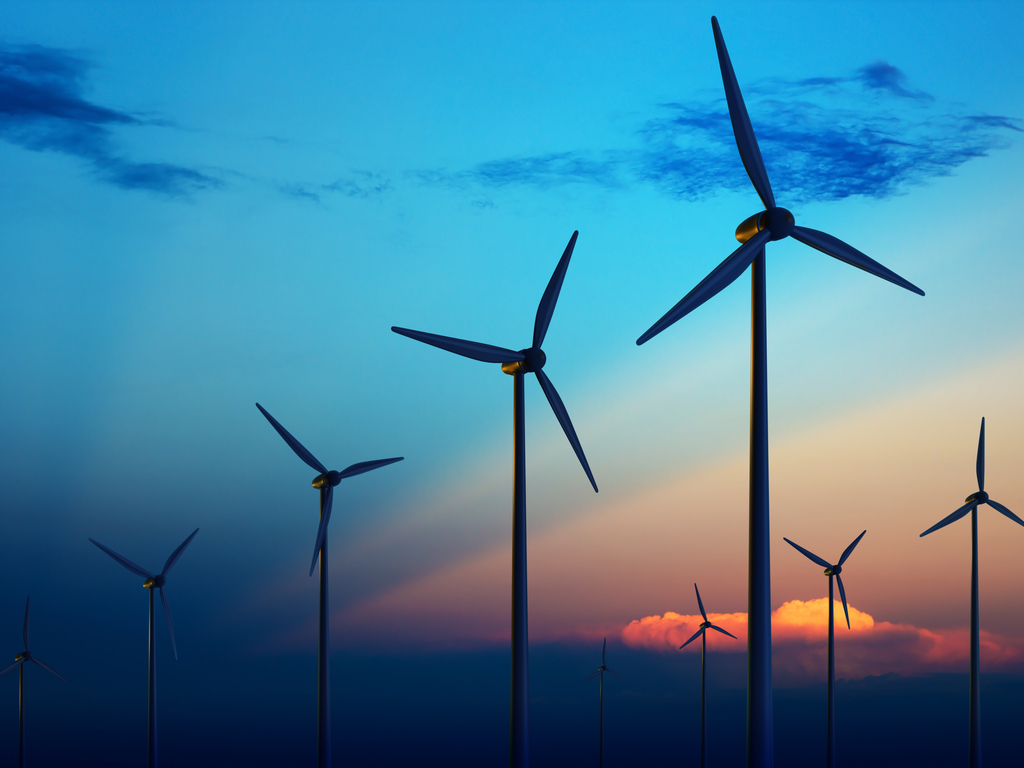
When planning a trip to Texas, consider incorporating visits to areas known for their wind farms. For example, if you’re exploring the Big Bend region or heading towards West Texas for outdoor adventures, you’ll likely encounter these impressive structures. Some travelers might find it fascinating to photograph these turbines against the backdrop of the dramatic Texan sky, especially at sunrise or sunset, creating unique and memorable images. It’s a chance to witness firsthand the intersection of cutting-edge technology and the vast, open spaces that define Texas, offering a perspective that few other states can provide. This unexpected element of the Texan landscape serves as a powerful reminder of the state’s forward-thinking approach to energy and its commitment to a sustainable future, complementing any visit to iconic landmarks or any stay in charming local hotels and resorts.
In conclusion, the question of “How Many Wind Turbines In Texas?” leads to a story of remarkable growth, economic prosperity, and a strong commitment to renewable energy. The sheer number of turbines, their strategic placement across the state, and their profound impact on both the economy and the environment paint a picture of a Texas that is as modern and forward-looking as it is steeped in tradition. For those who travel through its landscapes, these wind farms are more than just structures; they are symbols of innovation and a testament to the state’s evolving identity.
LifeOutOfTheBox is a participant in the Amazon Services LLC Associates Program, an affiliate advertising program designed to provide a means for sites to earn advertising fees by advertising and linking to Amazon.com. Amazon, the Amazon logo, AmazonSupply, and the AmazonSupply logo are trademarks of Amazon.com, Inc. or its affiliates. As an Amazon Associate we earn affiliate commissions from qualifying purchases.