
While the allure of the Lone Star State often conjures images of sprawling ranches, vibrant metropolises like Houston and Dallas, and world-class theme parks such as Six Flags Fiesta Texas, the economic landscape of Texas also encompasses a diverse range of professions crucial to its infrastructure. Among these, dental assistants play a vital role in oral healthcare delivery, supporting dentists in a variety of essential tasks. For those considering a career in this field within Texas, understanding the earning potential is paramount. This exploration delves into the average salaries, influencing factors, and career outlook for dental assistants across the state, offering a comprehensive overview for aspiring and current professionals.

The question of “How much do dental assistants make in Texas?” is multifaceted, with answers influenced by location, experience, and the specific nature of the dental practice. However, a general understanding can be established by examining available salary data and the economic dynamics of different regions within the state.
Understanding Dental Assistant Salaries in Texas
Dental assistants are integral members of the dental care team, performing a wide array of duties that contribute to efficient and effective patient care. Their responsibilities can include preparing patients for examinations, sterilizing instruments, taking dental radiographs, assisting the dentist during procedures, and educating patients on oral hygiene. The demand for these skilled professionals is consistent, as dental health remains a cornerstone of overall well-being.
Average Salary Range and Key Figures
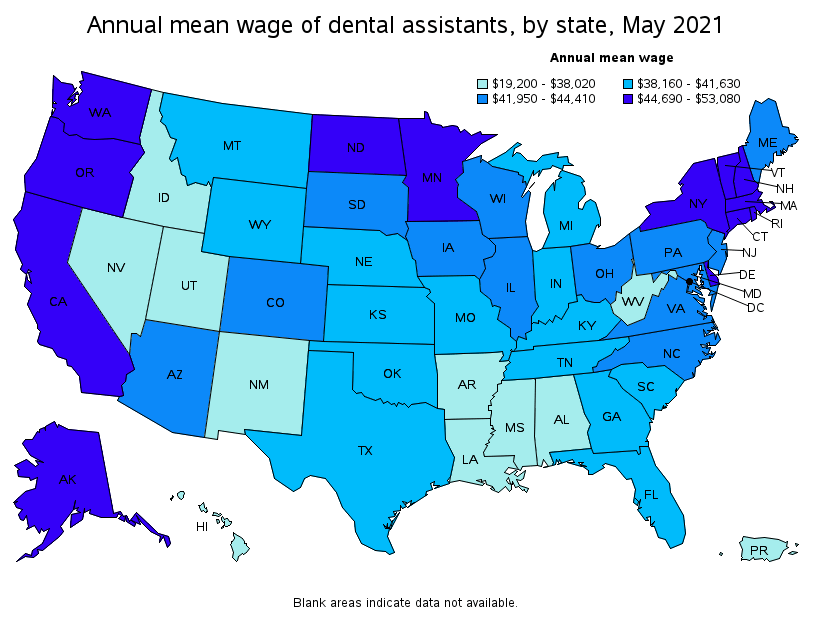
Based on various salary aggregators and industry reports, the average annual salary for a dental assistant in Texas typically falls within a range that reflects the broad spectrum of compensation. While specific figures can fluctuate, a common estimate places the average annual income somewhere between $38,000 and $48,000. Entry-level positions might begin at the lower end of this spectrum, often around $30,000 to $35,000, while experienced professionals in specialized roles or in higher-paying areas can command salaries exceeding $55,000, and in some cases, even reaching $60,000 or more.
It’s important to note that these figures represent averages. The actual salary an individual dental assistant earns will depend on a confluence of factors, including their level of experience, certifications, the specific dental practice they work for, and the geographical location within Texas.
Factors Influencing Dental Assistant Earnings
Several key determinants shape the earning potential of dental assistants in Texas. Understanding these factors can empower individuals to strategically position themselves for higher compensation.
Experience Level and Skill Set
Unsurprisingly, experience plays a significant role in salary negotiation. Dental assistants who have been in the profession for several years, demonstrating a proven track record of competence and efficiency, are generally compensated more than those who are just starting out. Beyond years of service, specialized skills and certifications can also command higher wages. For instance, dental assistants proficient in taking X-rays (radiographs), assisting with specialized procedures like orthodontics or periodontics, or possessing advanced training in areas such as dental software or patient management systems, may find themselves in a stronger position to negotiate a better salary. Certifications, such as those offered by the Dental Assisting National Board (DANB), can also be a valuable asset, signaling a commitment to professional standards and potentially leading to increased earning opportunities.
Geographical Location Within Texas
Texas is a vast state with diverse economic landscapes. Consequently, the cost of living and the demand for dental services vary significantly from one region to another, directly impacting dental assistant salaries. Major metropolitan areas like Dallas, Houston, Austin, and San Antonio often offer higher average salaries due to a larger patient base, a greater number of dental practices (including larger clinics and specialized dental centers), and generally a higher cost of living. For example, a dental assistant working in the thriving healthcare sector of Dallas might earn more than someone in a smaller, more rural town. Conversely, areas with a lower cost of living may offer slightly lower average salaries, but the disposable income might still be comparable. It’s worth exploring salary data specific to the cities or regions of interest within Texas to get a more precise understanding. For those considering relocating or seeking employment, researching the salary trends in cities such as Plano, Fort Worth, or El Paso can provide valuable insights.
Type of Dental Practice
The type of dental practice where a dental assistant is employed can also influence their salary. Dental assistants working in general dentistry practices might earn differently than those in specialized clinics. For instance, working in a pediatric dental office, an orthodontic practice, a periodontist’s office, or a cosmetic dentistry clinic could potentially offer different compensation structures. Larger dental corporations or group practices may also have different pay scales compared to smaller, privately owned dental offices. Some practices might offer a base salary with performance-based bonuses, while others may provide a more straightforward hourly wage or a fixed annual salary. Furthermore, the benefits package offered by a practice, such as health insurance, paid time off, and retirement plans, can be a significant part of the overall compensation, even if not directly reflected in the base salary.
Additional Income Opportunities
While the primary income for dental assistants comes from their regular employment, there are avenues for increasing overall earnings. Some dental assistants may choose to work part-time or per diem at multiple offices to supplement their income. Others might find opportunities to offer their services for dental hygiene education seminars or community outreach programs, which could come with separate compensation. In some cases, dental assistants with advanced skills or a desire for entrepreneurship might explore roles in dental assisting education or consulting, though these typically require substantial experience and a strong professional reputation.
Career Growth and Future Outlook for Dental Assistants in Texas
The demand for dental assistants in Texas is projected to remain strong, driven by an aging population, increasing awareness of oral hygiene, and advancements in dental technology. This steady demand provides a positive outlook for individuals pursuing or continuing a career in this field.
Job Outlook and Demand Drivers
The U.S. Bureau of Labor Statistics (BLS) projects a steady growth for dental assistants nationwide. This trend is mirrored in Texas, where the expanding population and the increasing emphasis on preventive dental care contribute to a consistent need for these professionals. As more people seek routine check-ups, cosmetic procedures, and restorative treatments, the role of the dental assistant becomes even more critical in supporting dentists and ensuring a smooth patient experience. The growth in dental tourism, though a niche aspect, might also contribute to demand in popular tourist destinations within Texas.
Opportunities for Advancement
For dental assistants in Texas, career progression is not limited to just increasing their salary in their current role. There are several pathways for advancement within the dental field. Some dental assistants may pursue further education to become dental hygienists, a role that typically requires an associate’s or bachelor’s degree and offers significantly higher earning potential. Others might aim for supervisory roles within larger dental practices, managing a team of dental assistants and overseeing administrative tasks. Specialization in areas such as dental office management, dental insurance coordination, or even venturing into sales of dental equipment and supplies are also viable career trajectories. The continuous development of dental technology also presents opportunities for assistants to become proficient in new techniques and equipment, making them more valuable assets to employers.
Educational and Certification Pathways
To enhance earning potential and career opportunities, dental assistants in Texas can pursue various educational and certification routes. While a high school diploma or GED is typically the minimum requirement, many dental assisting programs offer certificates or associate’s degrees. These programs provide comprehensive training in dental anatomy, radiology, infection control, patient care, and administrative procedures.
Obtaining certifications, such as the Certified Dental Assistant (CDA) designation from DANB, is highly recommended. Holding such credentials demonstrates a commitment to professional excellence and can make a dental assistant more competitive in the job market. Continuing education is also crucial for staying abreast of the latest advancements in dental care and for maintaining certifications.
Navigating Salary Negotiations and Compensation
Understanding how to effectively negotiate salary and benefits is a crucial skill for any dental assistant aiming to maximize their earnings in Texas. This involves research, self-assessment, and confident communication.
Researching Salary Benchmarks
Before entering into salary discussions, thorough research is essential. This includes investigating average salaries for dental assistants in the specific Texas city or region where you are seeking employment. Websites like Glassdoor, Indeed, and the BLS provide valuable data, often broken down by experience level and location. Understanding the typical salary range for a position with similar responsibilities in a comparable practice will equip you with a strong negotiating position. Consider the cost of living in the area; a salary that might seem high in a smaller town could be standard in a larger metropolitan area.
Highlighting Skills and Experience
When negotiating, it is vital to articulate your value proposition clearly. This involves highlighting your relevant skills, certifications, and years of experience. Quantify your achievements whenever possible. For instance, instead of saying “I’m good at patient management,” you could say, “I consistently receive positive patient feedback for my ability to create a comfortable and informative experience, leading to increased patient satisfaction and retention rates.” Be prepared to discuss any specialized training you have received or any unique contributions you have made in previous roles. If you have experience with specific dental software or advanced equipment, be sure to mention it.

Understanding Benefits Packages
Salary is only one part of the total compensation. It’s important to consider the entire benefits package offered by a prospective employer. This can include health insurance, dental insurance (which might be a given, but details matter!), vision insurance, paid time off (vacation and sick days), retirement plans (like a 401k with employer match), continuing education reimbursement, and professional development opportunities. A comprehensive benefits package can significantly increase the overall value of an employment offer, even if the base salary is slightly lower than anticipated. Always ask for a detailed breakdown of the benefits during the interview process.
By arming yourself with knowledge, confidence, and a clear understanding of your worth, dental assistants in Texas can navigate the compensation landscape effectively and secure fulfilling and well-compensated positions within the thriving oral healthcare sector of the state. Whether drawn to the bustling energy of San Antonio, the cultural richness of Austin, or the professional opportunities in the Dallas-Fort Worth metroplex, a career as a dental assistant in Texas offers both stability and the potential for growth.
LifeOutOfTheBox is a participant in the Amazon Services LLC Associates Program, an affiliate advertising program designed to provide a means for sites to earn advertising fees by advertising and linking to Amazon.com. Amazon, the Amazon logo, AmazonSupply, and the AmazonSupply logo are trademarks of Amazon.com, Inc. or its affiliates. As an Amazon Associate we earn affiliate commissions from qualifying purchases.